

A professional dilapidation report is one of the most effective tools for protecting your property before nearby construction begins. It provides a detailed, time-stamped record of your property's condition that can be used to resolve disputes, support insurance claims, and give you peace of mind throughout the construction process.
Whether you are a homeowner concerned about a neighbouring development or a builder looking to protect yourself from unfounded damage claims, understanding what goes into a dilapidation report helps you get the most value from the process.
What Is a Dilapidation Report?
A dilapidation report is a detailed record of a neighbouring property's existing condition before construction, demolition, or excavation work begins nearby. It captures every visible defect, from hairline cracks in plaster walls to staining on ceilings, chipped tiles, and settling in foundations.
The report serves as a baseline. If the property owner later claims that construction caused damage, the dilapidation report provides objective evidence of what the property looked like before any work started. This makes it an extremely valuable document for both property owners and builders.
Dilapidation reports are sometimes required by local councils as a condition of development approval. Even when not mandated, they are strongly recommended whenever construction activity involves excavation, demolition, piling, or heavy machinery near a property boundary.
Why You Should Obtain a Dilapidation Report
Preventing Neighbour Disputes
Construction projects often create tension between neighbours. Vibration, noise, dust, and changes to drainage can all affect surrounding properties. Without documented evidence of pre-existing conditions, disagreements about what damage existed before construction can quickly escalate into costly disputes.
A dilapidation report removes ambiguity. Both parties can refer to the documented baseline rather than relying on memory or assumptions.
Documenting Pre-Existing Damage
Many properties already have cracks, moisture damage, or cosmetic wear before any construction takes place. A dilapidation report captures these existing issues in detail. This protects builders from claims that pre-existing damage was caused by their work, and it protects property owners by establishing a clear record against which any new damage can be measured.
Supporting Insurance Claims
If construction does cause damage to your property, an insurance claim is much stronger when supported by a professional dilapidation report. Insurers and loss adjusters look for documented baseline evidence when assessing claims. Without it, proving the cause and timing of damage becomes significantly harder.
Legal Protection
Dilapidation reports prepared by qualified, independent inspectors are admissible in court and tribunal proceedings across Australia, including NCAT, VCAT, and QCAT. Having a professionally prepared report strengthens your position in any legal dispute related to construction damage.
What Does a Dilapidation Report Include?
A thorough dilapidation report covers every accessible area of the property. The inspector examines both interior and exterior spaces, documenting the current condition with written descriptions and high-quality photographs.
Exterior Inspection
The inspector examines all external surfaces and features, including:
- Walls and facades: Cracks, staining, paint deterioration, render damage, and mortar joint condition
- Roof and guttering: Visible damage to roof tiles or sheeting, gutter alignment, downpipe condition, and flashing integrity
- Windows and doors: Frame condition, glass integrity, sealant condition, and operation
- Driveways and paths: Cracking, settling, lifting, and surface wear
- Fences and retaining walls: Lean, cracking, timber rot, and structural condition
- Landscaping and drainage: Ground levels, garden beds near structures, and stormwater drainage features
Interior Inspection
Inside the property, the inspector documents the condition of each room and common area:
- Walls: Cracks, nail pops, plaster damage, paint condition, and moisture staining
- Floors: Tile cracking, timber floor movement, carpet condition, and level changes
- Ceilings: Cracks, sagging, staining, cornicing condition, and access panel locations
- Doors and windows: Frame alignment, hardware operation, and seal condition
- Wet areas: Bathrooms, kitchens, and laundries are checked for moisture damage, tile grout condition, and sealant integrity
Photographic Evidence
One of the most important elements of any dilapidation report is the photographic documentation. A professional report includes hundreds of high-resolution, time-stamped photographs that clearly show the condition of every inspected area.
Each photograph is labelled with its location within the property, the feature being documented, and the date of inspection. This level of detail ensures the photographic record is useful as evidence in any future dispute or claim.
Written Descriptions
Alongside photographs, the inspector provides written descriptions of each defect or feature. These descriptions include the type of defect, its location, approximate dimensions where relevant, and an assessment of its current state. Written descriptions add context that photographs alone cannot always provide.
The Inspection Process Step by Step
Understanding the inspection process helps you prepare and ensures the report is as comprehensive as possible.
Scheduling and Access Arrangements
The process begins with scheduling. You will need to arrange access to the property being inspected. For your own property, this is straightforward. If the report covers a neighbouring property, the neighbour's cooperation is needed. Most neighbours are willing to participate, particularly when they understand the report protects them as well.
Allow at least two weeks before construction begins to schedule the inspection. This provides a buffer for any access delays or weather disruptions.
The On-Site Inspection
The inspector conducts a thorough, systematic examination of the property. A standard residential inspection typically takes between one and three hours, depending on property size and complexity. Commercial properties may require a full day or more.
The inspector moves methodically through each area, photographing and noting every visible defect. They use measuring tools to record crack widths, levels, and other dimensions. The inspection is non-invasive, meaning no walls are opened, no fixtures are removed, and no damage is caused.
Transparent Communication
A professional inspector maintains open communication throughout the process. They explain what they are documenting, answer questions from the property owner, and provide an overview of their findings at the conclusion of the on-site visit.
If the inspector identifies anything that warrants immediate attention, such as significant structural movement or active water ingress, they will bring it to your attention during the inspection.
Report Preparation and Delivery
After the on-site inspection, the inspector compiles the findings into a structured report. This includes organising photographs, writing descriptions, and formatting the document for clarity and completeness.
Turnaround times vary between providers. Some deliver within 24 hours, while others may take up to a week. If you need the report urgently, confirm the delivery timeline before engaging the inspector.
The final report is typically delivered as a PDF document, often accompanied by a digital photo archive. It should include the inspector's qualifications, insurance details, and a declaration of independence.
Key Benefits of a Professional Dilapidation Report
Clear Communication with Neighbours
A dilapidation report creates a shared reference point between you and your neighbours. Rather than debating what damage existed before construction, both parties can review the documented evidence. This transparency reduces misunderstandings and helps maintain positive neighbour relationships during what can be a disruptive period.
Documented Evidence for Disputes
If a dispute does arise, a professional dilapidation report provides the strongest possible evidence base. Courts and tribunals place significant weight on independent, documented condition assessments. A well-prepared report can resolve disputes quickly and cost-effectively, often without the need for a hearing.
Peace of Mind
Knowing that your property's condition has been professionally documented gives you confidence throughout the construction period. If damage does occur, you have the evidence to support your position. If it does not, the report confirms that the construction had no adverse effect.
Cost Savings
The cost of a dilapidation report is modest compared to the potential expense of unresolved property damage disputes. Legal proceedings, expert forensic assessments, and repair cost disputes can easily run into tens of thousands of dollars. A report costing a few hundred to a few thousand dollars provides significant financial protection.
How to Choose a Qualified Inspector
Check Qualifications and Licensing
The inspector should hold current licensing with the relevant state building authority. In New South Wales, this means registration with NSW Fair Trading. In Queensland, the inspector should be licensed through the QBCC. In Victoria, check registration with the Victorian Building Authority.
Professional indemnity insurance and public liability insurance are also necessary. An unqualified or uninsured inspector produces a report that may hold no weight in legal proceedings.
Read Customer Reviews
Look for inspectors with consistently positive reviews from previous clients. Pay attention to feedback about the thoroughness of the report, the quality of communication, and the professionalism of the inspector. Reviews from clients who have used the report in a dispute or claim are particularly informative.
Confirm Transparent Pricing
Ask for a clear, itemised quote before engaging an inspector. The quote should specify exactly what the inspection covers, whether interior and exterior areas are both included, the number of photographs, the turnaround time, and any potential additional charges.
Be cautious of providers who quote very low prices but exclude interior areas or provide minimal photographic documentation. A cheap report that does not adequately document the property's condition offers poor value.
Ask About Experience
An inspector who has prepared hundreds of dilapidation reports will produce a more thorough and reliable document than one who treats it as a side service. Ask how many dilapidation reports they complete each year and whether they have experience providing evidence in dispute resolution.
Frequently Asked Questions
How long does a dilapidation inspection take?
A standard residential inspection takes between one and three hours, while commercial properties may require a full day. The duration depends on the size and complexity of the property, the number of rooms and external areas, and the extent of existing defects that need documenting. Larger properties with significant wear naturally take longer to inspect thoroughly.
Can a dilapidation report cover public property like footpaths and roads?
Yes. Many dilapidation reports include public infrastructure such as footpaths, kerbing, road surfaces, and nature strips adjacent to the construction site. Local councils often require documentation of public assets as part of development consent conditions. Including public property in the report provides a complete baseline record and protects the builder from claims related to pre-existing damage to council infrastructure.
What happens if my neighbour refuses access for the inspection?
If a neighbour refuses access, the inspector can only document externally visible conditions from public areas or the boundary line. Most neighbours agree to participate once they understand that the report protects their interests as well. If access is refused, make a written record of the refusal and proceed with documenting whatever is visible from accessible areas. In some cases, council conditions may require neighbour participation.
How long is a dilapidation report valid?
A dilapidation report is valid as a baseline from the date of inspection. There is no fixed expiry, but it should be completed as close to the start of construction as possible. The longer the gap between the report and the commencement of construction, the greater the chance that new damage or changes may occur in the interim. Ideally, the report should be completed within two to four weeks before site works begin.
Is a dilapidation report a legal requirement in Australia?
It depends on your jurisdiction and the type of construction. Many local councils require dilapidation reports as conditions of development approval, particularly for excavation, demolition, and large-scale construction projects. Even where not legally mandated, obtaining a dilapidation report is strongly recommended as a practical risk management measure. The cost of the report is minor compared to the potential cost of an unresolved damage dispute.
Does weather affect a dilapidation inspection?
Light rain generally does not prevent an inspection, but heavy rain, storms, or flooding may require rescheduling. Wet conditions can make some defects harder to identify, particularly on external surfaces. Standing water may also prevent access to certain areas. Your inspector will advise if weather conditions are likely to compromise the quality of the report and suggest an alternative date if needed.
What qualifications should a dilapidation inspector have?
The inspector should hold a current building inspector licence issued by the relevant state authority, along with professional indemnity insurance and public liability insurance. Relevant qualifications include a Certificate IV in Building and Construction, a diploma in building surveying, or equivalent tertiary qualifications. Membership of professional bodies such as the Australian Institute of Building Surveyors (AIBS) is a further indicator of competence.
How detailed are the photographs in a dilapidation report?
A professional report includes hundreds of high-resolution, time-stamped photographs covering every accessible area of the property. Each photograph is labelled with its location, the feature being documented, and the inspection date. Close-up shots capture individual defects in detail, while wider shots provide context showing the defect's position within the room or building. This level of detail is what makes the report useful as evidence.
Can I use a dilapidation report after construction to prove damage?
Yes. The pre-construction dilapidation report serves as the baseline against which a post-construction inspection is compared. After construction is complete, a second inspection is conducted to identify any changes to the property's condition. By comparing the two reports, it becomes clear whether construction activity caused any new damage. This comparison forms the basis of any damage claim or insurance submission.
Who typically pays for a dilapidation report?
The party responsible for payment varies. In many cases, the builder or developer commissions and pays for the report as a condition of development approval. When a property owner arranges their own report for personal protection, they bear the cost. Some development consent conditions specify that the developer must fund dilapidation reports for all properties within a defined radius of the construction site. Check the relevant consent conditions to confirm responsibility.
How soon after construction should a post-construction inspection be done?
A post-construction inspection should be completed as soon as practical after all construction activity, including site clean-up and restoration, has finished. Waiting too long risks new damage from other sources, which can complicate any claim. Most inspectors recommend completing the post-construction inspection within four to six weeks of works finishing.
Can a dilapidation report be used for insurance purposes?
Yes. Insurance companies and loss adjusters recognise professional dilapidation reports as supporting evidence for construction-related damage claims. A report prepared by a licensed, independent inspector carries significant weight with insurers. It demonstrates that the property owner took reasonable steps to document the pre-construction condition, making it easier to establish that damage was caused by the construction activity rather than pre-existing wear.
Key Takeaways
- A dilapidation report is a detailed baseline record of a property's condition before nearby construction begins
- The report includes interior and exterior inspections with high-resolution, time-stamped photographs and written descriptions
- Professional reports document cracks, settling, water damage, paint deterioration, and all other visible defects
- The inspection process involves scheduling, a thorough on-site examination, and delivery of a structured PDF report
- Dilapidation reports prevent neighbour disputes by providing objective evidence of pre-existing conditions
- Reports prepared by licensed inspectors are admissible in courts and tribunals across Australia
- Choose an inspector with current licensing, professional indemnity insurance, and demonstrated experience in dilapidation assessments
- A post-construction comparison inspection is recommended to identify any changes caused by construction activity
References and Resources
Related Articles
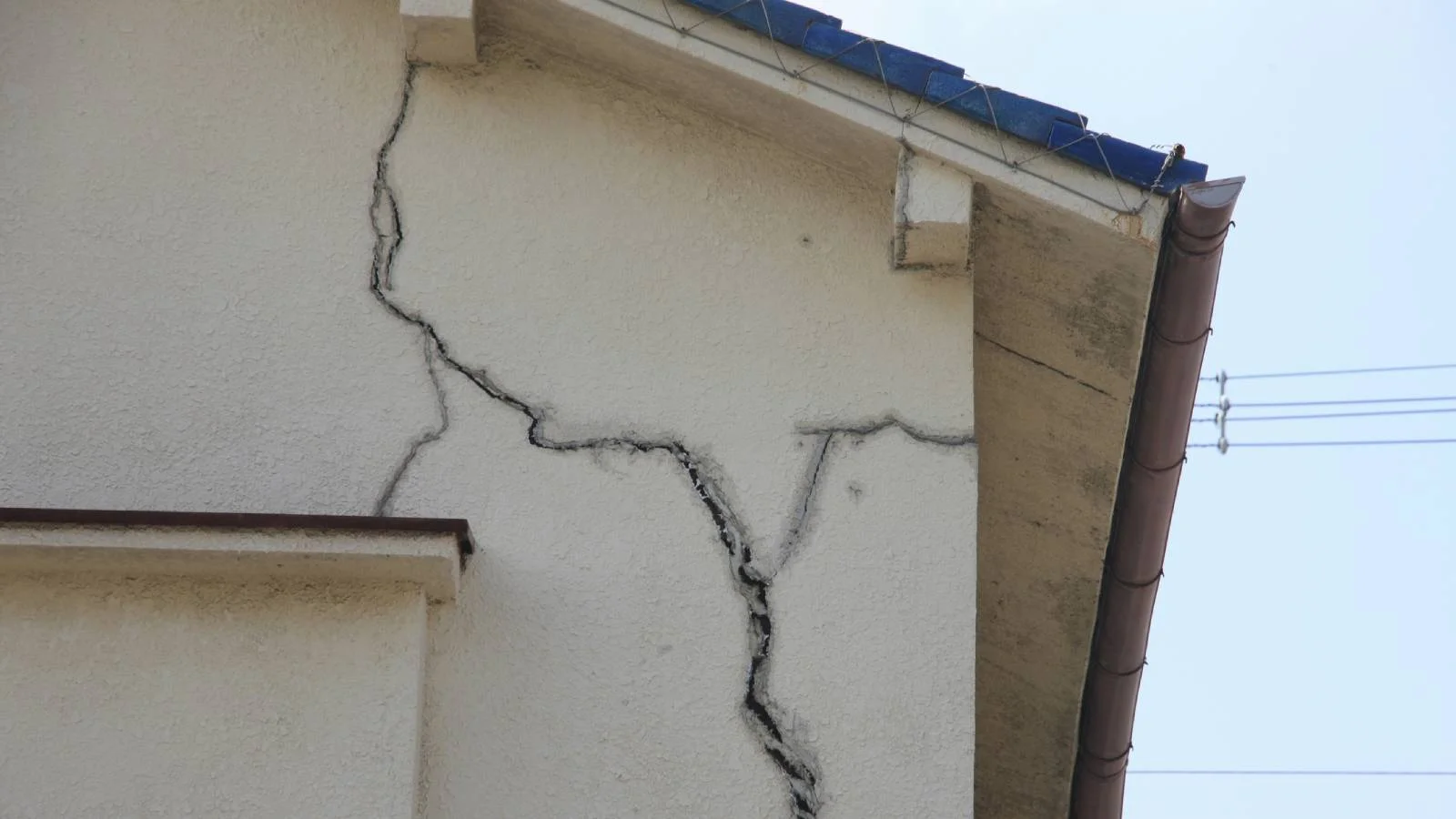
Dilapidation Report Process: A Walkthrough of Key Steps
Dilapidation reports serve as comprehensive property condition snapshots before nearby construction commences. Learn the six-step process from consultation to delivery.
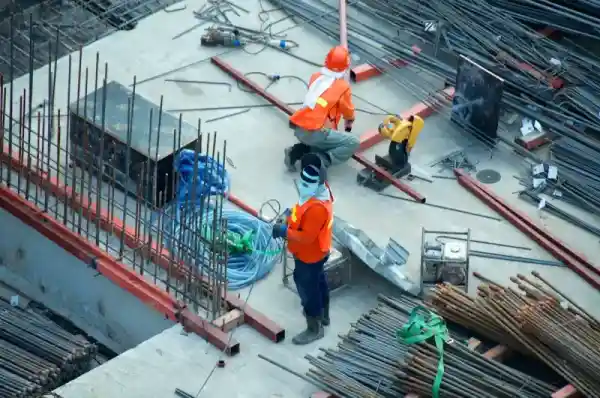
Dilapidation Report Cost: Factors That Affect Pricing
Dilapidation report costs vary based on property size, location, scope, and urgency. This guide breaks down pricing factors across Australian cities and helps you budget for pre-construction property documentation.
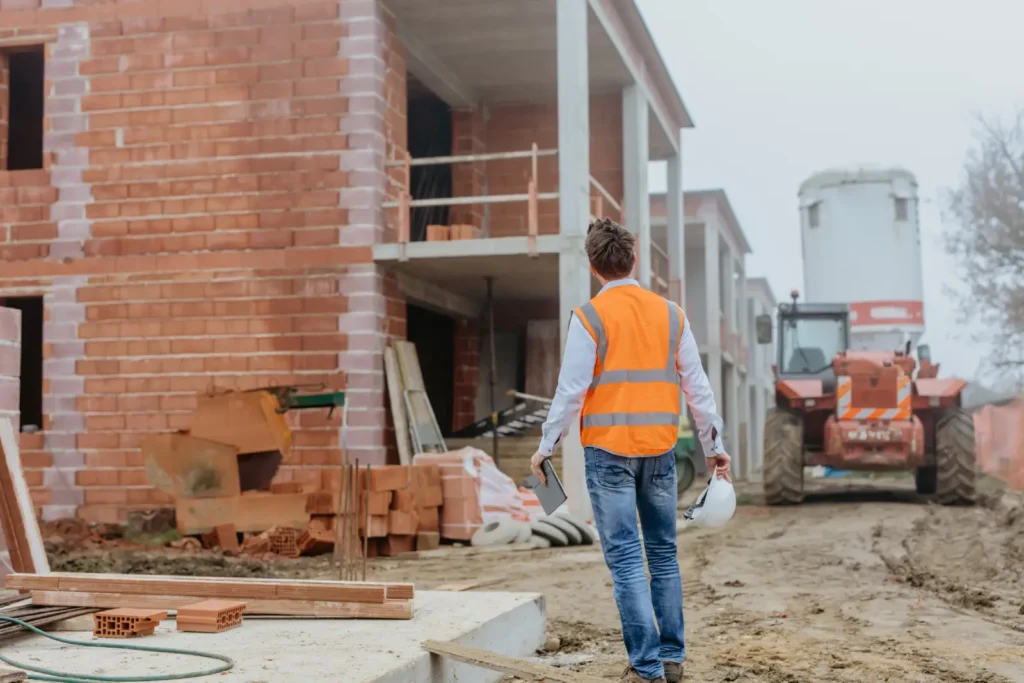
Who Needs a Pre-Construction Dilapidation Report?
Pre-construction dilapidation reports document existing property conditions before nearby construction activities commence. Learn who needs one and why.
Need a Professional Dilapidation Report?
Our licensed building inspectors prepare thorough dilapidation reports with detailed photographic evidence for properties across Australia.