
The Victorian Building Authority (VBA) is the statutory authority responsible for regulating the building, plumbing, and demolition industries in Victoria. Established on 1 July 2013 under the Building Act 1993, the VBA replaced the former Building Commission and was created to strengthen the regulation of building practitioners and improve consumer protection across the state.
Here is the key update for 2026. The VBA has been rolled into Victoria’s new Building and Plumbing Commission (BPC), which became the integrated regulator on 1 July 2025. The BPC now brings together regulation, dispute resolution, and domestic building insurance functions in one place.
For homeowners, builders, and anyone involved in the construction industry in Victoria, understanding the VBA's role, functions, and services is essential. The authority touches almost every aspect of building activity in the state, from the registration of practitioners to the investigation of complaints and the enforcement of building standards.
The VBA exists to protect Victorians by ensuring that building and plumbing work is carried out safely, competently, and in accordance with the law. Its regulatory framework aims to prevent building defects, protect consumers, and maintain public confidence in the building industry.
What is Victorian Building Authority (VBA) and What Do They Do?
The Victorian Building Authority (VBA) was Victoria’s building and plumbing regulator for many years. It handled core functions such as practitioner registration, compliance activity, and enforcement in the building system. The current Owner Inspections article correctly notes the VBA’s historical role and 2013 establishment, but it now needs a 2026 update to reflect the new regulator.
In practical terms, when people still say “VBA”, they usually mean one of these tasks:
- Checking if a builder or plumber is registered
- Understanding complaints and disciplinary action
- Finding dispute resolution options
- Checking domestic building insurance information
- Looking for building and plumbing guidance
Those functions still exist, but they are now delivered through the BPC and related Victoria government consumer/building portals.
What Does the Building and Plumbing Commission (BPC) Do Now?
The BPC is Victoria’s new regulator for building and plumbing. It combines the functions of the VBA, DBDRV and the domestic building insurance function of the VMIA.
According to the BPC, they:
- Registers and licenses builders and plumbers
- Inspects and audits building and plumbing work
- Provides free dispute resolution services
- Manages and audits domestic building insurance for residential work over $16,000
- Enforces compliance through rectification orders, disciplinary action and prosecutions where required.
Explore Our All Inspection Options
Establishment and Legislative Framework of VBA and BPC
The legal framework behind Victoria’s building regulator can be confusing because both VBA and BPC appear in current materials. In 2026, the public-facing regulator is the Building and Plumbing Commission (BPC), while Victorian legislation and older documents may still refer to the Victorian Building Authority (VBA) or simply the Authority.
How the VBA was established
The Victorian Building Authority (VBA) was established through the Building and Planning Legislation Amendment (Governance and Other Matters) Act 2013.
This reform amended the Building Act 1993 and introduced the legislative structure for the VBA, including:
- The establishment of the Authority
- Governance arrangements
- Board provisions
- Financial and administrative provisions linked to the regulator
The reform took effect on 1 July 2013, which is the key commencement date used in many legal and industry references.
VBA’s place in the Building Act 1993
The VBA’s legal foundation sits within the Building Act 1993, especially the provisions in Part 12 dealing with the regulator and its governance.
This matters because:
- Legislation may still use the statutory name Victorian Building Authority
- Legal provisions often refer to the Authority
- Tribunal matters, historical documents, and older compliance records may continue to use VBA terminology
For owners, buyers, and practitioners, this means the use of “VBA” in legislation does not necessarily mean the information is out of date. It often reflects the legal wording used in the Act.
Transitional arrangements when VBA replaced earlier bodies
When the VBA was created, it took over functions from earlier regulatory bodies, including the Building Commission and the Plumbing Industry Commission.
Transitional and savings provisions were used to manage the change so that:
- Ongoing matters could continue without restarting processes
- Existing records, rights, and obligations could be transferred
- References in documents to the earlier bodies could be treated as references to the VBA where required
This type of transition is common in government reform and helps maintain legal continuity.
How the BPC was established
The Building and Plumbing Commission (BPC) was introduced as part of Victoria’s building reform programme under the Building Legislation Amendment (Buyer Protections) Act 2025.
The BPC commenced as the integrated regulator on 1 July 2025.
The reform brought together key functions that had previously sat across multiple entities, including:
- Building and plumbing regulation (previously associated with the VBA)
- Domestic building dispute resolution functions
- Domestic building insurance functions that had been managed through the VMIA framework
This created a more integrated regulatory model for consumers and industry participants.
Why Legislation May Still Refer to VBA While the Public Uses BPC
A common source of confusion is that the legal and operational names do not always appear the same way in every source.
In practice:
- BPC is the current public-facing name used for services, consumer guidance, and regulator communications
- VBA may still appear in legislation, transitional provisions, and formal legal references
- Some official materials and website notices identify the regulator as the Victorian Building Authority trading as the Building and Plumbing Commission
This means both names can appear in valid and current sources, depending on the context.
The legislative framework in 2026
The main legal framework for building regulation in Victoria still centres on the Building Act 1993 and related regulations.
Key instruments include:
- Building Act 1993
- Building Regulations 2018
- Plumbing Regulations 2018
These laws work with the National Construction Code and related standards to set the rules for:
- Permits
- Compliance
- Practitioner obligations
- Inspections and enforcement
- Building and plumbing work standards in Victoria
In 2026, the BPC manages the regulator role within this framework, including registration, compliance, dispute resolution, and domestic building insurance administration.
What this means for owners, buyers, and renovators
For everyday users, the most important point is to read the source in context.
You may see:
- VBA in legislation, legal documents, or historical references
- BPC on current government service pages, complaint pathways, practitioner searches, and consumer guidance
Both names can relate to the same regulatory system, but the BPC is the name most people will use when accessing current services in Victoria.
Building a New Home?
VBA and BPC at a Glance
| Topic | VBA | BPC |
|---|---|---|
| Full name | Victorian Building Authority | Building and Plumbing Commission |
| Establishment pathway | Created by 2013 legislative amendments | Introduced under 2025 buyer protection reforms |
| Key commencement date | 1 July 2013 | 1 July 2025 |
| Main role | Building and plumbing regulator under the Building Act framework | Integrated regulator for building, plumbing, dispute resolution and domestic building insurance functions |
| How it appears in 2026 | Common legal and legacy reference | Current public-facing regulator name |
How to Check a Registered Builder in Victoria?
Consumer Affairs Victoria now tells consumers to use the BPC’s Practitioner Search to check if a builder is registered, and also points users to the disciplinary register when deciding who to engage.
Step by step: check a builder before signing
1. Use the BPC Practitioner Search: Search the builder’s name and confirm they are currently registered.
2. Match the legal name and business details: Make sure the name on the quote/contract matches the registered practitioner or entity details.
3. Check registration class and scope: Confirm they are registered for the type of domestic building work you need.
4. Check disciplinary history: Consumer Affairs Victoria specifically notes that the disciplinary register may help when choosing a builder.
5. Check domestic building insurance (DBI) position where relevant: For insurable domestic work, use BPC’s builder and policy check tools. BPC provides a builder search and policy verification pathway.
6. Keep copies before you pay a deposit: Save screenshots, quotes, registration results and insurance documents in one folder.
Important
Important registration rule many owners miss: Consumer Affairs Victoria states that a person must be registered to perform domestic building work over $10,000, and also for some permit-related work regardless of project value.
Who Handles What in Victoria Now? (BPC, DBDRV, VCAT, CAV)
| Need help with | Best place to start | What they do |
|---|---|---|
| Check if a builder is registered | BPC Practitioner Search | Verify registration status and help assess who to engage |
| Disciplinary history | Disciplinary history | See disciplinary information that may affect your decision |
| Domestic building dispute (owner and builder) | BPC dispute resolution / DBDRV pathway | Free dispute resolution and conciliation process for eligible domestic building disputes |
| Tribunal orders, compensation, hearings | VCAT | Hears building disputes and reviews certain decisions; many domestic matters require DBDRV first |
| General consumer guidance | Consumer Affairs Victoria | Consumer rights, checklists, building and renovating guidance |
Core Functions of the VBA
The VBA performs a range of functions that collectively ensure the building and plumbing industries in Victoria operate to the required standards.
Registrations and Licensing
One of the VBA's primary functions is the registration and licensing of building practitioners across Victoria. This includes:
- Building surveyors who assess building plans, issue building permits, and inspect work during construction
- Builders including domestic builders and commercial builders at various registration categories
- Building inspectors who carry out inspections of building work
- Plumbers and drainers who perform plumbing, drainage, gasfitting, and roofing work
- Engineers who design structural and building services systems
- Draftspersons who prepare building plans and documentation
Registration with the VBA confirms that the practitioner has met the required qualifications, experience, and insurance standards. It also subjects them to ongoing regulatory oversight.
Certificates and Approvals
The VBA oversees the building permit and certificate system in Victoria. This includes:
- Building permits required before construction, renovation, or demolition work can commence
- Occupancy permits issued upon completion of building work confirming compliance with the building permit
- Compliance certificates for specific building work such as waterproofing and termite management
Technical Advice and Guidance
The VBA provides technical guidance to the building industry and the public on a range of building and plumbing matters. This includes practice notes, technical bulletins, and guidelines that assist practitioners and consumers in understanding their obligations under the Building Act and the National Construction Code.
Inspections and Audits
The VBA conducts inspections and audits of building work and practitioner conduct. These include:
- Proactive audits of building permits, building work, and building surveyor practices
- Targeted inspections based on risk assessments and complaint data
- Investigations into alleged non-compliant or defective building work
- Compliance audits of registered practitioners to verify ongoing eligibility
Risk-Based Inspection Strategy
The VBA employs a risk-based approach to its inspection and audit activities. Rather than attempting to inspect every building project in Victoria, the VBA focuses its resources on areas where the risk of non-compliance and consumer harm is greatest.
This risk-based strategy considers factors such as:
- The type and complexity of building work, with higher-risk projects receiving greater scrutiny
- The track record of the builder and building surveyor involved in the project
- Complaint history and patterns that indicate systemic issues with particular practitioners or practices
- Emerging risks identified through industry data analysis and intelligence gathering
The VBA's risk-based inspection strategy means that not every building project will be audited. Homeowners should not rely solely on VBA oversight to ensure the quality of their build. Engaging an independent building inspector provides an additional layer of protection.
Dispute Resolution and Consumer Protection
When things go wrong with building work in Victoria, there are several pathways for consumers to seek resolution. The VBA plays a role in some of these pathways, while others involve external bodies.
VBA Complaint Process
Consumers can lodge complaints with the VBA about registered practitioners who have carried out building or plumbing work that is alleged to be defective, non-compliant, or in breach of their professional obligations. The VBA investigates complaints and can take disciplinary action against practitioners, including issuing warnings, imposing conditions on registration, suspending registration, or cancelling registration.
VCAT (Victorian Civil and Administrative Tribunal)
For disputes between homeowners and builders that involve financial claims for defective work, incomplete work, or breach of contract, the Victorian Civil and Administrative Tribunal (VCAT) is the primary forum. VCAT can hear domestic building disputes and make binding orders including compensation, rectification orders, and costs.
Consumer Affairs Victoria (CAV)
Consumer Affairs Victoria provides general consumer protection services and can assist with complaints about unfair business practices, misleading conduct, and breaches of consumer law. CAV may also assist in mediating disputes between consumers and builders where the matter does not require tribunal proceedings.
Domestic Building Dispute Resolution Victoria (DBDRV)
Before a domestic building dispute can be lodged at VCAT, the parties are generally required to attempt resolution through the Domestic Building Dispute Resolution Victoria (DBDRV). This is a free government service that provides conciliation for domestic building disputes.
How to Engage with the VBA
The VBA offers several services and resources that homeowners, builders, and the general public can access.
Registration Verification
Before engaging any building practitioner, you can verify their registration status through the VBA's online practitioner register. This tool allows you to confirm that a builder, building surveyor, plumber, or other practitioner is currently registered and in good standing.
Lodging a Complaint
If you believe a registered practitioner has carried out defective or non-compliant work, you can lodge a complaint with the VBA through their online complaint form or by contacting them directly. The VBA will assess the complaint and determine whether an investigation is warranted.
Accessing Technical Guidance
The VBA publishes a range of technical resources including practice notes, guides, and fact sheets that are available on their website. These resources cover topics such as building permit requirements, waterproofing standards, energy efficiency compliance, and building surveyor obligations.
Public Enquiries
The VBA's public enquiries team can assist with general questions about building regulation, practitioner registration, building permits, and the complaints process. They can be contacted by phone or through the VBA website.
Interactive Online Tools
The VBA provides several interactive tools on its website, including:
- A practitioner register search to verify registration status and history
- A building permit activity search to check permit information for specific properties
- Online complaint and enquiry forms
- A fee calculator for registration and permit-related fees
Why Use VBA Licensed Professionals
Engaging VBA-registered professionals for your building project provides several important protections:
Using unregistered or unlicensed practitioners for building work is not only risky but may also be illegal under Victorian law. Work carried out by unregistered practitioners is not covered by statutory warranties and may not be covered by insurance if defects arise.
Book Your Inspection or Request a Quote Today
Frequently Asked Questions
What is the Victorian Building Authority?
The Victorian Building Authority (VBA) is the statutory authority responsible for regulating the building, plumbing, and demolition industries in Victoria. It was established on 1 July 2013 under the Building Act 1993 and is responsible for practitioner registration, compliance monitoring, inspections, investigations, and consumer protection.
How do I check if a builder is registered with the VBA?
You can verify a builder's registration status by using the VBA's online practitioner register available on their website at vba.vic.gov.au. The register allows you to search by name or registration number and shows the practitioner's current registration status, category, and any conditions on their registration.
What types of practitioners does the VBA register?
The VBA registers building surveyors, domestic and commercial builders, building inspectors, plumbers, drainers, gasfitters, roofing plumbers, engineers, and draftspersons. Each category has specific qualification and experience requirements that must be met before registration is granted.
How do I lodge a complaint with the VBA?
Complaints can be lodged through the VBA's online complaint form on their website or by contacting their public enquiries team directly. You will need to provide details of the building work, the registered practitioner involved, and the nature of the complaint. The VBA will assess the complaint and determine whether an investigation is appropriate.
What is the difference between the VBA and VCAT?
The VBA is the regulatory authority responsible for registering and overseeing building practitioners. VCAT (Victorian Civil and Administrative Tribunal) is a tribunal that hears and determines disputes, including domestic building disputes between homeowners and builders. The VBA can take disciplinary action against practitioners, while VCAT can make binding orders for compensation, rectification, and costs.
Do I need a building permit for renovations in Victoria?
Most building work in Victoria requires a building permit, including new constructions, extensions, renovations, and demolitions. Some minor works may be exempt. You should check with a registered building surveyor or the VBA to determine whether your specific project requires a permit.
What happens if a builder is found to have done defective work?
The VBA can investigate complaints about defective work by registered practitioners. If the investigation confirms the complaint, the VBA can take disciplinary action ranging from issuing warnings and imposing conditions on registration to suspending or cancelling the practitioner's registration. For financial compensation, the homeowner would need to pursue the matter through DBDRV and VCAT.
What is domestic building insurance in Victoria?
Domestic building insurance, also known as builders warranty insurance, is required for domestic building work valued at $16,000 or more in Victoria. It provides protection to the homeowner if the builder dies, disappears, or becomes insolvent and is unable to complete the work or rectify defects during the warranty period. The builder is responsible for obtaining this insurance before construction begins.
Can the VBA help with a dispute about building work?
The VBA can investigate complaints about practitioner conduct and take disciplinary action, but it does not resolve financial disputes between homeowners and builders. For financial disputes, you should first contact Domestic Building Dispute Resolution Victoria (DBDRV) for conciliation, and if that is unsuccessful, you can apply to VCAT for a hearing.
What is the VBA's role in building inspections?
The VBA conducts proactive audits and targeted inspections of building work and building surveyor practices as part of its regulatory oversight function. These inspections are risk-based and focus on areas where non-compliance is most likely to occur. The VBA does not conduct routine inspections of every building project, which is why independent building inspections are recommended for homeowners.
Is it illegal to use an unregistered builder in Victoria?
Under the Building Act 1993, domestic building work valued at more than $10,000 must be carried out by or under the supervision of a registered building practitioner. Using an unregistered builder for work above this threshold is a breach of the Act and can result in penalties. Additionally, work by unregistered builders is not covered by domestic building insurance or statutory warranties.
Key Takeaways
- The VBA was established on 1 July 2013 under the Building Act 1993 to regulate building and plumbing in Victoria
- Core functions include practitioner registration, building permits, technical guidance, inspections, and enforcement
- The VBA uses a risk-based inspection strategy focused on areas of highest non-compliance risk
- Dispute resolution pathways include the VBA complaints process, DBDRV conciliation, VCAT hearings, and Consumer Affairs Victoria
- Always verify a practitioner's VBA registration before engaging them for building work
- VBA registration provides consumer protections including insurance coverage, regulatory oversight, and complaints pathways
- The VBA's online tools allow you to search practitioner registrations, check building permit activity, and lodge complaints
References and Resources
Related Articles
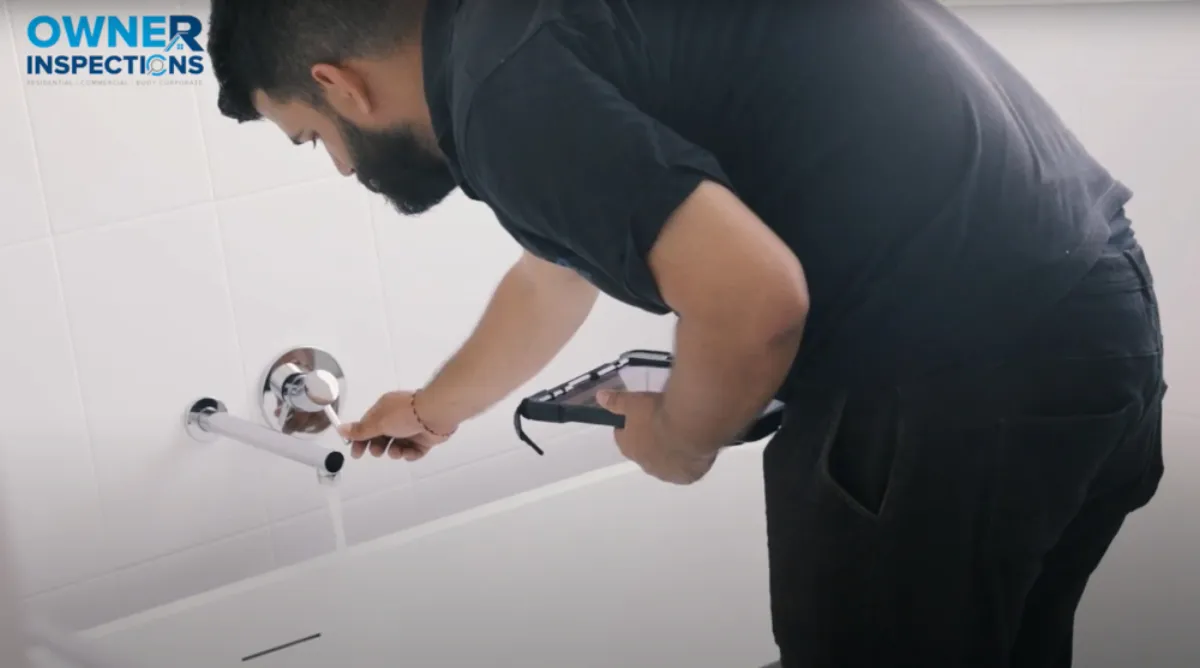
What Does a Building Inspector Do in Victoria?
Building inspectors in Victoria assess property safety, compliance, and construction quality. Learn about their qualifications, responsibilities, and when you need one.
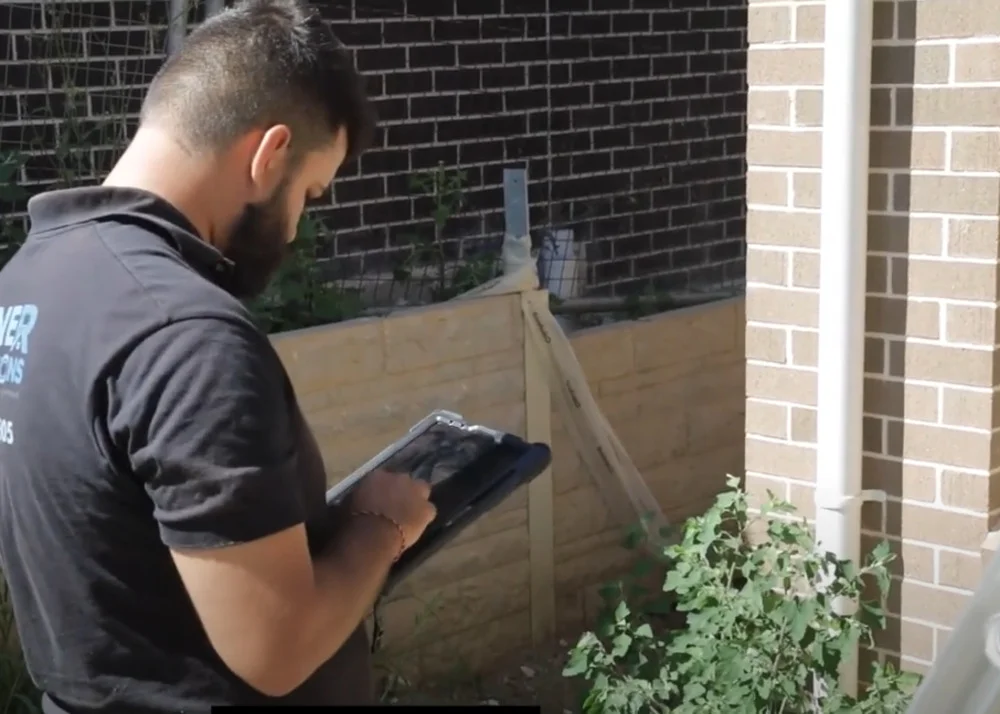
A Comprehensive Guide to House Inspections
House inspections are detailed professional assessments evaluating structural integrity, safety systems, and component functionality. Learn everything you need to know.
Building Inspection Stages: A Comprehensive Guide
Need a Licensed Building Inspector in Victoria?
Contact Owner Inspections for independent, licensed building inspections across Victoria. Our team delivers detailed reports to protect your property investment.