
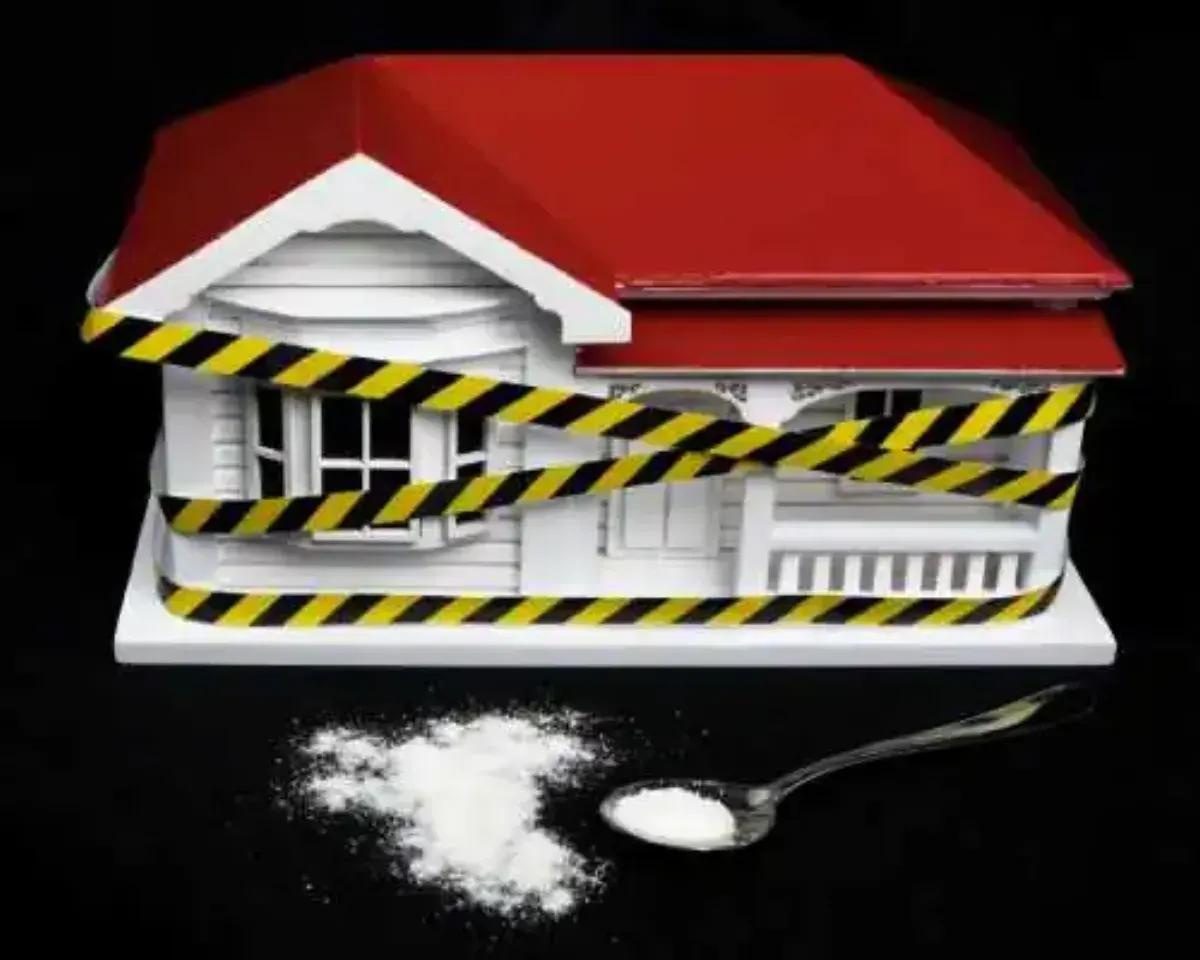
For property buyers, landlords, and tenants, understanding drug residue testing is essential for making informed decisions. This guide explains the health implications, the science behind testing, the process involved, how to interpret results, and the legal framework that applies in Australia.
Health Implications
Exposure to methamphetamine residues in a contaminated building can cause a range of health effects, particularly with prolonged exposure. Symptoms reported by occupants of contaminated properties include:
- Headaches, dizziness, and nausea
- Respiratory irritation and breathing difficulties
- Skin irritation and rashes
- Eye irritation
- Sleep disturbances and fatigue
Behavioural changes in children, who are more vulnerable due to lower body weight and greater surface contact
Properties where methamphetamine has been manufactured (as opposed to simply used) typically have higher contamination levels and may also contain residues from the precursor chemicals used in the manufacturing process, including volatile organic compounds, acids, and solvents.
Children are particularly vulnerable to drug residue exposure. Their lower body weight, tendency to touch surfaces and put hands in their mouths, and developing respiratory and neurological systems mean they can be affected by contamination levels that may not cause symptoms in adults.
Who Should Consider Testing
Drug residue testing is relevant for several groups:
- Property buyers who want to confirm a property is free from contamination before purchase
- Landlords who suspect drug activity by current or former tenants
- Tenants who experience unexplained health symptoms after moving in
- Property managers conducting due diligence between tenancies
- Real estate agents acting in the interests of buyers and sellers
- Insurance assessors investigating property damage claims
The Science Behind Testing
Drug residue testing in buildings relies on established analytical chemistry techniques to detect and quantify methamphetamine and other substances on surfaces and in materials.
Surface Sampling
The primary testing method involves collecting surface samples (swabs or wipes) from various locations throughout the property. A gauze pad moistened with a solvent is wiped across a measured area (typically 100 square centimetres) to collect any residues present on the surface.
Laboratory Analysis
Collected samples are sent to an accredited laboratory for analysis. Two principal methods are used:
Gas Chromatography-Mass Spectrometry (GC-MS): This is the gold standard for drug residue analysis. The sample is vaporised and passed through a column that separates different chemical compounds. Each compound is then identified by its mass spectrum, providing highly specific and quantitative results.
High-Performance Liquid Chromatography (HPLC): This method is used for compounds that are not suitable for gas chromatography. The sample is dissolved in a solvent and passed through a column under high pressure, separating compounds for identification and quantification.
Field Screening
Some testing providers offer field screening kits that provide preliminary results on site. These immunoassay-based tests can indicate the presence or absence of methamphetamine above a certain threshold but are less specific than laboratory analysis. Field screening is useful as a first step but should be confirmed with laboratory analysis for definitive results.
The Testing Process
Engagement and Planning
Contact a qualified drug residue testing provider. Discuss the property, the reason for testing, and the scope required. The provider will determine the number of samples needed based on the property size and layout. A standard residential property typically requires 6 to 12 samples.
Sample Collection
The testing technician attends the property and collects surface samples from predetermined locations. Sampling points are selected to represent different areas of the property including living areas, bedrooms, bathrooms, kitchens, and ventilation systems. High-risk areas such as bathrooms and kitchens (where manufacturing commonly occurs) may have additional samples taken.
Chain of Custody
Each sample is labelled, sealed, and documented with a chain of custody record. This documentation ensures the integrity of the samples from collection through to laboratory analysis and is important if results are needed for legal or insurance purposes.
Laboratory Analysis
Samples are submitted to an accredited laboratory (typically NATA-accredited in Australia) for analysis using GC-MS or HPLC methods. Laboratory analysis typically takes three to five business days.
Reporting
A comprehensive report is prepared detailing the results for each sample location, the levels detected (if any), and a comparison against the relevant guideline values. The report includes recommendations regarding the need for remediation.
Interpreting Results
Test results are reported as the concentration of methamphetamine per 100 square centimetres of surface area, expressed in micrograms (ug/100cm2).
| Level | Concentration | Interpretation |
|---|---|---|
| Negligible | Below 0.5 ug/100cm2 | Below the guideline value. No remediation required. |
| Moderate | 0.5 to 5.0 ug/100cm2 | Above the guideline value. Remediation recommended. Likely from heavy use. |
| High | Above 5.0 ug/100cm2 | Significant contamination. Remediation essential. May indicate manufacturing. |
The accepted guideline value in Australia is 0.5 micrograms per 100 square centimetres (0.5 ug/100cm2). This level was established based on health risk assessments and represents the threshold below which the risk to occupants is considered acceptably low.
Remediation
When contamination exceeds the guideline value, remediation is required to make the property safe for occupation.
Remediation Methods
- Surface cleaning using specialist chemical agents designed to break down methamphetamine residues
- Removal and replacement of porous materials such as carpets, underlay, curtains, and soft furnishings that have absorbed contaminants
- Sealing of contaminated surfaces with specialist encapsulating paints where removal is not practical
- Cleaning or replacement of ventilation and air conditioning systems
- In severe cases (typically former manufacturing sites), removal and replacement of plasterboard, insulation, and other building materials
Remediation Costs
Remediation costs vary significantly depending on the level and extent of contamination:
- Low-level contamination from use: $2,000 to $10,000
- Moderate contamination: $10,000 to $30,000
Former manufacturing sites: $30,000 to $100,000 or more, and in some cases the property may be deemed uneconomical to remediate
Validation Testing
After remediation is completed, validation testing must be conducted to confirm that contamination levels have been reduced below the guideline value. This involves collecting new surface samples from the same locations and submitting them for laboratory analysis. A clearance report is issued once all areas are confirmed to be below the 0.5 ug/100cm2 threshold.
Legal Framework
The legal framework around drug residue contamination in Australian buildings is still developing, but several key principles and guidelines apply.
Australian Guidelines
The key reference document is the guideline established by the Clandestine Drug Laboratory Remediation Guidelines, which sets the 0.5 ug/100cm2 threshold for methamphetamine on surfaces. This guideline has been adopted as the accepted standard across Australian states and territories.
Disclosure Obligations
- In most Australian jurisdictions, sellers and agents have a general obligation to disclose known material facts about a property, which includes known contamination
- Failure to disclose known drug contamination can expose sellers and agents to legal liability
- Some states have specific legislative provisions regarding contaminated properties
Landlord and Tenant Obligations
- Landlords have a duty to provide premises that are fit for habitation, which includes being free from harmful contamination
- Tenants who cause contamination through drug use or manufacturing may be held liable for remediation costs
- Landlord insurance may cover some remediation costs, depending on the policy terms
Insurance Considerations
- Some insurance policies exclude drug contamination or classify it as a tenant-caused event
- Specialist landlord insurance products may include drug contamination cover
- It is important to review policy terms and confirm coverage before relying on insurance for remediation costs
Frequently Asked Questions
What is the safe level of methamphetamine residue in a building?
The accepted guideline value in Australia is 0.5 micrograms per 100 square centimetres (0.5 ug/100cm2). Properties testing below this level are considered safe for occupation without remediation.
How much does drug residue testing cost?
Testing costs typically range from $300 to $800 for a standard residential property, depending on the number of samples required and the laboratory analysis method used. Larger properties or those requiring more extensive sampling will cost more.
Can you smell methamphetamine contamination?
In some cases, a chemical or ammonia-like odour may be present in heavily contaminated properties, particularly former manufacturing sites. However, many contaminated properties have no noticeable odour, which is why laboratory testing is the only reliable way to determine contamination levels.
How long do drug residues last on surfaces?
Methamphetamine residues are stable on surfaces and can persist for years without degrading significantly. Normal cleaning methods such as household detergents and standard paints do not effectively remove or seal methamphetamine residues. Specialist remediation is required.
Should I get drug residue testing before buying a property?
Drug residue testing is recommended when there are concerns about the property's history, when the property shows signs of neglect, or when it has been a rental property in an area with known drug activity. It provides peace of mind and protects against the cost of unexpected remediation.
Can drug residue contamination affect property value?
Yes. Properties with known contamination or a history of drug manufacturing can experience significant value reductions. Even after successful remediation and clearance testing, disclosure of the property's history may affect buyer perception and value.
Is drug residue testing included in a standard building inspection?
No. Drug residue testing is a specialist service that is separate from a standard building inspection. It requires specific sampling equipment and accredited laboratory analysis. It can be arranged as an additional service alongside a building inspection.
What are the signs that a property may be contaminated?
Potential indicators include chemical staining on surfaces, unusual modifications to ventilation or plumbing, strong chemical or ammonia odours, excessive security features, burn marks or chemical damage to benchtops and surfaces, and yellowed or discoloured walls. However, contamination is not always visible, which is why testing is important.
Can painting over contaminated surfaces make them safe?
Standard household paints do not effectively seal methamphetamine residues. Specialist encapsulating products are required. Even with encapsulation, validation testing must confirm that surface levels are below the guideline value. For porous materials, removal and replacement is usually more effective.
Who is qualified to conduct drug residue testing?
Drug residue testing should be conducted by a qualified and experienced provider who uses NATA-accredited laboratories for analysis. Look for providers with specific training in clandestine drug laboratory assessment, proper chain of custody procedures, and experience preparing reports suitable for legal and insurance purposes.
Key Takeaways
- Drug residue contamination, primarily from methamphetamine, is a recognised health and property risk in Australia
- The accepted guideline value is 0.5 micrograms per 100 square centimetres of surface area
- GC-MS is the gold standard laboratory method for identifying and quantifying drug residues
- Testing typically involves 6 to 12 surface samples collected from throughout the property
- Remediation costs range from $2,000 for minor contamination to over $100,000 for former manufacturing sites
- Sellers and agents have disclosure obligations regarding known contamination
- Standard building inspections and household cleaning do not detect or remove drug residues
- Validation testing after remediation is essential to confirm the property is safe for occupation
References and Resources
Related Articles
What Does a Building Inspection Cover?
Building inspections serve as a critical investment safeguard, examining structural integrity, electrical systems, plumbing, and more before property purchase.
Pre-Purchase Inspection Checklist for Buyers
A pre-purchase inspection checklist helps buyers assess property condition before committing. Covers structural, electrical, plumbing, roofing, and pest checks.
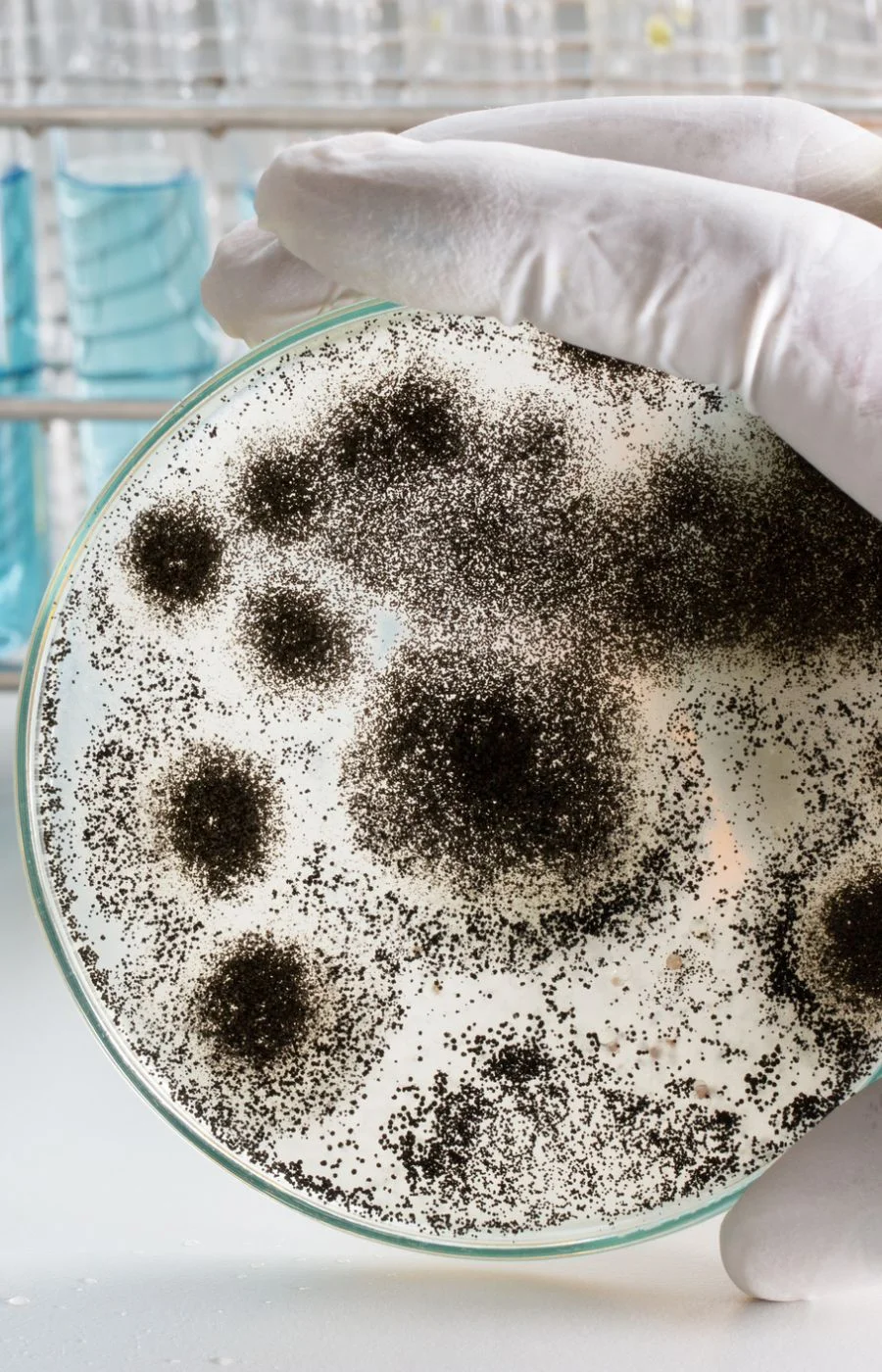
Mould Inspection Guide
Mould inspections identify growth locations and moisture sources within properties. Protect your property and health with comprehensive mould assessments.
Concerned About Drug Residue Contamination?
Our team can arrange specialist drug residue testing for properties across Australia. Protect your health and your investment with professional testing.