
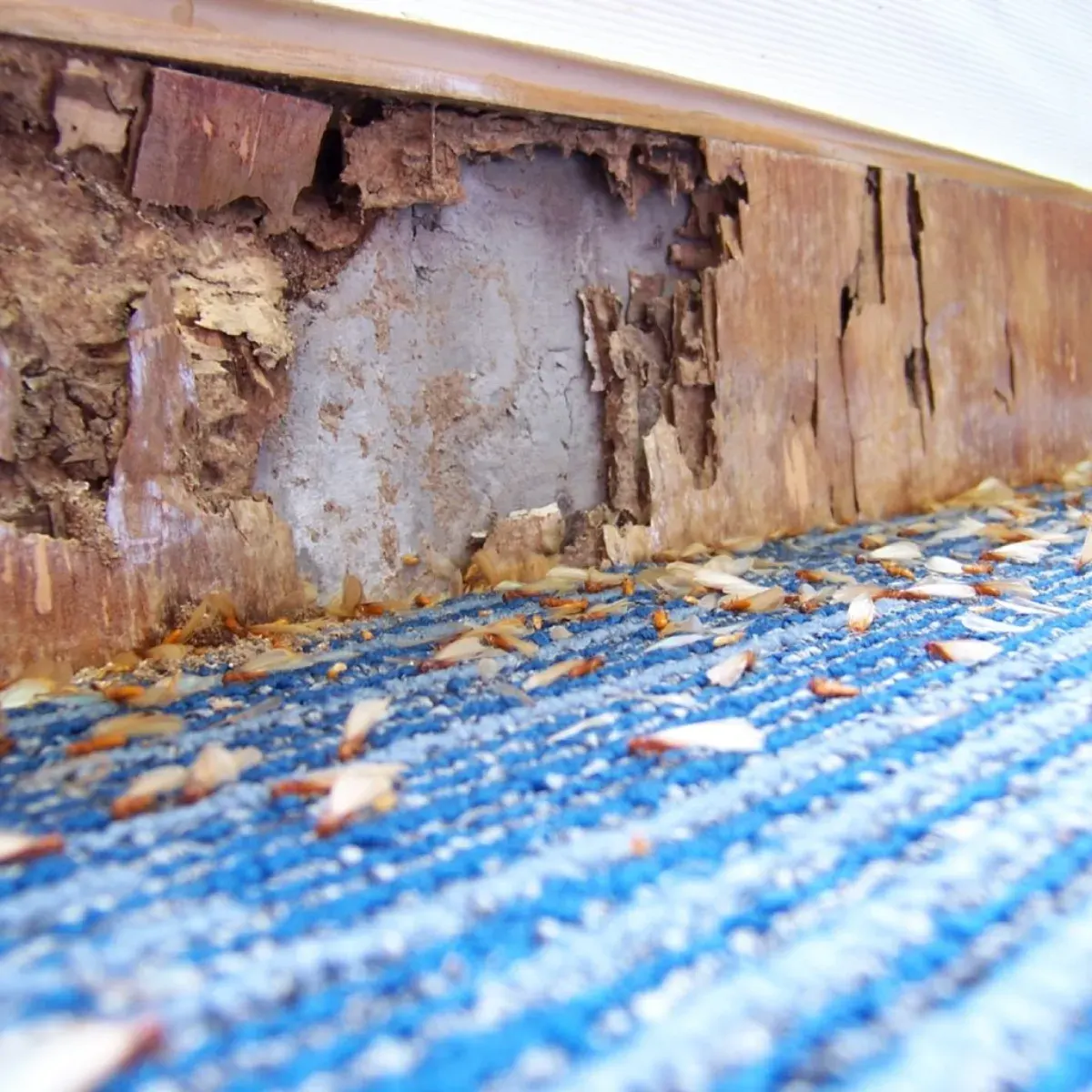
The Gold Coast sits within one of Australia's highest termite risk zones as classified by the CSIRO. The combination of consistent warmth, high soil moisture, and established vegetation creates conditions where termite colonies thrive and expand aggressively into residential structures. Timber-framed homes, homes with poor drainage, and properties with garden beds or mulch against external walls are particularly vulnerable.
This guide covers how to identify the three most common timber pests found in Gold Coast homes, the warning signs to watch for, proven prevention strategies, QBCC-approved treatment systems, and when to call a licensed pest inspector.
The Three Main Timber Pests in Gold Coast Homes
Understanding the differences between the three primary timber pests is the first step towards protecting your property. Each pest operates differently, targets different timber types, and leaves distinct evidence of its presence.
Termites
Termites are the most destructive timber pest in Australia. They live in large underground colonies that can contain hundreds of thousands to millions of individuals. Worker termites travel through concealed mud tubes to reach timber food sources, where they consume wood from the inside out. A mature colony can cause serious structural damage within three to six months of establishing a feeding site, all without any visible signs on the timber surface.
In Queensland, subterranean termites are the most common species affecting residential properties. Species such as Coptotermes acinaciformis and Schedorhinotermes intermedius are responsible for the majority of structural damage to Gold Coast homes.
Wood Borers
Wood borers are beetles that lay their eggs on or just beneath the surface of timber. The larvae that hatch from these eggs tunnel into the wood as they feed and grow, spending months or even years inside the timber before emerging as adults. The most common species affecting Gold Coast homes include the Queensland pine beetle, powderpost beetles, and furniture beetles.
Unlike termites, wood borers tend to target specific timber types. Powderpost beetles prefer hardwoods with high starch content, while furniture beetles are more commonly found in softwoods and plywood. The damage from borers is generally slower and less catastrophic than termite damage, but left untreated it can weaken structural members over time.
Carpenter Ants
Carpenter ants are large black ants that carve tunnels and chambers inside timber to create their nesting galleries. Unlike termites, carpenter ants do not eat wood. They excavate it and push the waste material out of the nest, leaving distinctive piles of sawdust-like frass near their entry points.
Carpenter ants prefer timber that is already damp or partially decayed. They are commonly found in areas where moisture problems exist, such as around leaking pipes, poorly ventilated subfloor areas, and window frames with failed seals. While their damage is typically less extensive than termite damage, a large colony can compromise timber framing and structural elements if left unchecked.
How to Identify Timber Pest Activity
Early detection is the single most effective way to limit timber pest damage. Each pest type leaves characteristic signs that homeowners and inspectors look for during assessments.
Signs of Termite Activity
- Mud tubes running along foundation walls, piers, or internal wall surfaces
- Swarms of winged termites (alates) around the property, particularly after rain in warmer months
- Hollow-sounding timber when tapped with a solid object
- Bubbling or distorted paint on timber surfaces
- Sagging floors, doors that stick, or windows that no longer close properly
- Discarded wings near windowsills, doors, or light fittings
Signs of Wood Borer Activity
- Small round exit holes (1 mm to 3 mm diameter) in timber surfaces
- Fine powdery dust (frass) beneath or around timber members
- Weakened or crumbling timber, particularly in older hardwood flooring or furniture
- Adult beetles emerging from timber, most commonly in spring and summer
Signs of Carpenter Ant Activity
- Trails of coarse sawdust-like frass near timber structures
- Large black ants (10 mm to 15 mm long) moving in defined trails, particularly at night
- Rustling or scratching sounds inside walls or ceilings
- Smooth, clean tunnels inside damaged timber (distinct from the rough tunnels made by termites)
Comparison of Common Timber Pests
| Feature | Termites | Wood Borers | Carpenter Ants |
|---|---|---|---|
| Eats timber | Yes | Yes (larvae stage) | No (excavates only) |
| Colony size | 100,000 to millions | Individual insects | Up to 10,000 |
| Damage speed | Fast (months) | Slow (years) | Moderate |
| Preferred timber | Most softwoods and hardwoods | Species-specific | Damp or decayed timber |
| Key evidence | Mud tubes, hollow timber | Exit holes, fine dust | Sawdust piles, large black ants |
| Risk to structure | High | Low to moderate | Moderate |
| Moisture requirement | High | Moderate | High |
Prevention Strategies
Prevention is always more cost-effective than treatment. The strategies below are specific to Gold Coast conditions and align with QBCC recommendations for timber pest management in Queensland.
Preventing Termite Infestation
Install a chemical or physical barrier system
All new builds in Queensland must include a termite management system compliant with AS 3660.1-2014. For existing homes, a licensed pest controller can install a chemical soil barrier around the perimeter. These barriers use termiticides approved by the Australian Pesticides and Veterinary Medicines Authority (APVMA).
Schedule annual inspections
Australian Standard AS 3660.2 recommends annual timber pest inspections for all properties, regardless of whether a barrier system is in place. In high-risk areas like the Gold Coast, some pest professionals recommend inspections every six months. Read our guide on termite inspection expectations and preparations for more detail.
Apply resistant coatings and treatments
Exposed timber can be treated with preservative coatings that make it less attractive to termites. Timber species with natural resistance, such as ironbark, spotted gum, and cypress pine, should be considered for subfloor framing and external applications.
Reduce moisture around the home
Fix leaking taps, downpipes, and air conditioning units promptly. Ensure garden beds slope away from the house and avoid storing timber, firewood, or cardboard against external walls.
Preventing Wood Borer Infestation
- Use hardwood species with low starch content for structural timber where possible
- Seal all timber surfaces with paint, varnish, or preservative to prevent beetles from laying eggs
- Inspect second-hand furniture and timber before bringing it into the home
- Maintain good ventilation in subfloor areas and roof spaces to reduce moisture levels
Preventing Carpenter Ant Infestation
- Eliminate moisture sources by fixing leaks, improving drainage, and increasing ventilation
- Seal entry points around pipes, cables, and cracks in the building envelope
- Remove dead trees, stumps, and decayed timber from the property
- Trim vegetation away from the building to reduce sheltered access points
QBCC-Approved Termite Management Systems
The Queensland Building and Construction Commission (QBCC) requires all new residential buildings to include a termite management system in accordance with AS 3660.1-2014. The following systems are approved for use in Queensland.
| System Type | Description | Standard |
|---|---|---|
| Chemical soil barrier | Termiticide applied to soil around and beneath the building | AS 3660.1-2014 |
| Physical barrier (ant caps) | Metal shields installed on piers and stumps to force termites into the open | AS 3660.1-2014 |
| Graded stone barrier | Granite particles sized to prevent termite passage through gaps | AS 3660.1-2014 |
| Stainless steel mesh | Woven mesh installed at potential entry points in the slab and foundation | AS 3660.1-2014 |
| Concrete slab | Properly constructed slab with sealed penetrations and expansion joints | AS 2870-2011, AS 3600-2018 |
Each system has specific installation requirements and ongoing maintenance obligations. Chemical barriers require reapplication every five to eight years depending on the product used. Physical barriers require annual visual inspections to confirm they have not been breached or bridged by garden beds, pavers, or soil build-up.
For a deeper look at how termite damage affects property values and repair costs, see our article on the economic cost of termite infestation.
Treatment Options: DIY vs Professional
When timber pest activity is confirmed, homeowners face a choice between DIY treatment and professional pest control services. The table below outlines the key differences.
| Factor | DIY Treatment | Professional Treatment |
|---|---|---|
| Cost | $50 to $300 per product | $500 to $5,000+ depending on scope |
| Effectiveness | Limited, surface-level only | Targets colony or infestation source |
| Methods | Liquid insecticides, baits, timber preservatives | Fumigation, spot treatment, monitoring stations |
| Risk | May not reach colony, incorrect application | Licensed technicians, regulated products |
| Warranty | None | Typically 5 to 10 years with annual inspections |
| Suitable for | Minor borer activity, ant deterrence | Active termite infestations, structural damage |
DIY treatments are not recommended for active termite infestations. Disturbing a termite colony without professional guidance can cause the colony to relocate to a new area of the home, making the problem worse. Always engage a licensed pest controller for confirmed termite activity.
Professional Treatment Methods
Professional pest controllers licensed by the QBCC use a range of treatment methods depending on the pest species and the extent of the infestation.
Termite treatments include chemical soil barriers, above-ground baiting systems, and in-ground monitoring and baiting stations. Baiting systems work by providing a slow-acting toxicant that worker termites carry back to the colony, eventually eliminating the entire colony over several weeks.
Wood borer treatments include surface application of timber preservatives, injection of insecticides into flight holes, and fumigation for severe infestations. Fumigation involves sealing the affected area and introducing a gas that penetrates the timber to kill larvae within.
Carpenter ant treatments include dust application into nest galleries, perimeter spraying with residual insecticides, and bait systems placed along ant trails. Removing the moisture source that attracted the ants is a required part of any effective treatment plan.
Timber Pest Inspection Costs on the Gold Coast
A standalone timber pest inspection on the Gold Coast typically costs between $200 and $500 depending on the size of the property, the accessibility of subfloor and roof spaces, and whether thermal imaging is included. Owner Inspections offers a timber pest inspection as an add-on, quoted with the booking, when booked alongside a building and pest inspection.
A pest inspection conducted to AS 4349.3 includes a visual assessment of all accessible areas of the property, identification of any active pest activity or damage, assessment of conditions conducive to pest infestation, and recommendations for treatment or further investigation. Inspectors use tools including thermal imaging cameras, moisture meters, and sounding devices to detect concealed activity.
For more information on what to expect during a termite inspection, read our guide on termite inspections: how to protect your home.
Frequently Asked Questions
How often should I get a timber pest inspection on the Gold Coast?
Annual inspections are recommended as a minimum for all Gold Coast properties, in line with Australian Standard AS 3660.2.
The Gold Coast falls within a high termite risk zone as classified by the CSIRO. Properties with known termite history, older homes without modern barrier systems, and homes surrounded by established gardens or bushland may benefit from inspections every six months. Annual inspections are the standard recommendation from both the QBCC and the pest management industry for properties with current barrier systems in place.
Does home insurance cover termite damage in Australia?
Most standard home insurance policies in Australia do not cover damage caused by termites or other timber pests.
Insurance companies classify termite damage as a maintenance issue rather than a sudden or accidental event. This means homeowners are responsible for the full cost of repairs, which can range from a few thousand dollars for localised damage to over $100,000 for severe structural compromise. This exclusion makes regular pest inspections and preventive barrier systems particularly important as the primary form of financial protection against timber pest damage.
What tools do pest inspectors use to detect termites?
Licensed pest inspectors use thermal imaging cameras, moisture meters, and sounding devices as their primary detection tools.
Thermal imaging cameras detect temperature variations in walls, floors, and ceilings that may indicate termite activity or moisture accumulation. Moisture meters identify elevated moisture levels in timber, which can signal both termite presence and conditions favourable to infestation. Sounding devices and tapping tools help identify hollow timber that appears intact on the surface. Some inspectors also use radar detection systems for high-risk or difficult-to-access areas. These tools allow inspectors to detect activity that is not visible to the naked eye.
How long does a timber pest inspection take?
A thorough timber pest inspection on a standard residential property takes between one and two hours.
The duration depends on the size of the home, the number of buildings on the property, and the accessibility of subfloor spaces, roof voids, and external areas. Larger properties, homes with complex layouts, or properties with significant vegetation may take longer. The inspector needs to assess all accessible timber elements including framing, flooring, door frames, window frames, fencing, retaining walls, and any outbuildings such as sheds or garages.
How much does a pest inspection cost on the Gold Coast?
A standalone timber pest inspection on the Gold Coast costs between $200 and $500. Owner Inspections offers a pest inspection as an add-on, quoted with the booking, when bundled with a building inspection.
The cost varies based on the property size, location, and the level of detail required. Combined building and pest inspections provide better value than booking each service separately. The inspection follows AS 4349.3 and includes a written report with findings, photographs, and recommendations for any treatment or further investigation needed.
Is a timber pest inspection safe for pets?
Yes. A timber pest inspection is a non-invasive visual assessment and does not involve the use of any chemicals or treatments.
The inspection itself poses no risk to pets, children, or occupants. The inspector walks through the property using handheld detection tools and does not apply any substances. If treatment is subsequently recommended and carried out by a pest controller, the pest controller will advise on any precautions needed for pets during and after the treatment application.
How should I prepare my home for a pest inspection?
Clear access to all internal walls, subfloor entry points, roof access hatches, and the full perimeter of the building.
Move stored items away from walls in garages, laundries, and storage areas. Ensure the subfloor access point is not blocked by furniture or heavy items. Trim vegetation away from external walls so the inspector can walk the full perimeter. Unlock any gates, sheds, or outbuildings that need to be inspected. If you have a known area of concern, let the inspector know before the inspection begins so they can give it particular attention.
When will I receive the pest inspection report?
Most inspection providers deliver the written report within 24 hours of the inspection.
Owner Inspections provides detailed reports with colour photographs, annotated diagrams where relevant, and clear recommendations. The report identifies any active pest activity, evidence of past damage, and conditions around the property that may increase pest risk. If urgent issues are found during the inspection, the inspector will communicate these findings on site immediately so the homeowner or buyer can take prompt action.
Can termites return after professional treatment?
Yes. Termites can return after treatment if the conditions that attracted them remain or if the barrier system is compromised.
Professional treatment eliminates the active colony or infestation, but it does not make the property permanently immune. Chemical barriers degrade over time and require reapplication every five to eight years. Physical barriers can be bridged by landscaping changes, soil build-up, or construction work. Ongoing annual inspections are the best way to detect any new activity early and maintain effective protection over the long term.
Are timber pests more active in certain seasons on the Gold Coast?
Timber pest activity on the Gold Coast occurs year-round, but peaks during the warmer, wetter months from October to March.
Termite swarms (reproductive flights) are most commonly observed in spring and early summer, often triggered by humid conditions following rain. Wood borer adults typically emerge in spring and summer to mate and lay eggs. Carpenter ants are active throughout the year in subtropical climates but are most visible during warmer months when foraging activity increases. The year-round warmth of the Gold Coast means that timber pest risk never drops to zero, which is why annual inspections are considered a minimum standard for the region.
What is the difference between a timber pest inspection and a full building inspection?
A timber pest inspection focuses specifically on identifying pest activity, pest damage, and conditions conducive to timber pest infestation. A building inspection assesses the overall condition of the property including structural elements, roofing, plumbing, electrical, and internal fitout.
The two inspections complement each other and are often booked together as a combined building and pest inspection. The timber pest inspection follows AS 4349.3, while the building inspection follows AS 4349.1. Booking both inspections together provides a comprehensive assessment of the property and is the recommended approach for pre-purchase assessments. Our guide on what is involved in a building and pest inspection covers this in more detail.
Key Takeaways
Key Takeaways
- Termites, wood borers, and carpenter ants are the three main timber pests affecting Gold Coast homes, with termites responsible for the most severe structural damage
- Between 130,000 and 180,000 Australian homes are damaged by termites each year, costing over $1.5 billion annually
- Gold Coast properties face year-round timber pest risk due to the subtropical climate, with peak activity from October to March
- All new Queensland homes must include a QBCC-approved termite management system compliant with AS 3660.1-2014
- Annual timber pest inspections are the minimum recommendation for Gold Coast properties, with six-monthly inspections advised for high-risk homes
- Most Australian home insurance policies do not cover termite damage, making prevention and early detection the primary financial safeguard
- DIY treatments are not suitable for active termite infestations and professional pest control should always be engaged
- A standalone pest inspection costs between $200 and $500 on the Gold Coast, or as an add-on with a building inspection from Owner Inspections, quoted with the booking
References and Resources
- CSIRO Termite Risk Map of Australia
- Australian Standard AS 3660.1-2014: Termite Management (New Building Work)
- Australian Standard AS 4349.3: Inspection of Buildings - Timber Pest Inspections
- QBCC Termite Management Systems
- Australian Pesticides and Veterinary Medicines Authority (APVMA)
- Queensland Building and Construction Commission Act 1991
Related Articles
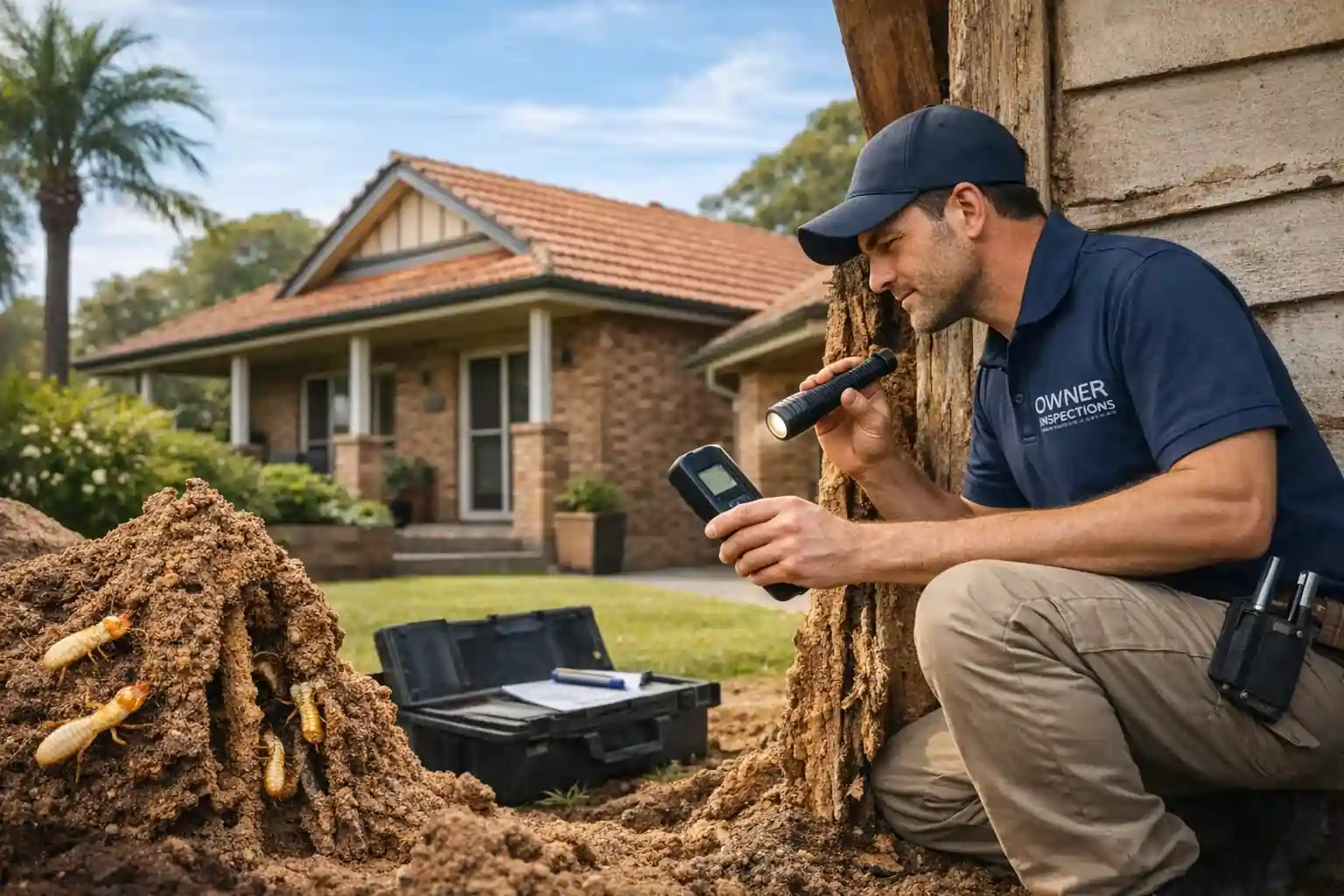
Termite Inspection: How to Protect Your Home
Termites cause approximately $1.5 billion in damage to Australian properties annually. Learn how professional termite inspections can protect your home and investment.
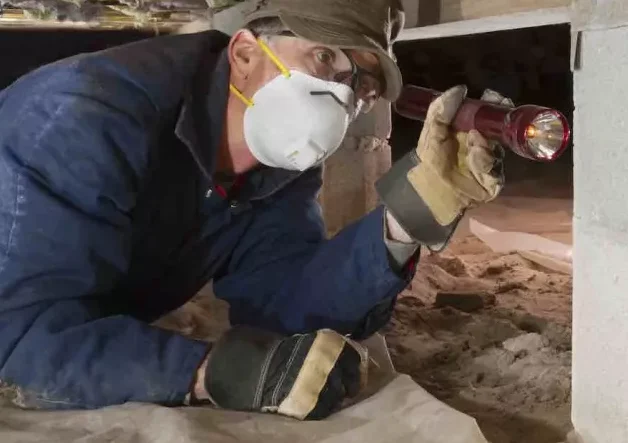
Termite Inspections: Expectations and Preparations
Termite damage can be catastrophic for properties. Learn what to expect during a termite inspection and how to prepare your property.
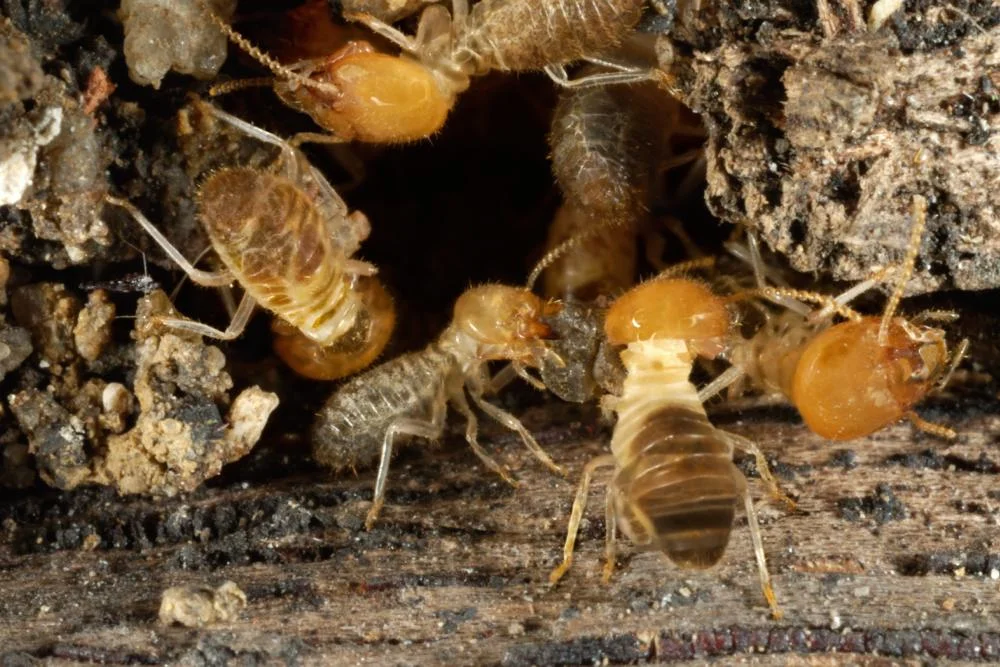
The Economic Cost of Termite Infestation
Termites cause billions of dollars in damage to Australian properties each year. Learn about repair costs, treatment expenses, and preventive measures.
Protect Your Gold Coast Home from Timber Pests
Book a building and pest inspection with Owner Inspections to identify termite activity, wood borers, and other timber pests before they cause costly structural damage.