
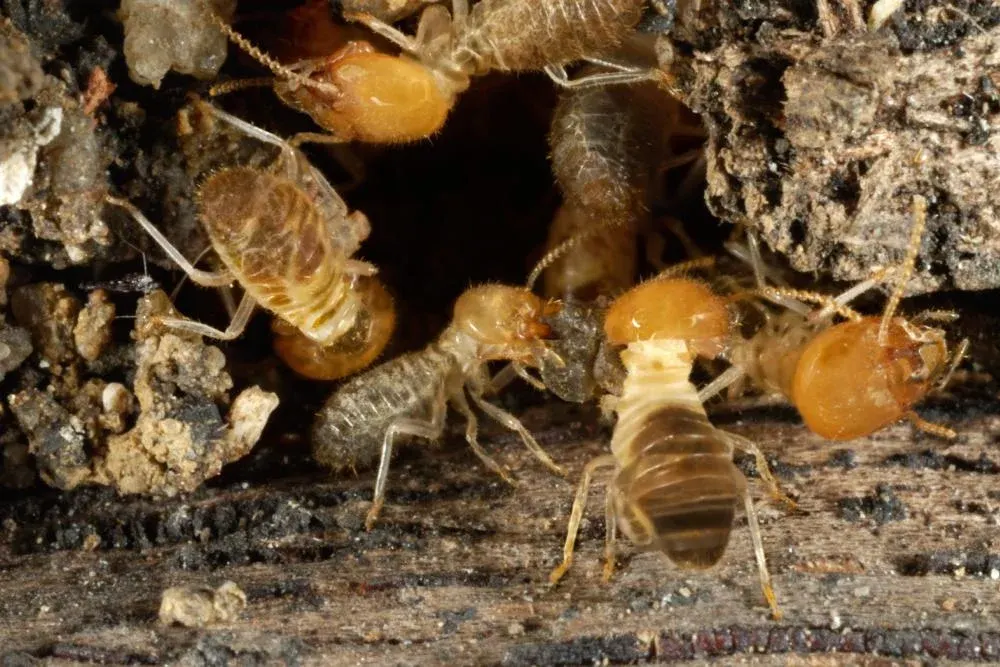
Termites can damage timber framing, floors, roof timbers, skirting boards, door frames, window frames and subfloor areas before many owners notice visible signs. Standards Australia says Australia has about 350 termite species, and about 30 have achieved pest status because they can attack timber and timber products.
This guide updates the economic cost of termite infestation with a stronger focus on the searches people are already using, including termite damage repair cost, cost to fix termite damage, termite treatment cost Australia and termite inspection cost.
Found a Building Defect? Get It Properly Documented
A clear defect investigation report can help record the issue, show the likely cause, and support your next steps with the builder, insurer, or legal adviser.
Investigation
Termite Cost Snapshot for Australian Homes
Use this table as a planning guide only. Final termite repair cost, treatment cost and inspection cost depend on the property size, access, damage level, location and the advice of a qualified inspector, licensed pest controller or builder.
| Cost area | Typical planning range | What affects the price |
|---|---|---|
| Timber pest inspection | $250 to $500 | Property size, access, location, report detail |
| Combined building and pest inspection | $400 to $700 | Property type, age, location and access |
| Localised termite treatment | $500 to $1,500 | Size of affected area and access |
| Chemical barrier or soil treatment | $800 to $2,000 | Perimeter size, slab edges, trenching and drilling |
| Baiting or monitoring system | $1,500 to $3,000 plus service visits | Number of stations and monitoring frequency |
| Minor termite repairs | $1,000 to $5,000 | Skirting, architraves, small wall or door frame sections |
| Moderate termite damage repairs | $5,000 to $30,000 | Flooring, joists, wall framing or several affected rooms |
| Severe structural damage | $30,000 to $100,000 plus | Bearers, subfloor, wall frames, roof structure or major rebuilding |
NSW Government advice for buyers is to know the condition of a property before buying so they can avoid later problems and extra costs.
Termite Damage Repair Cost Breakdown
The cost to fix termite damage changes based on what has been attacked. Surface damage can be manageable, but structural damage can become expensive because walls, floors or ceilings may need to be opened before repairs can be completed.
| Damaged area | Possible repair work | Typical planning range |
|---|---|---|
| Skirting boards and architraves | Remove affected trim, replace timber, paint finish | $1,000 to $3,000 |
| Door or window frames | Replace damaged frame sections, repaint and refit | $500 to $5,000 per opening |
| Wall framing | Remove plasterboard, replace studs, repair finishes | $3,000 to $15,000 |
| Floorboards or particleboard | Replace affected flooring and check joists | $75 to $200 per sqm for surface flooring |
| Floor joists and subfloor | Replace joists, bearers or subfloor areas | $1,000 to $30,000 plus |
| Roof trusses or structural beams | Builder or engineer assessment, temporary support and repair | $3,000 to $50,000 plus |
| Severe structural damage | Major reconstruction and possible temporary relocation | $50,000 to $100,000 plus |
The higher end of termite damage cost usually appears when active termites have affected load-bearing parts of the home. Standards Australia says termite colonies that infest buildings usually begin outside and enter structures via the ground, which is why subfloor, perimeter and slab-edge areas matter.
Termite Damage and Treatment Cost Comparison
The following table provides a comprehensive overview of termite-related costs, comparing prevention measures, treatment options, and repair expenses. This comparison clearly demonstrates the economic advantage of proactive termite management.
| Category | Service/Repair Type | Cost Range | Frequency/Notes |
|---|---|---|---|
| Prevention | Professional inspection | $250 to $500 | Annual (minimum) |
| Preventative chemical barrier | $1,500 to $5,000 | Every 5 to 8 years | |
| Monitoring stations | $1,000 to $2,500 | Installation plus annual checks | |
| Physical barriers (new build) | $2,000 to $4,000 | 50+ year lifespan | |
| Treatment | Chemical barriers | $800 to $2,000 | Perimeter treatment |
| Baiting systems | $1,500 to $3,000 | Plus $300 to $500 annual maintenance | |
| Fumigation | $3,000 to $6,000+ | Severe infestations | |
| Localised treatment | $500 to $1,500 | Targeted areas only | |
| Repairs | Foundation repairs | $5,000 to $20,000 | Stumps, bearers, joists |
| Structural framing | $3,000 to $15,000 | Studs, trusses, beams | |
| Wall repairs | $1,000 to $5,000 | Per affected area | |
| Floor repairs (surface) | $75 to $200/sqm | Flooring replacement | |
| Floor joists/subflooring | $1,000 to $10,000 | Structural floor repairs | |
| Doors and windows | $500 to $5,000 each | Frame and unit replacement | |
| Severe structural damage | $50,000 to $100,000+ | Major reconstruction |
Termite Damage Repair Cost Calculator
This simple termite damage repair cost calculator helps owners understand where the bill may sit before they arrange quotes. It is not a replacement for an inspection report.
| Damage level | Signs you might see | Cost guide | Best next step |
|---|---|---|---|
| Low | Damaged skirting, minor door frame damage, isolated hollow timber | $1,000 to $5,000 | Book a timber pest inspection and request a treatment plan if activity is active |
| Medium | Several affected rooms, damaged flooring, visible mud tubes, moisture issues | $5,000 to $30,000 | Get inspection findings, pest treatment advice and repair quotes |
| High | Sagging floors, damaged joists, wall framing damage, roof timber concern | $30,000 to $100,000 plus | Seek urgent inspection, pest controller advice and licensed builder assessment |
Consumer Affairs Victoria says a written inspection report can list faults, whether they can be repaired and how much repairs are likely to cost.
Termite Treatment Cost in Australia
Termite treatment cost in Australia depends on whether the aim is to treat active termites, reduce future risk or maintain an existing termite management system.
| Treatment type | Typical planning range | Best suited to | Notes |
|---|---|---|---|
| Localised treatment | $500 to $1,500 | Small confirmed activity area | Usually part of a broader plan |
| Chemical soil treatment | $800 to $2,000 | Homes needing perimeter treatment | May involve trenching or drilling |
| Baiting system | $1,500 to $3,000 | Colony management and monitoring | May need service visits |
| Monitoring and maintenance | $300 to $500 per year | Ongoing risk management | Cost varies by system and provider |
| Severe infestation response | $3,000 to $6,000 plus | Large or hard-to-access infestations | Treatment plan should be written |
Chemical Barriers
Chemical soil treatments create a continuous barrier around the perimeter of your home, killing termites as they attempt to enter.
- Cost range: $800 to $2,000 for a standard residential property
- How it works: Termiticide is injected into the soil around foundations and entry points
- Effective period: Typically 5 to 8 years depending on the product and soil conditions
- Advantages: Immediate protection, relatively affordable, proven effectiveness
- Considerations: Requires drilling through concrete slabs in some areas
Baiting Systems
Termite baiting systems use strategically placed stations containing cellulose material laced with slow-acting insecticide. Termites consume the bait and spread it throughout the colony.
- Installation cost: $1,500 to $3,000
- Annual maintenance: $300 to $500 for monitoring and bait replenishment
- How it works: Stations are placed around the property perimeter and monitored regularly
- Advantages: Environmentally friendly, targets entire colony, continuous monitoring
- Timeline: May take several months to eliminate an established colony
Fumigation
Whole-structure fumigation is reserved for severe infestations, particularly those involving drywood termites that live entirely within timber.
- Cost range: $3,000 to $6,000 or more for larger properties
- Process: The building is sealed and filled with fumigant gas for 24 to 72 hours
- Requirements: Occupants must vacate during treatment and for a period afterwards
- Advantages: Highly effective for eliminating all termites within the structure
- Limitations: Does not provide residual protection against reinfestation
Proactive Measures: The Economics of Prevention
The most cost-effective approach to termite management is prevention through regular inspections and proactive treatments. The numbers clearly demonstrate that investing in prevention saves thousands of dollars compared to reactive repairs.
Professional Inspections
Regular professional termite inspections are the cornerstone of effective termite management. A qualified inspector can detect early signs of termite activity before significant damage occurs.
- Cost range: $250 to $500 per inspection
- Recommended frequency: Annual for most properties, six-monthly for high-risk areas
- What is included: Comprehensive assessment of all accessible areas, written report, recommendations
- Value proposition: A $350 inspection could prevent $50,000 or more in damage
Preventative Treatments
Installing a termite management system before an infestation occurs provides ongoing protection at a fraction of the cost of remediation.
- Cost range: $1,500 to $5,000 for comprehensive protection
- Options include: Chemical barriers, physical barriers, monitoring systems
- Protection period: 5 to 50+ years depending on the system
- Return on investment: Potentially saves tens of thousands in repair costs
Cost Comparison: Prevention vs Remediation
Over a 10-year period, the cost difference between prevention and remediation is stark:
| Approach | 10-Year Cost | Outcome |
|---|---|---|
| Prevention strategy | $5,000 to $8,000 | Continuous protection, peace of mind |
| No prevention (moderate damage) | $20,000 to $50,000 | Treatment plus repairs, stress, disruption |
| No prevention (severe damage) | $50,000 to $100,000+ | Major reconstruction, potential relocation |
Termite Inspection Cost and Why It Matters
The cost of termite inspection is usually much lower than the cost to repair termite damage. A timber pest inspection checks accessible areas for evidence of termites, timber damage and risk conditions.
Consumer Affairs Victoria advises buyers to consider a professional pest inspection to check for termites or other infestations before signing a contract.
NSW Government also tells buyers to inspect a property before purchase so they know about the home’s condition before buying.
Why Termite Infestation Cost Can Grow Fast
The economic cost of termite infestation grows when termites stay hidden. The first visible sign might be bubbling paint, a sticking door, a soft floor or hollow-sounding timber. By that stage, damage may already be behind plasterboard, under flooring or inside the roof space.
Australia has one of the highest termite infestation rates in the world. The combination of climate, native termite species, and building practices creates conditions that favour termite activity.
CSIRO Research Findings
According to research from the Commonwealth Scientific and Industrial Research Organisation (CSIRO), the statistics are sobering:
- One in three Australian homes will experience termite attack during their lifetime
- Over 350 termite species exist in Australia, with approximately 30 causing structural damage
- $1.5 billion or more in damage occurs annually across Australian properties
- Higher risk in northern regions such as Queensland, Northern Territory, and northern New South Wales
Regional Risk Variations
Termite risk varies significantly across Australia, with some regions experiencing substantially higher rates of infestation:
| Region | Risk Level | Recommended Inspection Frequency |
|---|---|---|
| Queensland (particularly coastal and tropical areas) | Very High | Every 6 months |
| Northern Territory | Very High | Every 6 months |
| Northern New South Wales | High | Every 6 to 12 months |
| Sydney and Greater NSW | High | Annual |
| Victoria | Moderate to High | Annual |
| South Australia | Moderate to High | Annual |
| Western Australia | Moderate to High | Annual |
| Tasmania | Low to Moderate | Annual |
Climate Factors
Several climate factors contribute to Australia's high termite risk:
- Warm temperatures: Termites thrive in temperatures above 25 degrees Celsius
- Humidity: High moisture levels support termite colony growth and activity
- Seasonal patterns: Warmer months see increased termite activity and swarming
- Extended summers: Climate change is expanding termite activity seasons
Need Stronger Evidence for a Building Dispute?
When a defect claim may involve a tribunal, solicitor, builder, or insurer, an expert witness report can help present findings in a clear and independent format.
Witness Reports
Prevention vs Repair Costs
Termite prevention treatment cost can look like an extra expense until it is compared with a repair bill. Regular inspections, moisture control, good drainage and a managed termite protection system can reduce the chance of hidden damage reaching structural areas. For ongoing property checks, see Owner Inspections’ maintenance inspections.
| Approach | 10-year planning cost | Possible outcome |
|---|---|---|
| Regular inspections and prevention | $5,000 to $8,000 | Earlier detection and lower repair risk |
| No prevention with moderate damage | $20,000 to $50,000 | Treatment, repairs and disruption |
| No prevention with severe damage | $50,000 to $100,000 plus | Major repairs, possible engineering advice and relocation costs |
Regular pest inspections, ideally annually, are among the steps that may help prevent pest damage.
AS 3660.2 gives guidance for detection and management of termite activity in and around existing buildings and structures.
Does Home Insurance Cover Termite Damage?
One of the most significant financial risks associated with termite damage is the lack of insurance coverage. Understanding what your policy does and does not cover is essential for financial planning.
Most homeowners should not assume termite damage is covered by home insurance. Many policies exclude insect, vermin or pest damage because it is seen as gradual damage or maintenance-related damage.
- Home insurance does not cover damage caused by insects, vermin or rodents, and gives termite infestation eating timber as an example.
- Policy buyers should check exclusions, caps, limits and the product disclosure statement to understand what is not covered.
Standard Home Insurance Exclusions
Most standard home and contents insurance policies in Australia specifically exclude termite damage. This exclusion typically appears in the policy wording under sections covering pests, vermin, or maintenance-related damage.
- Termite damage: Excluded from virtually all standard policies
- Other pest damage: Usually also excluded (borers, rodents, etc.)
- Maintenance issues: Damage from lack of maintenance is not covered
- Gradual deterioration: Policies cover sudden events, not gradual damage
Why Insurers Exclude Termite Damage
Insurance companies exclude termite damage for several reasons:
- Termite damage is considered preventable through regular inspections and treatment
- The damage occurs gradually over time, not as a sudden, unexpected event
- Including coverage would significantly increase premiums for all policyholders
- Prevention is viewed as a homeowner maintenance responsibility
Specialist Coverage Options
While rare, some specialist insurance products or warranty programmes may offer termite-related coverage:
- Termite treatment warranties: Some pest control companies offer damage warranties with their treatment programmes
- Builder warranties: May cover termite management systems in new homes for limited periods
- Specialist policies: Limited specialist products exist but often have significant conditions
Important: Always check your specific policy wording and speak with your insurer about exactly what is and is not covered. Do not assume any coverage exists for termite damage without written confirmation.
Long-term Financial Impact
The financial consequences of termite infestation extend well beyond immediate repair costs. Understanding the long-term economic impact helps property owners appreciate the full value of prevention.
Property Value Impact
A history of termite damage can significantly affect property values and saleability:
- Disclosure requirements: In most Australian states, sellers must disclose known termite history
- Reduced buyer interest: Many buyers avoid properties with termite history
- Lower sale prices: Properties with past termite damage typically sell for less
- Extended time on market: Termite history can delay property sales
- Lending impacts: Some lenders may require termite inspections or impose conditions
Ongoing Maintenance Costs
Properties with termite history often face increased ongoing costs:
- More frequent inspections: Six-monthly instead of annual inspections recommended
- Continuous treatment: Active monitoring and treatment programmes required
- Structural monitoring: Ongoing assessment of repaired areas
- Higher vigilance: Additional time and attention to property maintenance
Collateral Costs
Beyond direct repair costs, termite damage often generates additional expenses:
- Temporary accommodation: $1,000 to $5,000 or more during major repairs
- Storage costs: $200 to $500 per month for furniture and belongings
- Lost rental income: Investment property owners face significant income loss
- Professional fees: Structural engineer reports, building consultants
- Stress and disruption: The intangible cost of dealing with major repairs
Australian Termite Statistics and Facts
Understanding the scope of the termite problem in Australia helps put the economic impact into perspective. These statistics highlight why termite management should be a priority for every property owner.
Key Statistics
- Annual damage cost: Termites cause an estimated $1.5 billion or more in damage to Australian properties each year
- Homes at risk: One in three Australian homes will experience termite attack during their lifetime (CSIRO)
- Species count: Australia has over 350 termite species, with approximately 30 causing structural damage
- Colony size: A mature termite colony can contain over one million individuals
- Consumption rate: A large colony can consume over 200 grams of timber per day
- Speed of destruction: Significant structural damage can occur within 3 to 6 months of infestation
- Detection difficulty: Up to 80% of termite damage is hidden within walls, floors, and roof spaces
- Insurance gap: Standard home insurance does not cover termite damage, leaving homeowners fully exposed
- Inspection rate: Many homeowners fail to get annual inspections, despite the proven benefits
- Prevention effectiveness: Regular inspections and treatments prevent the majority of termite damage
Termite Activity Patterns
Understanding when termites are most active helps with planning inspections:
- Peak activity: Spring and summer months (September to February) see increased termite activity
- Swarming season: Reproductive termites typically swarm in late spring and early summer
- Year-round risk: In northern Australia, termites remain active throughout the year
- Weather triggers: Warm, humid conditions following rain often trigger increased activity
When to Book a Timber Pest Inspection
Book a timber pest inspection when buying a property, before selling a property, after seeing possible termite signs or before spending money on major repairs.
Common warning signs include:
- Bubbling or blistered paint
- Hollow-sounding timber
- Mud tubes around walls, piers or foundations
- Soft or sagging floors
- Doors or windows that start sticking
- Discarded wings near windows or lights
- Moisture issues under the house or near external walls
The Bottom Line: Prevention vs Remediation
The economics of termite management are clear: prevention is always more cost-effective than remediation. Consider this comparison over a typical 10-year property ownership period:
Prevention Strategy Costs
- Annual inspections (10 years at $350): $3,500
- Preventative treatment (one application): $2,500
- Total prevention investment: $6,000
Remediation Costs (Average Scenario)
- Discovery after 3 years of undetected infestation
- Treatment costs: $2,500
- Moderate repair costs: $35,000
- Temporary accommodation: $2,000
- Follow-up inspections and monitoring: $3,000
- Total remediation cost: $42,500
The prevention strategy costs approximately $6,000 over 10 years. The remediation scenario costs over $42,000 and involves significant stress and disruption. Prevention provides a return on investment of over 600%.
Getting the Most Value from Your Home and Building Investment
The cost of termite infestation is not only the treatment invoice. It can include repair work, builder advice, temporary accommodation, lost rent, property value concerns, follow-up inspections and stress during a sale or purchase.
The best way to reduce that risk is to find termite activity early. For buyers, a timber pest inspection can help show whether the property has current activity, past damage or risk conditions. For owners, regular inspections can help stop a small warning sign turning into a major repair bill.
If you are buying, selling or maintaining a property in NSW, Victoria or Queensland, book a timber pest inspection with Owner Inspections before termite damage becomes a bigger cost.
Not Sure What Evidence You Need?
Speak with Owner Inspections before your defect issue becomes harder to prove. The team can help you choose the right inspection or report for your situation.
Key Takeaways
- Termite damage costs Australian property owners billions of dollars annually, with individual repairs ranging from $5,000 to over $100,000.
- One in three Australian homes will experience termite attack, with higher risk in northern regions like Queensland.
- Standard home insurance policies do not cover termite damage, leaving homeowners fully exposed to repair costs.
- Professional termite inspections cost $250 to $500 and can prevent tens of thousands of dollars in damage.
- Treatment options include chemical barriers ($800 to $2,000), baiting systems ($1,500 to $3,000 plus maintenance), and fumigation ($3,000 to $6,000+).
- Prevention through regular inspections and proactive treatment is far more cost-effective than reactive remediation.
- Termite damage can significantly impact property values and saleability.
- Annual inspections are recommended as a minimum, with six-monthly inspections for high-risk properties and regions.
Frequently Asked Questions
How much does termite damage repair cost in Australia?
How much does it cost to fix termite damage?
What is the cost to repair termite damage in walls?
How much does termite treatment cost in Australia?
How much does a termite inspection cost?
Is termite damage covered by home insurance?
What is cheaper, termite prevention or termite repair?
How much does it cost to treat a termite infestation?
Can termite damage reduce house value?
Can investors claim termite repairs or treatment?
Related Articles
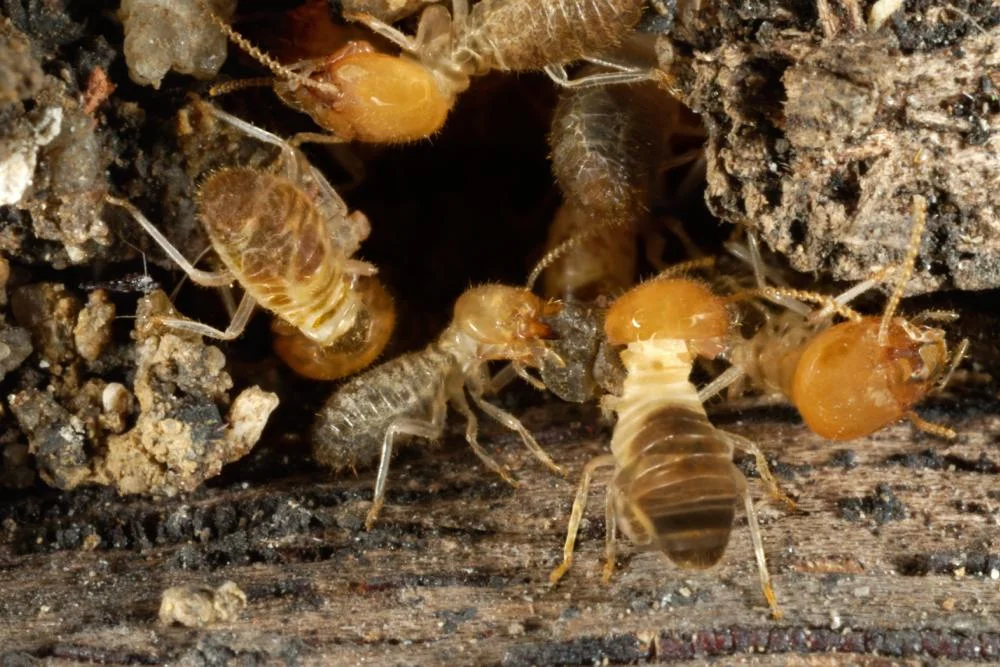
Brisbane Termite Infestations: When to Schedule an Inspection
Brisbane
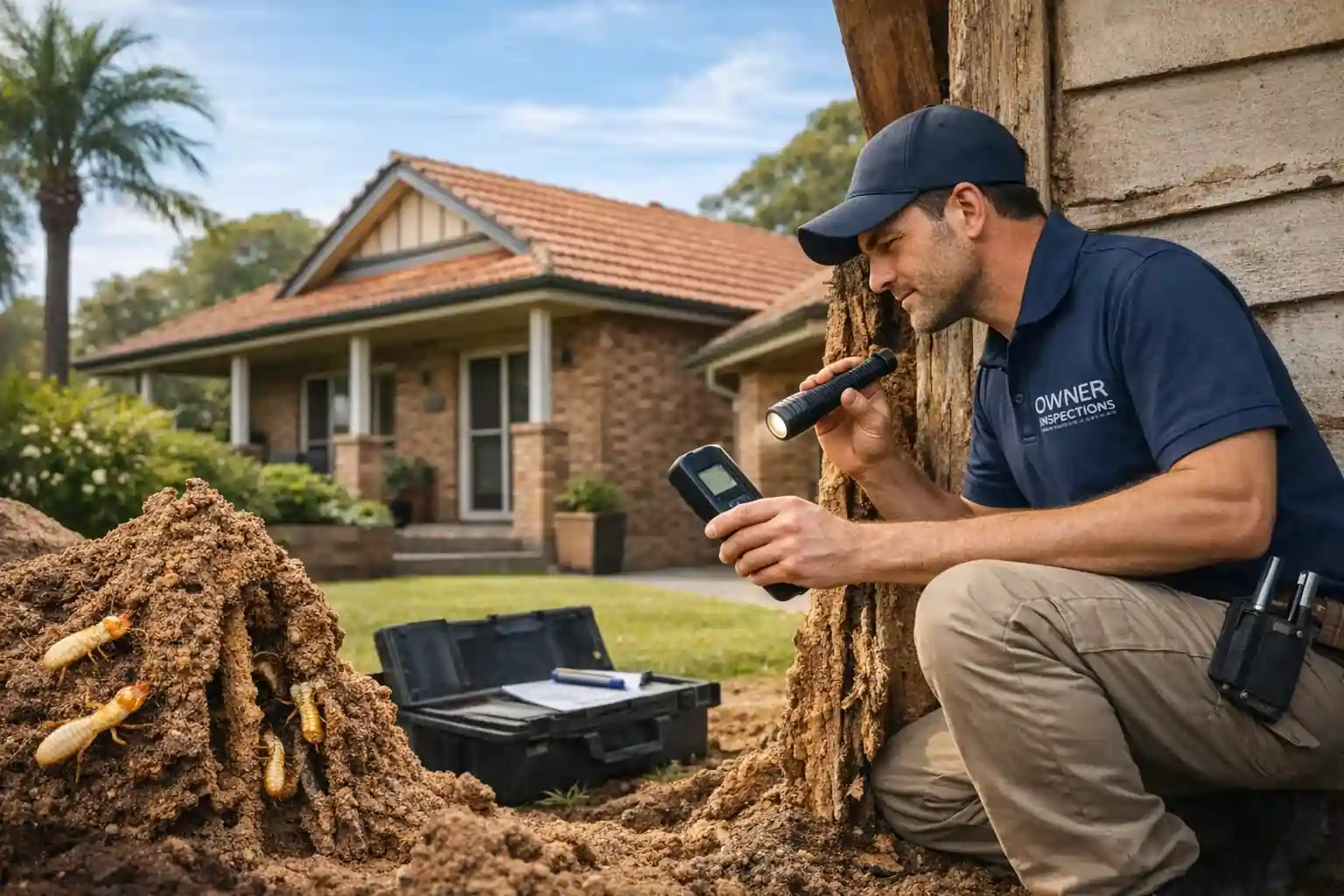
Termite Inspection to Protect Your Home from Damage
Termites cause approximately $1.5 billion in damage to Australian properties annually. Learn how professional termite inspections can protect your home and investment.
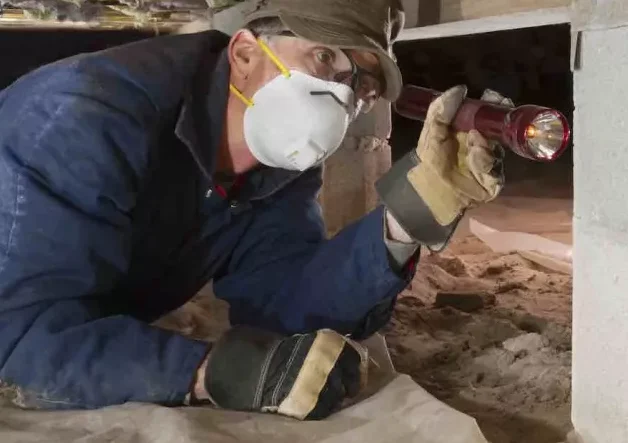
Termite Inspections: Expectations and Preparations
Termite damage can be catastrophic for properties. Learn what to expect during a termite inspection and how to prepare your property.