
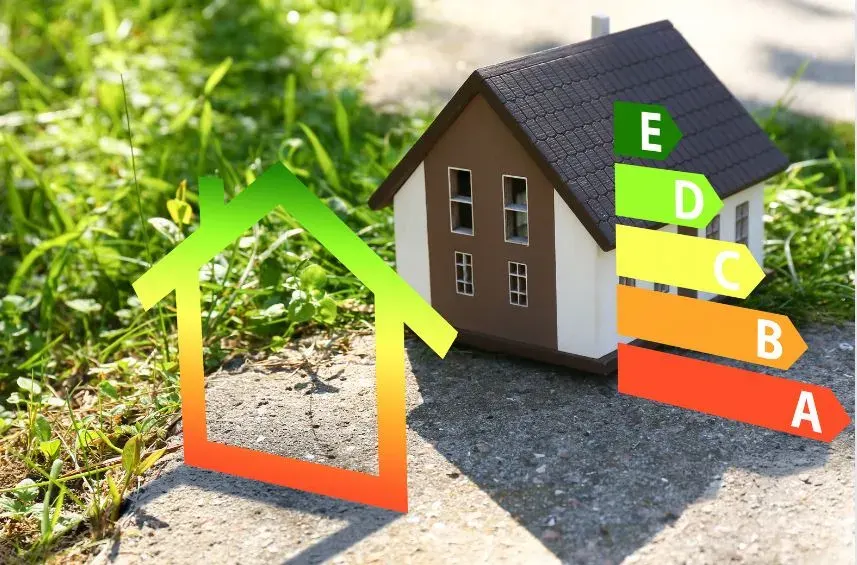
With residential electricity prices continuing to rise across Australia, as documented by the ACCC's Electricity Market Inquiry Report, energy efficiency has become one of the most practical ways homeowners can control their running costs. An energy-efficient home is not just better for the environment. It is also more comfortable to live in and costs significantly less to run over its lifetime.
Key Principles of Energy-Efficient Design
Getting the fundamentals right during the design stage is the most cost-effective way to build an energy-efficient home. Retrofitting later is always more expensive and less effective than building it in from the start.
Orientation and Passive Solar Design
In the Southern Hemisphere, maximising northern exposure is the foundation of passive solar design. Design your home with large north-facing windows to capture winter sunlight for natural heating. Use eaves, pergolas, or external shade structures to block high-angle summer sun and prevent overheating.
Living areas should ideally face north, while utility rooms, bathrooms, and garages can be placed on the south side where solar gain is less important. The correct orientation alone can reduce heating and cooling energy needs by up to 30%.
Insulation
High-quality insulation slows heat transfer through your walls, ceiling, and floor, keeping your home warmer in winter and cooler in summer. Common insulation types used in Australian homes include fibreglass batts, cellulose, rigid foam boards, and mineral wool.
The effectiveness of insulation is measured by its R-value, which indicates resistance to heat flow. Higher R-values mean better insulating performance. The NCC specifies minimum R-values for different climate zones across Australia, but building above these minimums delivers even better performance.
| R-Value Range | Best For | Cost | |
|---|---|---|---|
| Fibreglass Batts | R2.0 to R6.0 | Ceilings and walls | Low to moderate |
| Cellulose | R2.2 to R3.8 | Retrofitting wall cavities | Low to moderate |
| Rigid Foam Boards | R1.5 to R5.0 per 50mm | Under slabs, exterior walls | Moderate to high |
| Mineral Wool | R2.0 to R4.0 | Fire-rated walls, acoustic barriers | Moderate |
Airtightness
A well-insulated home loses much of its benefit if air leaks through gaps around windows, doors, power points, and service penetrations. Airtightness is about sealing these gaps to prevent uncontrolled air movement while still providing controlled ventilation.
Use caulk, weatherstripping, and expanding foam to seal gaps during construction. Pay particular attention to areas where walls meet ceilings and floors, around plumbing and electrical penetrations, and at window and door frames.
Building Materials and Systems
Energy-Efficient Windows and Doors
Windows are one of the biggest sources of heat gain in summer and heat loss in winter. Upgrading to double-glazed or triple-glazed windows with low-E (low emissivity) coatings makes a significant difference.
- Double-glazed windows reduce heat transfer by up to 50% compared to single-glazed units
- Low-E coatings reflect radiant heat, keeping your home cooler in summer and warmer in winter
- Thermally broken frames prevent heat conduction through the frame material itself
- Proper sealing around window and door frames prevents air infiltration
High-Efficiency Appliances
Appliances with high energy star ratings use significantly less electricity than standard models. When building a new home, specify energy-efficient refrigerators, washing machines, dishwashers, and air conditioning systems. The energy savings compound over the lifetime of each appliance.
Sustainable Materials
Consider the embodied energy of your building materials. Locally sourced timber, recycled steel, and low-emission concrete all reduce the overall environmental impact of your build. Bamboo flooring, recycled content insulation, and sustainably harvested timber are popular choices in Australian energy-efficient homes.
Heating, Cooling, and Ventilation
Efficient Heating and Cooling Systems
Heat pumps, both air-source and ground-source, are among the most efficient heating and cooling options available. Reverse-cycle air conditioning systems, which are heat pumps, can deliver three to five units of heating or cooling energy for every one unit of electrical energy consumed.
Hydronic heating systems circulate heated water through underfloor pipes or radiators, offering zoned comfort and energy efficiency. Always ensure your heating and cooling system is correctly sized for your home. An oversized system wastes energy, while an undersized one cannot maintain comfortable temperatures.
Ventilation
A well-sealed home needs a planned ventilation strategy to maintain indoor air quality. Heat recovery ventilators (HRVs) and energy recovery ventilators (ERVs) exchange stale indoor air for fresh outdoor air while recovering most of the heating or cooling energy that would otherwise be lost.
Smart Home Technology
Programmable thermostats and smart home automation systems optimise energy use by running heating, cooling, and lighting only when needed. Smart systems can respond to occupancy, time of day, and outdoor temperature to minimise energy waste without sacrificing comfort.
A correctly oriented and well-insulated home in Australia may need little or no mechanical heating or cooling for much of the year. Passive design principles, when properly applied, can eliminate the need for air conditioning in many climate zones.
Renewable Energy Options
Solar Power Systems
Solar photovoltaic (PV) panels convert sunlight into electricity and are one of the most popular renewable energy investments in Australia. Assess your roof's suitability based on orientation (north-facing is ideal), pitch, and shading.
Solar panel types include monocrystalline (highest efficiency), polycrystalline (good value), and thin-film (best for unconventional roof shapes). Government incentives, including Small-scale Technology Certificates (STCs), can significantly reduce the upfront cost of a solar system.
Solar Hot Water
Solar hot water systems use the sun's energy to heat water, reducing the energy consumed by one of the biggest energy users in the average Australian home. These systems include flat plate collectors and evacuated tube collectors, often paired with a gas or electric booster for cloudy days.
Battery Storage
Home battery systems store excess solar-generated electricity for use in the evening and at night, increasing your energy self-sufficiency. Battery storage makes solar power more useful by shifting your solar generation to match your consumption patterns.
Energy Ratings and Regulations
NatHERS Star Ratings
The Nationwide House Energy Rating Scheme (NatHERS) rates a home's thermal performance on a scale of 0 to 10 stars. A higher rating means lower heating and cooling energy needs. The NCC currently requires a minimum 7-star NatHERS rating for new homes in most states, though some states and developments set higher targets.
National Construction Code Requirements
The NCC sets minimum energy efficiency requirements for all new homes and major renovations in Australia. These include requirements for insulation R-values, glazing performance, building sealing, lighting efficiency, and the energy performance of hot water systems. Your builder and designer should ensure your project meets or exceeds these standards.
| Performance | Estimated Annual Saving | |
|---|---|---|
| NatHERS 6 Stars | Meets minimum older NCC standard | $500 to $800 vs unrated home |
| NatHERS 7 Stars | Current NCC minimum for most states | $800 to $1,200 vs unrated home |
| NatHERS 8+ Stars | Above minimum, high-performance home | $1,200 to $2,000+ vs unrated home |
Benefits of Energy-Efficient Construction
Pros
- Lower energy bills, with savings of 30% to 50% compared to standard homes
- More consistent indoor temperatures and improved comfort year-round
- Reduced carbon footprint and lower environmental impact
- Higher property resale value, as energy-efficient homes are increasingly sought after by buyers
- Better indoor air quality with controlled mechanical ventilation
Cons
- Higher upfront construction costs (typically 5% to 15% above standard builds)
- Requires experienced designers and builders familiar with energy-efficient construction
- Some products like triple-glazed windows have longer lead times
Key Takeaways
- Passive solar design, including correct orientation and north-facing living areas, can reduce heating and cooling needs by up to 30%.
- High-quality insulation with appropriate R-values is one of the most cost-effective energy efficiency measures.
- The NCC requires all new Australian homes to meet a minimum 7-star NatHERS rating in most states.
- Double-glazed windows with low-E coatings reduce heat transfer by up to 50% compared to single-glazed units.
- Solar PV systems, combined with battery storage, can significantly reduce or eliminate electricity bills.
- Airtightness combined with controlled mechanical ventilation maintains comfort and indoor air quality.
- Energy-efficient homes typically cost 5% to 15% more to build but deliver substantial savings over their lifetime.
- A professional building inspection during construction ensures energy efficiency measures are installed correctly.
Frequently Asked Questions
What are common mistakes to avoid when building an energy-efficient home?
Common mistakes include poor site orientation where living areas face south instead of north, underestimating the importance of airtightness, selecting undersized or oversized heating and cooling systems, and skipping a comprehensive energy assessment during the design phase. Each of these can significantly reduce the performance of an otherwise well-designed home.
Can existing homes be retrofitted for energy efficiency?
Yes. Existing homes can be improved with added insulation in ceilings and walls, upgraded windows, draught sealing, and the installation of solar panels and energy-efficient appliances. While retrofitting is more expensive per unit of improvement than building efficiency into a new home, it can still deliver meaningful savings on energy bills.
How long does it take to see a return on investment for energy-efficient features?
The payback period varies by feature. Solar PV systems typically pay for themselves in 3 to 8 years depending on location and electricity costs. Insulation upgrades can pay back in 3 to 5 years. High-efficiency HVAC systems take 5 to 10 years. Over a 20 to 30 year homeownership period, the total savings far exceed the additional upfront cost.
Which roofing materials improve energy efficiency?
Cool roofing materials with high solar reflectance and thermal emittance reduce heat absorption and keep the home cooler in summer. Light-coloured Colorbond with Thermatech technology is a popular option in Australia. Concrete and terracotta tiles also provide good thermal mass, absorbing heat during the day and releasing it slowly at night.
How does window orientation affect energy efficiency?
In Australia, north-facing windows should be designed to maximise winter sun exposure for passive heating while using eaves or shading to block high-angle summer sun. East and west-facing windows receive intense low-angle sun in summer and are harder to shade effectively. South-facing windows receive minimal direct sunlight and lose heat in winter.
How does landscaping contribute to an energy-efficient home?
Strategic landscaping with deciduous trees on the north and west sides provides shade in summer while allowing winter sun through when the leaves drop. Evergreen plantings on the south side act as wind breaks against cold winter winds. Ground covers reduce reflected heat from hard surfaces near the home.
What financial incentives are available for energy-efficient homes in Australia?
Federal incentives include Small-scale Technology Certificates (STCs) for solar PV and solar hot water systems. State-level rebates vary but may include discounts on energy-efficient appliances, battery storage subsidies, and interest-free loans for sustainability upgrades. Check your state government's energy website for current programmes.
How do energy-efficient homes affect indoor air quality?
Well-sealed, energy-efficient homes require controlled mechanical ventilation to maintain healthy indoor air quality. Without it, pollutants from cooking, cleaning products, and building materials can accumulate. Systems like HRVs and ERVs provide continuous fresh air while recovering most of the heating or cooling energy.
What are the latest trends in energy-efficient home construction?
Current trends in Australia include the integration of smart home energy management systems, all-electric homes that eliminate gas connections, phase-change materials in insulation for improved thermal storage, prefabricated construction with factory-controlled quality, and net-zero energy homes that generate as much energy as they consume over a year.
How do building codes influence energy efficiency in new homes?
The National Construction Code (NCC) sets minimum energy efficiency standards that all new homes must meet. These standards cover insulation R-values, glazing performance, lighting efficiency, building sealing, and hot water system performance. The NCC is updated regularly, with recent changes increasing the minimum NatHERS rating to 7 stars in most states, driving better energy performance across the building industry.
References and Resources
- NatHERS - Nationwide House Energy Rating Scheme - Official energy rating system for Australian homes
- National Construction Code (NCC) - Minimum energy efficiency requirements for buildings
- YourHome - Australian Government - Comprehensive guide to sustainable housing design
- Clean Energy Council - Solar and renewable energy information for Australia
- ACCC - Electricity Market Inquiry - Electricity pricing data and consumer information
Related Articles

Resilient Home Construction: Building for Extreme Weather Conditions
Climate change is making extreme weather events more frequent and intense across Australia. This guide covers how resilient construction methods protect homes from bushfires, floods, storms, and other climate-driven hazards.
What Are the Types of Ceiling Materials?
Ceilings shape interior spaces, affecting atmosphere and lighting quality. Explore different ceiling materials from drywall to wood and understand their benefits.
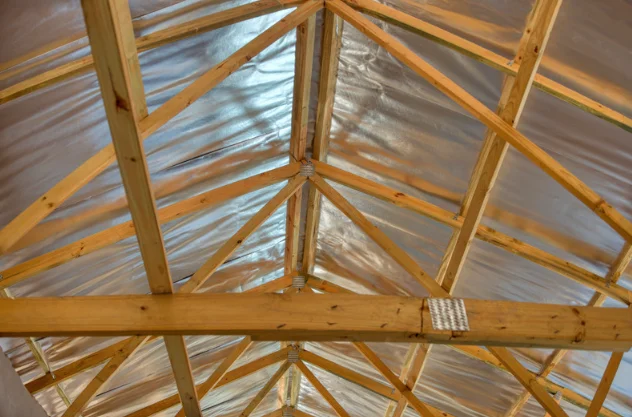
The Importance of Sarking in Building Construction
Sarking, a pliable roof membrane installed under tiles or metal sheets, helps manage water entry, dust, airflow, and moisture movement. Learn why it should not be skipped.
Building a new energy-efficient home? Owner Inspections provides independent construction stage inspections across NSW, Victoria, and Queensland to make sure your builder is meeting energy efficiency standards and NCC requirements. Our licensed inspectors check insulation installation, window specifications, sealing, and overall build quality at every stage. Get a quote today or call us on 1300 471 805.