
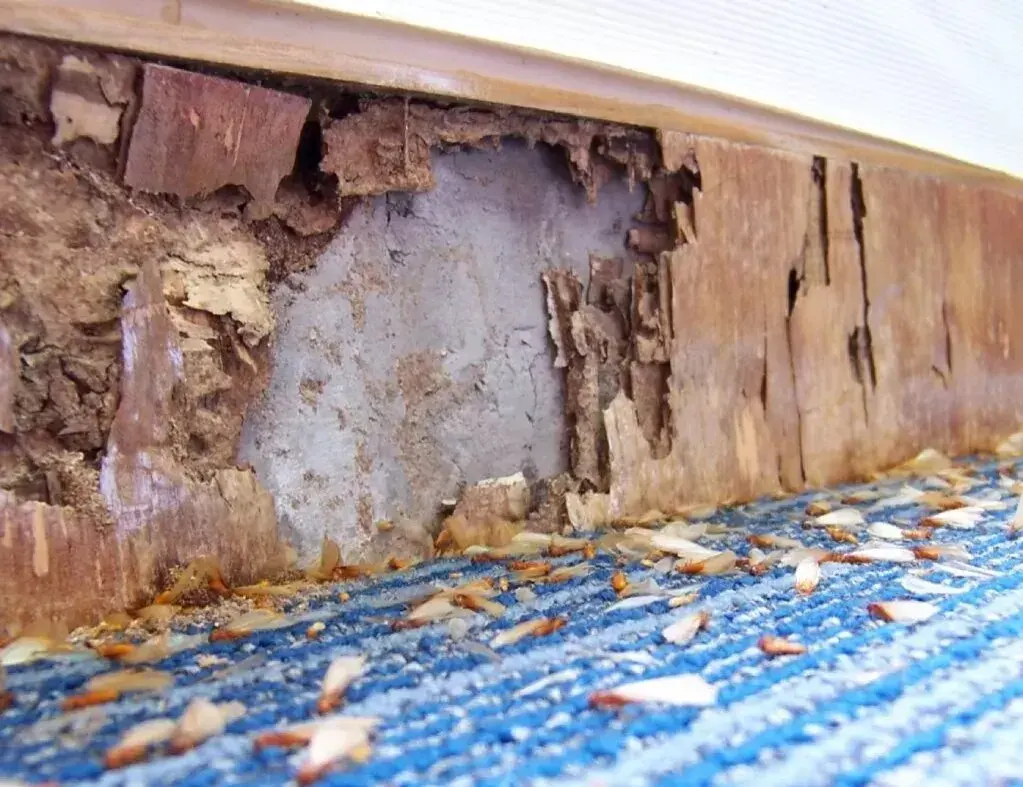
Australia's warm, humid climate makes it one of the most termite-prone countries in the world. Species like Coptotermes acinaciformis, Schedorhinotermes, and the Mastotermes darwiniensis (Giant Northern Termite) are responsible for widespread damage to residential properties. These insects work silently inside walls, floors, and roof structures, often causing severe damage before any visible signs appear on the surface. This guide will walk you through how to identify termite activity, prevent infestations, and choose the right treatment if you find them.
Understanding the Threat
Common Termite Species in Australia
Australia is home to over 300 termite species, but only a handful cause serious damage to buildings. The most destructive include:
- Coptotermes acinaciformis: the most destructive species in Australia, found in every state. Known for aggressive feeding and large colony sizes that can reach over one million individuals.
- Schedorhinotermes intermedius: common along the eastern seaboard, these termites are responsible for significant damage in QLD and northern NSW.
- Mastotermes darwiniensis (Giant Northern Termite): found in tropical northern Australia, this is the most primitive and destructive termite species in the world.
- Nasutitermes species: while primarily feeding on grass and decaying wood, they can attack structural timber in some conditions.
Why Australia Is High Risk
Australia's climate creates ideal conditions for termites. Warm temperatures, high humidity, and seasonal rainfall provide the moisture and warmth that termites need to thrive. Unlike in colder climates where termite activity slows or stops in winter, Australian termites can remain active and reproduce year-round in many regions, particularly in QLD, northern NSW, and the Northern Territory.
Signs of Termite Activity
Knowing what to look for can help you catch an infestation before it causes serious structural damage.
- Mud tubes: thin, pencil-sized tubes made of soil and termite secretions, often visible on foundations, walls, or subfloor piers. These are highways that subterranean termites build to travel between their nest and food sources.
- Hollow-sounding timber: tap on structural timbers, skirting boards, and door frames. If the wood sounds hollow, termites may have consumed the interior while leaving the outer surface intact.
- Blistered or warped surfaces: floors, walls, or door frames that appear blistered, warped, or sagging may indicate termite activity behind the surface.
- Discarded wings: after a termite swarm (usually in spring or early summer), you may find piles of small, translucent wings near windows, doors, or light sources.
- Frass (droppings): drywood termites leave small piles of pellet-shaped droppings near entry points. These look like fine sawdust or coffee grounds.
If you notice any signs of termite activity, do not disturb the area. Termites will retreat and relocate to a different part of the building if disturbed, making detection and treatment more difficult. Contact a professional pest inspector immediately.
Prevention Strategies That Work
Prevention is always cheaper than treatment and repair. The following strategies significantly reduce your risk of termite infestation.
Moisture Control
Termites need moisture to survive. Reducing moisture around your home removes one of their primary attractants.
Remove Food Sources
Reduce Entry Points
Regular Professional Inspections
Annual termite inspections carried out by a qualified pest inspector following AS 4349.3 are the single most effective way to detect termite activity early. In high-risk areas (QLD, northern NSW, Northern Territory), inspections every six months may be warranted.
Treatment Options for Active Infestations
If termites are found, several treatment options are available depending on the species, extent of infestation, and property type.
| How It Works | Best For | |
|---|---|---|
| Chemical Barrier (Liquid Termiticide) | Liquid chemicals applied to soil around and under the building create a continuous barrier that kills or repels termites on contact | Established infestations and long-term perimeter protection. Common chemicals include fipronil, imidacloprid, and bifenthrin. |
| Termite Baiting System | Bait stations placed in the ground around the property contain a slow-acting substance that foraging termites carry back to the colony, gradually eliminating it | Properties where chemical barriers are impractical, environmentally sensitive areas, and ongoing monitoring |
| Physical Barriers | Materials such as stainless steel mesh, crushed granite particles, or polymer sheeting are installed during construction to block termite entry | New builds and renovations. Physical barriers are installed during the construction phase and do not degrade over time. |
| Foam or Dust Treatment | Chemical foam or dust is injected directly into termite galleries and nest areas for targeted colony elimination | Localised infestations where the nest or active galleries have been identified |
DIY vs Professional Termite Control
| Strengths | Limitations | |
|---|---|---|
| DIY Methods | Lower upfront cost, suitable for minor surface-level activity | Limited effectiveness against established colonies, no access to professional-grade chemicals, risk of incomplete treatment causing termites to spread |
| Professional Treatment | Access to commercial-grade products, specialised equipment (thermal imaging, moisture meters), trained to locate nests and galleries | Higher cost ($2,000 to $5,000+ depending on property size and treatment type) |
For any active termite infestation, professional treatment is strongly recommended. DIY methods may temporarily reduce visible activity but rarely eliminate the colony. A qualified pest control professional can assess the full extent of the problem and apply the most effective treatment.
Termite-Resistant Building Materials
When building or renovating, material choices can significantly reduce termite risk.
- Cypress pine: a naturally termite-resistant Australian hardwood often used for framing in high-risk areas
- Treated timber (H2 or H3 rated): timber treated with preservatives that deter termite attack, required by the NCC for certain applications
- Steel framing: not susceptible to termite attack, though termites can still damage other timber elements in a steel-framed home
- Concrete and masonry: not consumed by termites, but termites can travel through cracks in concrete to reach timber above
Insurance and Termite Damage
Most standard home and contents insurance policies in Australia do not cover termite damage. This is because insurers classify termite damage as a maintenance issue rather than a sudden or accidental event. Some specialist insurers offer termite damage cover, but premiums can be high and conditions strict.
The best financial protection is prevention. Annual inspections costing $250 to $400 are a fraction of the average termite repair bill, which can range from $5,000 to over $100,000 for severe structural damage.
Key Takeaways
- Termites cause over $1.5 billion in damage to Australian properties each year, and most insurance policies do not cover termite damage.
- Annual professional inspections under AS 4349.3 are the most effective way to detect termite activity early.
- Moisture control, removing timber food sources, and sealing entry points are the foundation of termite prevention.
- Chemical barriers and baiting systems are the most common professional treatment options for active infestations.
- DIY termite treatments are generally ineffective against established colonies and can cause termites to spread.
- Termite-resistant building materials such as cypress pine, treated timber, and steel framing reduce risk during construction.
- Early detection and treatment save thousands compared to repairing structural damage from a long-term infestation.
- In high-risk areas like QLD and northern NSW, inspections every six months are recommended.
Frequently Asked Questions
What is the average lifespan of a termite colony in Australia?
Termite colonies can last for several decades under suitable conditions. The queen can live for up to 25 years, continuously producing eggs to maintain and grow the colony. Worker termites live for about 1 to 2 years. A mature colony of Coptotermes can contain over one million individuals.
Are there natural predators of termites in Australia?
Yes. Several natural predators help control termite populations, including ants (particularly meat ants), birds, lizards, echidnas, and certain species of spiders and beetles. However, natural predators alone are not sufficient to protect a building from termite damage. Professional prevention and treatment are still required.
Can termites spread from one house to another?
Yes. Subterranean termites build underground tunnels that can extend up to 100 metres from the nest. If properties are in close proximity, a single colony can attack multiple buildings. This is why prevention and regular inspections are important even if your neighbours have termite issues.
How do weather conditions affect termite activity?
Termite activity increases in warm, humid conditions. Spring and summer are peak activity periods when colonies expand and send out swarmers (alates) to start new colonies. Cold weather slows their activity but does not typically kill established colonies. In tropical areas of Australia, termites remain active year-round.
When is the best time of year for a termite inspection?
Termite inspections can be conducted at any time of year. However, spring and early summer are ideal because termites are most active during these months, making signs of infestation easier to detect. Regardless of the season, annual inspections are recommended as a minimum.
Can landscaping increase termite risk?
Yes. Mulch, garden beds, and dense plantings close to the building retain moisture and can attract termites. Keep mulch and garden beds at least 150mm away from the building edge, trim vegetation away from exterior walls, and avoid using untreated timber for garden borders or retaining walls near the house.
What should I do if I notice termite activity in my home?
Do not disturb the termites. Avoid spraying them with insecticide or breaking open the affected timber, as this causes them to retreat and relocate to another part of the building. Contact a licensed pest control professional immediately for an assessment and treatment plan.
How do I know if termite treatment has been successful?
Successful treatment is indicated by the absence of new termite activity, including no new mud tubes, no fresh damage to timber, and no accumulation of discarded wings. Your pest control professional should conduct follow-up inspections to confirm the colony has been eliminated and recommend ongoing monitoring.
Is DIY termite control as effective as professional treatment?
Generally, no. DIY treatments lack the commercial-grade chemicals, specialised equipment, and trained expertise that professionals use. While minor surface activity may be temporarily reduced, DIY methods rarely eliminate the colony. For any confirmed infestation, professional treatment is strongly recommended.
How much does a professional termite inspection cost in Australia?
A professional termite inspection in Australia typically costs between $250 and $400 for a standard residential property. The price depends on the property size, location, and whether additional tools like thermal imaging are used. Given that termite damage repairs can cost $5,000 to over $100,000, annual inspections are a worthwhile investment.
References and Resources
- CSIRO - Termites in Australia - Commonwealth Scientific and Industrial Research Organisation
- Australian Standard AS 4349.3 - Timber Pest Inspections - Standards Australia
- Queensland Building and Construction Commission (QBCC) - Termites - Queensland Government
- NSW Fair Trading - Pest Inspections - NSW Government
- National Construction Code (NCC) - Australian Building Codes Board
Related Articles
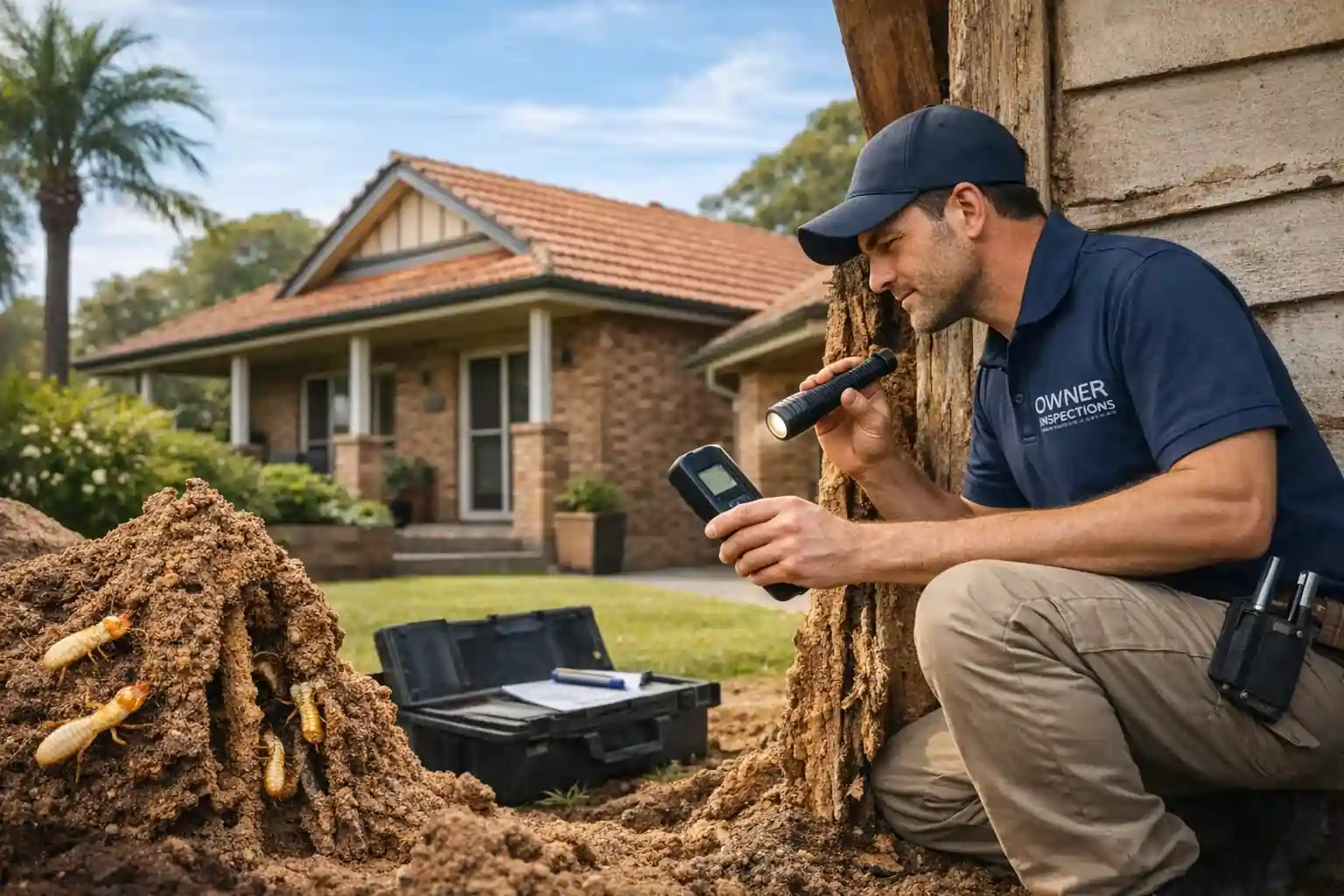
Termite Inspection to Protect Your Home from Damage
Termites cause approximately $1.5 billion in damage to Australian properties annually. Learn how professional termite inspections can protect your home and investment.
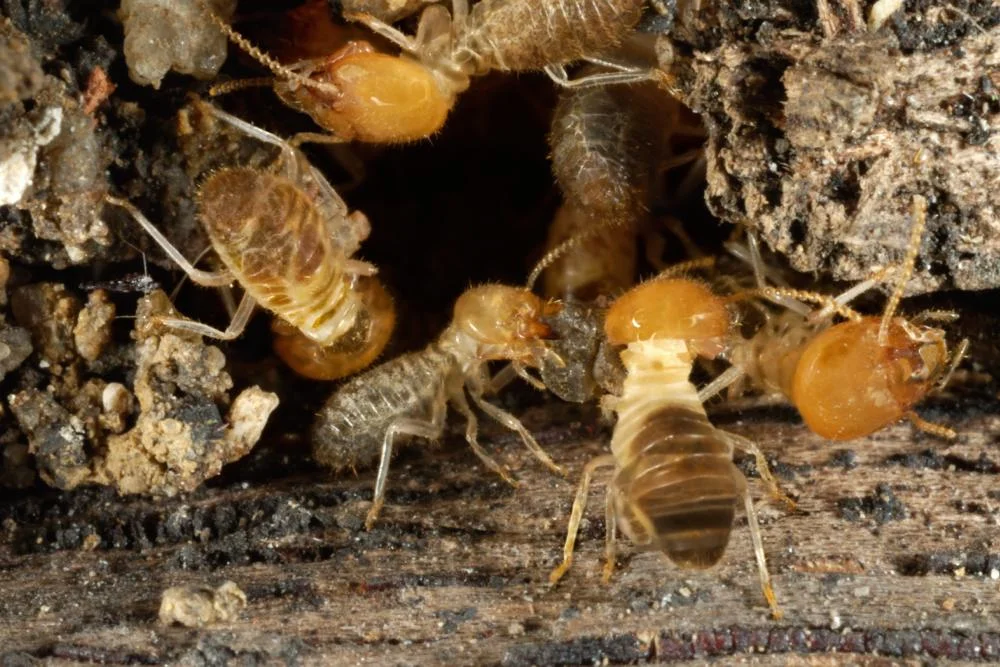
The Economic Cost of Termite Infestation
Termites cause billions of dollars in damage to Australian properties each year. Learn about repair costs, treatment expenses, and preventive measures.
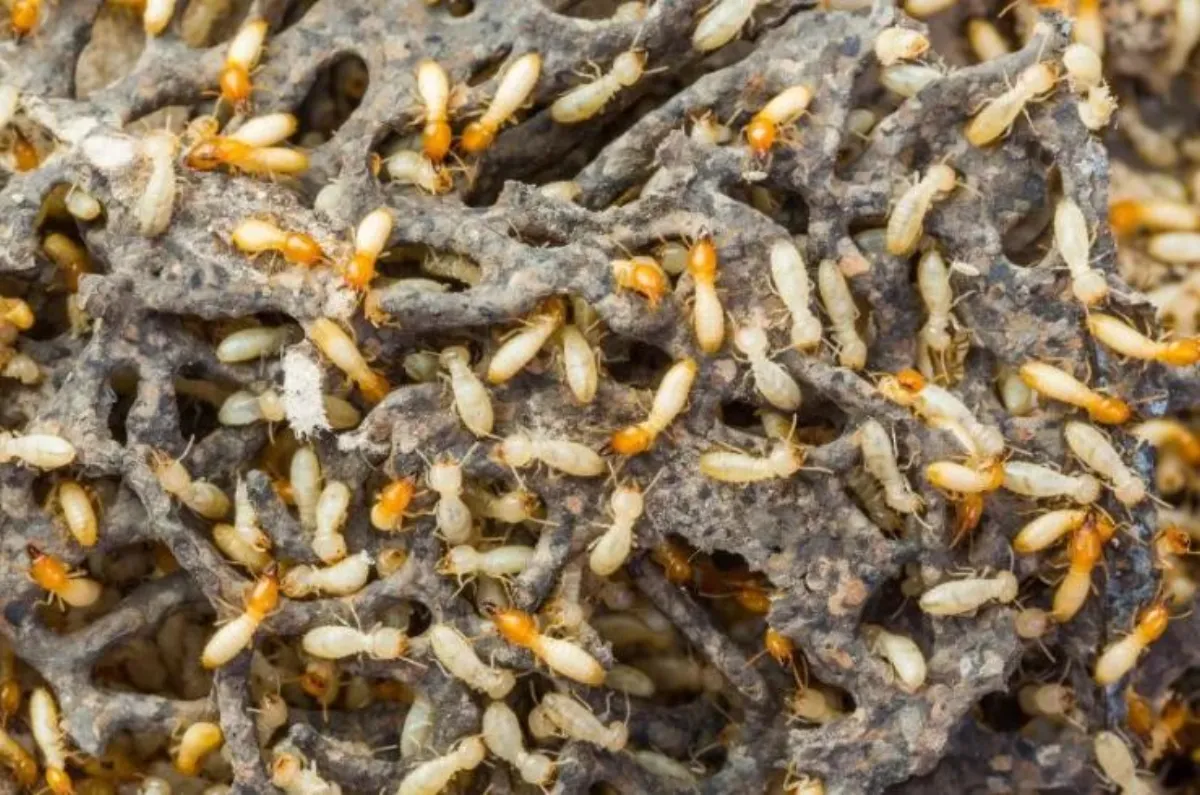
DIY vs Professional Timber Pest Inspections
Timber pests including termites, wood-boring beetles, and wood-decay fungi cause billions of dollars in damage to Australian homes each year. This guide compares the benefits and limitations of DIY timber pest inspections against professional services, helping you decide which approach suits your situation.
Worried about termites? Owner Inspections provides thorough timber pest inspections across NSW, Victoria, and Queensland using thermal imaging and moisture detection technology. Our licensed inspectors identify termite activity, assess risk levels, and recommend the most effective protection plan for your property. Get a quote today or call us on 1300 471 805.