
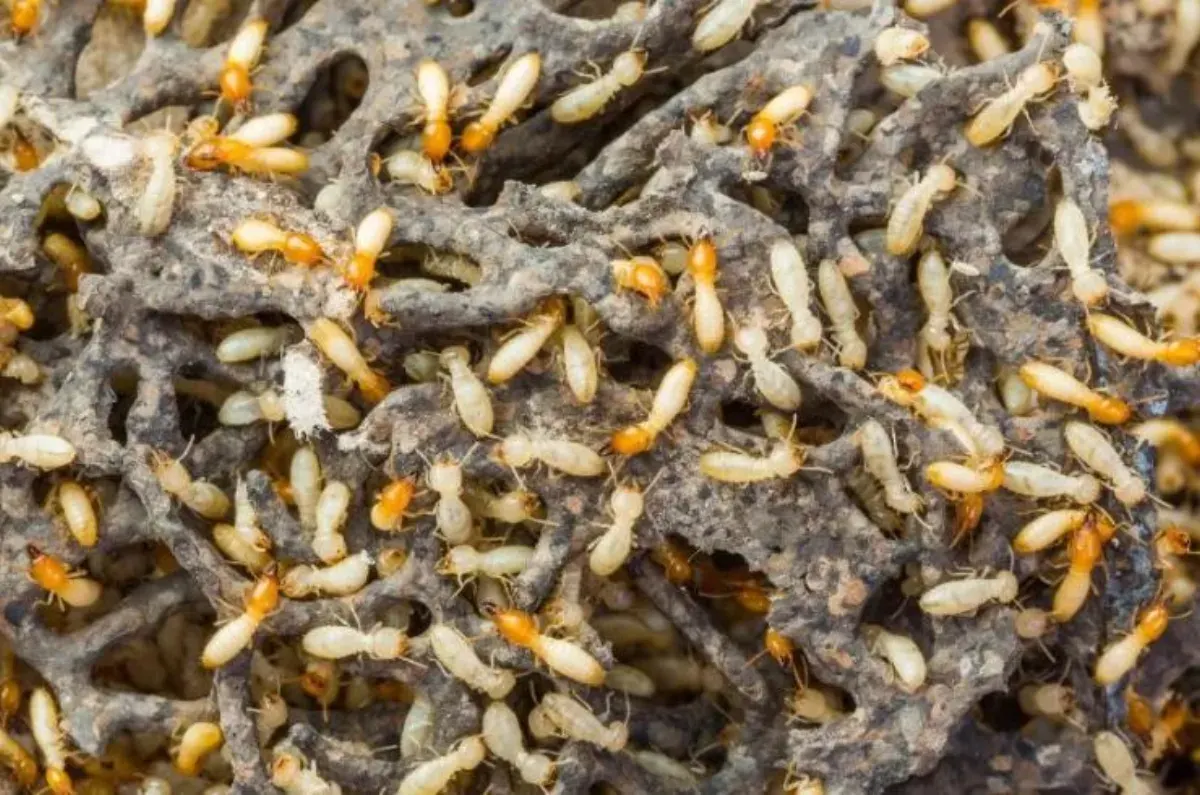
Homeowners often face a key decision when it comes to timber pest inspections: should you do it yourself or hire a professional? Both approaches have their merits, and the right choice depends on your property, budget, and the severity of any suspected issues. This guide breaks down the case for each approach so you can make an informed decision.
The Case for DIY Timber Pest Inspections
There are several reasons homeowners may choose to conduct their own timber pest inspections, particularly as a first line of defence between professional visits.
Cost Savings
Professional timber pest inspections in Australia typically cost between $250 and $500 depending on the size and location of the property. For homeowners on a tight budget, performing basic visual checks yourself can help reduce costs while still maintaining some level of vigilance against timber pests.
Control and Flexibility
DIY inspections allow you to check your property on your own schedule. You can inspect as frequently as you like, which is particularly useful during warmer months when termite activity increases. This flexibility means you can respond quickly to any changes you notice around your home.
Basic Inspection Knowledge
With some research and preparation, homeowners can learn to identify common signs of timber pest activity. These include mud tubes along foundations, hollow-sounding timber, frass (sawdust-like droppings from wood-boring beetles), and signs of moisture damage that may indicate fungal decay. Keeping an eye out for these indicators during routine maintenance can help catch problems early.
Limitations of DIY Inspections
While DIY inspections have their place, there are significant limitations that homeowners should be aware of.
Limited Experience and Risk of Misidentification
Identifying timber pest species and the extent of their damage requires training and experience. Homeowners may confuse termite damage with water damage, or misidentify harmless insects as destructive pests. Equally, active infestations can be easy to miss without knowing exactly what to look for.
Missed Areas
Many of the most vulnerable parts of a home are difficult to access without specialised equipment. Crawl spaces, subfloor areas, roof voids, and wall cavities are common hiding spots for timber pests. Without thermal imaging cameras, moisture meters, and other professional tools, these areas may go unchecked during a DIY inspection.
Treatment Issues
Even if you identify a pest problem, treating it effectively requires specialised knowledge. Over-the-counter treatments may provide temporary relief but are rarely sufficient for established infestations. Incorrect application of treatments can also pose health risks and may fail to address the root cause of the problem.
When a Professional Inspection Is Essential
There are certain situations where a professional timber pest inspection is not just recommended but essential.
Suspected Significant Infestation: If you notice widespread signs of timber pest activity such as multiple mud tubes, extensive hollow timber, or visible structural damage, a licensed inspector can accurately assess the extent of the problem and recommend appropriate treatment
Large or Complex Properties: Larger homes, multi-storey buildings, and properties with complex layouts have more potential entry points and hiding spots for pests. Professional inspectors have the tools and experience to thoroughly assess these properties
Real Estate Transactions: When buying or selling a property, a licensed timber pest inspection report is essential. Lenders and insurers often require it, and it provides both parties with an independent assessment of the property's condition. A building and pest inspection is a standard part of the property purchase process in Australia
Peace of Mind: Even if you conduct regular DIY checks, having a professional inspection at least once a year provides confidence that nothing has been missed. Licensed inspectors follow Australian Standard AS 4349.3 and use specialised equipment to detect activity that is invisible to the naked eye
DIY vs Professional Comparison
Pros
- DIY is more affordable for routine visual checks
- DIY allows flexible scheduling and frequent monitoring
DIY builds your awareness of your property's condition over time
Cons
DIY lacks specialised equipment such as thermal cameras and moisture meters
DIY risks misidentification of pest species and damage types
DIY cannot access concealed areas like wall cavities and subfloor spaces
Professional inspections follow AS 4349.3 and produce legally recognised reports
Professional inspectors can recommend and coordinate effective treatment plans
Additional Considerations
Regional Differences
Timber pest risk varies significantly across Australia. Northern regions with warmer, more humid climates tend to have higher termite activity than cooler southern areas. Homeowners in high-risk zones such as Queensland, the Northern Territory, and northern New South Wales should consider more frequent professional inspections. Your local council or state pest management authority can provide guidance on risk levels in your area.
A Hybrid Approach
For many homeowners, the most practical strategy combines both DIY and professional inspections. Conduct your own visual checks every few months, looking for common signs of timber pest activity around the perimeter of your home, in the subfloor (where accessible), and around any timber structures. Then schedule a comprehensive professional inspection annually or as recommended for your region. This hybrid approach balances cost savings with thorough coverage.
Frequently Asked Questions
What are the most common timber pests in Australia?
The most common timber pests in Australia are subterranean termites, drywood termites, wood-boring beetles (such as powder post beetles and furniture beetles), and wood-decay fungi. Subterranean termites are by far the most destructive, responsible for the majority of timber pest damage to Australian homes.
How often should I have a timber pest inspection?
Australian Standard AS 3660.2 recommends a professional timber pest inspection at least once a year. In high-risk areas such as northern Queensland and the Northern Territory, more frequent inspections may be warranted. Regular DIY visual checks between professional inspections are also a good practice.
What tools do I need for a DIY timber pest inspection?
For a basic DIY inspection, you will need a good quality flashlight (or torch), a flat-head screwdriver for tapping and probing timber, and ideally a moisture meter to detect elevated moisture levels that may indicate termite activity or fungal decay. Protective clothing and a dust mask are also recommended when inspecting subfloor areas.
Are there environmental considerations with timber pest treatments?
Yes. Many conventional termite treatments use chemical barriers that can affect soil and groundwater. Homeowners concerned about environmental impact should discuss options with their pest management professional. Alternatives include physical barriers, baiting systems, and eco-friendly treatments that use less toxic active ingredients.
What are the signs of a severe timber pest infestation?
Signs of a severe infestation include widespread hollow-sounding timber, visible sagging or buckling of floors and walls, multiple mud tubes on foundations and interior walls, large accumulations of frass or sawdust, and doors or windows that no longer close properly due to structural movement. If you notice any of these signs, contact a licensed pest inspector immediately.
Are home remedies effective against termites and other timber pests?
Home remedies such as vinegar, orange oil, or diatomaceous earth may provide limited short-term relief for minor surface-level issues, but they are not effective against established infestations. Subterranean termites in particular require professional-grade treatment to eliminate the colony. Relying on home remedies alone can allow infestations to spread and cause significant structural damage.
How do I choose a professional timber pest inspector?
Look for an inspector who is licensed in your state or territory and carries appropriate insurance. They should conduct inspections in accordance with Australian Standard AS 4349.3. Ask about their experience, the equipment they use (thermal imaging and moisture detection are standard), and request a sample report so you know what to expect. Check reviews and ask for references from previous clients.
What is the best time of year for a timber pest inspection?
Spring and early summer are the peak activity periods for termites in Australia, as warmer temperatures and increased humidity encourage swarming and colony expansion. Scheduling your annual professional inspection during this period increases the likelihood of detecting active infestations. However, timber pests can be active year-round, so inspections at any time of year are still valuable.
What preventative measures can I take against timber pests?
Key preventative measures include reducing moisture around your home by fixing leaks and improving drainage, keeping timber and garden mulch away from the foundation, ensuring adequate ventilation in subfloor areas, maintaining physical or chemical termite barriers, and scheduling regular professional inspections. Storing firewood away from the house and on a raised platform is also recommended.
What does a professional timber pest inspection report include?
A professional report prepared in accordance with AS 4349.3 includes details of the areas inspected, any evidence of timber pest activity or damage found, identification of the pest species involved, an assessment of conditions conducive to infestation, and recommendations for treatment or further investigation. The report also notes any areas that could not be accessed during the inspection.
Key Takeaways
- Timber pests including termites, wood-boring beetles, and fungi cause billions in damage to Australian homes annually
- DIY inspections offer cost savings and flexibility but lack specialised equipment and expertise
- Professional inspections follow AS 4349.3 and can detect concealed infestations using thermal imaging and moisture meters
- Professional inspections are essential for real estate transactions, large properties, and suspected significant infestations
- A hybrid approach combining regular DIY visual checks with annual professional inspections provides the best balance of cost and coverage
- Spring and early summer are the peak periods for termite activity in Australia
- Always use a licensed and insured inspector who follows Australian Standards
References and Resources
Related Articles
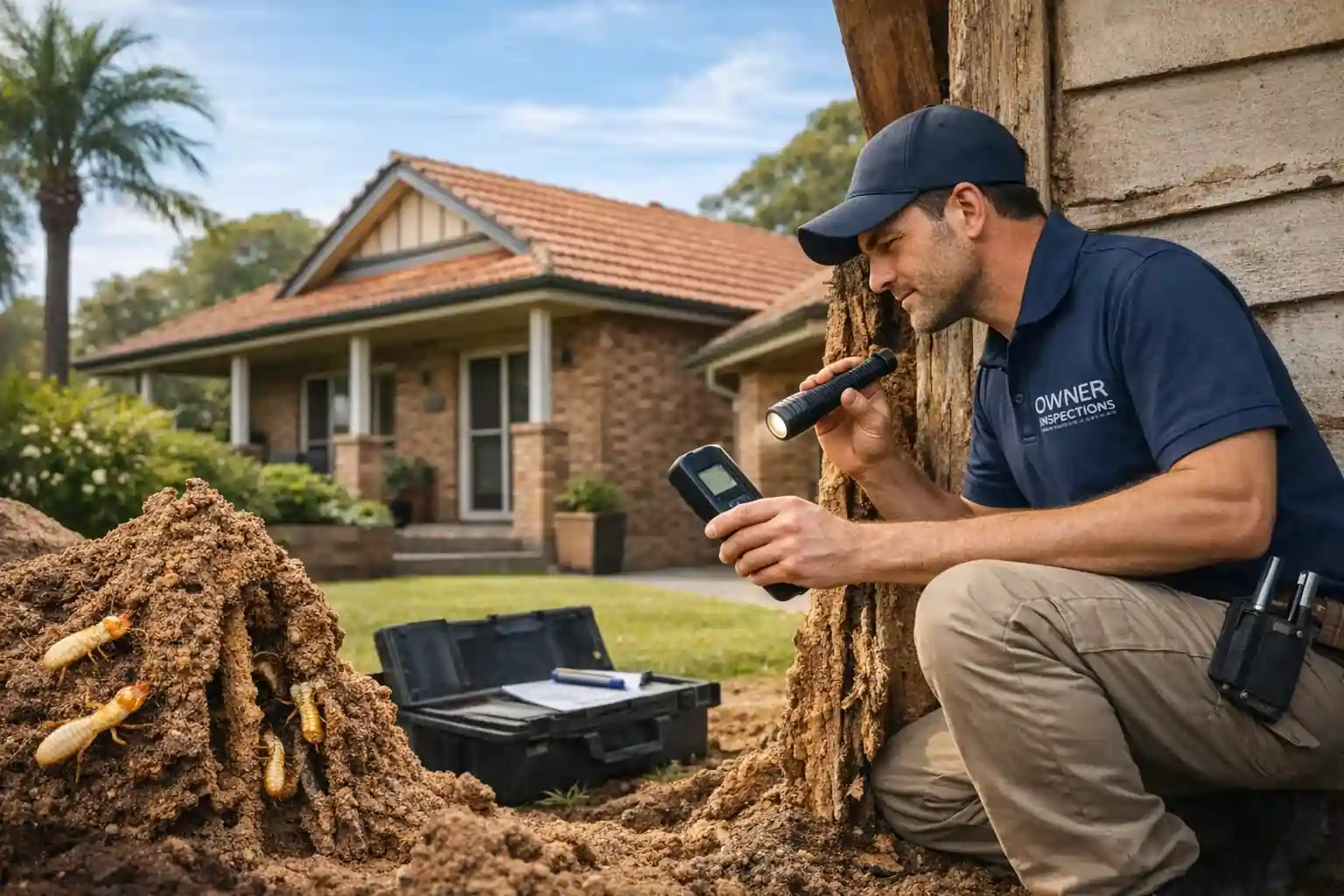
Termite Inspection to Protect Your Home from Damage
Termites cause approximately $1.5 billion in damage to Australian properties annually. Learn how professional termite inspections can protect your home and investment.
The Process of Conducting a Pre-Purchase Timber Pest Inspection
Timber pests including termites, borers, and wood decay fungi cause billions of dollars in damage to Australian homes every year. A pre-purchase timber pest inspection is a critical step before buying a property, identifying active infestations and existing damage that could cost thousands to repair. This guide walks through the full inspection process.
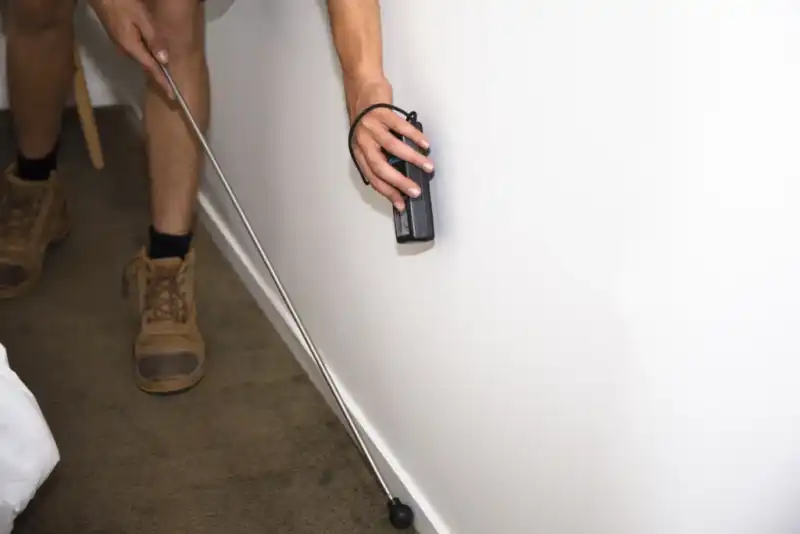
What's Involved in a Building and Pest Inspection?
Building and pest inspections evaluate structural integrity and pest-related issues in Australian properties. Learn what inspectors check, common issues detected, costs, and legal requirements.
Book a Professional Timber Pest Inspection
Protect your home from termites, wood-boring beetles, and wood-decay fungi. Owner Inspections uses thermal imaging and moisture detection equipment to identify timber pest activity that DIY checks can miss.