
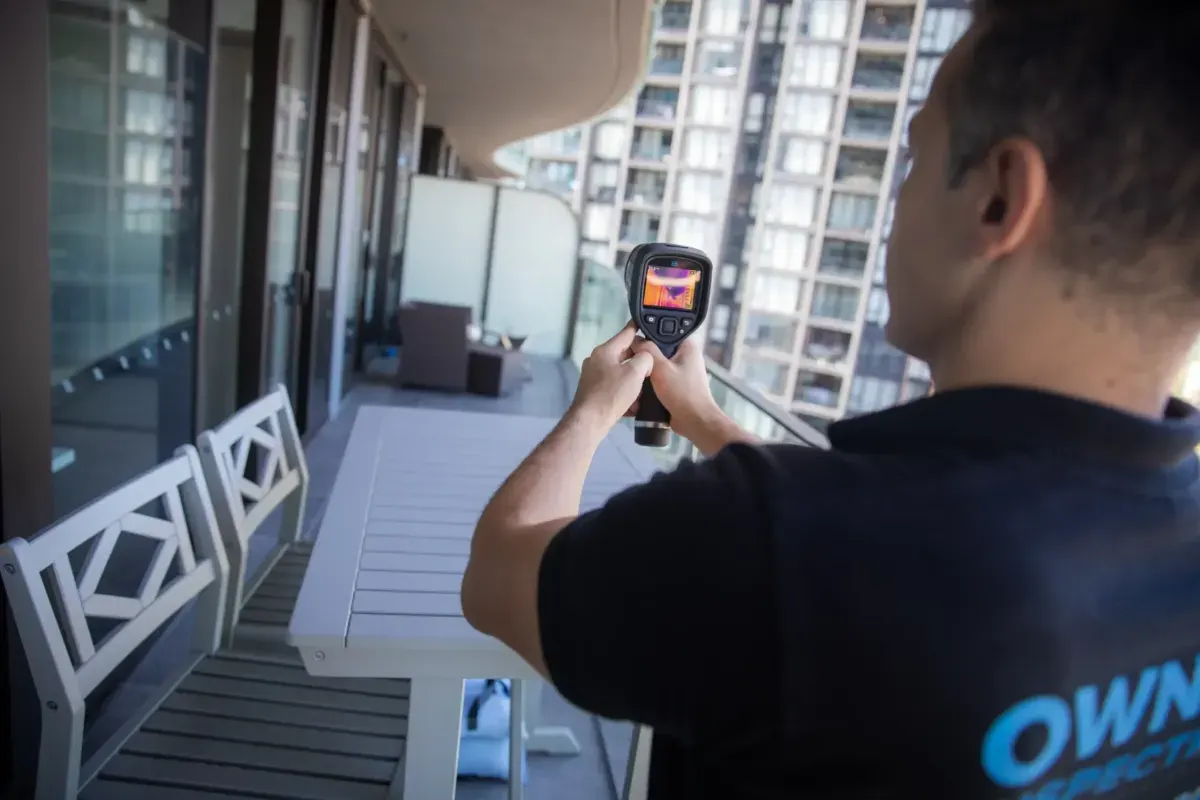
Each state and territory sets its own rules, so the notice period, the inspection limit, the hours of entry and the form to use all depend on where the property is. Tenants keep a right to peace, comfort and privacy, and a landlord or agent who follows the correct process can still inspect.
Quick Summary: Rental Inspection Rules in Australia
- Notice: 7 days' written notice in NSW, VIC, QLD, SA (7 to 28 days), NT, ACT (one week) and WA (7 to 14 days). Tasmania needs 24 hours.
- How often: up to 4 times in 12 months in NSW, SA and WA; once every 3 months in QLD, TAS and NT; every 6 months at most in VIC after the first 3 months; ACT allows the first month, the final month and twice a year.
- Agents: a real estate agent must follow exactly the same notice and frequency rules as the landlord.
- Emergencies: urgent repairs and emergencies follow separate rules and can need little or no notice.
- Checklist: landlords check condition, maintenance, safety items and lease compliance, not housework.
- Records: the entry condition report and dated photos decide most bond disputes at the end of the lease.
This tenant inspection guide explains routine rental inspections, landlord entry rules, rental inspection tenant rights, notice periods, checklists, reports, failed inspections, and when professional property inspection services can help landlords, tenants, and property managers make better decisions.
Protect Your Rental Property Before Small Issues Become Disputes
A clear inspection process helps landlords, tenants, and property managers document defects, safety concerns, and maintenance issues before they become harder to resolve.
Document Building Defects
Rental inspections serve a dual purpose. For landlords and property managers, they provide an opportunity to identify maintenance concerns early, verify lease compliance, and document the property's condition over time. For tenants, inspections offer a chance to raise repair requests and ensure the property remains safe and liveable.
What Is a Tenant Inspection?
A tenant inspection is a scheduled visit, after written notice, where the landlord, property manager or their agent checks the condition of a rental home, its maintenance needs, its safety items and whether the lease is being followed. It is also called a rental inspection, routine inspection or rental property inspection.
The inspection usually covers internal and external areas, including walls, floors, windows, doors, wet areas, appliances, gardens, fencing, safety items, and visible maintenance concerns.
A tenant inspection is not meant to be a privacy intrusion. NSW Fair Trading states that tenants have the right to reasonable peace, comfort, and privacy, while landlords and agents may enter without the tenant’s consent only when a valid reason and required notice have been given.
Types of Tenant Inspections
A tenancy usually involves five kinds of inspection: the entry (move-in) inspection, routine inspections during the lease, emergency entry, the exit (move-out) inspection, and sometimes a pre-rental check before a new tenant moves in. Each has a different purpose and different notice rules.
| Inspection type | Purpose | Common documents |
|---|---|---|
| Routine inspection | Checks property condition, maintenance needs, safety issues, and lease compliance | Rental inspection checklist, photos, notes, routine inspection report |
| Move-in inspection | Records the property condition at the start of the lease | Entry condition report, photos, signed notes |
| Move-out inspection | Compares the final property condition with the start-of-tenancy records | Exit condition report, bond claim records |
| Emergency inspection | Deals with urgent safety or property damage risks | Repair notes, emergency access records |
| Pre-rental inspection | Checks condition before a new tenancy starts | Property condition report, maintenance notes |
Routine Inspections
A routine inspection checks whether the tenant is caring for the property and whether repairs, maintenance, health, or safety issues need attention. Queensland’s Residential Tenancies Authority states that routine inspections are not housework inspections and that the person inspecting should recognise that people live in the home.
For landlords managing ageing homes or investment properties, a professional maintenance inspection can help document defects, water damage, roof concerns, pest activity, drainage issues, and safety risks before they become harder to resolve.
Move-In and Move-Out Inspections
Move-in and move-out inspections protect both sides. The condition report completed at the start of the tenancy is often the key document used when deciding whether an issue is fair wear and tear, tenant-caused damage, or a pre-existing defect.
Tenants should take clear photos at the start of the lease, keep copies of emails, and report maintenance issues in writing. Landlords should keep signed reports, dated photos, repair records, and inspection notes.
Emergency Inspections
Emergency entry rules are different from routine inspection rules. In NSW, notice is not required in an emergency, for urgent repairs, if the property is abandoned, if the Tribunal orders entry, or if the tenant agrees.
Condition Reports Are Your Best Protection
Whether you are a landlord or a tenant, the condition report completed at the start of a tenancy is the single most important document for resolving disputes at the end of the lease. Take detailed photos and notes during the move-in inspection and keep copies throughout the tenancy.
Legal Requirements for Tenant Inspections in Australia
Rental inspection rules in Australia are set by each state and territory's residential tenancy law, not by one national rule. Each sets the notice period for a routine inspection, how often one can happen, the hours of entry, the notice form to use, and where a tenant can complain if entry is unlawful.
A landlord or real estate agent should always confirm the local rule before issuing a rental inspection notice. Tenants should also check their state authority if they believe entry is unlawful, excessive, or intrusive.
Rental Inspection Notice Periods by State
A routine rental inspection needs at least 7 days' written notice in every state and territory except Tasmania, which needs 24 hours. The number of inspections allowed ranges from every 3 months to every 6 months. The table below gives the rule for each, with a link to the official source.
| State | Routine Inspection Notice Period | Maximum Inspection Frequency |
|---|---|---|
| NSW | 7 days written notice | Up to 4 times in any 12 month period |
| VIC | 7 days written notice | Not more often than every 6 months after the first 3 months of tenancy |
| QLD | 7 days written notice | Once every 3 months unless agreed in writing |
| WA | 7 to 14 days written notice | No more than 4 times a year |
| SA | 7 to 28 days written notice | No more than 4 times a year (since 1 July 2024) |
| TAS | Minimum 24 hours notice | Not more than once every 3 months unless agreed in writing, including once in the first month |
| NT | At least 7 days written notice | Not more than once every 3 months |
| ACT | At least 1 week written notice | First month, final month, and twice in each 12 month period |
Important
Rental inspection laws can change and vary by state or territory. Landlords and tenants should check their local tenancy authority before relying on notice periods, entry times, or inspection frequency rules.
Landlords cannot conduct excessive or unannounced inspections unless there is an emergency or another lawful reason for entry. They must also conduct inspections at reasonable times and follow the entry conditions set by their state or territory.
When Does a Landlord Inspection Become Intrusive in Australia?
A landlord inspection becomes intrusive when it happens more often than the state allows, without the required written notice, outside permitted hours, or goes beyond the reason given, such as photographing a tenant's belongings or staying longer than needed. Tenants can challenge intrusive entry through their state tenancy authority or tribunal.
Common examples of intrusive rental inspections include:
| Intrusive inspection concern | Why it may be a problem |
|---|---|
| No proper notice | Tenancy laws usually require written notice before routine entry |
| Too many inspections | Most states limit routine inspection frequency |
| Entry outside allowed hours | Some states restrict entry times |
| Unnecessary photos of personal items | Privacy rules may apply when photos show tenant belongings |
| Staying longer than needed | Entry should match the stated reason |
| Inspecting unrelated areas | The inspection should stay connected to the lawful purpose |
Tenants have legal protections under Australian tenancy laws and may challenge unlawful inspections through state tenancy authorities or tribunals if privacy rights are breached.
In Victoria, rental providers must not exercise their right of entry in an unreasonable manner or stay longer than needed for the purpose of entry unless the renter gives permission.
NSW rules also say photos or videos used for advertising must not show the tenant’s belongings without written consent.
Landlords should always follow landlord inspection rules carefully to avoid disputes and maintain a professional relationship with tenants.
Landlord Inspection Rules in Australia: What Counts as Fair Entry?
Fair entry for a rental inspection means the landlord or agent gives the correct written notice, stays within the state's limit on how often they inspect, enters at a permitted time, checks only what the inspection is for, and keeps records focused on the property rather than the tenant's belongings.
1. Providing Proper Notice
A rental inspection notice should clearly state the reason for entry, the date, the time or entry window, and who will attend. In Victoria, the notice must be in writing and state the reason for entry. Notice can be delivered by email, text, or formal letter, and should include landlord or agent contact details.
2. Respecting Inspection Frequency
Landlords should not conduct repeated inspections just because they want to check on the property. In Queensland, routine inspections cannot be carried out more than once every 3 months unless the tenant agrees in writing. Excessive inspections can be treated as harassment and may carry legal consequences.
3. Checking Relevant Areas
A routine rental inspection may include the kitchen, bathrooms, laundry, bedrooms, living areas, exterior spaces, garden, fencing, smoke alarms, visible plumbing, ventilation, and signs of mould or water damage.
- Interior: Walls, ceilings, flooring, doors, windows, plumbing, electrical systems, appliances, smoke alarms, heating and cooling systems. If moisture, leaks, or damp patches are found, a water damage inspection report may help identify the cause and severity.
- Exterior: Roof, gutters, fencing, driveways, garden condition, potential pest infestations. If roof leaks, sagging, flashing failures, or drainage problems appear, a roof defect inspection may be useful.
- Lease Compliance: Identifying unauthorized pets, illegal subletting, misuse of property, or any lease agreement breaches.
If the inspection identifies damp patches, leaks, cracking, roof problems, or suspected structural movement, the landlord may need a professional building inspection rather than relying only on routine inspection notes.
4. Keeping Clear Records
Landlords should use a rental inspection checklist and keep dated photos, videos, notes, repair requests, tenant responses, and follow-up actions. Proper documentation ensures transparency and serves as evidence if damages or bond claims are later disputed.
A rental inspection report should focus on property condition, safety concerns, maintenance needs, cleanliness concerns, and lease compliance. Photos should document the condition of the property, not personal belongings where possible.
A landlord inspection intrusion issue may arise when:
- Inspections happen too frequently
- Entry occurs without proper notice
- Photos of personal belongings are taken unnecessarily
- Landlords attend outside approved reasons under tenancy laws
Tenants have the right to question unlawful entry and can escalate disputes to their state tenancy tribunal if necessary.
Need Clear Evidence for Rental Property Damage?
Photos, reports, and written records can make a major difference when defects, repairs, or bond disputes need to be reviewed properly.
Documentation Guide
Tenant Rights During Inspections
During a rental inspection, tenants have the right to proper written notice, to entry only at permitted times and within the state's frequency limit, to be present if they want, and to privacy for their belongings. They cannot usually refuse a lawful routine inspection that follows the correct process.
QCan a Tenant Refuse a Rental Inspection?
One of the most common questions renters ask is whether they can refuse a rental inspection. In Australia, tenants can refuse entry if landlords fail to provide proper notice or attempt to enter outside legal reasons permitted under tenancy legislation.
A tenant may legally challenge entry if:
- Proper notice was not given
- The inspection frequency exceeds legal limits
- The inspection time is unreasonable
- The landlord enters without consent outside emergency situations
However, tenants generally cannot refuse a lawful routine inspection when the landlord has followed the correct process.
1. Right to Privacy Tenants have the right to quiet enjoyment of their home. Landlords must follow privacy laws and cannot enter outside of the agreed notice period. Inspections should be conducted professionally and without unnecessary disruptions.
2. Conditions for Entry Landlords must have a valid reason for entry and conduct inspections during reasonable hours. Tenants can be present during the inspection if they choose.
3. Handling Disputes If tenants believe an inspection violates their rights, they can file complaints with tenancy authorities in their state. If disputes arise over property conditions, tenants and landlords should document concerns and seek mediation before escalating to a tribunal.
How Often Can Rental Inspections Be Done?
Routine rental inspections can be done up to 4 times in 12 months in NSW, SA and WA, once every 3 months in Queensland, Tasmania and the NT, and at most every 6 months in Victoria after the first 3 months of the lease. The ACT allows inspections in the first month, the final month and twice a year.
Routine inspections help:
- Identify maintenance concerns early
- Protect the long term value of the property
- Ensure safety standards are maintained
- Reduce disputes at the end of the lease
Emergency inspections are treated differently and may occur without notice if urgent repairs or safety issues exist.
Landlords should avoid conducting inspections too frequently as repeated inspections may breach tenant privacy laws.
How to Prepare for a Routine Inspection
To prepare for a routine inspection, landlords should give correct written notice and use the same checklist each time, and tenants should clean the main areas, test smoke alarms, and report any repairs in writing beforehand. A routine inspection is a condition check, not a housework inspection.
For Landlords:
- Provide written notice well in advance.
- Use a structured rental inspection checklist.
- Conduct the inspection professionally and respectfully.
- Take detailed notes and photographs for records.
- Address any maintenance concerns promptly.
For Tenants:
- Clean and organize the property before inspection.
- Address minor maintenance issues.
- Ensure all safety equipment (smoke alarms, locks, etc.) is in working order.
- Be present during the inspection if preferred.
- Request a copy of the inspection report if necessary.
Rental Inspection Checklist for Landlords and Tenants
A rental inspection checklist covers the kitchen, bathroom, laundry, walls and floors, smoke alarms, doors and windows, the exterior, safety hazards and lease compliance. For each area, it records what the landlord checks and what the tenant should prepare, so both sides are working from the same list.
| Area | What landlords commonly check | What tenants should prepare |
|---|---|---|
| Kitchen | Appliances, cupboards, exhaust fan, leaks, benchtops | Clean oven, stovetop, sink, and surfaces |
| Bathroom | Mould, grout, leaks, exhaust fan, toilet, shower screen | Remove surface mould, clean tiles, report leaks |
| Laundry | Taps, drainage, ventilation, water marks | Check hoses and report dampness |
| Walls and floors | Cracks, stains, holes, carpet damage, water marks | Clean marks and report damage early |
| Smoke alarms | Function and access | Do not remove or cover alarms |
| Doors and windows | Locks, screens, glass, weather seals | Check damaged screens or stuck windows |
| Exterior | Garden, gutters, fencing, drainage, rubbish | Mow lawns, tidy garden, remove rubbish |
| Safety issues | Electrical risks, trip hazards, loose rails | Report hazards in writing |
| Lease compliance | Pets, occupants, alterations, subletting | Keep approvals and written records |
For tenants, preparing ahead of the inspection can help reduce stress and prevent avoidable issues from appearing in the report.
Recommended preparation includes:
- Cleaning high traffic areas
- Testing smoke alarms
- Reporting maintenance issues early
- Checking for leaks or water damage
- Removing rubbish and clutter
Using a structured rental inspection checklist also improves documentation and consistency across inspections.
What Should Be Included in a Routine Inspection Report?
A routine inspection report should record the date and time, who attended, the notice given, room-by-room findings with dated photos, maintenance issues, the tenant's own concerns, and the agreed follow-up actions. Those details turn a quick walk-through into evidence both sides can rely on later. For broader reporting guidance, see Owner Inspections’ guide to understanding your property inspection report. It may also be called an apartment inspection report, rental property inspection report, house inspection rental report, or inspection of rental property record, depending on the property type and state requirements.
A professional rental inspection report should include:
| Report item | Why it matters |
|---|---|
| Date and time | Shows when the inspection occurred |
| Attendees | Records who entered the property |
| Notice details | Confirms entry process |
| Room-by-room notes | Makes findings easy to review |
| Photos | Supports condition evidence |
| Maintenance issues | Helps assign repairs |
| Tenant concerns | Shows repair requests were raised |
| Follow-up actions | Records what happens next |
Maintaining detailed reports helps protect both landlords and tenants if disputes arise later.
Good documentation also supports bond claim decisions during end of lease inspections. If the dispute relates to damage from nearby construction, excavation, or building works, dilapidation reports can help record the condition of a property before and after works.
End of Lease Inspections and Bond Refunds
The end of lease inspection compares the property's condition with the entry condition report to decide whether the tenant's bond is returned in full or partly claimed. Fair wear and tear is not the tenant's responsibility, but damage, missed cleaning and unapproved changes can lead to a bond claim.
1. What is an End-of-Lease Inspection?
This final inspection determines if the property meets lease requirements before returning the bond. A condition report is used to compare the property's condition at the start and end of the tenancy. Where damage or disputed defects are involved, an independent property inspection report can provide clearer evidence for landlords, tenants, and property managers.
2. Differentiating Normal Wear and Tear vs. Damage
- Wear and Tear: Faded paint, minor carpet wear, loose door handles.
- Tenant-Caused Damage: Broken fixtures, excessive stains, holes in walls, deliberate property alterations.
3. Getting a Full Bond Refund
- Thoroughly clean the property.
- Repair tenant-caused damage.
- Provide documentation for disputes.
- Ensure all keys and remotes are returned.
- Take photos before handing over the property.
Bond Claim Disputes Are Common
Bond disputes are among the most frequent matters heard by state tenancy tribunals. In most cases, disputes arise from disagreements about cleaning standards, garden maintenance, or whether an issue constitutes wear and tear or damage. Clear documentation from the start of the tenancy significantly reduces the risk of a disputed claim.
Common Issues Found During Inspections
The most common issues found during rental inspections are property damage such as holes in walls, mould and poor cleaning, unapproved changes or pets, and maintenance problems the tenant has not reported, especially leaks. Knowing what inspectors look for helps tenants fix or report issues before the visit.
- Property Damage: Holes in walls, broken appliances, missing fixtures, water damage. For more serious cracks, movement, or suspected structural concerns, a structural integrity inspection can help assess the building’s load-bearing elements.
- Cleanliness Issues: Mold buildup, pest infestations, poor hygiene maintenance.
- Unauthorized Modifications: Alterations made without landlord approval, such as painting or structural changes.
- Unreported Maintenance Issues: Leaks, faulty electrical wiring, plumbing issues, mold. If plumbing defects or hidden water issues are suspected, landlords may need a focused plumbing defect inspection.
- Lease Violations: Unauthorized occupants, pets, smoking indoors, illegal activities.
Tenants have a responsibility to report maintenance issues promptly. Failing to report a minor leak, for example, can lead to significant water damage that the tenant may become liable for if it can be shown that early reporting would have prevented the problem.
What Happens If You Fail a Rental Inspection?
Failing a rental inspection does not usually mean eviction. The landlord or agent normally gives the tenant a written list of issues to fix, such as cleaning or repairs, and may book a follow-up inspection. Serious or repeated breaches can lead to a breach notice and, if unresolved, the tribunal.
Common reasons tenants fail rental inspections include:
| Reason | Common next step |
|---|---|
| Excessive property damage | Repair request or breach notice |
| Poor cleanliness | Cleaning request and follow-up inspection |
| Unauthorised pets | Request for approval, removal, or breach process |
| Unreported maintenance issues | Repair investigation |
| Lease breaches | Written notice or tribunal process if unresolved |
Landlords may issue:
- Breach notices
- Requests for repairs or cleaning
- Follow-up inspections
In severe cases involving property damage or repeated lease breaches, tenancy tribunals may become involved.
Most routine inspection issues can be resolved through communication and timely repairs.
Legal Considerations & Best Practices
The safest approach for both sides is to follow the state's written notice rules exactly, keep every notice, photo and repair request, and raise disagreements in writing early. Landlords should use the required form where one applies, and tenants should contact their state tenancy authority if they believe entry is unlawful.
For Landlords:
- Check the current rental inspection notice rules in the correct state or territory.
- Use the required form where one applies.
- Avoid excessive inspections.
- Keep photos focused on property condition.
- Store inspection reports, repair records, and tenant communications.
For Tenants:
- Read the notice carefully.
- Ask for clarification if the reason, date, or time is unclear.
- Keep your own photos and emails.
- Report maintenance issues in writing.
- Seek help from your state tenancy authority if you believe entry is unlawful.
When to Get a Professional Inspection
Get a professional property inspection when a routine rental inspection is not enough: when there is a dispute about damage, when mould, leaks, cracking or roof problems appear, or when a landlord or tenant needs an independent entry or exit condition report with dated photos.
Consider one when:
- There is a dispute about property damage.
- Mould, leaks, dampness, or hidden moisture are suspected.
- Cracks, movement, roof leaks, or drainage issues appear.
- A landlord needs an independent condition report.
- A tenant wants clearer evidence before an end-of-lease inspection.
- A property manager needs technical support for defects or safety concerns.
An independent report from a building inspector, with dated photos and clear findings, is usually clearer evidence in a dispute than informal notes or phone photos.
Owner Inspections can support landlords, tenants, and property managers with independent building reports, defect investigation, mould inspection, roof inspection, maintenance inspection, and property condition documentation.
Need Help with Rental Inspections?
Owner Inspections prepares independent entry and exit property condition reports for landlords, agents and tenants, with dated photos of every room, and investigates defects such as mould, leaks and roof problems when a routine inspection raises them. For broader building checks, see our building inspection services.
Need Help With a Rental Inspection or Property Defect?
Owner Inspections can help you document property condition, identify defects, and understand the next practical steps before issues become disputes.
Condition Reports
Frequently Asked Questions
How much notice does a landlord need to give for an inspection?
How much notice does a real estate agent have to give for an inspection?
What is considered a landlord inspection intrusion in Australia?
Can a tenant refuse a rental inspection?
How often are rental inspections allowed in Australia?
What are rental inspection tenant rights in NSW?
What are rental inspection tenant rights in QLD?
What are rental inspection tenant rights in WA?
What happens if you fail a rental inspection in NSW?
What should be included in a rental inspection report?
Key Takeaways
- Tenant inspections in Australia are governed by state-specific residential tenancy legislation, with routine notice of 7 days in most states and 24 hours in Tasmania
- Routine inspections are limited to about four a year in most states, or every 6 months in Victoria
- The condition report completed at the start of a tenancy is the most important document for resolving end-of-lease disputes
- Fair wear and tear is not the tenant's responsibility, but damage from misuse or neglect can result in bond deductions
- Both landlords and tenants benefit from taking detailed photographs and keeping written records throughout the tenancy
- Landlords must follow correct notice and entry procedures or risk penalties and tribunal action
- Independent condition reports with dated photos give both sides clearer evidence if a dispute arises
- Bond disputes are among the most common tenancy tribunal matters and are best prevented through clear documentation from day one
Related Articles
Rental Safety Checks to Ensure Tenant Protection
The electrical, gas, fire safety and structural checks that keep a rental safe and a landlord compliant.

How Often Are Buildings Inspected in Australia?
Understand the recommended inspection frequencies for Australian properties, from routine maintenance checks to compliance requirements.
How to Read and Use Your Property Inspection Report
How to read the findings in an inspection report, prioritise the issues and decide what to do next.
Need a Professional Property Inspection?
Whether you are a landlord seeking an independent condition report or a tenant preparing for an end-of-lease inspection, our building inspectors provide impartial entry and exit reports with dated photos across NSW, VIC and QLD.