
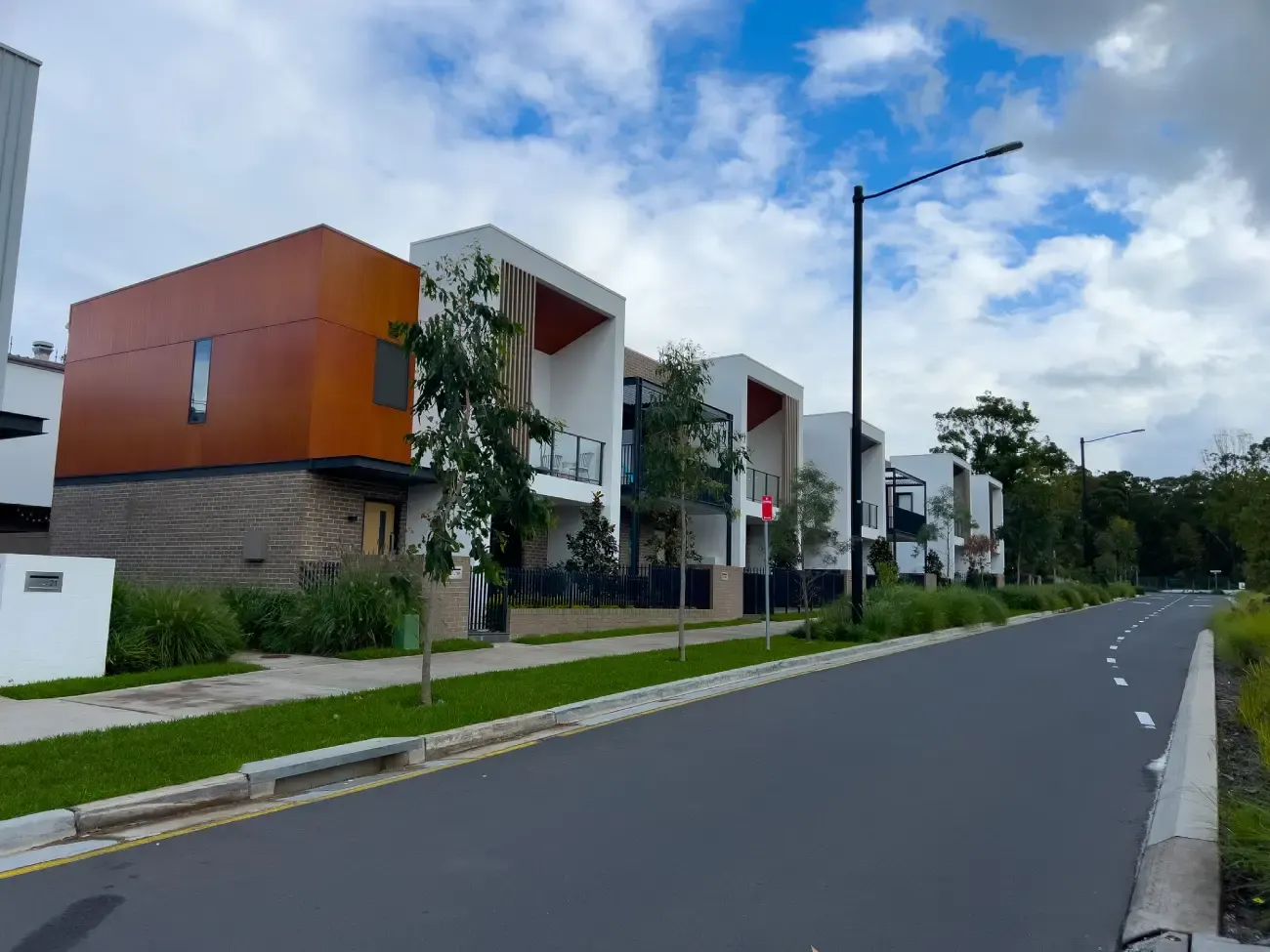
As a landlord or property manager, you carry a direct responsibility for the safety of the people living in your rental properties. Regular safety inspections are not just a box-ticking exercise. They protect your tenants, meet legal requirements, and safeguard the long-term value of your investment. Ignoring these checks can lead to accidents, legal repercussions, and significant financial losses.
Why Rental Safety Checks Matter
Tenant protection: preventing hazards and accidents
Rental properties, especially older ones, can present a variety of safety hazards if not properly maintained. Electrical fires, gas leaks, and structural issues are just a few of the risks that could put tenants in danger. Routine safety inspections help identify and fix these hazards before they escalate into serious incidents. Addressing safety concerns early ensures that tenants feel secure in their living environment.
Legal compliance: meeting Australian standards
Australian law imposes strict safety regulations for rental properties. Landlords must ensure that their properties comply with safety standards outlined in the National Construction Code (NCC) and state-specific rules. Electrical systems must meet AS/NZS 3000 standards, and gas appliances must be regularly inspected to prevent leaks. Failure to meet these standards can result in heavy fines, penalties, and legal action.
Financial benefits: protecting your investment
Regular inspections allow landlords to identify and fix small issues before they become costly. Spotting a minor leak in a roof or a small crack in the foundation early can save thousands of dollars in repairs down the line. A well-maintained property is also more likely to retain tenants and attract long-term renters, ensuring consistent rental income.
Tenant satisfaction: maintaining a comfortable environment
A safe, well-maintained, and compliant property is more likely to attract and retain quality tenants. When tenants feel secure, they are more likely to stay longer, reducing turnover and minimising vacancy periods. This ensures steady cash flow and helps build a reputation as a responsible landlord.
Key Safety Checks for Rental Properties
Landlords must perform regular inspections across several areas of the property. Below are the inspections every rental property should undergo.
Electrical safety inspections
Electrical issues are one of the leading causes of house fires in rental properties. Exposed wires, faulty power points, and overloaded circuits are all fire hazards that can cause significant harm.
- Hire a licensed electrician to perform annual electrical system inspections
- Check for exposed wiring, overloaded power points, or malfunctioning power points
- Carry out repairs immediately if any issues are found
- Ensure switchboards are up to date and safety switches are installed and functional
Gas compliance inspections
Gas appliances, from stoves to hot water systems, are common in rental homes. If not regularly checked for leaks or faults, they present serious risks including carbon monoxide poisoning, fires, or explosions.
- Have a licensed gas fitter perform annual gas compliance inspections
- Ensure all gas appliances function correctly and gas pipes are not corroded or leaking
- Provide tenants with a gas compliance certificate verifying the system is safe
In Victoria, landlords are legally required to have gas appliances checked by a licensed gasfitter every two years and provide tenants with a current gas safety certificate. Check your state's specific requirements.
Smoke alarm testing
Australian law mandates that smoke alarms be installed in all rental properties and tested regularly.
- Test smoke alarms at least twice a year and replace batteries annually
- Replace the entire smoke alarm unit every 10 years
- Ensure alarms comply with Australian Standard AS 3786
Fire safety and emergency exits
In the event of a fire, tenants must be able to evacuate quickly and safely.
Water efficiency inspections
Water efficiency is both an environmental concern and a legal requirement in many Australian states.
- Inspect all plumbing fixtures, including toilets, showers, and taps, for leaks
- Replace outdated fixtures with water-saving alternatives such as low-flow showerheads and dual-flush toilets
- Repair visible water leaks promptly to avoid mould or water damage
Structural integrity
Cracks in walls, unstable floors, or deteriorating roofs can pose significant risks to tenants.
- Regularly inspect the foundation, roof, walls, and floors for signs of damage
- Look for cracks, signs of water damage, or any other structural concerns
- Address problems promptly to prevent further deterioration and potential safety incidents
Inspection Types at a Glance
| What to Check | Frequency | |
|---|---|---|
| Electrical Safety | Wiring, power points, switchboards, safety switches, appliances | Annually by a licensed electrician |
| Gas Compliance | Gas appliances, pipes, connections, ventilation | Annually (every 2 years minimum in VIC) |
| Smoke Alarms | Battery, sensor function, placement, compliance with AS 3786 | Twice yearly (battery replacement annually) |
| Fire Safety | Exit access, fire extinguishers, evacuation routes | Every 6 months |
| Water Efficiency | Plumbing fixtures, taps, toilets, showerheads, pipes | Annually |
| Structural Integrity | Foundation, roof, walls, floors, drainage | Annually or when damage is reported |
Tenant Rights and Responsibilities
Tenant rights: a safe living environment
Tenants have the legal right to live in a property that meets minimum safety standards. This includes working smoke alarms, compliant gas appliances, and a structurally sound building. Tenants can request safety inspections if they believe the property is unsafe.
Tenant responsibilities: reporting safety hazards
Tenants must promptly report any safety hazards or concerns to the landlord. They are also responsible for maintaining the property's condition during their tenancy, including keeping smoke alarms functional and reporting issues with plumbing or electrical systems.
Notice of inspection: ensuring transparency
Landlords must provide tenants with sufficient notice before conducting safety inspections. Typically, tenants must be given at least 24 hours' notice (48 hours in some states) before an inspection takes place. This ensures transparency and allows tenants to prepare.
How Often Should Rental Inspections Be Done
Safety inspections should generally be conducted at least once a year, though more frequent inspections may be necessary depending on the property.
- Property age: Older properties, or those with outdated infrastructure, may require more frequent inspections
- Tenant reports: If tenants report specific issues or safety concerns, additional inspections should be scheduled
- Location risks: Properties in areas prone to natural disasters or extreme weather may require more regular checks
Landlord Inspection Checklist
Legal Obligations for Landlords
Landlords must comply with national and state safety standards to avoid legal risks and protect tenants. This includes keeping accurate records of inspections and maintaining compliance with safety regulations. Failing to comply can result in penalties, fines, and even loss of rental income.
State-specific tenancy laws (such as the Residential Tenancies Act in Victoria and the Residential Tenancies Act in NSW) set out minimum standards for rental properties. Make sure you understand the requirements in your state or territory. In Victoria, a rental minimum standards inspection checks a property against all 15 standards before it is advertised or a renter moves in.
Key Takeaways
- Rental safety checks are a legal requirement for Australian landlords and protect tenants from preventable hazards.
- Electrical inspections, gas compliance checks, and smoke alarm testing should be conducted at least annually.
- Tenants have the right to a safe living environment and can request inspections if they feel the property is unsafe.
- Landlords must give tenants proper notice (typically 24 to 48 hours) before conducting an inspection.
- Regular safety checks help prevent costly repairs, reduce legal liability, and maintain property value.
- A well-maintained rental property attracts and retains quality tenants, ensuring steady income.
- State-specific laws in NSW, VIC, and QLD set minimum standards that landlords must meet.
Frequently Asked Questions
How often should I conduct a rental safety inspection?
Safety inspections should be done at least once a year. However, more frequent inspections may be warranted for older properties, properties in areas prone to extreme weather, or when tenants raise specific safety concerns. Some components, like smoke alarms, should be checked twice a year.
What are the legal requirements for rental safety checks in Australia?
Landlords must comply with the National Construction Code, state-specific residential tenancy legislation, and local council safety standards. In Victoria, gas safety checks are legally required every two years. In Queensland and NSW, smoke alarms must meet specific standards and be checked regularly. Each state has its own set of requirements, so always check your local regulations.
Can tenants request a safety inspection of the rental property?
Yes. Tenants can request a safety inspection if they believe the property is unsafe. Landlords are responsible for addressing the concerns and scheduling the appropriate inspections. Ignoring a tenant's legitimate safety request can lead to legal consequences.
What happens if my rental property fails a safety inspection?
If a property fails an inspection, the landlord must address the issues promptly. Depending on the severity, this may involve hiring licensed tradespeople for repairs, replacing faulty equipment, or undertaking structural remediation. Failing to fix identified problems can result in penalties and liability for tenant injuries.
How can I ensure my smoke alarms are compliant with Australian standards?
Smoke alarms must comply with Australian Standard AS 3786. Test them at least twice a year, replace batteries annually, and replace the entire unit every 10 years. In Queensland, interconnected photoelectric smoke alarms are now required in rental properties. Check your state's specific requirements for full compliance.
What should I do if my rental property has electrical or gas safety concerns?
Hire a licensed professional immediately. For electrical concerns, engage a licensed electrician. For gas issues, contact a licensed gas fitter. Do not attempt to fix electrical or gas problems yourself, as this poses a safety risk and may breach regulations.
Are landlords responsible for water efficiency checks in rental properties?
Yes. In many Australian states, landlords must ensure their properties meet water efficiency requirements. This includes installing water-efficient fixtures and repairing leaks promptly. In some jurisdictions, landlords can only pass water charges to tenants if the property meets prescribed water efficiency standards.
How can tenants report safety hazards to their landlord?
Tenants should notify their landlord or property manager in writing about any safety hazards or maintenance issues. Keeping a written record provides evidence if a dispute arises later. If the landlord does not respond, tenants can contact their state's consumer affairs or fair trading body for assistance.
What can a landlord check during a routine rental inspection?
A routine inspection typically covers electrical systems, gas appliances, smoke alarms, structural integrity, plumbing, water fixtures, fire safety equipment, and external areas such as fencing and pathways. The aim is to identify any safety hazards or maintenance issues that need attention.
Can I increase the frequency of safety checks if there have been recent incidents?
Yes. If tenants report safety concerns, or if there have been incidents such as flooding, fire, or structural damage, landlords should schedule additional inspections. Documenting these extra checks also strengthens your position if a legal dispute arises.
References and Resources
- NSW Fair Trading - Renting and property - Rental safety obligations in New South Wales
- Consumer Affairs Victoria - Rental providers: gas and electrical safety - Victorian gas and electrical safety requirements for landlords
- Residential Tenancies Authority QLD - Queensland rental property safety standards
- Safe Work Australia - Electrical Safety - National workplace and electrical safety guidelines
- Australian Building Codes Board - NCC - National Construction Code standards
Related Articles
Waterproofing Inspections: Prevent Water Damage and Save Costs
Waterproofing inspections are one of the most effective ways to protect your property from water damage. By identifying vulnerabilities early, you can avoid costly repairs, prevent mould growth, and maintain the structural integrity of your building. This guide covers the benefits, what to expect, and how to find a qualified inspector.
A Comprehensive Guide to House Inspections
House inspections are detailed professional assessments evaluating structural integrity, safety systems, and component functionality. Learn everything you need to know.
How Often Are Buildings Inspected in Australia?
Regular building inspections are essential for maintaining safety. Australia implements mandatory checks for new construction and optional assessments for existing buildings.
Want to make sure your rental property is safe and compliant? Owner Inspections provides thorough building inspections for landlords and property managers across NSW, Victoria, and Queensland. Get a quote today or call us on 1300 471 805.