
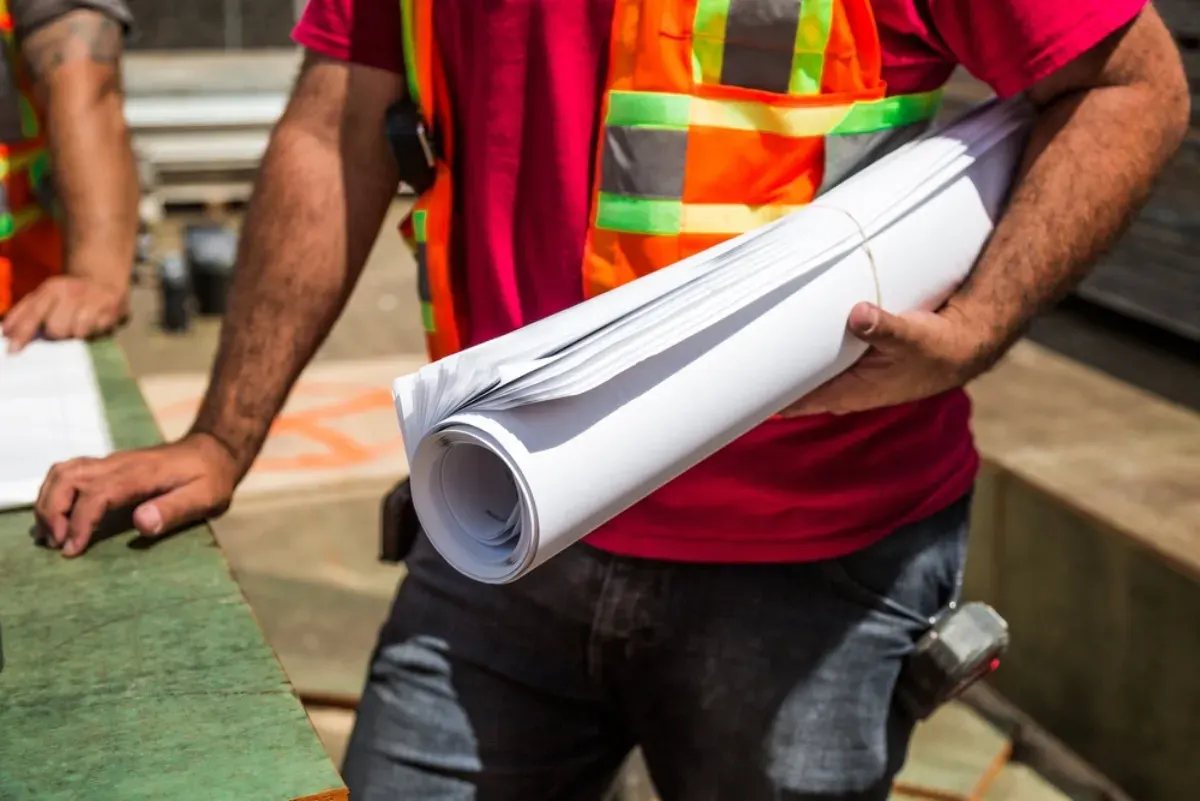
Preparing properly for a DBDRV inspection is essential. A well-prepared homeowner can help the inspector conduct a thorough assessment, ensure that all relevant issues are documented, and avoid delays that could extend the dispute resolution process. This guide walks you through what to do before, during, and after a DBDRV inspection.
What Is the DBDRV?
The Domestic Building Dispute Resolution Victoria (DBDRV) was established under the Domestic Building Contracts Act 1995 to provide a free and accessible dispute resolution service for domestic building work in Victoria. The DBDRV handles disputes between homeowners and registered building practitioners, including builders, subcontractors, and tradespeople.
The DBDRV process typically involves:
- Lodging a dispute application with the DBDRV
- Assessment of the dispute by a DBDRV case manager
- Arrangement of a building inspection where technical assessment is needed
- Conciliation between the parties, informed by the inspection findings
- If conciliation fails, the matter may be referred to VCAT for a binding determination
The inspection component is one of the most important parts of this process. It provides an objective technical assessment that both parties and the conciliator rely on to understand the issues in dispute.
Before the Inspection: Gather Your Information
Thorough preparation before the inspection ensures that the inspector has everything they need to conduct a comprehensive assessment. Start by gathering and organising the following documents and information.
Understand the Scope of Your Dispute
Before the inspector arrives, you should have a clear understanding of what issues you want assessed. Make a written list of all the defects, incomplete work, or other problems you have identified. Be specific about locations within the property and describe each issue clearly.
Gather Your Documents
The inspector may need to reference various documents to assess whether the building work meets the required standards. Have the following ready:
Organising your documents in a folder or binder, arranged chronologically, makes it easy for the inspector to reference specific items during their assessment. A clear, well-organised document package demonstrates that you take the process seriously.
Before the Inspection: Schedule and Access
The practical aspects of scheduling and access can significantly affect the quality of the inspection. Take these steps to ensure the inspector can conduct a thorough assessment.
Clear the Path
The inspector needs to access all areas relevant to the dispute. This may include interior rooms, roof spaces, subfloor areas, external walls, and the surrounding site.
Choose a Dry Day
Weather conditions can affect what the inspector is able to assess and document. While you cannot always control the scheduling, keep the following in mind:
A dry day allows better access to exterior areas, roof spaces, and subfloor regions
Some defects, such as water ingress or drainage problems, may only be visible during or after rain
If you have documented wet-weather issues with photographs or video, provide these to the inspector even if the inspection day is dry
If specific issues can only be observed in certain conditions, discuss this with the DBDRV case manager in advance
Before the Inspection: General Maintenance
While you should not attempt to repair disputed defects before the inspection, some general maintenance steps can help the inspector focus on the genuine issues rather than being distracted by unrelated matters.
Small Fixes That Help
Pros
Clean areas that will be inspected so defects are clearly visible
Replace blown light bulbs so the inspector can see properly in all rooms
Clear overgrown vegetation from external walls and foundations
Ensure all utilities (electricity, water, gas) are connected and working
Label or mark specific defect locations if they are difficult to see
Cons
Do not repair, paint over, or conceal any disputed defects
Do not move or alter any evidence of the disputed building work
Do not engage another builder to rectify issues before the inspection
Do not remove any temporary protections or coverings that are preventing further damage
Improve Accessibility
Make it as easy as possible for the inspector to access all relevant areas. If there are areas that are difficult to reach, let the inspector know in advance so they can bring appropriate equipment. Ensure that pets are secured and will not interfere with the inspection process.
During the Inspection
The inspection itself is your opportunity to ensure that all relevant issues are thoroughly documented. Your role during the inspection is to facilitate the process without interfering with the inspector's professional assessment.
Be Present
Take Your Own Notes
While the inspector will prepare their own documentation, it is wise to keep your own record of the inspection:
Note which areas the inspector examined and how long was spent in each area
Record any verbal comments the inspector makes about specific issues
- Take your own photographs of the inspection process
Note any areas the inspector was unable to access and the reason why
If the builder or their representative is present, note any statements they make
Be respectful of the inspector's process. Allow them to conduct their assessment without pressure or argument. If you disagree with something the inspector says during the inspection, note it down and raise it through the proper channels after the report is issued.
After the Inspection
Once the inspection is complete, there are several important steps to take to make the most of the process.
Review the Report Thoroughly
When you receive the inspection report, read it carefully and compare the findings with your original list of defects. Check whether all the issues you raised have been addressed in the report. If any issues appear to have been missed, contact the DBDRV case manager to discuss.
Read the Full Report
Go through every section of the report, paying attention to the inspector's findings on each issue, their assessment of compliance with the National Construction Code and relevant Australian Standards, and their recommendations.
Compare with Your Defect List
Cross-reference the report findings with your original list of issues. Identify any items that were not addressed or where the inspector's assessment differs from your expectations.
Get Quotes for Rectification
For items identified as defective or non-compliant, obtain quotes from licensed builders or tradespeople for the cost of rectification. Having independent quotes strengthens your position in conciliation and provides a factual basis for any financial claims.
Prepare for Conciliation
Use the inspection report and your rectification quotes to prepare for the DBDRV conciliation session. Understand which issues the report supports and which may require further evidence or expert assessment.
Common Findings in DBDRV Inspections
DBDRV inspections commonly identify issues across several categories. Understanding these can help you prepare your defect list and set realistic expectations for the inspection.
Structural Issues
Cracking in walls, floors, or foundations that exceeds acceptable tolerances
Uneven or sloping floors beyond the limits set by Australian Standards
Inadequate footings or foundations that do not comply with the engineering design
Roof framing defects including undersized members, missing bracing, or incorrect connections
Moisture damage to structural timber from inadequate waterproofing or drainage
Plumbing Issues
- Leaking pipes, joints, or fixtures
- Inadequate water pressure or flow rates
- Improper drainage falls that cause water ponding
- Non-compliant hot water installations
- Missing or defective waterproofing in wet areas
Electrical Issues
- Incorrectly installed or missing safety switches
- Non-compliant wiring or switchboard configurations
- Defective lighting, power points, or smoke alarm installations
- Insufficient power points or circuits for the property's requirements
Code Violations
- Work that does not comply with the approved building plans
- Non-compliance with the National Construction Code (NCC)
- Failure to meet relevant Australian Standards for materials or workmanship
- Building work completed without the required building permits or inspections
- Inadequate fire safety measures or non-compliant bushfire attack level (BAL) construction
Choosing the Right Inspector
If you are engaging your own independent inspector to support your DBDRV dispute, choosing the right professional is essential. The following criteria will help you make an informed decision.
| Criteria | What to Look For | Why It Matters |
|---|---|---|
| Qualifications | Registered building practitioner with the VBA, relevant building or engineering qualifications | Ensures the inspector has the technical competence to assess the disputed work and their findings will be credible |
| Experience | Experience with DBDRV and VCAT processes, familiarity with domestic building disputes | An experienced inspector understands what the conciliator and tribunal need and prepares their report accordingly |
| Communication | Clear written reports, ability to explain technical findings in plain language | Both you and the conciliator need to understand the inspector's findings. Technical jargon without explanation is unhelpful |
| Independence | No relationship with the builder or any other party to the dispute | An independent inspector's findings carry more weight in conciliation and any subsequent VCAT proceedings |
| Availability | Able to attend conciliation sessions and VCAT hearings if required | If the matter escalates, you may need the inspector to explain their findings in person |
Frequently Asked Questions
What is the DBDRV and what does it do?
The Domestic Building Dispute Resolution Victoria (DBDRV) is a free government service that helps resolve disputes between homeowners and registered building practitioners in Victoria. It provides conciliation services and may arrange building inspections as part of the dispute resolution process.
How much does a DBDRV inspection cost?
Inspections arranged by the DBDRV as part of their dispute resolution process are provided at no cost to the parties. However, if you choose to engage your own independent inspector to supplement the DBDRV process, you will be responsible for that cost, which typically ranges from $500 to $2,000 depending on the scope of the inspection.
Do I need to be present during the DBDRV inspection?
While it is not always mandatory, it is strongly recommended that you attend the inspection. Being present allows you to point out specific defects, provide access to all areas, answer questions, and ensure that all your concerns are addressed. You can also take your own notes and photographs during the process.
Can the builder attend the DBDRV inspection?
Yes. Both parties to the dispute are typically invited to attend the inspection. The builder or their representative may attend to provide their perspective on the issues being assessed. This is a normal part of the process and helps ensure that all viewpoints are considered.
What happens if the inspection misses some of my concerns?
If you believe the inspection report does not address all of the issues you raised, contact the DBDRV case manager as soon as possible. Explain which issues were missed and provide your supporting documentation. The case manager may arrange a supplementary inspection or request the inspector to address the additional items.
Should I fix defects before the DBDRV inspection?
No. Do not repair, conceal, or alter any disputed defects before the inspection. The inspector needs to see the issues in their current state to accurately assess them. If you have already been forced to carry out emergency repairs to prevent further damage, document the original condition with photographs and keep records of all work done.
How long does a DBDRV inspection take?
The duration depends on the number and complexity of the issues being assessed. A straightforward inspection may take one to two hours, while a comprehensive assessment of multiple defects across a large property could take half a day or more. The inspector will take as long as needed to properly assess all the issues.
What happens after the DBDRV inspection?
After the inspection, the inspector prepares a written report documenting their findings. This report is provided to both parties and forms the basis for the DBDRV conciliation session. During conciliation, the case manager helps the parties negotiate a resolution informed by the inspection findings. If conciliation is unsuccessful, the matter may be referred to VCAT.
Can I use the DBDRV inspection report at VCAT?
The DBDRV inspection report may be tendered as evidence at VCAT, but its weight may vary depending on the circumstances. VCAT may also require a formal expert witness report that meets specific evidentiary standards. If your matter is likely to proceed to VCAT, consider engaging an independent expert witness to prepare a report that meets tribunal requirements.
What types of building disputes does the DBDRV handle?
The DBDRV handles disputes related to domestic building work in Victoria, including defective workmanship, incomplete work, delays, cost disputes, and non-compliance with plans, specifications, or the National Construction Code. The building work must have been carried out by a registered building practitioner and fall under the Domestic Building Contracts Act 1995.
Key Takeaways
- The DBDRV provides a free dispute resolution service for domestic building disputes in Victoria
- Before the inspection, gather all documents including the building contract, approved plans, and a detailed list of defects with photographs
- Clear access to all areas of the property, choose a dry day if possible, and ensure utilities are connected
- Do not repair or conceal any disputed defects before the inspection
- Be present during the inspection to point out issues and take your own notes
- After the inspection, review the report carefully, compare it with your defect list, and obtain rectification quotes
- Common findings include structural, plumbing, electrical, and code compliance issues
- Choose an independent inspector with VBA registration, DBDRV and VCAT experience, and strong communication skills
References and Resources
Related Articles
What Does a Building Inspector Do in Victoria?
Learn about the role of building inspectors in Victoria, their qualifications, what they assess, and how they help protect homeowners during construction and renovation projects.
What Does a Building Inspection Cover?
Understand the full scope of a professional building inspection in Australia, from structural elements to services, and what gets included in the final report.
Inspecting House Condition: A Complete Guide
A comprehensive guide to inspecting house condition in Australia, covering what to look for, common issues, and when to call in a professional inspector.
Need Help with a Building Dispute in Victoria?
Our licensed building inspectors have extensive experience supporting homeowners through the DBDRV and VCAT process. We provide independent inspections and expert reports that help you achieve a fair outcome.
For a complete overview, see our guide to expert witness reports for building disputes.
Need an Expert Witness Report?
Our experienced expert witnesses support cases at NCAT, VCAT, and tribunals across Australia.