

This guide explains what a pre-purchase property valuation involves, why it is important, how the process works in Australia, and how to make the most of the information it provides.
Sponsored
This article contains a sponsored link to Plenti. Owner Inspections received payment or another commercial benefit for the placement, and Plenti had no input into our inspection advice.
What Is a Pre-Purchase Property Valuation?
A pre-purchase property valuation is a formal process carried out by a certified property valuer to determine the market value of a property. Unlike a real estate agent's appraisal, which is an informal estimate often used for marketing purposes, a valuation is an independent, objective assessment based on established methodology and professional standards.
A certified valuer considers a range of factors including the structural condition of the property, its location, current market demand, land size, zoning, and comparable recent sales in the area. The result is a detailed report that provides a defensible estimate of the property's market value at the time of inspection.
It is important to understand the distinction between a valuation and an appraisal. An appraisal by a real estate agent is typically free and designed to attract your listing. A valuation by a certified professional is a paid, independent service that carries legal weight and is recognised by lenders, insurers, and the courts.
Not Sure What a Property is Really Worth Before You Buy?
Get a clearer picture of the home’s condition so you can price repairs properly, negotiate with evidence, and avoid nasty surprises after settlement.
for Buyers
Why a Pre-Purchase Valuation Is Essential
A pre-purchase valuation serves several critical purposes for property buyers.
Avoid Overpaying
The property market can be competitive, and it is easy to get caught up in the heat of an auction or negotiation. A professional valuation gives you a clear benchmark of what the property is actually worth, helping you set a realistic budget and avoid paying more than the market supports.
Assess Financial Viability
For investment properties, a valuation helps assess whether the purchase price aligns with the property's income potential and long-term capital growth prospects. This is essential for making sound investment decisions and ensuring the numbers stack up.
How the property will be held is part of the same question. Investors buying in a company or family trust name usually want the valuation on file for the structure's own records, and buyers whose assets sit across more than one country often take separate advice on ownership before they commit. That is a separate decision from the purchase itself, and one for your accountant and lawyer rather than your valuer, but it is worth settling before you sign rather than after.
Secure Mortgage Approvals
Most Australian lenders require a property valuation before approving a mortgage. The lender needs to confirm that the property provides adequate security for the home loan. If the valuation comes in lower than the purchase price, the lender may reduce the loan amount, requiring you to make up the difference or renegotiate the price. Upfront costs such as valuation and inspection fees sit outside the home loan, and some buyers cover them from savings or a personal loan.
Identify Structural and Legal Issues
While a valuation is not a substitute for a building inspection, the valuer will note obvious structural concerns and legal issues that could affect value. These may include zoning restrictions, encroachments onto neighbouring land, flood or bushfire risk designations, and evidence of building code violations or unapproved works.
Facilitate Informed Decision-Making
With an independent valuation in hand, you are better positioned to negotiate with confidence, walk away from a poor deal, or proceed knowing you are paying a fair price. It removes much of the guesswork from what can be an emotionally charged process.
Key Components of a Property Valuation
A comprehensive property valuation report typically covers the following areas.
Property Condition Report
The valuer inspects the physical condition of the property, noting the age and state of the building, any visible defects, the quality of finishes, and the overall level of maintenance. This assessment contributes to the valuer's determination of the property's market value.
Home Valuation Assessment
This is the core of the report. The valuer analyses comparable sales, market conditions, and the specific attributes of the property to arrive at a market value figure. The assessment takes into account both the improvements (the building) and the underlying land.
Structural Integrity Check
While not as detailed as a full building inspection, the valuer notes any obvious structural issues such as significant cracking, subsidence, moisture damage, or unapproved alterations. These factors can materially affect the property's value.
Property Risk Analysis
The valuer considers external risk factors that may influence value, including flood and bushfire risk mapping, proximity to industrial or commercial uses, noise exposure, and any planned infrastructure or development in the area.
Independent vs Agent Appraisal
The valuation report explains its methodology and the basis for its conclusions, distinguishing it from the informal estimates provided by selling agents. This independence is what gives the valuation its credibility and legal standing.
When a pre-purchase valuation is worth paying for
| Tool | Who provides it | Typical use | Pros | Watch-outs |
|---|---|---|---|---|
| Valuation | Qualified valuer | Buying, refinancing, legal/tax uses | Independent, method-based, can be relied on by banks and in formal settings | Costs money and is still an expert opinion, not a guarantee |
| Appraisal / price guide | Real estate agent | Marketing, listing strategy | Helpful starting point | Can be influenced by selling strategy and competition |
| Online estimate (AVM) | Algorithm using available data | Early research | Fast and easy | Misses property condition and unique features |
| Bank valuation | Valuer engaged by lender | Loan security check | Key for finance approval | Can come in conservative and may not reflect auction pressure |
Many lenders do their own valuation as part of the home loan process because the property is their security.
When a Pre-purchase Valuation is Worth Paying For
A valuation is not mandatory for every buyer, but it is often worth it in these situations.
- You are buying in a fast-moving market and don’t want to bid emotionally.
- The home is unusual, renovated in a way that’s hard to compare, or on a large block.
- You are buying off-market, where price signals are less visible.
- The vendor’s price guide feels optimistic and recent comparable sales are unclear.
- You need confidence for a final offer, especially on private treaty.
- You are planning a subdivision or redevelopment and need a realistic baseline.
What a Valuer Actually Looks at
A valuer is trying to answer one question: what would this property sell for in today’s market, based on evidence?
A typical valuation considers:
- Comparable sales of similar properties (location, land size, condition, layout).
- Land and planning controls like zoning, overlays, and highest and best use concepts.
- Dwelling details including size, rooms, parking, overall presentation, and obvious condition issues.
- Market context such as demand, supply, and recent local trends.
What a Valuation Does Not Do
A valuation is not a defect investigation and it is not a compliance audit.
Valuers usually won’t:
- Enter every tight roof void or subfloor space like an inspector
- Test moisture the way building inspectors often do
- Confirm building approvals, permits, or waterproofing compliance in detail
That’s why NSW Fair Trading encourages buyers to consider professional building and pest reports as part of due diligence.
Avoid the Most Common Valuation Mistakes?
Online estimates can miss defects like damp, termites, or poor drainage. A building and pest inspection helps you understand what the property could cost after you buy.
Inspections
The Valuation Process in Australia
Understanding how the valuation process works helps buyers know what to expect and how to prepare.
Initial Inspection
The certified valuer visits the property and conducts a thorough physical inspection. They assess the building's condition, measure the land and floor area, note the number of rooms and key features, and photograph the property inside and out. The inspection typically takes 30 minutes to an hour depending on the size of the property.
Comparative Market Analysis
The valuer researches recent sales of comparable properties in the area. They analyse sale prices, property attributes, and market conditions to identify relevant comparisons. Adjustments are made for differences between the subject property and the comparables, such as land size, building quality, and location.
Legal and Financial Due Diligence
The valuer reviews planning and zoning information, checks for any encumbrances or restrictions on the title, and considers factors such as easements, heritage overlays, and flood or bushfire designations. These legal and regulatory factors can significantly affect property value.
Official Report
The valuer compiles their findings into a formal report that includes the assessed market value, the methodology used, details of comparable sales, a description of the property and its condition, and any qualifications or assumptions. The report is typically delivered within 3 to 5 business days.
Certified Valuers
In Australia, property valuers must be registered or licensed in the state or territory where they practise. Many are accredited members of the Australian Property Institute (API), which sets professional standards and a code of ethics for the industry. When engaging a valuer, look for API certification as a mark of quality and professionalism.
Timeframe and Cost
A standard residential property valuation in Australia typically costs between $300 and $600, depending on the size, type, and location of the property. The process from booking to receiving the report usually takes 3 to 5 business days, though this can vary during busy market periods.
Common Valuation Methods
Certified valuers use several established methods to determine property value, often combining more than one approach.
Comparable Sales Method
This is the most commonly used method for residential properties. The valuer identifies recent sales of similar properties in the same area and adjusts for differences to arrive at a market value for the subject property. It relies on having sufficient comparable sales data, which can be a limitation in thinly traded markets.
Income Approach
Used primarily for investment properties, the income approach values the property based on its actual or potential rental income. The valuer calculates the net income the property generates and applies a capitalisation rate to determine its value. This method is particularly relevant for commercial properties and residential investment portfolios.
Cost Approach
The cost approach estimates value based on the cost of replacing the building (less depreciation) plus the value of the land. It is most commonly used for specialised or unique properties where comparable sales data is limited, such as heritage buildings or properties with unusual features.
Factors That Influence Property Value
Several key factors contribute to a property's market value, and understanding them helps buyers interpret a valuation report.
Location
Location is consistently the most significant driver of property value. Proximity to schools, public transport, shops, parks, employment centres, and the coast or waterfront all influence demand and therefore price. Neighbourhood character and safety also play a role.
Size and Layout
The size of the land and the floor area of the building directly affect value. A well-designed layout that maximises usable space is generally valued more highly than a larger but poorly configured property. The number of bedrooms, bathrooms, and car spaces are key considerations for residential properties.
Market Conditions
Property values are influenced by broader market conditions including interest rates, economic confidence, supply and demand, and government policy. A valuation reflects the market at the time of the assessment, which is why valuations have a limited shelf life and should be updated if market conditions change significantly.
Condition and Age
The overall condition and age of the property affect its value. A well-maintained older home can hold its value well, while a newer property with defects or poor-quality construction may be valued lower than expected. Recent renovations, particularly kitchens and bathrooms, tend to add value.
What are Common Home Valuation Mistakes?
This is where many buyer budgets get blown out. These are the mistakes that show up again and again.
Treating the agent’s price guide as the value
A price guide is a marketing tool, not an independent valuation. It can be influenced by the selling strategy, competition, and shifting buyer demand.
Relying on online estimates without checking the property condition
Online estimates cannot see defects like rising damp, roof leaks, termite activity, poor drainage, or DIY renovations. Condition can change value fast, especially when repairs are expensive.
Comparing the wrong sales
Not all “similar” properties are actually comparable. A renovated home on a quiet street is not the same as an original-condition home on a main road. If your comparable sales are off, your price expectations will be off too.
Ignoring strata costs and building issues (apartments and townhouses)
High strata levies, special levies, upcoming rectification works, and building defects can reduce buyer demand and resale value. Always factor likely ongoing costs into what you are willing to pay.
Forgetting risk pricing (flooding, erosion, insurance costs)
Buyers and insurers price risk. If insurance is expensive or hard to get, demand can drop and the market may discount the property.
Paying for a valuation too late to use it
A valuation is most useful before your offer becomes unconditional. If you commission it after signing, it may confirm you have already agreed to a price that is hard to renegotiate.
Challenges Buyers Should Be Aware Of
Underquoting and Overpricing
Real estate agents may underquote a property to generate interest or overprice it to attract the listing. A professional valuation provides an objective counterpoint to these estimates, helping you assess whether the asking price is reasonable.
Variations in Appraisals
Different agents and even different valuers may arrive at slightly different figures for the same property. This is normal and reflects differences in methodology, comparable sales selection, and professional judgement. If there is a significant discrepancy between a valuation and the asking price, it warrants further investigation.
Market Volatility
In rapidly changing markets, a valuation can become outdated relatively quickly. If significant time passes between the valuation and the purchase, or if market conditions shift materially, consider requesting an updated assessment.
What Decreases Property Value the Most?
Some value drops are small and cosmetic. Others can cut demand, increase holding costs, and reduce what buyers are willing to pay.
Here are the big ones buyers should watch.
| Value killer | Why it hits value | What to do before buying |
|---|---|---|
| Structural movement and major cracking | Expensive rectification, buyer fear, finance risk | Get a building inspection and ask for repair cost estimates |
| Water damage, mould, rising damp | Hidden repairs, health concerns, recurring issues | Inspect wet areas, subfloors, roof space where possible |
| Termite activity or termite damage | Repairs can be extensive and resale can suffer | Book a timber pest inspection and check risk conditions |
| Unapproved or poor-quality renovations | Legal and safety risks, future sale problems | Ask for approvals and check with your conveyancer |
| Flood risk, storm exposure, insurance cost blowouts | Higher ongoing costs and buyer reluctance | Check flood mapping and insurance quotes early |
| Bad location factors (main road, flight path, noise) | Reduces buyer pool | Visit at different times and days |
| Outdated kitchens/bathrooms in a premium market | Buyers discount renovation effort | Price in realistic upgrade costs, avoid overcapitalising |
What to Do if the Valuation Comes in Lower Than the Price
A low valuation does not automatically kill the deal, but it changes your options.
- Renegotiate using evidence: show the valuation figure and the comparable sales it relied on.
- Adjust the deal structure: change terms, deposit, or settlement timing if the seller is open.
- Ask your lender about a review: lenders sometimes allow a reassessment if new evidence exists.
- Decide your walk-away number: if finance becomes tight, don’t patch the gap with panic decisions.
This matters because lenders base lending decisions on valuation security, not your negotiated price.
Tips for Buyers
Use an API-Certified Valuer: Engaging a valuer accredited by the Australian Property Institute ensures you receive a report prepared to professional standards
Analyse Recent Sales Data: Review comparable sales in the area yourself before the valuation so you have context for the valuer's findings. Resources such as CoreLogic, Domain, and your state's land titles office provide sales history data
Understand Local Market Trends: Familiarise yourself with the direction of the local market. Is it rising, stable, or declining? This context helps you interpret the valuation and set realistic expectations
Request a Comprehensive Report: Ensure your valuation report includes full details of the methodology, comparable sales, property condition notes, and any risk factors. A thorough report is more useful for decision-making and negotiations
Use the Valuation for Negotiations: If the valuation comes in below the asking price, it provides a strong basis for negotiating a lower purchase price. Present the report to the vendor or their agent as evidence supporting your offer
Need a Pre-Purchase Inspection?
Our licensed inspectors cover Sydney, Melbourne, and all major Australian cities.
Frequently Asked Questions
What is the difference between a property appraisal and a valuation?
Can I rely on a real estate agent's estimate of value?
What qualifications should a property valuer have?
How often should a property valuation be updated?
How accurate are online property valuation tools?
What happens if the valuation comes in lower than the purchase price?
How does property condition affect the valuation?
Is a property valuation required for a mortgage?
Does a valuation consider future development potential?
Can I use a property valuation for purposes other than buying?
Key Takeaways
- A pre-purchase property valuation is an independent assessment by a certified valuer that determines market value
- It differs from a real estate agent's appraisal, which is informal and may be commercially motivated
- Valuations help buyers avoid overpaying, secure mortgage approvals, and negotiate effectively
- The process involves a physical inspection, comparative market analysis, legal due diligence, and a formal report
- Common methods include comparable sales, income approach, and cost approach
- Key value drivers include location, size and layout, market conditions, and property condition
- A standard residential valuation in Australia costs $300 to $600 and takes 3 to 5 business days
- Always use an API-certified valuer for a professional, independent assessment
References and Resources
Related Articles
Pre-Purchase Inspection Checklist for Buyers
A pre-purchase inspection checklist helps buyers assess property condition before committing. Covers structural, electrical, plumbing, roofing, and pest checks.

Pre-Purchase House Inspection Cost in Australia
Pre-purchase house inspection costs in Australia range from $300 to $800 depending on property size, location, and scope. Learn what affects pricing across Sydney, Melbourne, and Brisbane.
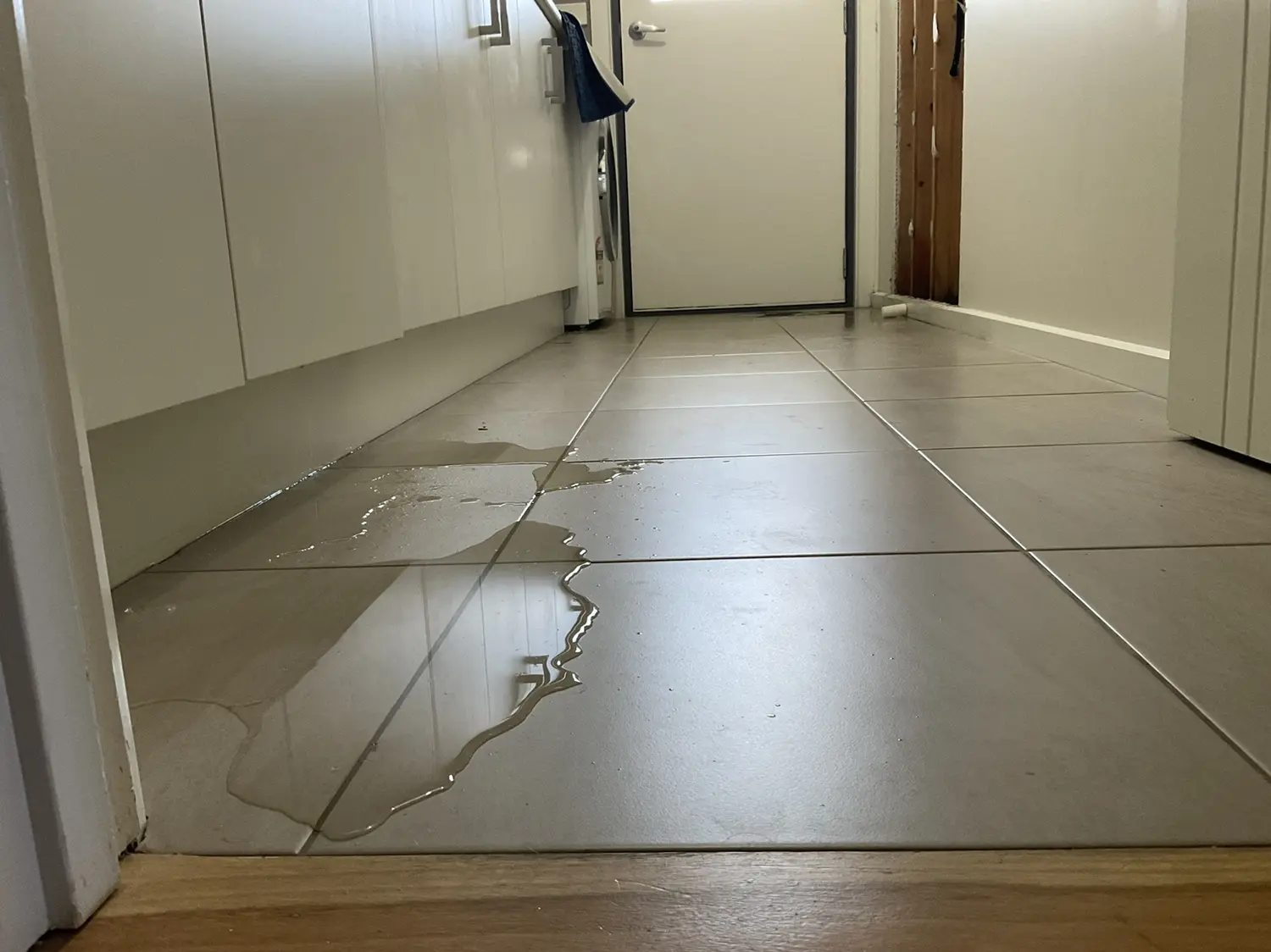
Property Defect Inspection and Why It Is Important for Buyers
Property defect inspections examine structural integrity, safety hazards, and compliance issues. Learn why they are essential for Australian property buyers.
For a complete overview, see our guide to pre-purchase building and pest inspections.
Complement Your Valuation With a Building Inspection
A professional building inspection works alongside your property valuation to give you the full picture. Identify structural defects, safety hazards, and maintenance issues before you commit to buying.