

Geelong's property market has shown strong growth in recent years, with median house prices climbing significantly since 2020. With suburbs across the region delivering solid capital growth and rental returns, Geelong is an attractive market for property investors. However, many investors miss out on legitimate tax deductions simply because they have never had a depreciation schedule prepared. Whether you own a new build, an older home, or a recently renovated property, understanding how tax depreciation works can make a significant difference to your bottom line.
What Is a Tax Depreciation Schedule?
A tax depreciation schedule is a document that outlines the depreciation deductions you can claim on an income-producing property each financial year. It is prepared by a qualified quantity surveyor and follows the guidelines set by the Australian Taxation Office (ATO).
Depreciation recognises that buildings and their contents lose value over time through wear and tear. The ATO allows property investors to claim this loss of value as a tax deduction, reducing their taxable income without requiring any actual out-of-pocket expense.
A typical depreciation schedule covers a 40-year period for capital works and lists the effective life and annual deduction for every eligible plant and equipment item in the property.
Tax depreciation deductions are only available for income-producing properties such as rental homes or commercial buildings. You cannot claim depreciation on your own home (principal place of residence).
Capital Works vs Plant and Equipment
Tax depreciation is split into two categories, each governed by different ATO rules.
| What It Covers | How It Works | |
|---|---|---|
| Capital Works (Division 43) | The building structure itself: walls, roof, floors, doors, windows, kitchens, bathrooms, driveways, fencing, and retaining walls | Deducted at 2.5% per year over 40 years for buildings constructed after 15 September 1987. Older buildings may qualify at different rates. |
| Plant and Equipment (Division 40) | Removable fixtures and fittings: carpets, blinds, air conditioning units, hot water systems, smoke alarms, cooktops, ovens, and dishwashers | Each item has an effective life set by the ATO, and depreciation is calculated using either the diminishing value or prime cost method. |
Since changes introduced in the 2017 Federal Budget, investors who purchase a second-hand residential property can no longer claim plant and equipment deductions on existing items that were in the property at the time of purchase. However, capital works deductions on the building structure remain fully claimable, and any new plant and equipment items you install after purchase can still be claimed.
Why Tax Depreciation Matters for Geelong Investors
The financial impact of a depreciation schedule goes beyond simple tax savings. For Geelong investors, the benefits include:
- Improved cash flow by reducing your annual tax liability, putting more money back in your pocket each year
- The ability to turn a negatively geared property closer to cash-flow neutral or even positive
- Freeing up funds for reinvestment, debt reduction, or maintenance
- Higher after-tax returns on your investment without needing to increase rent or reduce costs
For example, a Geelong investment property built in 2010 with a construction cost of $350,000 could generate approximately $8,750 per year in capital works deductions alone (2.5% of $350,000). Add plant and equipment deductions for items like carpet, blinds, and appliances, and the annual tax benefit can be even higher, particularly in the early years.
$8,750/yr
Typical capital works deduction on a $350,000 build
40 years
Capital works deduction period for post-1987 buildings
$5,000 to $15,000
Common first-year total deductions on newer Geelong properties
How to Create an Effective Depreciation Schedule
Creating a depreciation schedule involves a series of steps, each handled by a qualified professional.
Engage a qualified quantity surveyor
The ATO requires that tax depreciation schedules for capital works be prepared by a quantity surveyor registered with the Australian Institute of Quantity Surveyors (AIQS) or equivalent body. Choose a provider with experience in Geelong's property market.
Property inspection
The quantity surveyor inspects the property to identify all depreciable items. They measure and assess the building structure, fixtures, fittings, and any recent renovations.
Categorise the assets
Assets are classified as either capital works (Division 43) or plant and equipment (Division 40). Each category has different rules and depreciation rates.
Calculate depreciation values
The surveyor calculates the depreciation value for each asset based on its effective life and the ATO's depreciation method (diminishing value or prime cost).
Prepare the schedule
The final schedule details the available deductions for each financial year over the life of the property. This document is provided to your accountant to include in your tax return.
Common Misconceptions About Tax Depreciation
Several myths prevent Geelong investors from claiming the deductions they are entitled to.
Pros
- Both new and older properties can generate depreciation deductions
- Even minor items like blinds, carpet, and smoke alarms have depreciable value
- Depreciation schedules should be updated after renovations or upgrades
- Capital works deductions still apply to second-hand residential properties
Cons
- Only new properties benefit from depreciation (incorrect)
- Small items are not worth claiming (incorrect, they add up over time)
- A depreciation schedule is a one-off document that never needs updating (incorrect)
- You cannot claim any depreciation on a second-hand property (incorrect, capital works still apply)
Practical Tips for Geelong Property Investors
Geelong's Property Market Outlook
Geelong has established itself as one of Victoria's strongest regional property markets. Strong population growth, major infrastructure investment (including the Geelong Fast Rail project), and growing employment opportunities have driven sustained demand for housing.
Suburbs across the Geelong region have delivered impressive capital growth, with some areas averaging 10% or more annually. For property investors, this combination of capital growth and accessible tax depreciation deductions makes Geelong a compelling market.
As the market continues to evolve, staying informed about both property conditions and the latest ATO rules will be important for maximising your investment returns.
Key Takeaways
- A tax depreciation schedule is a report by a qualified quantity surveyor that details the deductions available on your investment property each year.
- Capital works (Division 43) covers the building structure and is deducted at 2.5% per year for 40 years on post-1987 buildings.
- Plant and equipment (Division 40) covers removable items and is depreciated based on the ATO's effective life for each item.
- Since 2017, second-hand residential buyers cannot claim plant and equipment on existing items, but capital works deductions still apply.
- Geelong investment properties can generate $5,000 to $15,000 or more in first-year depreciation deductions depending on the property's age and condition.
- Depreciation schedules should be updated after renovations or significant property changes.
- Working with a qualified quantity surveyor and an experienced tax accountant maximises the value of your depreciation claims.
Frequently Asked Questions
What is a tax depreciation schedule?
A tax depreciation schedule is a detailed report that lists all the depreciation deductions available on an income-producing property. It is prepared by a qualified quantity surveyor and covers both the building structure (capital works) and removable fixtures and fittings (plant and equipment). Your accountant uses this schedule to reduce your taxable income each year.
How does a tax depreciation schedule benefit Geelong property investors?
For Geelong investors, a depreciation schedule reduces annual tax liability, improves cash flow, and increases after-tax investment returns. It can turn a negatively geared property closer to cash-flow neutral and free up funds for reinvestment or debt reduction. The financial benefit depends on the property's age, construction cost, and the items inside it.
Can older properties in Geelong benefit from tax depreciation?
Yes. While newer properties generally offer higher initial deductions, older properties can still generate significant capital works deductions if they were built after 15 September 1987. Properties that have been renovated also have depreciable assets from the renovation works. A qualified quantity surveyor can assess what is claimable on any property.
Who is qualified to prepare a tax depreciation schedule?
The ATO requires that tax depreciation schedules involving capital works estimates be prepared by a quantity surveyor. Look for professionals registered with the Australian Institute of Quantity Surveyors (AIQS) or an equivalent professional body. They must inspect the property and follow ATO guidelines for calculating depreciation.
How much does a tax depreciation schedule cost?
A tax depreciation schedule for a standard residential property typically costs between $600 and $800. This is a one-off fee, and the schedule covers the life of the property (up to 40 years). The cost of the schedule itself is also tax-deductible. Given that annual deductions often run into thousands of dollars, the schedule typically pays for itself within the first year.
What changed with the 2017 Budget rules on depreciation?
From 1 July 2017, purchasers of second-hand residential properties can no longer claim plant and equipment deductions on items that were in the property at the time of purchase. However, capital works deductions on the building structure remain fully claimable. Any new plant and equipment items you install after purchase (such as a new air conditioner or carpet) can also be claimed.
How often should I update my tax depreciation schedule?
You should update your depreciation schedule whenever you make significant changes to the property, such as renovations, extensions, or the installation of new fixtures and appliances. These changes create new depreciable assets that increase your annual deductions. Without updating, you will miss out on these additional claims.
What is the difference between capital works and plant and equipment?
Capital works (Division 43) refers to the building's structural elements, such as walls, roof, floors, and built-in kitchens. Plant and equipment (Division 40) covers removable fixtures and fittings, such as carpets, blinds, air conditioning units, and appliances. Both categories depreciate over time and can be claimed as tax deductions, though each follows different ATO rules and rates.
Can I prepare my own tax depreciation schedule?
The ATO requires that capital works cost estimates used in depreciation schedules be prepared by a quantity surveyor. While you can claim plant and equipment deductions based on your own records, a professionally prepared schedule ensures accuracy, compliance, and maximises your deductions. It also provides a document your accountant can rely on for your tax return.
What happens if I do not get a depreciation schedule for my Geelong investment property?
Without a depreciation schedule, you will miss out on potentially thousands of dollars in legitimate tax deductions each year. Over the life of your investment, this can add up to a significant amount of foregone tax savings. The cost of preparing a schedule is small compared to the cumulative benefit, and the schedule fee itself is tax-deductible.
References and Resources
- Australian Taxation Office (ATO) - Rental Properties - ATO guidelines on rental property depreciation
- Australian Institute of Quantity Surveyors (AIQS) - Professional body for quantity surveyors in Australia
- Australian Bureau of Statistics - Residential Property Prices - Property price data for Australian cities
- Victorian Building Authority (VBA) - Regulator for building in Victoria
Related Articles

Property Depreciation Calculator
Property depreciation is one of the most significant tax deductions available to Australian investment property owners. Understanding how depreciation works, the difference between Division 43 and Division 40 deductions, and how to calculate your claims can save thousands of dollars each year. This guide explains depreciation methods, calculation steps, and strategies for maximising your claims.
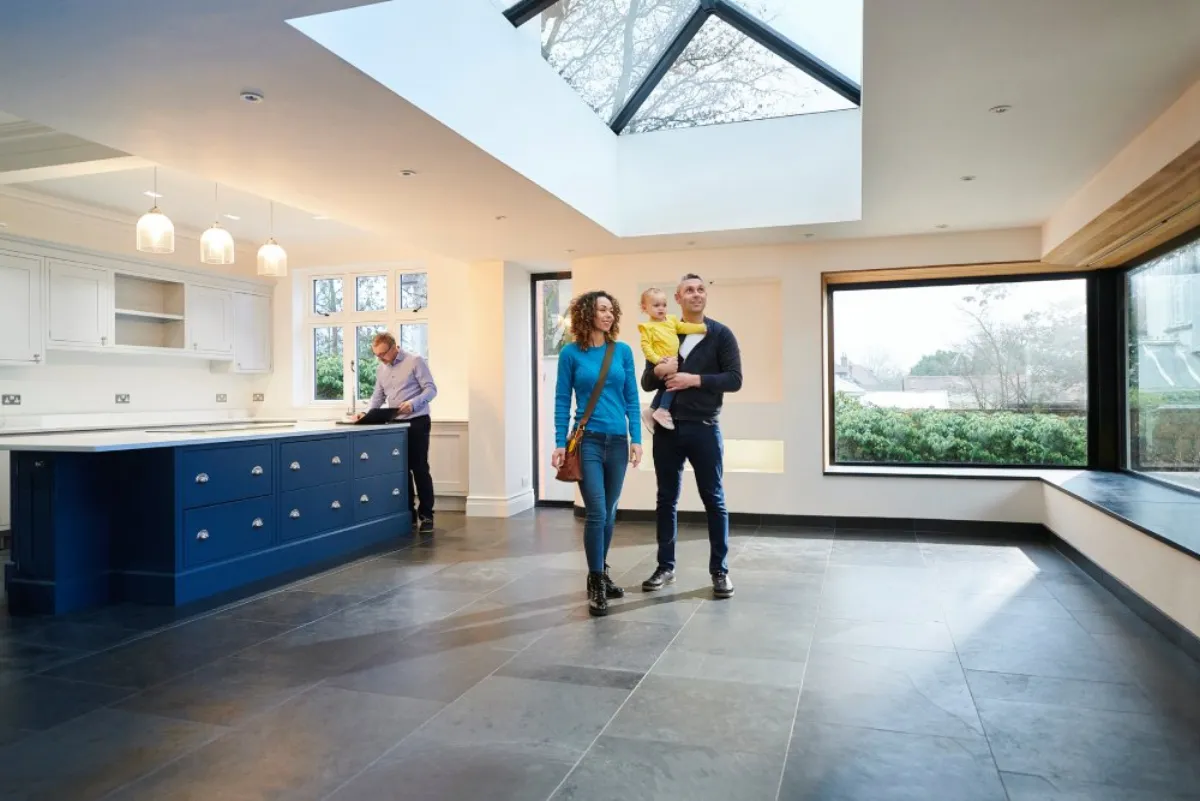
Pre-Purchase Inspections vs DIY for Geelong Buyers
Geelong's growing property market presents both opportunities and risks for buyers. This guide compares professional pre-purchase building inspections with DIY assessments, covering the advantages and limitations of each approach to help Geelong buyers make informed decisions.
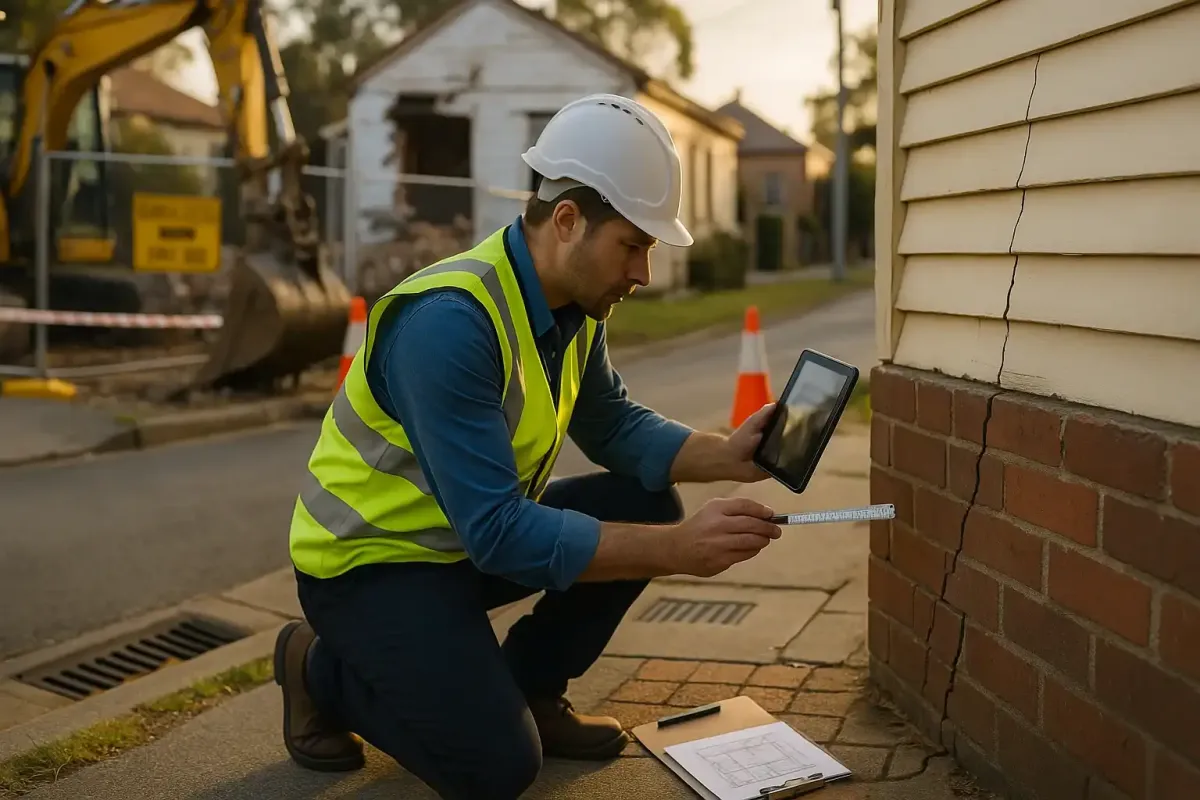
Construction Stage Inspections in Geelong
Geelong's residential market is growing rapidly, attracting new construction projects across the region. Construction stage inspections serve as health assessments for your build, ensuring quality and compliance at every phase from pre-construction through to final handover.
Looking to maximise the return on your Geelong investment property? Owner Inspections provides professional tax depreciation schedules prepared by qualified quantity surveyors. We inspect your property, identify every claimable item, and deliver a comprehensive schedule your accountant can use immediately. Get a quote today or call us on 1300 471 805.