
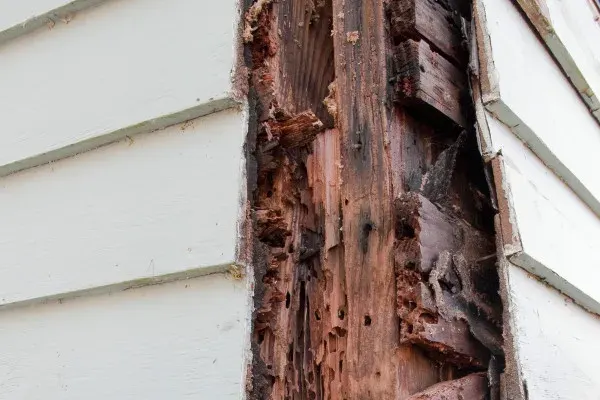
According to the Australian Environmental Pest Managers Association, termites affect roughly 650,000 homes every five years. Modern construction methods and the gradual breakdown of older chemical treatments leave many homes more vulnerable than owners realise. If your home is your biggest financial investment, termite prevention should be at the top of your priorities list during the build.
Termite-Resistant Building Materials
Choosing the right materials during construction is one of the simplest and most effective ways to deter termites. Not all building materials attract termites equally, and selecting wisely at the design stage can save you thousands in future repairs.
Treated Wood
Pressure-treated wood is infused with preservative chemicals that make it unpalatable and toxic to termites. It is widely available across Australia and commonly used for structural components such as bearers, joists, and framing. When specifying treated timber, look for H2 or H3 hazard class ratings as defined by Australian Standard AS 1604.1, which indicates suitability for above-ground or in-ground use.
Concrete and Steel Framing
Concrete and steel are naturally unappealing to termites. While the upfront cost is higher than timber framing, these materials offer long-term peace of mind in termite-prone regions such as coastal Queensland and northern NSW. Steel framing in particular has become increasingly popular in new residential builds across Australia.
Termite-Resistant Hardwoods
Certain Australian hardwood species, including cypress pine, ironbark, and specific eucalypt varieties, have natural resistance to termite attack. These timbers contain oils and resins that termites find difficult to consume. However, natural resistance varies between species and even between individual trees, so they should be used as part of a broader prevention strategy rather than as a standalone solution.
| Termite Resistance | Cost | Lifespan | |
|---|---|---|---|
| Pressure-Treated Timber | High (chemical treatment) | Low to moderate | 20 to 40 years depending on treatment |
| Steel Framing | Complete (non-organic) | Moderate to high | 50+ years |
| Concrete | Complete (non-organic) | Moderate to high | 50+ years |
| Cypress Pine | Moderate to high (natural oils) | Moderate | 15 to 25 years |
Creating Barriers Against Termites
Barriers are one of the most reliable construction-phase defences against termite entry. They work by either physically blocking or chemically deterring termites from reaching the building's structural elements.
Physical Barriers
Physical termite barriers, often made from stainless steel mesh or crushed granite particles, are installed at strategic points during construction. These include around plumbing penetrations, at the slab edge, and between the foundation and framing. Products such as Termimesh and Granitgard are commonly specified in Australian builds. Physical barriers do not degrade over time and do not require chemical top-ups, making them a low-maintenance option.
Chemical Soil Treatments
Chemical soil treatments involve applying a liquid termiticide to the soil surrounding and beneath the foundation. This creates a treated zone that either kills or repels termites attempting to reach the structure. These treatments typically last 5 to 10 years, depending on the product used and soil conditions, and must comply with Australian Standard AS 3660.1.
Reticulation Systems
Reticulation systems are networks of perforated pipes installed beneath the slab or around the perimeter during construction. They allow for the scheduled replenishment of chemical soil treatments without digging up the ground. This makes retreatment faster, less disruptive, and more cost-effective over the building's lifetime.
The National Construction Code (NCC) requires all new buildings in Australia to have a termite management system installed during construction. This applies in all regions where termite risk is identified, which covers most of the country outside of Tasmania.
Moisture Management Is Key
Termites are attracted to moisture. A damp subfloor, leaking pipe, or poorly drained site can turn an otherwise well-protected home into a termite magnet. Managing moisture during and after construction is a simple but powerful prevention strategy.
Proper Drainage and Grading
The ground around your home should slope away from the foundation so that stormwater drains away rather than pooling against the structure. During construction, ensure the builder grades the site correctly and installs appropriate drainage, including agricultural drains and stormwater pits where needed.
Fixing Leaks and Addressing Water Pooling
Even small plumbing leaks inside wall cavities or under slabs create the damp conditions termites thrive in. Address any plumbing issues immediately during and after construction. Watch for areas where water collects near the building, such as under downpipes without splash blocks or near air conditioning units.
Adequate Ventilation
Good ventilation in crawl spaces and subfloor areas prevents moisture buildup. The NCC sets minimum ventilation requirements for subfloor spaces. During construction, make sure vents are correctly sized and positioned, and that they are not blocked by landscaping, stored items, or debris after the build is complete.
- Grade soil to slope away from the foundation at a minimum fall of 50mm per metre
- Install subfloor ventilation that meets NCC requirements
- Fix all plumbing leaks before handover and inspect regularly after
- Ensure downpipes discharge well away from the building perimeter
- Avoid storing items against the house that block airflow to subfloor vents
Reduce Wood-to-Ground Contact
Direct contact between structural timber and the ground gives termites an open invitation into your home. Minimising or eliminating wood-to-ground contact during construction reduces the number of entry points available to termites.
Elevated Foundations
In areas where pier-and-beam construction is common, elevated foundations create a gap between the ground and the structural timber. This gap makes termite activity easier to detect during inspections and harder for termites to bridge unnoticed. Minimum clearances are specified in AS 3660.1 and the NCC.
Eliminate Wood in Landscaping Near the Home
Wood mulch, garden sleepers, and landscaping timbers placed directly against the house provide termites with an easy bridge to the building's structure. Keep all timber and cellulose-based materials at least 150mm away from the external walls. Use stone, gravel, or rubber mulch as alternatives in garden beds adjacent to the house.
- Do not stack firewood against the external walls of your home
- Do not use untreated timber garden beds touching the building
- Do not allow soil to build up above the damp-proof course or slab edge
- Do not plant dense gardens that conceal the base of the building from inspection
The Importance of Regular Inspections
Even with the best preventive measures in place, regular professional inspections are the most reliable way to catch termite activity early before it causes significant damage.
Professional Inspections
The Australian Standard AS 4349.3 recommends annual timber pest inspections carried out by a qualified inspector. These inspections cover the interior, exterior, subfloor, roof void, and surrounding grounds. Inspectors use moisture meters, thermal imaging cameras, and sometimes radar devices to detect concealed termite activity behind walls and in areas not visible to the naked eye.
Signs of Termite Activity to Watch For
Between professional inspections, homeowners should stay alert to common signs of termite presence:
- Mud tubes on foundations, walls, or piers (termites build these as protected pathways)
- Discarded wings near windows, doors, or light sources (from termite swarmers)
- Hollow-sounding timber when tapped
- Paint that bubbles or cracks without any water damage
- Sagging or soft spots in floors or skirting boards
If you notice any signs of termite activity, do not disturb the area. Breaking open mud tubes or spraying insecticide can cause termites to retreat and reappear elsewhere in the building. Contact a licensed pest inspector immediately.
Construction Phase Termite Checklist
Before and during your build, work through the following checklist with your builder and pest management professional:
Cost Comparison: Prevention vs Treatment
Investing in termite prevention during construction is significantly cheaper than treating an infestation and repairing the resulting damage after the fact.
| Upfront Cost | Ongoing Cost | |
|---|---|---|
| Physical Barrier (e.g. Termimesh) | $2,000 to $4,000 | Minimal (no retreatment needed) |
| Chemical Soil Treatment | $1,500 to $3,000 | $1,500 to $3,000 every 5 to 10 years |
| Reticulation System | $2,500 to $5,000 | $500 to $1,500 per retreatment |
| Termite Damage Repair (average) | $10,000+ | Varies (often requires full structural assessment) |
Key Takeaways
- Termites cause an estimated $3.9 billion in damage across Australia every five years, making prevention during construction far cheaper than treatment.
- Use termite-resistant materials such as treated timber, steel framing, or concrete to reduce the risk of infestation.
- Install physical or chemical barriers during construction as required by the National Construction Code and AS 3660.1.
- Manage moisture through proper drainage, leak repairs, and adequate subfloor ventilation to remove conditions that attract termites.
- Minimise wood-to-ground contact and keep all landscaping timber at least 150mm from external walls.
- Schedule annual timber pest inspections by a qualified professional in accordance with AS 4349.3.
- Remove all timber waste and formwork from the building site before backfilling around the foundation.
Frequently Asked Questions
Can regular household cleaning help prevent termites?
Yes, regular cleaning can help by removing small wood particles, cellulose-based debris, and cardboard that may attract termites. While cleaning alone will not stop an infestation, it reduces the likelihood of providing termites with easily accessible food sources inside your home.
Are natural remedies effective against termites in Australia?
Natural remedies such as neem oil, diatomaceous earth, and orange oil have shown limited effectiveness in deterring termites. They may work as a short-term deterrent for minor activity, but they are not a substitute for professional-grade chemical treatments or physical barrier systems. For Australian homes, professional treatment is the recommended approach.
What are the early signs of termite activity that homeowners often miss?
Early signs commonly overlooked include paint bubbling or cracking that is not related to water damage, slight sagging in wooden floors or window frames, and fine powdery residue near timber surfaces. Termites often work from the inside out, so visible damage on the surface usually means the infestation is already well established.
What qualifications should a pest control professional have in Australia?
A pest control professional should hold a current licence issued by the relevant state authority, such as NSW Fair Trading, the QBCC in Queensland, or the VBA in Victoria. They should also have a Certificate III in Urban Pest Management or an equivalent qualification and be a member of a recognised industry association such as the Australian Environmental Pest Managers Association (AEPMA).
What should I do if I find termites in my garden?
If you find termites in your garden, do not disturb them or attempt to treat the area yourself. Disturbing termites can cause them to scatter and potentially establish new colonies closer to your home. Remove any loose timber, stumps, or wood-based mulch from the area and contact a licensed pest inspector to assess the risk to your property.
Are there landscaping designs that help protect against termites?
Yes. Landscaping designs that avoid wood chips, bark mulch, and timber edging near the home's foundation reduce termite attraction. Use stone, gravel, or rubber mulch instead. Keep garden beds low enough so that the base of external walls and weep holes remain visible for inspection. Maintain a clear zone of at least 150mm between any landscaping and the external walls.
How does climate affect termite activity in Australia?
Termite activity is highest in warm, humid regions such as northern Queensland, the Northern Territory, and coastal NSW. In these areas, termites are active year-round and prevention strategies need to be more comprehensive. In cooler climates such as southern Victoria and Tasmania, activity is lower but still present, and regular inspections should not be skipped.
What extra steps can be taken during construction to prevent termites?
Beyond standard barriers and material selection, you can use termite-resistant insulation, seal all gaps around plumbing and electrical penetrations, and ensure that the slab edge is left exposed for future inspections. Removing all timber offcuts, formwork, and construction waste from the site before backfilling is also important, as buried wood becomes a food source for termites.
Is it necessary to treat the entire property for termites?
In most cases, focusing treatment on high-risk areas such as the building perimeter, subfloor, and any timber in contact with or close to the ground is sufficient. However, in high-risk regions or where an active infestation has been detected, a full-property treatment may be recommended by your pest management professional.
Can home renovations affect existing termite prevention measures?
Yes. Renovations can disturb or break existing physical and chemical barriers, creating new entry points for termites. Before starting any renovation work, consult a termite management professional to check whether your existing barriers will be affected and plan how to reinstate them after the work is complete.
How much does a termite inspection cost in Australia?
A professional timber pest inspection in Australia typically costs between $250 and $500, depending on the size of the property and the location. This is a small investment compared to the potential cost of termite damage, which averages around $10,000 per infested property. Annual inspections are recommended by AS 4349.3.
References and Resources
- Australian Environmental Pest Managers Association (AEPMA) - Industry body for pest management professionals
- National Construction Code (NCC) - Australian Building Codes Board
- CSIRO Termite Information - Scientific research on Australian termite species
- NSW Fair Trading - Pest Control - Licensing and consumer information for NSW
- Queensland Building and Construction Commission (QBCC) - Building standards and licensing in QLD
Related Articles
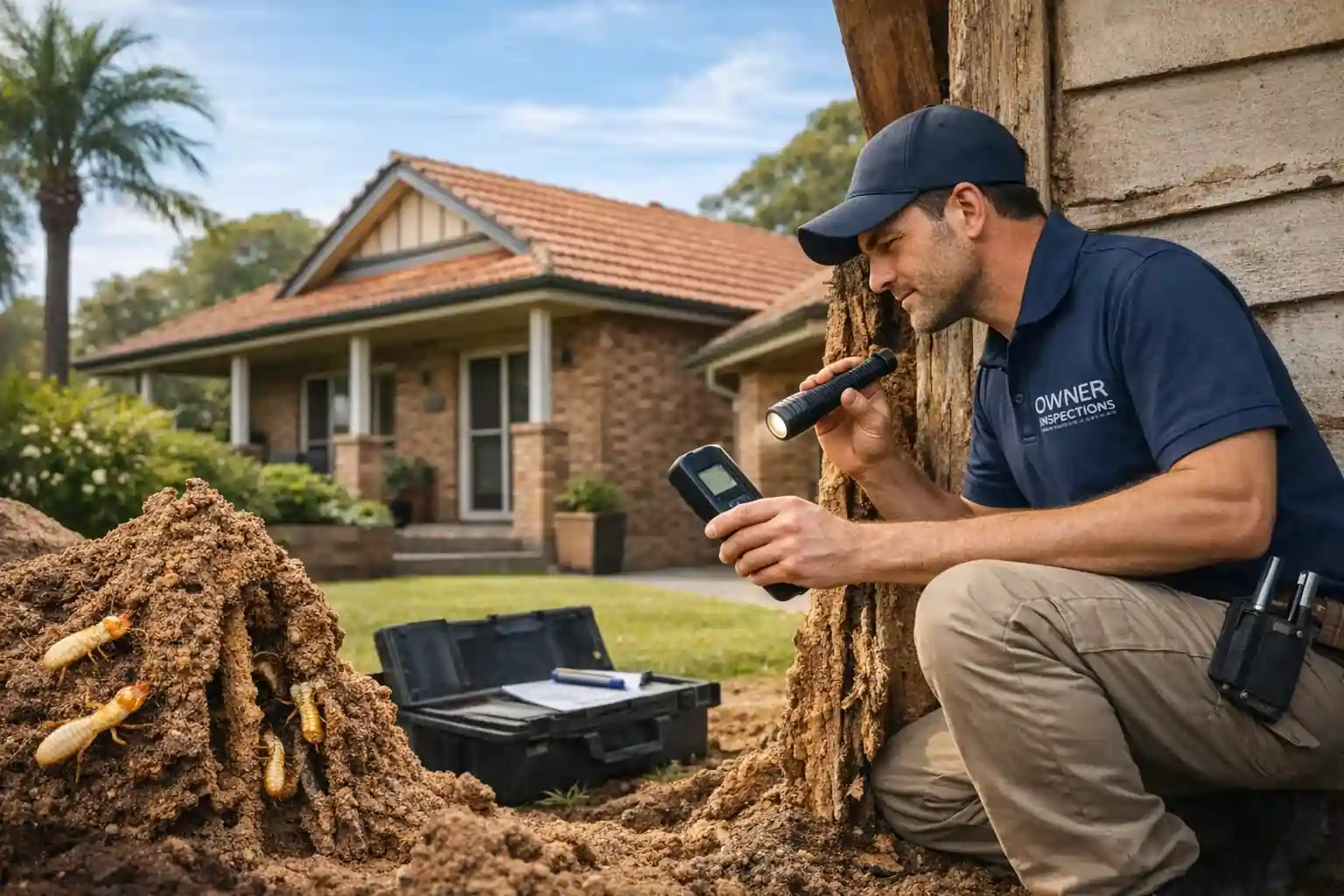
Termite Inspection to Protect Your Home from Damage
Termites cause approximately $1.5 billion in damage to Australian properties annually. Learn how professional termite inspections can protect your home and investment.
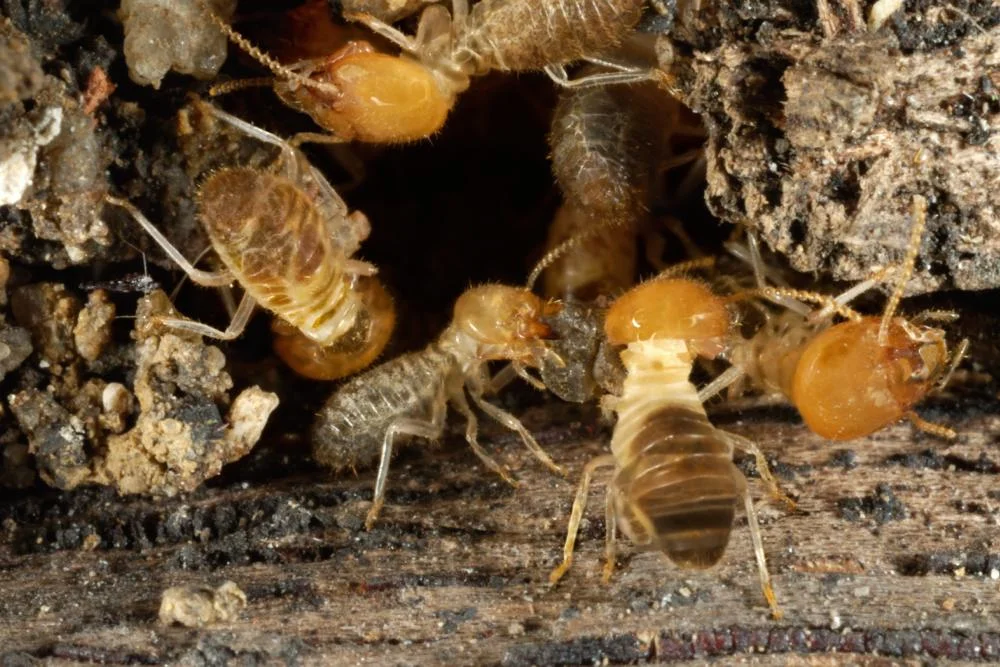
The Economic Cost of Termite Infestation
Termites cause billions of dollars in damage to Australian properties each year. Learn about repair costs, treatment expenses, and preventive measures.
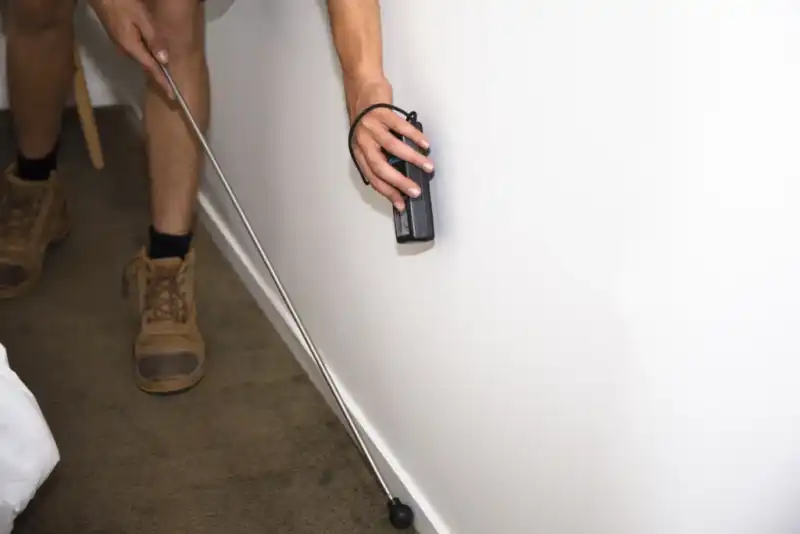
What's Involved in a Building and Pest Inspection?
Building and pest inspections evaluate structural integrity and pest-related issues in Australian properties. Learn what inspectors check, common issues detected, costs, and legal requirements.
Building a new home or planning renovations in NSW, Victoria, or Queensland? Owner Inspections provides comprehensive timber pest inspections to make sure your property is protected from termite damage. Our licensed inspectors use the latest detection technology and follow Australian Standard AS 4349.3. Get a quote today or call us on 1300 471 805.