
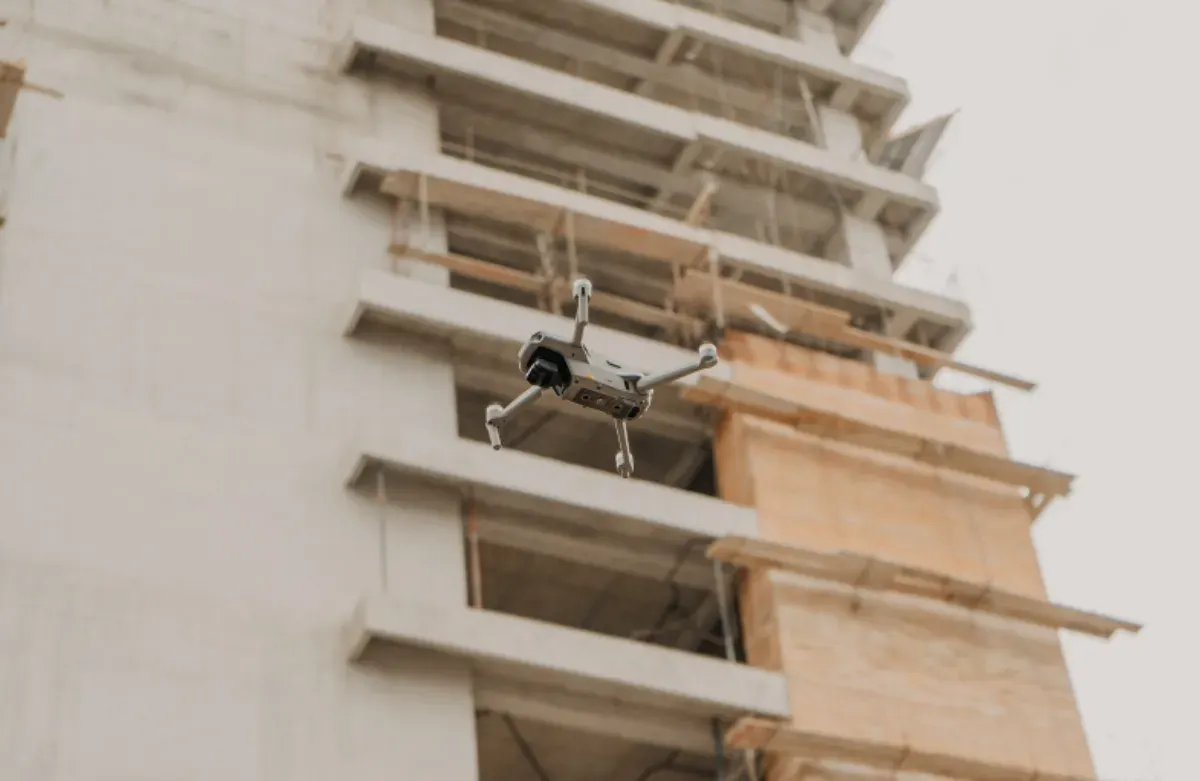
Why Drones for Building Exterior Inspections
Drones provide access to confined and elevated spaces that are difficult or dangerous to reach using traditional methods. Multi-storey buildings, steep roofs, and hard-to-access facades can all be inspected without the need for scaffolding or elevated work platforms. This eliminates a major source of workplace injury while ensuring thorough coverage of the building envelope.
By removing the need for scaffolding setup and dismantling, drones significantly reduce preparation time. Inspectors can deploy a drone within minutes and begin capturing detailed imagery of the entire building exterior almost immediately.
Covering More Ground Faster
A single drone flight can capture comprehensive data across facades, roofs, chimneys, gutters, and other external features. What would traditionally take a team of inspectors several hours or even days to complete can be accomplished in a fraction of the time using drone technology.
This speed advantage is particularly valuable for large commercial buildings, apartment complexes, and heritage structures where manual access is both time-consuming and costly.
Enhancing Safety
The most significant benefit of drone-based inspections is the reduction in risk to human life. By operating remotely from the ground, inspectors are never required to work at height. This dramatically reduces the probability of falls and other height-related accidents.
Safe Work Australia reports that falls from heights remain one of the leading causes of workplace fatalities. Drone inspections eliminate this risk entirely for the inspection phase.
Drones also reduce the need for personnel to enter confined or structurally compromised areas, further enhancing workplace safety outcomes.
High-Quality Data Collection
Modern inspection drones are equipped with high-definition cameras capable of capturing detailed imagery at resolutions that surpass what the human eye can detect from a distance. This allows inspectors to identify cracks, corrosion, weathering, and other defects with precision.
Thermal imaging is another powerful capability. Thermal cameras mounted on drones can detect moisture ingress, thermal inefficiencies, and insulation failures that are invisible to standard photography. This data is invaluable for identifying hidden problems before they escalate into costly repairs.
Real-Time Inspections
Drone technology enables live monitoring of inspections. Inspectors and clients can view the footage as it is being captured, allowing for immediate detection of issues and on-the-spot decision-making. This real-time capability streamlines communication between inspectors, property owners, and project managers.
If a particular area requires closer examination, the drone can be redirected instantly, providing additional detail without the delays associated with repositioning scaffolding or access equipment.
Cost-Effective and Less Disruptive
Drone inspections are quieter and less intrusive than traditional methods. There is no need for heavy equipment, road closures, or disruption to building occupants. This makes drones particularly suitable for inspections of occupied buildings, schools, hospitals, and commercial premises where operational continuity is important.
The cost savings are also substantial. By eliminating scaffolding hire, reducing labour hours, and shortening project timelines, drone inspections typically cost significantly less than their traditional counterparts.
What's Next for Drone Inspections
The future of drone inspections lies in AI-powered analytics. Machine learning algorithms are being developed to automatically analyse drone imagery, identifying defects and categorising them by severity. This will further reduce the time between inspection and reporting, while improving consistency and accuracy across large portfolios of buildings.
As regulations evolve and technology advances, drones will become an even more integral part of the building inspection process in Australia.
About Owner Inspections
Owner Inspections provides professional drone-assisted building inspections across New South Wales, Queensland, and Victoria. Our licensed inspectors combine hands-on expertise with the latest drone technology to deliver comprehensive exterior assessments. Whether you need a roof inspection, facade assessment, or full building envelope review, our team is equipped to help.
Frequently Asked Questions
How accurate are drone inspections compared to traditional methods?
Drone inspections are highly accurate. High-definition cameras and thermal imaging sensors capture detail that often exceeds what can be observed during a manual inspection. Images can be magnified and analysed in detail after the flight.
Can drones inspect very tall buildings?
Yes. Drones are well suited to inspecting tall buildings, including multi-storey commercial and residential structures. They can reach heights that would otherwise require expensive scaffolding or rope access.
How does weather affect drone inspections?
Drones cannot operate safely in heavy rain, strong winds, or storms. Inspections are scheduled around favourable weather conditions. Light wind and overcast skies are generally suitable for safe drone operation.
What types of defects can drones detect?
Drones can detect a wide range of defects including cracked tiles, damaged flashing, blocked gutters, deteriorating mortar, facade cracks, moisture ingress, and thermal inefficiencies. Thermal cameras can reveal hidden moisture and insulation gaps.
Can drone inspections replace traditional inspections entirely?
Drone inspections are an excellent complement to traditional methods but may not replace them entirely in all cases. Some situations require hands-on assessment, particularly for interior components or areas where physical testing is needed.
How long does a typical drone inspection take?
Most drone inspections are completed within one to two hours, depending on the size and complexity of the building. This is significantly faster than traditional methods which may take a full day or longer.
Are there CASA regulations governing drone inspections?
Yes. The Civil Aviation Safety Authority (CASA) regulates all commercial drone operations in Australia. Operators must hold a Remote Pilot Licence (RePL) and operate under a Remotely Piloted Aircraft Operator's Certificate (ReOC) or follow the standard operating conditions for excluded category operations.
How quickly are inspection results delivered?
Results are typically delivered within 24 to 48 hours of the inspection. The report includes annotated images, thermal data where applicable, and detailed observations with recommendations.
Is there a risk of property damage from drone inspections?
The risk of property damage is extremely low. Professional drone operators are trained to maintain safe distances from structures. All commercial operators carry insurance to cover any unlikely incidents.
Do I need to be present during the drone inspection?
It is not mandatory to be present, but it can be helpful. Being on site allows you to discuss areas of concern with the inspector in real time and receive immediate feedback on any issues identified during the flight.
Key Takeaways
- Falls from heights account for approximately 30 percent of construction fatalities in Australia, making drone inspections a critical safety improvement
- Drones eliminate the need for scaffolding and elevated work platforms, reducing costs and preparation time
- A single drone flight can capture comprehensive data across facades, roofs, chimneys, and gutters
- High-definition and thermal imaging cameras detect defects invisible to the naked eye
- Real-time monitoring allows immediate detection and on-the-spot decision-making
- Drone inspections are quieter, less disruptive, and more cost-effective than traditional methods
- AI-powered analytics will further enhance the speed and accuracy of drone-based inspections
References and Resources
Related Articles
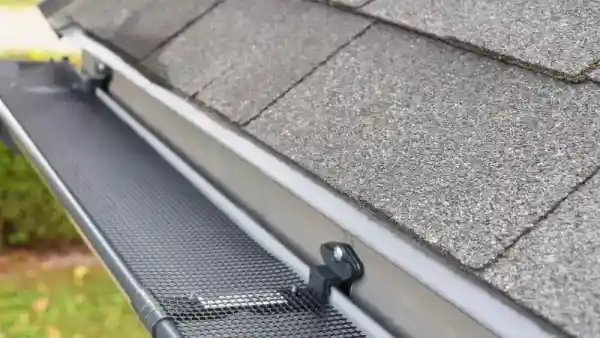
How Roof Inspections Enhance Longevity of Brisbane Homes
Brisbane's intense summers, severe storms, and high humidity put roofs under constant stress. Regular roof inspections catch small problems before they become expensive repairs, extending your roof's lifespan and protecting your home.
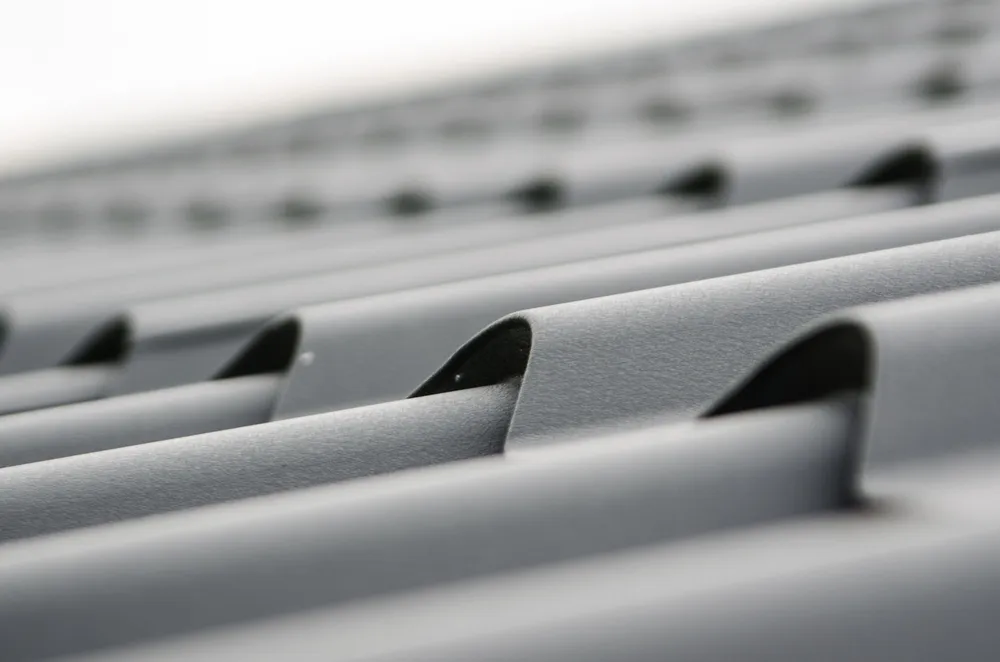
Understanding Different Roof Types and Inspection Needs
Your roof protects your home from the elements, but different roof types and materials have unique inspection requirements. This guide covers common roof styles, materials, and what inspectors look for during assessments.
What Does a Building Inspection Cover?
Building inspections serve as a critical investment safeguard, examining structural integrity, electrical systems, plumbing, and more before property purchase.
Book a Drone-Assisted Building Inspection
Get a safer, faster, and more accurate exterior inspection with our drone-equipped team. We provide comprehensive roof and facade assessments across NSW, QLD, and VIC.