
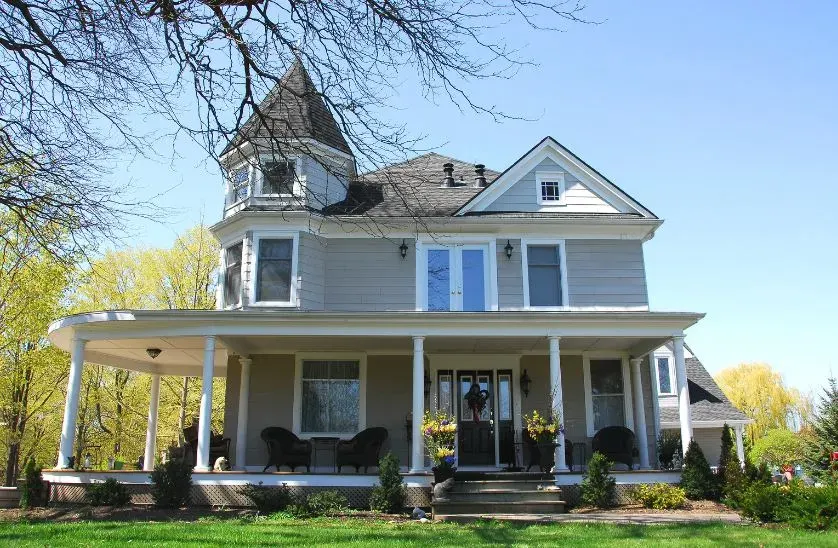
Australia's older homes, from Victorian terraces and Federation houses to weatherboard cottages and Art Deco apartments, carry character and craftsmanship that modern builds rarely match. High ceilings, ornate cornices, original timber floors, and period detailing make these homes attractive to buyers and cherished by their owners. However, the same age that gives them their charm also means their materials and systems have been exposed to decades of Australia's harsh climate, including intense UV radiation, seasonal moisture swings, storms, and termite activity.
Understanding Your Older Home
Before tackling maintenance, it helps to understand your home's history, materials, and the specific challenges associated with its era of construction.
Research Your Home's Era
Knowing when your home was built gives you valuable clues about the materials used and the common issues to watch for. Colonial and Victorian homes often feature bluestone foundations, lime mortar, and timber framing without modern treatments. Federation and interwar homes commonly use brick, timber weatherboards, and terracotta roof tiles. Post-war homes from the 1950s to 1970s may contain asbestos in cladding, eaves, and wet areas.
Conduct a Thorough Inspection
Walk through the property systematically, checking the roof, walls, ceilings, floors, plumbing fixtures, and electrical fittings. Look for cracks in walls and ceilings, water stains, damaged or missing roof tiles, signs of timber decay, and any safety hazards like outdated wiring or loose fixtures.
Identify Climate-Related Vulnerabilities
Australia's climate presents specific challenges for older homes. Intense summer heat can cause roof damage and timber shrinkage. Seasonal moisture changes contribute to foundation movement, rising damp, and mould growth. Coastal properties face salt spray corrosion, while homes in bushfire-prone areas may need additional fire protection measures.
| Common Materials | Common Issues | |
|---|---|---|
| Pre-1900 (Colonial / Victorian) | Bluestone, sandstone, lime mortar, hand-cut timber | Rising damp, lime mortar deterioration, foundation movement |
| 1900 to 1940 (Federation / Interwar) | Brick, timber weatherboard, terracotta tiles | Termite damage, roof tile deterioration, subfloor dampness |
| 1940 to 1980 (Post-War) | Brick veneer, fibro (asbestos cement), concrete tile roofs | Asbestos presence, outdated electrical wiring, plumbing corrosion |
Preventative Maintenance Strategies
Preventative maintenance is always cheaper than reactive repairs. A proactive approach saves money and keeps your home safe and comfortable.
Schedule Regular System Checks
Develop a Cleaning and Inspection Routine
Regular cleaning gives you an opportunity to spot problems early. Pay attention to areas prone to moisture, such as under sinks, around toilet bases, and in subfloor spaces. Check for new cracks in walls or ceilings, sticky doors and windows (which may indicate foundation movement), and any signs of pest activity.
Weatherproofing
Sealing around windows and doors prevents dust, draughts, and moisture from entering the building. Inspect and re-seal window frames, door frames, and any penetrations in the building envelope at least once a year. Check that roof flashings are intact and that the roof covering is free of cracks or corrosion.
Maintenance for Australian Conditions
Roof Care
Your roof is the most exposed element of the building. Schedule professional roof inspections at least every two to three years. Check for missing or cracked tiles, corroded metal sheets, deteriorating ridge capping, and blocked gutters. Clear leaves and debris from gutters and downpipes regularly to prevent water pooling and overflow.
Moisture and Rising Damp
Older homes, particularly those with stone or solid brick walls sitting on shallow footings, are susceptible to rising damp. Signs include salt deposits on interior walls, peeling paint at the base of walls, and a persistent musty smell. Address rising damp by improving drainage around the foundation, installing or replacing damp-proof courses, and ensuring adequate subfloor ventilation.
Termite Control
Termites are one of the biggest threats to older timber-framed homes in Australia. Schedule professional timber pest inspections at least annually under AS 4349.3. Look for mud tubes on foundations, hollow-sounding timber, and discarded wings near windows. Consider installing a termite barrier or reticulation system, particularly if your home does not have an existing termite management system.
Asbestos Awareness
Homes built or renovated before 1990 may contain asbestos in cladding, eave linings, bathroom walls, laundry splashbacks, and vinyl flooring. Do not disturb, cut, or sand suspected asbestos materials. If you are planning renovations, have the material tested by a licensed asbestos assessor before any work begins.
Never attempt to remove asbestos yourself. In all Australian states, the removal of more than 10 square metres of bonded asbestos must be carried out by a licensed asbestos removalist. Friable (crumbly) asbestos removal requires a Class A licence holder regardless of the quantity.
Repair vs Replace
When maintaining an older home, the question of whether to repair or replace comes up frequently. Preserving original features adds to the home's value and character, but sometimes replacement is the practical choice.
Prioritise Repair of Original Features
Original elements such as ornate cornices, timber sash windows, decorative ceiling roses, and cast-iron fireplaces are what give older homes their distinctive character. Whenever possible, repair these features rather than replacing them. Skilled restoration tradespeople can restore timber joinery, re-plaster ornamental ceilings, and refurbish original hardware.
When to Replace
Replacement becomes necessary when an element is beyond repair, presents a safety risk, or no longer meets building standards. Common examples include replacing old lead or galvanised plumbing with copper or PEX, upgrading outdated electrical wiring to meet current AS/NZS 3000 standards, and replacing severely damaged roof tiles or corroded metal roofing.
| Repair If | Replace If | |
|---|---|---|
| Original Timber Windows | Timber is sound, hardware can be restored, draught-proofing can be added | Timber is extensively rotted, frames are structurally compromised |
| Plumbing Pipes | Isolated leaks, joints can be re-sealed | Lead or corroded galvanised pipes, widespread corrosion |
| Electrical Wiring | Minor faults, isolated circuits can be upgraded | Rubber-insulated or VIR wiring, non-compliant switchboard, lack of safety switches |
| Roof | Isolated cracked or missing tiles, minor flashing repairs | Widespread deterioration, structural sagging, significant corrosion |
Finding the Right Tradespeople
Older homes require tradespeople with specific experience and skills. Not all builders, plumbers, or electricians are familiar with the materials and techniques used in period construction.
- Look for tradespeople experienced in heritage and period home restoration
- Ask for references and examples of previous work on older properties
- Consider joining an association for owners of heritage homes, such as the Historic Houses Association of Australia, for access to recommended tradespeople and resources
- Check heritage council websites in your state for lists of approved conservation practitioners
Key Takeaways
- Older Australian homes require more frequent maintenance due to ageing materials, outdated systems, and exposure to harsh climate conditions.
- Schedule professional building inspections at least annually to catch structural, moisture, and pest issues early.
- Termite inspections are particularly important for older timber-framed homes and should be done annually under AS 4349.3.
- Homes built before 1990 may contain asbestos; never disturb suspected asbestos materials without professional testing.
- Prioritise repairing original heritage features to preserve the home's character and value.
- Replace outdated plumbing and electrical systems that no longer meet current Australian Standards for safety.
- Use tradespeople experienced in heritage and period home restoration for the best results.
- Proper weatherproofing, drainage, and ventilation protect older homes from moisture damage and rising damp.
Frequently Asked Questions
How do I know if my older home needs specialised maintenance?
Assess the home's age, construction materials, and any visible signs of wear. Common indicators include cracking in walls or ceilings, sagging floors, outdated wiring, corroded plumbing, and evidence of past pest damage. If your home was built before the 1980s, it likely has materials and systems that require more frequent attention than a modern build.
What unique challenges do older homes in regional Australia face?
Regional properties face harsher environmental conditions, including extreme heat, bushfire risk, and in coastal areas, salt spray corrosion. Sourcing specialised tradespeople and heritage-appropriate materials can also be more difficult in remote locations. Planning maintenance well in advance and building a relationship with local trades helps manage these challenges.
What are the signs of termite infestation in older homes?
Signs include hollow-sounding timber when tapped, mud tubes on foundations and walls, discarded termite wings near windows and doors, bubbling or cracking paint, and soft or spongy floorboards. If you notice any of these signs, contact a licensed pest inspector immediately and avoid disturbing the area.
How do I balance preserving heritage features with modern upgrades?
Retain original elements wherever possible, such as ornate ceilings, timber joinery, and period hardware. When upgrades are needed, choose materials and finishes that complement the home's original style. For example, double-glazed timber sash windows maintain the period look while improving energy efficiency. Consult a heritage architect or restoration specialist for guidance on significant changes.
Are there government grants for maintaining heritage homes in Australia?
Some state and local governments offer grants, tax incentives, or subsidies for the conservation and maintenance of heritage-listed properties. Check with your local council, state heritage office, or the Australian Heritage Council for available programmes. Eligibility usually depends on the heritage listing status of the property.
What eco-friendly maintenance practices work for older homes?
Install energy-efficient appliances, use sustainable or recycled materials for repairs, add insulation to ceiling spaces, and install water-saving fixtures. Draught-proofing original windows and doors improves energy efficiency without removing heritage elements. Solar panels and rainwater tanks are also compatible with most older homes.
What special considerations apply to heritage-listed homes?
Heritage-listed homes are subject to specific regulations that restrict changes to the building's exterior and, in some cases, its interior. You may need council approval before carrying out repairs or modifications. Consult your local heritage authority for guidance on what work requires approval and which materials and methods are acceptable.
How often should I schedule professional inspections for an older home?
Schedule a comprehensive building inspection at least once a year. Timber pest inspections should also be done annually under AS 4349.3. If the home has known issues such as rising damp, foundation movement, or a history of termite activity, more frequent inspections may be recommended by your inspector.
How do I prioritise maintenance tasks on a limited budget?
Start with safety-related issues such as electrical faults, loose roofing, and structural cracks. Next, address water intrusion and termite risks, as these cause the most expensive damage if left unattended. Cosmetic and non-urgent maintenance tasks can be scheduled over time as budget allows. A professional inspection report can help you prioritise tasks based on urgency.
What are common misconceptions about maintaining older homes?
Common misconceptions include believing that regular inspections are unnecessary because the home has "survived this long," assuming that modern upgrades will ruin the home's character, and underestimating the risk of termite and moisture damage in solid-looking older structures. Proactive, informed maintenance is the best way to protect both the home's condition and its heritage value.
References and Resources
- Heritage Council of Victoria - Guidance on maintaining heritage-listed properties
- Australian Standard AS 4349.3 - Timber pest inspections for residential properties
- SafeWork NSW - Asbestos - Asbestos identification, testing, and removal requirements
Related Articles

Inspecting House Condition Guide
A thorough house condition inspection protects buyers from hidden defects and costly repairs. This guide covers structural, electrical, plumbing, and pest checks.
Restumping a House: What You Need to Know
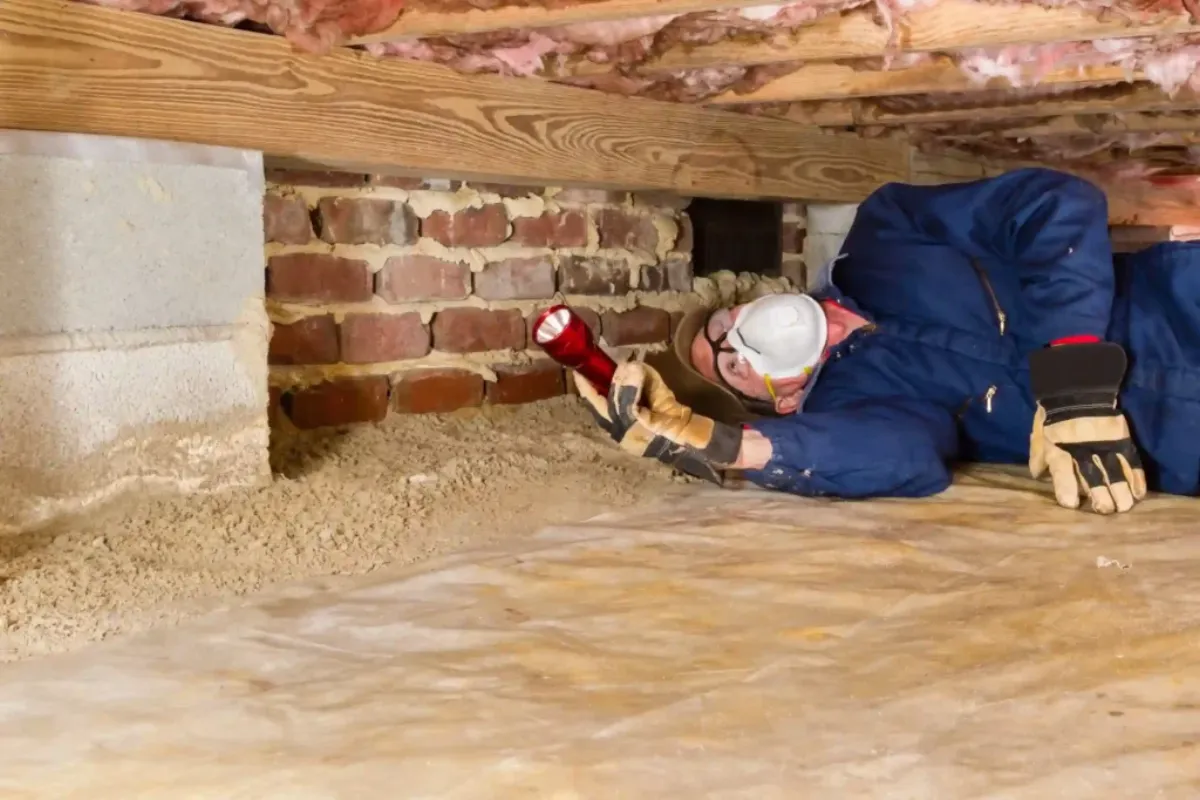
Restumping (reblocking) replaces the stumps that hold up a raised house when they rot, sink or are attacked by termites. This guide covers the warning signs, how a house is restumped step by step, how long it takes, concrete vs timber vs steel stumps, what drives the cost, and the permit and licensing rules in Victoria, NSW and Queensland.
Termite Inspection to Protect Your Home from Damage
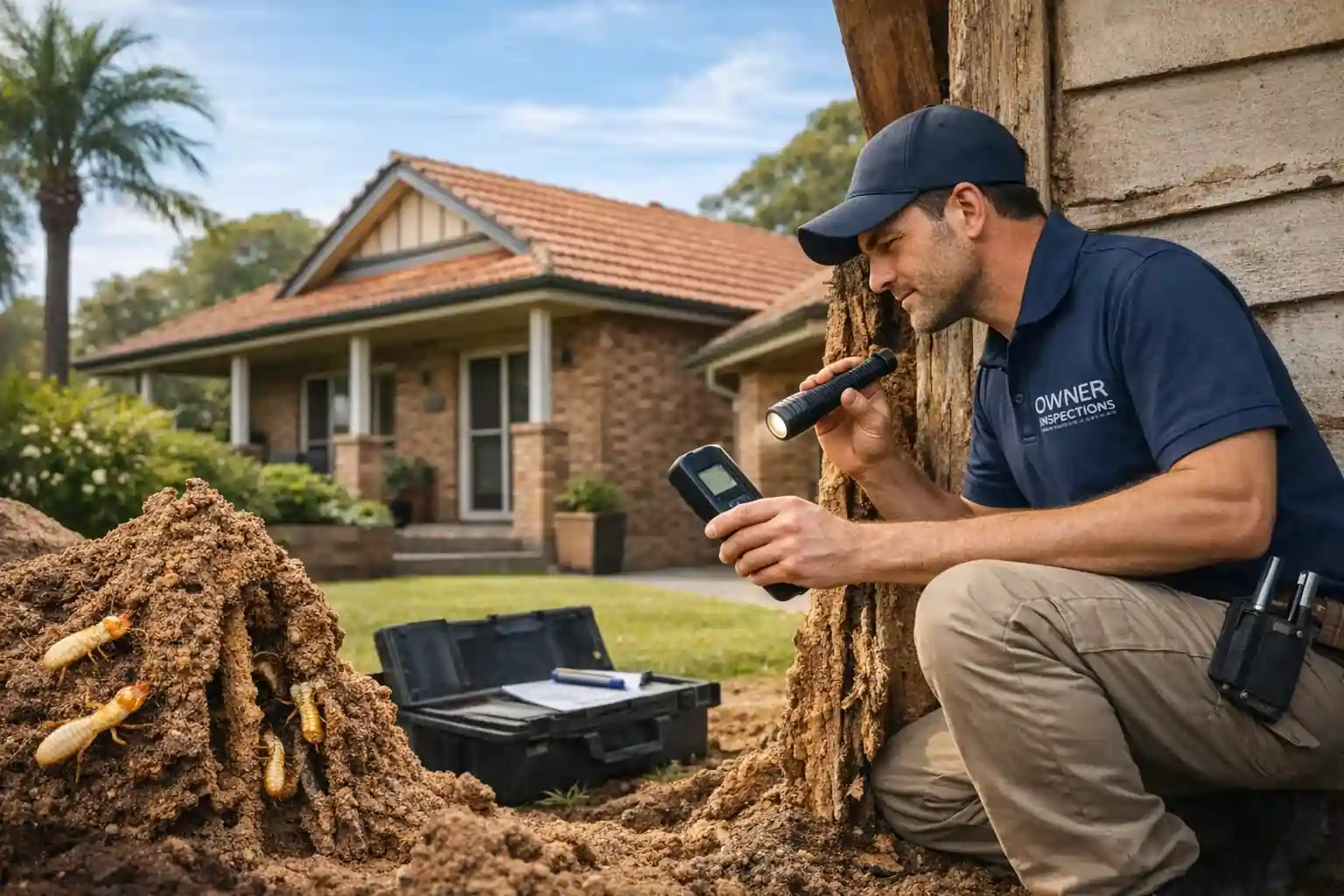
Termites cause approximately $1.5 billion in damage to Australian properties annually. Learn how professional termite inspections can protect your home and investment.
Own an older home and want to make sure it is in good condition? Owner Inspections provides thorough building and pest inspections for older homes across NSW, Victoria, and Queensland. Our licensed inspectors understand the unique challenges of period homes and can identify structural issues, moisture problems, pest damage, and safety concerns. Get a quote today or call us on 1300 471 805.