
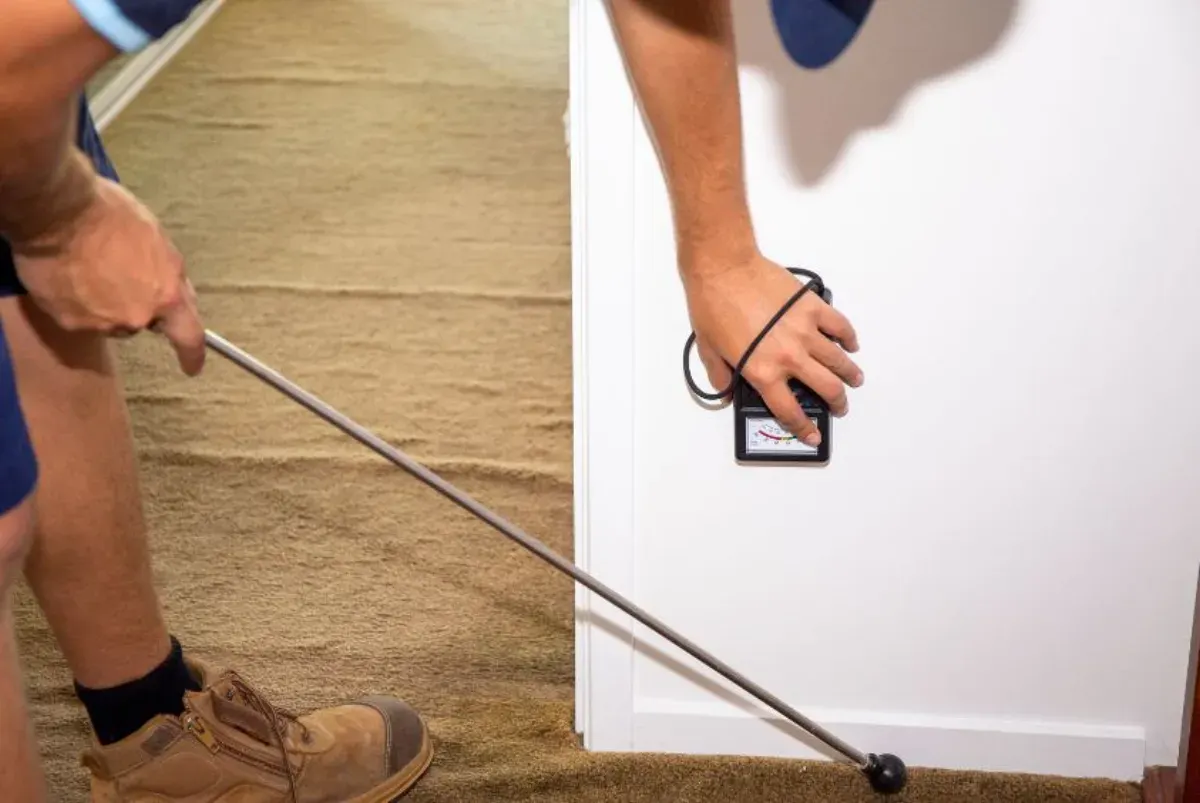
This guide explores sustainable strategies for preventing timber pests, from simple household adjustments to natural treatments and smart landscaping choices.
The Power of Prevention
The most effective and environmentally responsible approach to timber pest management is preventing infestations before they start. A few simple adjustments around your home can significantly reduce the risk.
Reduce Moisture
Timber pests thrive in moist environments. Termites in particular are attracted to damp timber and soil. To reduce moisture around your home:
Fix leaking taps, pipes, and gutters promptly to prevent water pooling near the foundation
Ensure adequate ventilation in subfloor areas, bathrooms, and laundries to reduce condensation and humidity
Consider using dehumidifiers in enclosed or poorly ventilated areas, particularly during the wetter months
Direct stormwater drainage away from the house and ensure garden beds do not trap water against external walls
Sunlight
Sunlight is a natural disinfectant and deterrent for many timber pests. Fungi and some insects prefer dark, damp conditions and will avoid areas with regular sun exposure. Where possible, trim back vegetation that creates excessive shade around the base of your home, and open up subfloor areas to allow airflow and natural light.
Keep Wood Off the Ground
Direct contact between timber and soil creates an easy entry point for subterranean termites. To minimise risk:
Store firewood on raised platforms at least 5 metres away from the house
Ensure deck posts and timber framing have adequate clearance from the ground, using metal stirrups or concrete piers where appropriate
Remove any timber offcuts, stumps, or dead trees from the garden that could serve as a food source for termites
Natural Barriers
When prevention alone is not enough, natural barriers offer an eco-friendly layer of protection against timber pests.
Boric Acid
Boric acid is a naturally occurring mineral compound that is far less toxic to humans and pets than conventional pesticides. It works by disrupting the digestive systems of termites and other wood-boring insects. Boric acid can be applied as a solution to exposed timber or used as a dust in subfloor areas and wall cavities. While it is lower in toxicity than synthetic chemicals, it should still be handled with care and kept away from food preparation areas.
Beneficial Nematodes
Beneficial nematodes are microscopic worms that are natural predators of many soil-dwelling pests, including termite larvae and beetle grubs. They can be purchased from specialist suppliers and applied to the soil around your home. Nematodes are completely harmless to humans, pets, and plants, making them an excellent eco-friendly option. They work best in moist, warm soil conditions, which aligns well with the conditions that attract timber pests.
Orange Oil
Orange oil, which contains the active compound d-limonene, is an effective natural treatment for localised drywood termite infestations. It works by dissolving the exoskeletons of termites on contact. Orange oil is applied by drilling small holes into infested timber and injecting the oil directly. While effective for small, accessible infestations, it is not suitable for large-scale or subterranean termite problems.
DIY Pest Repellents
Several household and natural products can serve as timber pest repellents when used as part of a broader prevention strategy.
Essential Oils
Certain essential oils have natural insect-repelling properties. Cedarwood oil, clove oil, and tea tree oil are among the most effective against timber pests. These oils can be diluted with water and sprayed around entry points, window frames, and the perimeter of your home. While they will not eliminate an established infestation, they can help deter pests from setting up camp in the first place.
Diatomaceous Earth
Diatomaceous earth is made from fossilised algae and works by damaging the exoskeletons of insects, causing them to dehydrate. Food-grade diatomaceous earth can be sprinkled around the foundation of your home, in subfloor areas, and around any timber structures. It is non-toxic to humans and pets but should be applied in dry conditions for best results.
Cayenne Pepper and Vinegar
A mixture of cayenne pepper and white vinegar can serve as a simple, natural deterrent when sprayed around potential entry points. While this is one of the less potent options, it can be a useful supplement to other preventative measures, particularly for minor pest activity around garden structures and outdoor timber.
Smart Landscaping
The way you design and maintain your garden can have a significant impact on timber pest risk.
Plant Selection
Choose pest-resistant native plants for areas close to your home. Many Australian native species are naturally less attractive to termites and other timber pests. Avoid planting species that are known to harbour pests or that produce excessive leaf litter near the foundation of your home.
Maintain Distance
Keep tree branches and shrubs trimmed back from the exterior walls and roof of your home. Overhanging branches can provide a bridge for pests to access your home and create shaded, damp conditions that favour termite and fungal activity. A clearance of at least one metre between vegetation and the building is recommended.
Mulch Matters
Mulch is a common element in Australian gardens, but it can also attract termites if not managed carefully. Use chunky, coarse mulch rather than fine-grade material, as it retains less moisture. Keep mulch at least 300 millimetres away from the foundation of your home, and avoid piling it against external walls or timber cladding.
When to Seek Professional Help
Eco-friendly prevention methods are highly effective as a first line of defence, but there are times when professional intervention is necessary.
Signs of Infestation
If you notice any of the following signs, contact a licensed pest inspector promptly:
Mud tubes on foundations, walls, or timber structures, which indicate subterranean termite activity
Sawdust piles or frass near timber, which may indicate wood-boring beetle activity
Clicking sounds within walls, which can be produced by soldier termites signalling to the colony
Hollow-sounding timber when tapped, indicating internal damage
Eco-Conscious Exterminators
When professional treatment is required, look for pest management companies that practise Integrated Pest Management (IPM). IPM techniques prioritise the least toxic methods first and combine physical barriers, biological controls, and targeted chemical applications only when necessary. Many Australian pest control companies now offer eco-friendly options, so ask about their approach before engaging their services.
Benefits of Eco-Friendly Pest Prevention
Adopting sustainable timber pest prevention methods offers several important benefits:
Protect your investment: Regular prevention helps avoid costly structural repairs caused by undetected pest damage
Safeguard health: Natural and low-toxicity methods reduce exposure to harmful chemicals for your family and pets
Minimise environmental impact: Eco-friendly approaches protect soil, waterways, and beneficial insects while still effectively managing timber pests
Frequently Asked Questions
What are the initial signs of a timber pest infestation?
Early signs include mud tubes on foundations or walls, small piles of sawdust or frass near timber, hollow-sounding wood when tapped, bubbling or discoloured paint on timber surfaces, and tight-fitting doors or windows caused by structural movement. Regular visual checks can help catch these signs early.
How often should I inspect my home for timber pests?
A professional timber pest inspection should be carried out at least once a year, as recommended by Australian Standard AS 3660.2. In high-risk areas such as northern Queensland and the Northern Territory, more frequent inspections may be advisable. DIY visual checks every few months are a valuable supplement between professional visits.
Does weather affect timber pest activity?
Yes. Timber pests, particularly termites, are most active during warm and humid conditions. Spring and summer are peak periods for termite swarming and colony expansion in Australia. Heavy rain can also increase moisture levels around your home, creating conditions that attract pests. Wet weather is a good time to check for drainage issues and excess moisture.
What are the risks of DIY timber pest treatment?
DIY treatments may fail to reach the full extent of an infestation, particularly for subterranean termites that nest underground. Incorrect application of treatments can scatter the colony rather than eliminate it, making the problem harder to resolve. There is also a risk of misidentifying the pest species, leading to the wrong treatment approach. For established infestations, professional treatment is strongly recommended.
How do I choose an eco-friendly pest control service?
Look for pest management companies that practise Integrated Pest Management (IPM) and hold appropriate licences in your state or territory. Ask about the products they use and whether they offer low-toxicity or non-chemical treatment options. Check if they are members of industry bodies such as the Australian Environmental Pest Managers Association (AEPMA), which promotes responsible pest management practices.
How can I verify that a pest control product is eco-friendly?
Check for products registered with the Australian Pesticides and Veterinary Medicines Authority (APVMA). Look for labels that indicate low toxicity to humans, pets, and aquatic organisms. Products certified by recognised environmental organisations or those that use naturally derived active ingredients are generally more eco-friendly. Your pest management professional should be able to explain the environmental profile of any product they recommend.
What preventive maintenance should I perform regularly?
Regular preventive maintenance includes fixing leaks and drainage issues promptly, maintaining adequate ventilation in subfloor and roof spaces, keeping timber away from direct soil contact, trimming vegetation away from the building, managing mulch levels near the foundation, and conducting visual inspections of accessible timber for signs of pest activity or moisture damage.
Can landscaping really affect timber pest risk?
Yes. Landscaping choices directly influence moisture levels and pest harbourage around your home. Dense vegetation against walls creates shade and traps moisture, which attracts termites. Mulch piled against the foundation can provide a food source and concealed access for pests. Thoughtful plant selection, adequate clearance from the building, and proper mulch management all contribute to reducing timber pest risk.
When are eco-friendly methods not enough?
Eco-friendly prevention methods are effective for deterring and managing low-level pest activity, but they have limitations against established or large-scale infestations. If you discover significant structural damage, large termite colonies, or widespread beetle activity, professional treatment with targeted products will likely be required. An IPM-focused pest management company can still minimise chemical use while effectively addressing the problem.
Are natural termite barriers as effective as chemical barriers?
Natural and physical barriers such as stainless steel mesh, crushed granite, and graded stone can be highly effective when properly installed, particularly as part of a new build or renovation. They do not degrade over time like chemical barriers and require no reapplication. However, they must be installed correctly and maintained to remain effective. For existing homes, a combination of physical barriers and eco-friendly treatments often provides the best protection.
Key Takeaways
- Prevention is the most effective and eco-friendly approach to timber pest management
- Reducing moisture, increasing sunlight exposure, and keeping timber off the ground are essential first steps
- Natural barriers including boric acid, beneficial nematodes, and orange oil offer low-toxicity protection
- DIY repellents such as essential oils and diatomaceous earth can supplement a prevention strategy
- Smart landscaping choices including plant selection, vegetation clearance, and mulch management reduce pest risk
- Seek professional help if you notice signs of active infestation such as mud tubes, frass, or clicking sounds
- Choose pest management companies that practise Integrated Pest Management for the most environmentally responsible approach
References and Resources
Related Articles
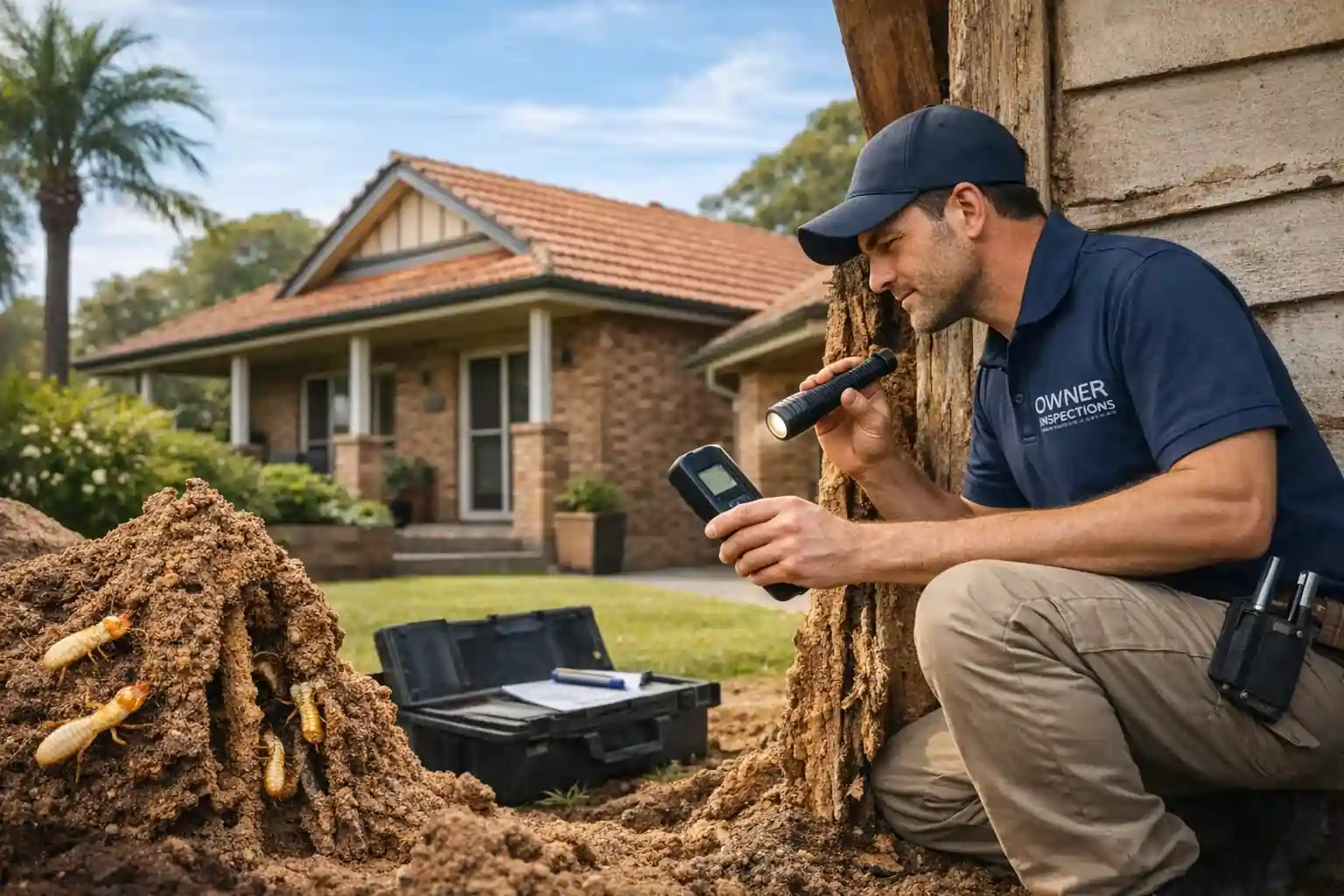
Termite Inspection to Protect Your Home from Damage
Termites cause approximately $1.5 billion in damage to Australian properties annually. Learn how professional termite inspections can protect your home and investment.
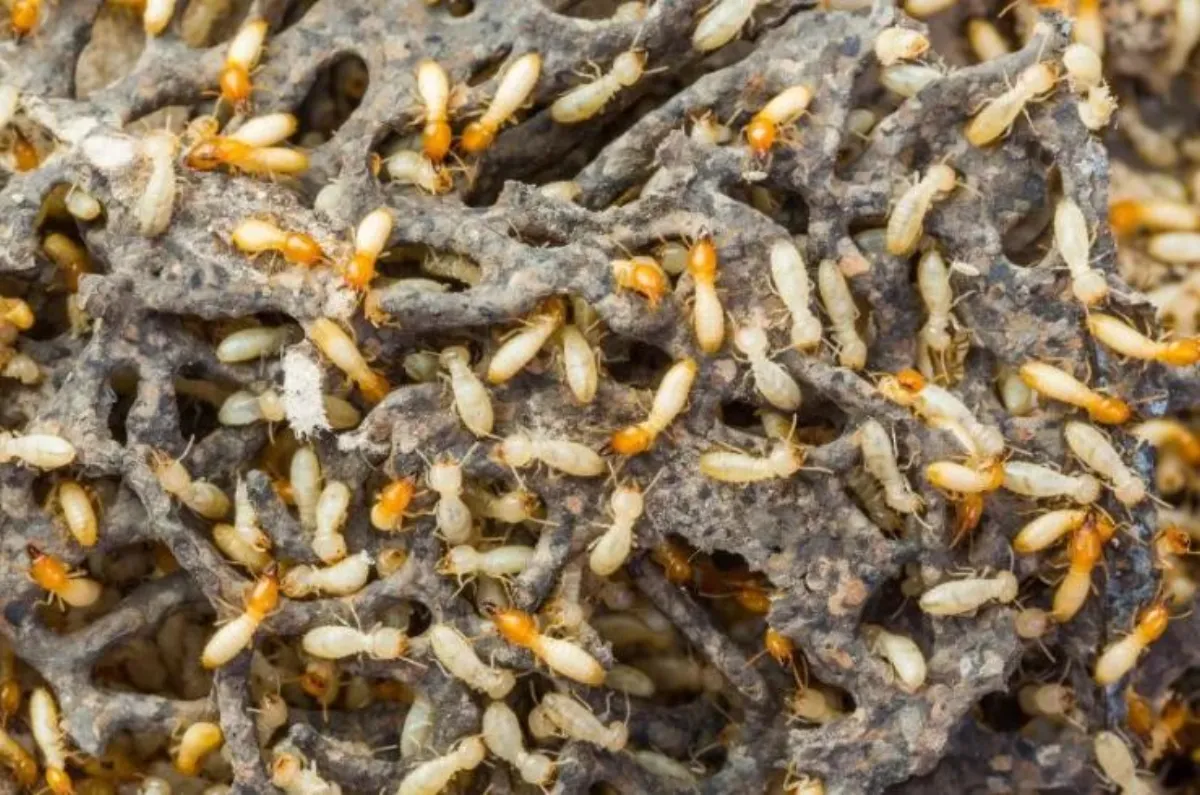
DIY vs Professional Timber Pest Inspections
Timber pests including termites, wood-boring beetles, and wood-decay fungi cause billions of dollars in damage to Australian homes each year. This guide compares the benefits and limitations of DIY timber pest inspections against professional services, helping you decide which approach suits your situation.
The Process of Conducting a Pre-Purchase Timber Pest Inspection
Timber pests including termites, borers, and wood decay fungi cause billions of dollars in damage to Australian homes every year. A pre-purchase timber pest inspection is a critical step before buying a property, identifying active infestations and existing damage that could cost thousands to repair. This guide walks through the full inspection process.
Protect Your Timber Home the Sustainable Way
Book a professional timber pest inspection with Owner Inspections. Our experienced inspectors identify pest risks and recommend eco-friendly prevention strategies tailored to your property.