
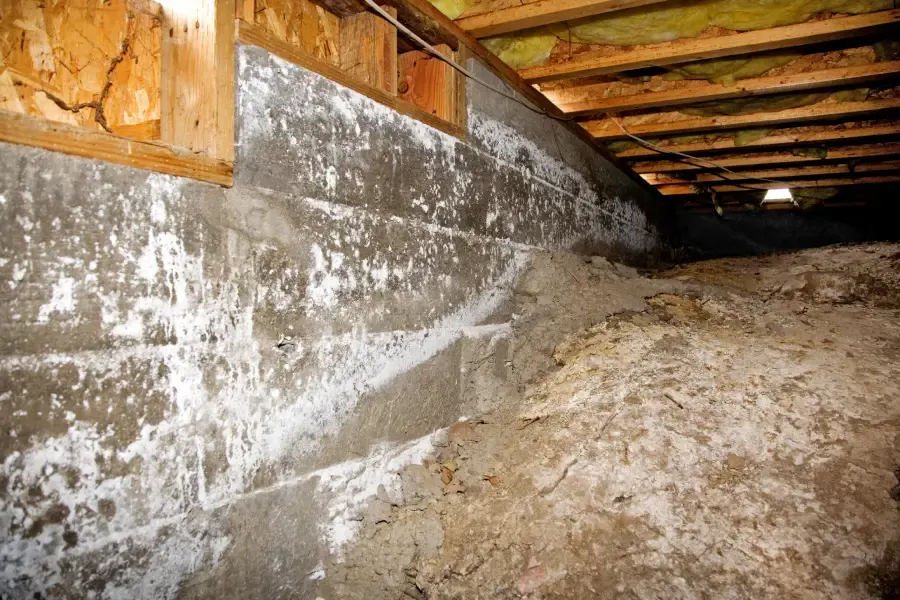
Timber plays a central role in Australian construction, particularly in roof framing and structural supports. While most homeowners are familiar with termite damage and wood rot, chemical delignification remains a lesser-known threat that can compromise a building's safety without any visible warning to the untrained eye. Understanding what causes it, how to spot it, and what to do about it is important for anyone who owns or manages property in Australia.
What Is Chemical Delignification?
Chemical delignification occurs when the lignin in timber deteriorates due to chemical exposure, leaving the cellulose fibres exposed and weakened. Lignin is the natural polymer that binds wood cells together and provides structural rigidity. Without it, timber loses its ability to bear loads and becomes soft, fuzzy, and prone to crumbling.
This condition is different from surface weathering. While weathering affects the outer layer of exposed timber, delignification attacks the wood at a deeper structural level. It can compromise roof trusses, beams, and rafters without any obvious external signs until the damage is well advanced.
How It Differs from Other Timber Problems
| Cause | Appearance | Moisture Required? | |
|---|---|---|---|
| Chemical Delignification | Chemical reactions from pollutants, gas emissions, or salt exposure | Frayed, fuzzy, hairy texture on timber surfaces | Not always, but accelerates the process |
| Wood Rot (Fungal Decay) | Fungal growth in moist conditions | Soft, spongy, discoloured wood that crumbles | Yes, moisture is the primary trigger |
| Termite Damage | Termite infestation consuming cellulose | Hollowed-out tunnels and galleries inside the timber | Subterranean termites prefer moist conditions |
| Surface Weathering | UV exposure, rain, and wind over time | Grey, rough surface on exposed timber | Contributes but not the sole factor |
Unlike wood rot, which is driven by fungi, delignification results from chemical reactions triggered by environmental or industrial pollutants. Termite damage creates hollowed-out tunnels, while delignified timber has a distinct frayed, hairy texture. Surface weathering only affects the outer layer, but chemical delignification weakens the wood at a deeper structural level.
Causes of Chemical Delignification
Understanding the root causes helps prevent the onset of delignification and informs effective treatment strategies.
Environmental Factors
High Humidity and Moisture Exposure
Poor ventilation in roof cavities increases humidity, which accelerates timber degradation. Constant moisture exposure softens wood fibres, weakening their structural integrity. Over time, this can lead to widespread delignification affecting multiple structural elements in a building.
Industrial and Urban Pollution
Buildings near major roads, factories, or industrial zones are exposed to airborne pollutants that contribute to lignin breakdown. Acidic compounds in the air react chemically with timber, leading to faster degradation. Urban areas with high levels of vehicle emissions are particularly at risk because nitrogen oxides and sulphur compounds contribute significantly to timber deterioration.
Salt Exposure in Coastal Areas
Homes and buildings near the ocean face increased risk due to salt-laden air. Roof trusses, eaves, and exposed timber structures are most affected because they are in direct contact with salty wind and moisture. The combination of salt and humidity creates conditions that make coastal properties particularly vulnerable.
Internal Factors
Gases from Household Appliances
Gas hot water systems, unflued heaters, and stoves release nitrogen oxides that react with timber and break down lignin. Roof cavities where gases accumulate present a high-risk environment. In poorly ventilated areas, chemical reactions between these emissions and timber can accelerate decay significantly.
Poor Ventilation and Condensation
Inadequate airflow traps moisture, leading to prolonged timber exposure to humid conditions. This is particularly problematic in older homes with limited ventilation systems. Condensation buildup in enclosed spaces creates an environment where delignification spreads more aggressively.
Unflued gas heaters are a leading contributor to chemical delignification in Australian homes. If your property has an unflued gas appliance that vents into the roof cavity, arrange a timber inspection as soon as possible.
How to Identify Chemical Delignification
Detecting chemical delignification early can prevent severe damage and costly repairs.
Visual Indicators
- Frayed, fuzzy, or hairy appearance on timber surfaces, indicating lignin deterioration
- Discolouration from light brown to grey with a dry, brittle texture
- Peeling or flaking timber, particularly in roof trusses, fascia boards, and beams
Structural Symptoms
- Timber becomes brittle and crumbles under slight pressure, reducing its ability to support weight
- Sagging or bending roof structures indicate loss of load-bearing capacity
- Delignified wood is more prone to fungal growth, insect infestation, and further rot
Professional Inspection Techniques
- Visual assessments by licensed inspectors who specialise in timber structures
- Moisture testing to detect excessive humidity levels that may accelerate degradation
- Microscopic analysis for severe cases to confirm lignin breakdown and determine the extent of damage
Effects on Timber Safety and Building Integrity
Structural Risks in Roofing
Weakened roof trusses and beams may collapse over time, endangering occupants and requiring costly repairs. The risk of structural failure increases as lignin loss progresses, and affected sections can give way without warning.
Reduced Timber Lifespan
Affected timber deteriorates prematurely, meaning more frequent replacements and higher maintenance costs. What might normally last decades may need replacing within a few years if delignification takes hold.
Safety Hazards
Brittle timber can fail unexpectedly, causing falling debris and posing risks to residents or workers. In commercial buildings, structural failures can result in serious injuries or significant property damage.
Compliance Issues with Australian Building Standards
Homes with untreated timber degradation may fail safety inspections and breach building codes, leading to legal and financial consequences. The National Construction Code (NCC) sets minimum structural performance standards, and delignified timber is unlikely to meet those requirements.
| Signs | Action Required | Estimated Cost | |
|---|---|---|---|
| Mild Delignification | Surface fuzzing, slight discolouration | Monitor and improve ventilation | $500 to $2,000 |
| Moderate Delignification | Noticeable brittleness, peeling surfaces, minor sagging | Sealant application, reinforcement, ventilation upgrades | $2,000 to $10,000 |
| Severe Delignification | Crumbling timber, major sagging, visible structural compromise | Full timber replacement and structural engineering assessment | $10,000 to $50,000+ |
Prevention and Treatment Methods
Improving Ventilation
Enhance roof airflow by installing vents and exhaust fans to minimise moisture buildup. Ensure adequate cross-ventilation in enclosed timber structures to reduce exposure to damaging gases. Whirlybirds and ridge vents are cost-effective options for improving air circulation in roof cavities.
Safe Use of Gas Appliances
Install flued gas heaters to prevent harmful emissions from accumulating in roof spaces. Ensure proper ventilation when using gas stoves or heaters indoors. If your home has an unflued gas appliance, consider replacing it with a flued or electric alternative.
Applying Protective Treatments
Timber sealants and preservatives can slow the progression of delignification in mildly affected areas. For moderate damage, structural reinforcement with steel brackets or sister beams can restore load-bearing capacity. Severely delignified timber should be replaced entirely by a licensed builder.
Regular Timber Inspections
Schedule annual inspections to detect early signs of damage before they escalate. Engage licensed building inspectors for accurate assessments and recommendations. Properties in coastal, urban, or industrial areas should be inspected more frequently.
Key Takeaways
- Chemical delignification is the breakdown of lignin in timber caused by chemical reactions from pollutants, gas emissions, and moisture.
- It weakens timber at a structural level, making roof trusses, beams, and rafters brittle and prone to collapse.
- Common causes include unflued gas appliances, poor roof cavity ventilation, coastal salt exposure, and industrial pollution.
- Visual signs include frayed, fuzzy, or hairy timber surfaces, discolouration to grey, and peeling or flaking wood.
- It differs from termite damage and wood rot in both cause and appearance but can occur alongside these issues.
- Prevention relies on improving ventilation, replacing unflued gas heaters, and applying protective timber treatments.
- Annual inspections by licensed building inspectors are the most effective way to detect delignification early.
- Properties in coastal, urban, or industrial areas face higher risk and should be inspected more frequently.
Frequently Asked Questions
What is chemical delignification and how does it affect timber?
Chemical delignification is the breakdown of lignin, the natural binding agent in wood that provides rigidity and structural strength. When lignin deteriorates due to chemical exposure, the remaining cellulose fibres become weak, brittle, and unable to bear loads. This can compromise roof trusses, beams, and other structural timber components.
Is chemical delignification the same as wood rot?
No. Wood rot is caused by fungi and requires sustained moisture to develop. Chemical delignification results from chemical reactions triggered by pollutants, gas emissions, or salt exposure. While moisture can accelerate delignification, it is not the sole cause. The two conditions also look different: rotted wood is soft and spongy, while delignified wood has a distinct frayed, hairy texture.
How can I tell if my roof timber is affected by delignification?
Look for fuzzy or hairy textures on the timber surface, discolouration from brown to grey, flaking or peeling wood, and brittleness when pressed. Sagging roof lines or visible bending may also indicate advanced delignification. A licensed building inspector can confirm the diagnosis using moisture meters and visual assessment techniques.
Can chemically delignified timber be repaired?
It depends on the severity. Mild cases can be managed with protective sealants and improved ventilation. Moderate damage may require structural reinforcement with steel brackets or sister beams. Severely delignified timber must be fully replaced. A qualified inspector or structural engineer can advise on the best course of action for your property.
How often should timber structures be inspected for delignification?
Annual inspections are recommended for most properties. Homes in high-risk areas, such as coastal regions, near industrial zones, or in urban areas with heavy traffic pollution, should be inspected more frequently. Properties with unflued gas appliances should also receive priority inspections.
What role do gas appliances play in timber delignification?
Unflued gas heaters, hot water systems, and stoves release nitrogen oxides and other combustion byproducts. When these gases accumulate in poorly ventilated roof cavities, they react with the lignin in timber and accelerate its breakdown. Replacing unflued appliances with flued or electric alternatives significantly reduces this risk.
Are coastal properties more at risk of chemical delignification?
Yes. Salt-laden air in coastal areas reacts with timber and accelerates lignin breakdown. Roof trusses, eaves, and exposed timber structures are most affected. The combination of salt, humidity, and wind creates conditions that make coastal properties particularly vulnerable to delignification.
Does chemical delignification affect building compliance in Australia?
Yes. Timber that has been compromised by delignification may not meet the structural performance requirements set out in the National Construction Code (NCC). Properties with untreated delignification can fail safety inspections, which may affect insurance coverage, property sales, and compliance with local council requirements.
How much does it cost to fix chemical delignification in a roof?
Costs vary depending on the severity. Improving ventilation and applying sealants for mild cases may cost between $500 and $2,000. Moderate damage requiring reinforcement can range from $2,000 to $10,000. Full timber replacement for severe cases can exceed $50,000 depending on the size and complexity of the roof structure.
Can delignification occur alongside termite damage?
Yes. Delignified timber is more vulnerable to secondary damage from termites, fungi, and other pests. The weakened cellulose fibres provide less resistance, making affected timber an easier target. A comprehensive timber inspection should check for all forms of degradation simultaneously to give a complete picture of the timber's condition.
References and Resources
- National Construction Code (NCC) - Australian Building Codes Board
- CSIRO - Timber Durability and Preservation - Research on timber degradation in Australian conditions
- NSW Fair Trading - Home Building - Compliance and building standards guidance
- Queensland Building and Construction Commission (QBCC) - Builder licensing and construction standards
- Victorian Building Authority (VBA) - Building regulations and inspections in Victoria
Related Articles
Termite Inspection to Protect Your Home from Damage
Termites cause approximately $1.5 billion in damage to Australian properties annually. Learn how professional termite inspections can protect your home and investment.
What's Involved in a Building and Pest Inspection?
Building and pest inspections evaluate structural integrity and pest-related issues in Australian properties. Learn what inspectors check, common issues detected, costs, and legal requirements.
Mould Inspection to Detect and Prevent Home Damage
Mould often grows in hidden areas behind walls and within ventilation systems. Professional mould inspections detect contamination early, preventing structural damage and costly remediation.
Concerned about timber degradation in your roof or structural framing? Owner Inspections provides thorough timber assessments conducted by licensed building inspectors across NSW, Victoria, and Queensland. Our reports identify chemical delignification, termite activity, and other timber defects before they become safety hazards. Book a timber inspection today or call us on 1300 471 805.