
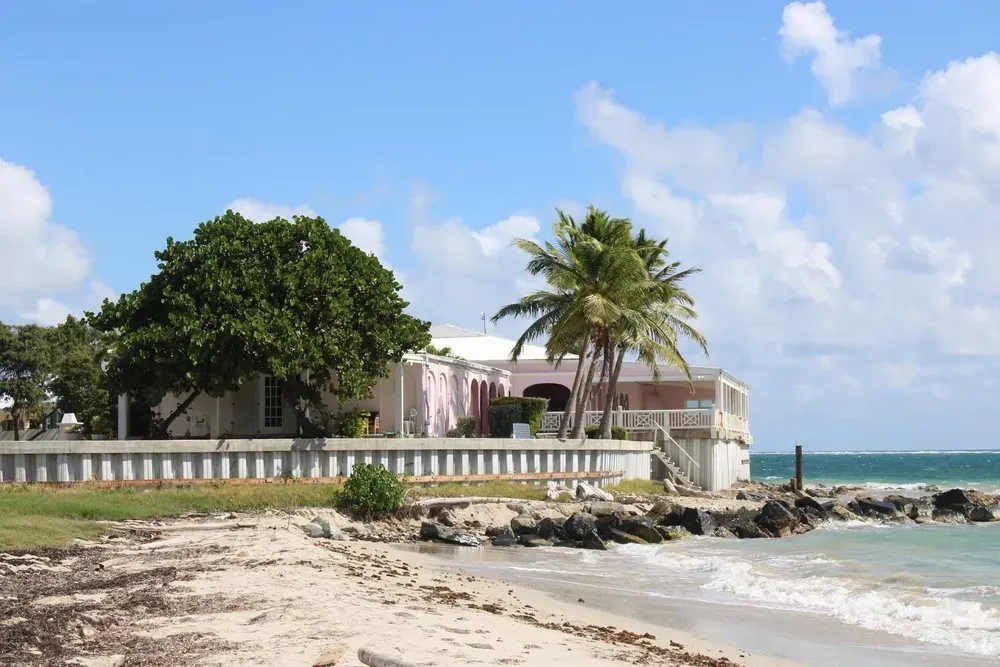
Coastal construction in Australia, from the Gold Coast to Sydney's Northern Beaches and Melbourne's Bellarine Peninsula, relies heavily on bored piers where surface soils are too weak or variable to support conventional footings. The coastal environment is particularly harsh on foundation elements, with salt air, tidal moisture, and reactive soils all working to degrade materials faster than in inland settings. Understanding how these challenges affect bored piers and what proper inspections involve is important for anyone building, buying, or maintaining a coastal property.
Why Bored Piers Matter in Coastal Construction
Bored piers are designed to reach stable ground beneath layers of weak, compressible, or reactive soil. In coastal environments, surface soils often consist of sand, clay with high moisture variability, or fill material that cannot reliably support a building's weight.
By drilling deep into the ground and filling the hole with reinforced concrete, bored piers create a stable connection between the structure above and the competent soil or rock below. This makes them particularly well suited for:
- Residential homes on sandy coastal lots where conventional strip footings would be inadequate
- Multi-storey apartment buildings in coastal suburbs with variable ground conditions
- Structures exposed to high wind loads from storms and cyclones
- Properties in areas prone to soil erosion from wave action, flooding, or stormwater runoff
Without properly constructed and maintained bored piers, coastal structures are at serious risk of settlement, movement, and structural failure.
Unique Challenges in Coastal Conditions
Coastal environments create specific problems for bored piers that do not affect foundations in inland locations with the same severity.
| The Challenge | The Impact | |
|---|---|---|
| Saltwater Corrosion | Salt-laden air and groundwater accelerate corrosion of steel reinforcement inside the concrete piers | Corroding reinforcement expands, cracks the surrounding concrete, and progressively weakens the pier's structural capacity |
| Sandy and Shifting Soils | Coastal sands are prone to movement from water flow, wave action, and tidal changes | Soil movement can reduce the friction between the pier and the ground, decreasing the pier's load-bearing capacity |
| Extreme Weather | Storms, cyclones, and king tides subject coastal structures to intense lateral and uplift forces | Repeated high-force events can stress pier-to-structure connections and cause cumulative damage over time |
| High Water Tables | Coastal areas often have water tables close to the surface that fluctuate with tides and rainfall | Persistent moisture contact increases the rate of concrete degradation and reinforcement corrosion |
Key Inspection Points for Coastal Bored Piers
Inspections of bored piers in coastal settings focus on several specific areas that are most vulnerable to the conditions described above.
Material Integrity
The inspector assesses the condition of the concrete and the embedded steel reinforcement. Signs of concrete spalling, cracking, or surface degradation indicate that the reinforcement inside may be corroding. Rust staining on the concrete surface is a common early warning sign.
Depth and Positioning
The inspector verifies that the piers were installed to the correct depth and in the correct positions as specified by the structural engineer. Piers that are too shallow or misaligned can compromise the structural performance of the entire building.
Reinforcement Condition
Using non-destructive testing methods, inspectors can assess the condition of the steel reinforcement without damaging the pier. This is particularly important in coastal areas where corrosion risk is elevated.
Environmental Impact Assessment
The inspector evaluates how local conditions such as soil type, groundwater levels, and exposure to salt are affecting the piers. This assessment helps determine the frequency of future inspections and whether protective measures are needed.
Inspection Methods and Technologies
Modern bored pier inspections combine traditional visual assessment with advanced technology for a thorough evaluation.
- Visual inspections identify surface-level issues such as cracking, spalling, rust staining, and erosion around the pier base
- Ultrasonic testing measures the integrity of the concrete and detects internal voids or delamination without damaging the pier
- Ground-penetrating radar (GPR) maps the position and condition of reinforcement bars within the concrete
- Drones equipped with high-resolution cameras access hard-to-reach areas such as elevated pier caps and connections
- 3D imaging technology creates detailed digital models of the pier structure, allowing inspectors to identify internal weaknesses
- Core sampling involves extracting a small concrete sample for laboratory analysis of strength, chloride penetration, and carbonation depth
Non-destructive testing methods are preferred for bored pier inspections because they provide detailed information about the pier's internal condition without compromising its structural integrity.
The Bored Pier Inspection Process
A typical bored pier inspection follows a structured process from initial consultation to final report delivery.
Initial consultation
Discuss the scope of the inspection, the property's history, any specific concerns, and previous inspection reports if available. This helps the inspector focus on the areas most likely to need attention.
Site visit and visual assessment
The inspector conducts a comprehensive visual check of all accessible piers, looking for signs of damage, wear, cracking, corrosion staining, or erosion around the base.
Detailed technical inspection
Using specialised equipment such as GPR, ultrasonic testing, or core sampling, the inspector assesses the internal condition of the piers and the state of the reinforcement.
Data collection and measurement
The inspector records measurements, photographs, and test results. Material samples may be collected for laboratory analysis if needed.
Analysis
All collected data is analysed to identify current issues, assess the severity of any damage, and evaluate the piers' remaining service life.
Report preparation and delivery
A detailed report is prepared outlining the current condition of the bored piers, any identified defects, photographic evidence, test results, and recommended corrective actions.
Regulations and Compliance
Coastal construction in Australia is governed by a combination of national, state, and local regulations. The key frameworks include:
- The National Construction Code (NCC) sets minimum performance requirements for structural adequacy, including foundation design
- Australian Standard AS 2159 (Piling: Design and Installation) provides specific requirements for the design, construction, and testing of piled foundations
- State planning legislation such as the Environmental Planning and Assessment Act 1979 (NSW) includes requirements for assessing coastal hazards before development approval
- Local council planning controls may include specific requirements for construction in coastal erosion zones, flood-prone areas, or areas subject to acid sulfate soils
- Coastal management legislation (varying by state) requires councils to consider erosion, sea level rise, and other coastal hazards in development assessment
Non-compliance with coastal construction regulations can result in building permit refusal, stop-work orders, or demolition orders. Always confirm the specific requirements with your local council and building certifier before construction begins.
Cost and Budget Considerations
The cost of bored pier inspections in coastal areas is typically higher than for inland sites due to the specialised equipment and expertise required.
- Standard visual inspections are the most affordable option and should be conducted regularly as part of routine maintenance
- Non-destructive testing (GPR, ultrasonic) adds cost but provides significantly more information about internal pier condition
- Core sampling and laboratory analysis are used for detailed assessments and add further cost
- Bundling inspection services (such as combining pier inspections with a general building inspection) can be more cost-effective
Regular, less expensive visual inspections can prevent the need for costly emergency repairs by catching problems early. The cost of an inspection is minor compared to the cost of foundation remediation or structural failure.
Key Takeaways
- Bored piers are the standard foundation solution for coastal construction where surface soils are too weak or variable for conventional footings.
- Saltwater corrosion, sandy soils, extreme weather, and high water tables create unique risks for bored piers in coastal areas.
- Inspections focus on material integrity, depth and positioning, reinforcement condition, and environmental impact.
- Modern inspection methods include visual assessment, ultrasonic testing, ground-penetrating radar, drones, and core sampling.
- Australian Standard AS 2159 governs the design and installation of piled foundations, including bored piers.
- Coastal properties should have bored piers inspected more frequently than inland properties due to the harsher environmental conditions.
- The cost of regular inspections is small compared to the cost of foundation failure or remediation works.
Frequently Asked Questions
What is the typical lifespan of bored piers in coastal settings?
Bored piers in coastal areas generally last between 50 and 100 years depending on the quality of materials, construction methods, and maintenance. However, the coastal environment accelerates degradation. Regular inspections and timely maintenance can extend the service life significantly.
Are special permits needed for bored pier inspections in coastal areas?
Permits may be required depending on the scope of the inspection and local council regulations, particularly if the inspection involves excavation or access to protected coastal zones. Always check with your local authority before scheduling the inspection.
How do seasonal changes affect inspection scheduling for coastal bored piers?
Seasonal weather conditions can impact both access and accuracy. Storms, high tides, and heavy rainfall can make site access difficult and obscure certain conditions. Inspections are best scheduled during periods of calm, dry weather for the most reliable results.
Is there specialised training for inspectors working in coastal conditions?
Yes. Inspectors working on coastal foundations may hold additional qualifications or training in marine construction, corrosion assessment, and non-destructive testing. When choosing an inspector for coastal pier work, ask about their specific experience with coastal environments and the testing methods they use.
How does the cost of a coastal bored pier inspection compare to an inland site?
Coastal inspections are typically more expensive than inland inspections due to the specialised equipment, expertise, and environmental considerations involved. The exact cost varies depending on the number of piers, testing methods used, and site accessibility. Request quotes from multiple providers to compare.
How should I prepare my site for a bored pier inspection?
Clear the area around the piers of any debris, stored materials, or vegetation that could obstruct the inspector's access. If you have previous inspection reports, construction drawings, or geotechnical reports, provide these to the inspector before the visit. This helps them focus on the most relevant areas.
What remedial actions are commonly recommended after a coastal pier inspection?
Common recommendations include applying protective coatings to resist corrosion, repairing concrete spalling, injecting cracks with epoxy, installing cathodic protection systems for the reinforcement, and in severe cases, installing additional piers or structural underpinning to restore load capacity.
Do coastal storms trigger mandatory bored pier inspections?
In some jurisdictions, major weather events such as cyclones or significant storm surges may trigger mandatory structural inspections. Even where not mandated, it is strongly advisable to inspect bored pier foundations after any severe weather event that could have caused erosion, impact damage, or ground movement.
How often should bored piers be inspected in high-salinity coastal areas?
In high-salinity environments, inspections should be conducted more frequently than in standard conditions. A visual inspection every one to two years is recommended, with more detailed non-destructive testing every three to five years. The exact frequency should be determined in consultation with a structural engineer or qualified inspector based on the specific site conditions.
Can I get real-time updates during the inspection?
Some inspection providers offer real-time communication during the inspection through phone calls, messaging, or specialised software. Ask your provider about their communication options when booking the inspection. Being present on site during the inspection is also an option and allows you to ask questions in person.
References and Resources
- National Construction Code (NCC) - Australian Building Codes Board
- Australian Standard AS 2159: Piling - Design and Installation - Standards Australia
- CSIRO - Coastal Erosion - Research on coastal erosion and climate impacts in Australia
Related Articles
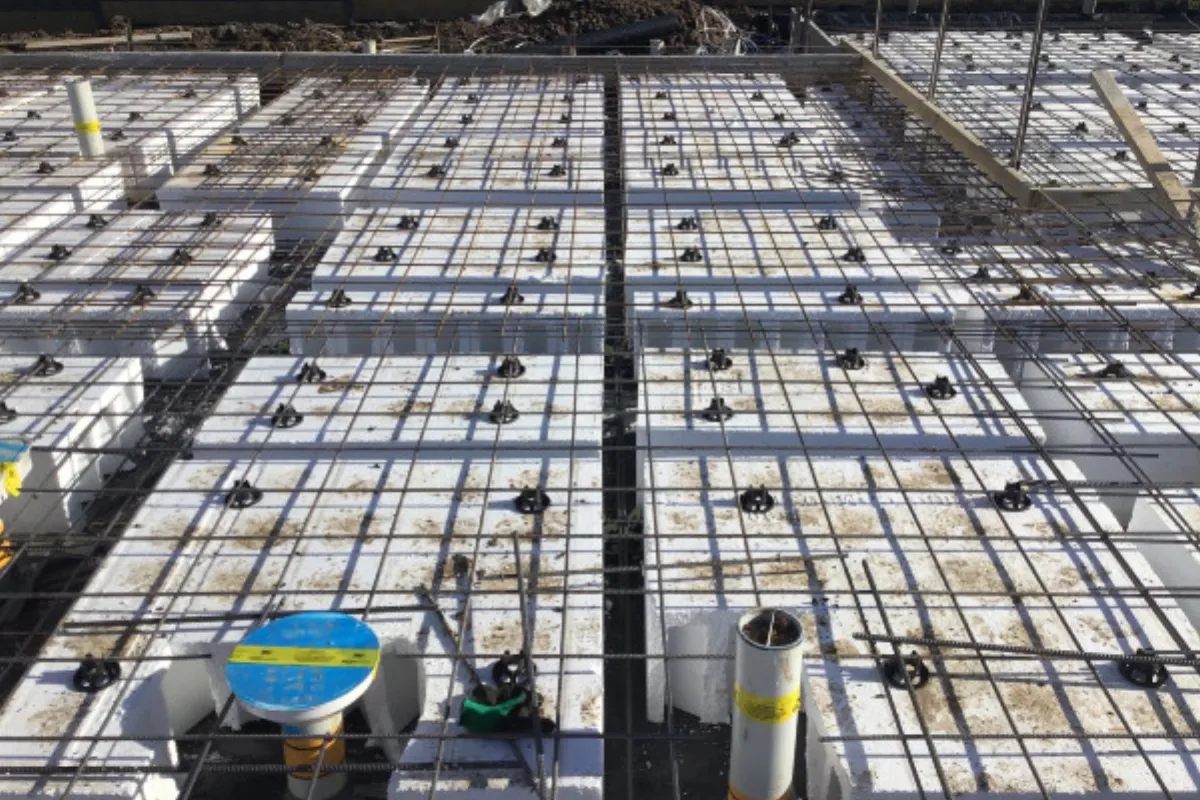
Tips for a Successful Slab Pre-Pour Inspection Process
A slab pre-pour inspection verifies foundation integrity before concrete is poured, checking reinforcement, formwork, moisture barriers, and soil compaction. This guide covers the inspection process, common challenges, and what to expect.
Structural Integrity Inspection
Structural integrity inspections evaluate load-bearing components to identify defects that could compromise building stability. Learn about the process and benefits.
Building Inspection Stages: A Comprehensive Guide
Building or maintaining a property in a coastal area? Owner Inspections provides construction stage inspections and structural assessments across NSW, Victoria, and Queensland. Our licensed inspectors understand the unique challenges of coastal construction and deliver detailed reports you can rely on. Get a quote today or call us on 1300 471 805.