
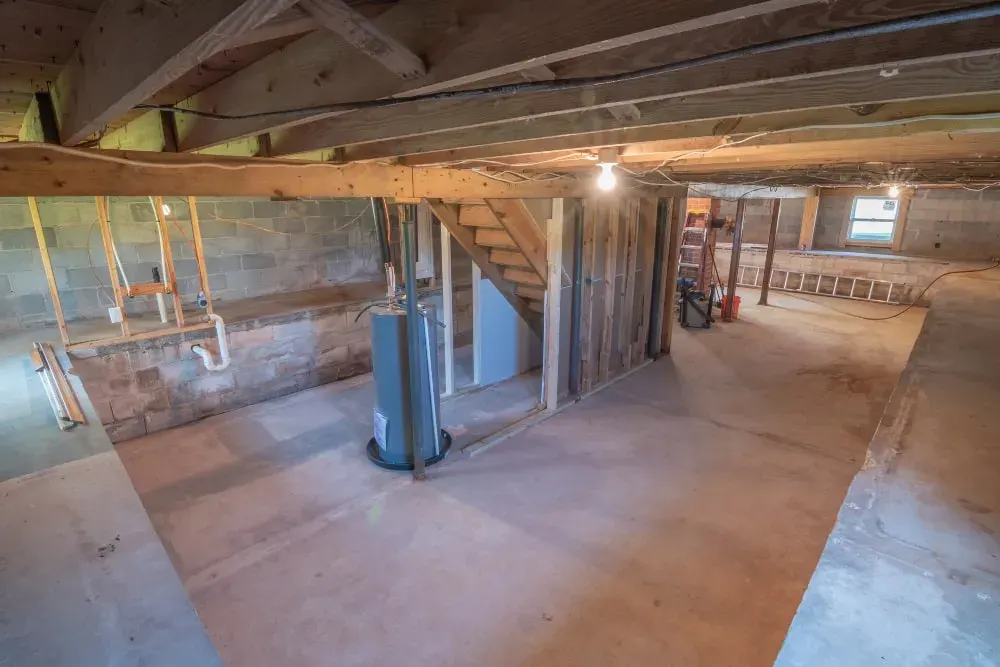
Basements and below-ground spaces provide valuable extra living or storage area, but they are naturally vulnerable to water intrusion and moisture problems because they sit below grade level. Ignoring basement maintenance can lead to water damage, musty odours, mould growth, damaged belongings, and even weakened foundations. Australian homeowners with basements or lower-ground-level rooms should treat regular maintenance as a priority rather than an afterthought.
Keeping Water Out: Preventing Leaks
The most effective approach to basement maintenance is preventing water from reaching the foundation in the first place. Proper drainage and grading are the first line of defence.
Gutters and Downpipes
Gutters collect rainwater from the roof and direct it to downpipes, which should discharge well away from the foundation. Keep gutters clean and free of debris so they function properly. Downpipes should extend at least 1.5 to 2 metres away from the foundation, directing water onto a grassed or garden area that slopes away from the building.
Grading Around the Foundation
The soil surrounding your foundation should slope away from the house at a minimum grade of 50mm per metre for the first 1 to 2 metres. This allows rainwater to drain naturally away from the foundation rather than pooling against the basement walls. Over time, soil can settle and change the grade, so check it at least once a year and add fill as needed.
Surface Water Management
- Direct stormwater from driveways, paths, and paved areas away from the building via surface drains or channels
- Check that garden beds near the foundation do not trap and hold water against the walls
- Ensure underground stormwater drains are clear and flowing freely
Detecting and Addressing Existing Leaks
Even with good drainage, leaks can develop over time. Early detection is the key to preventing minor issues from becoming major problems.
Signs of Basement Leaks
- Musty or damp odour, even when surfaces appear dry
- Visible water stains on walls or floors
- Efflorescence (white powdery mineral deposits on concrete or masonry surfaces)
- Cracks in foundation walls or the floor slab with visible moisture
- Peeling paint or bubbling render on interior basement walls
Repair Options
| Best For | Method | |
|---|---|---|
| Crack Sealing | Small cracks (less than 5mm) in walls or floors | Apply a basement-grade sealant or epoxy injection to fill and seal the crack |
| Interior Waterproofing Membrane | Mild seepage through walls | Apply a waterproof membrane or coating on the interior basement walls to create a barrier against moisture |
| Exterior Waterproofing | Persistent or severe water intrusion | Excavate around the foundation, apply a waterproof membrane to the exterior walls, and install drainage to redirect groundwater |
| Subsoil Drainage System | High water table or heavy groundwater pressure | Install perforated pipes around the foundation perimeter to collect and redirect groundwater away from the building |
For small, non-structural cracks, a DIY sealant application may be sufficient. For larger cracks, persistent leaks, or any sign of structural movement, always consult a qualified building professional or structural engineer before attempting repairs.
Maintaining Structural Integrity
Your basement walls and floor slab form part of your home's foundation. Structural issues here can affect the entire building. Regular inspections help you catch problems early.
What to Look For
- Cracks wider than 5mm in foundation walls or floor, particularly horizontal or diagonal cracks
- Bowing or leaning walls, where the wall appears to be moving inward under soil pressure
- Doors and windows that stick, bind, or no longer close properly, which can indicate foundation movement
- Uneven or sloping floors
- Gaps between walls and the floor or ceiling
When to Call a Professional
Contact a licensed building inspector or structural engineer immediately if you notice wide or jagged cracks (over 10mm), noticeable bowing in basement walls, uneven floors, or misalignment in the structure above. These issues can worsen quickly and may pose a safety risk if left unaddressed.
Common professional repair methods for foundation issues include:
- Crack injection with epoxy or polyurethane to seal and stabilise cracks
- Wall anchors or carbon fibre straps to stabilise and straighten bowing walls
- Underpinning to strengthen foundations that have settled or shifted
- Reblocking or restumping for older homes with subfloor issues
Moisture Control and Mould Prevention
Basements are naturally prone to higher humidity levels because they sit below ground. Controlling moisture is the most effective way to prevent mould growth and maintain a healthy environment.
Ventilation
Good airflow reduces moisture buildup. Open windows when weather permits, and use exhaust fans in basement laundries or bathrooms. In enclosed basements without windows, a mechanical ventilation system may be needed to maintain adequate air exchange.
Dehumidifiers
In humid climates such as coastal NSW and Queensland, a dehumidifier helps regulate indoor humidity. Aim for a relative humidity level between 30% and 50% in your basement. A dehumidifier with an automatic drain function can run continuously without needing to be manually emptied.
Preventing Mould
Basement Maintenance Checklist
Use this checklist as a seasonal guide to keep your basement in good condition.
| Tasks | |
|---|---|
| Monthly | Check for visible leaks, inspect sump pump (if fitted), clean dehumidifier filter |
| Quarterly | Inspect walls and floor for new cracks, check ventilation, test exhaust fans |
| Annually | Inspect gutters and downpipes, check grading around the foundation, review waterproofing condition |
| After Heavy Rain | Check for water intrusion, inspect drains, look for new moisture stains or damp patches |
Key Takeaways
- Proper drainage and grading around the foundation are the first line of defence against basement leaks.
- Downpipes should extend at least 1.5 to 2 metres from the foundation, and soil should slope away from the building.
- Regularly inspect basement walls and floors for cracks, moisture stains, and signs of structural movement.
- Cracks wider than 5mm, bowing walls, or uneven floors require immediate professional assessment.
- Control moisture with ventilation, dehumidifiers, and prompt leak repairs to prevent mould growth.
- Maintain basement humidity between 30% and 50% to create an environment where mould cannot thrive.
- A professional building inspection can identify hidden moisture sources, structural concerns, and waterproofing failures.
Frequently Asked Questions
How often should I inspect my basement for leaks?
Inspect your basement at least once every three months and after every significant rainfall event. Monthly checks of visible pipes, joints, and walls help catch minor leaks early. An annual professional inspection is recommended for a thorough assessment, particularly for older homes or properties in areas with high water tables.
What causes cracks in basement walls?
Basement wall cracks are commonly caused by soil pressure against the foundation, foundation settlement, shrinkage of concrete during curing, tree root growth near the foundation, and changes in soil moisture levels. Small hairline cracks are normal in concrete. Wider cracks, diagonal cracks, or horizontal cracks may indicate structural movement and should be assessed by a professional.
What is the difference between interior and exterior waterproofing?
Interior waterproofing involves applying a waterproof membrane or coating to the inside of basement walls to create a barrier against moisture seepage. It is less disruptive and less expensive. Exterior waterproofing involves excavating around the foundation and applying a waterproof membrane to the outside of the walls, combined with drainage. It is more effective for severe water intrusion but is more costly and disruptive.
How can I tell if a crack in my basement is structural?
Structural cracks are typically wider than 5mm, may be horizontal or diagonal rather than vertical, often have jagged or stepped edges (particularly in brickwork), and may be accompanied by bowing walls or misaligned doors and windows. If you notice any of these signs, contact a licensed building inspector or structural engineer for an assessment.
Do I need a sump pump in my basement?
A sump pump is recommended for basements in areas with high water tables or where groundwater intrusion is a recurring problem. The sump pump collects water that enters the basement and pumps it away from the building. It is particularly common in lower-ground-level spaces in Sydney and Melbourne homes built on sloping sites.
How do I reduce humidity in my basement?
Use a dehumidifier to maintain humidity between 30% and 50%. Improve ventilation by opening windows or installing exhaust fans. Fix any leaks or sources of moisture. Avoid drying laundry in the basement, and consider using mould-resistant paints on walls and ceilings.
Can mould in a basement affect the rest of the house?
Yes. Mould spores become airborne and can travel through the house via air currents, stairways, and HVAC systems. Mould in a basement can affect indoor air quality throughout the entire home and trigger respiratory symptoms, allergies, and asthma in occupants on other levels of the building.
What should I store in my basement to avoid moisture damage?
Avoid storing items directly on the floor or against walls where moisture can reach them. Use plastic storage containers instead of cardboard boxes. Keep items elevated on shelving or pallets. Avoid storing paper, fabric, and other moisture-sensitive materials in basements without humidity control.
How much does professional basement waterproofing cost in Australia?
The cost varies depending on the method and extent of the work. Interior waterproofing coatings may cost $2,000 to $5,000. Subsoil drainage systems typically range from $5,000 to $15,000. Exterior waterproofing involving excavation can cost $10,000 to $30,000 or more depending on access and the size of the foundation. Getting multiple quotes from licensed waterproofing contractors is recommended.
Should I get a professional inspection before finishing a basement?
Yes. Before converting a basement or lower-ground space into a habitable room, have a building inspector assess the waterproofing, structural condition, ventilation, and compliance with the NCC requirements for habitable rooms. This prevents costly problems after the fitout is complete and ensures the space meets building standards.
References and Resources
- National Construction Code (NCC) - Building standards including basement and subfloor requirements
- Australian Standard AS 3740 - Waterproofing - Waterproofing standards for wet areas and below-grade spaces
- NSW Fair Trading - Home Building - Consumer information on building work and repairs
- Victorian Building Authority (VBA) - Building standards and compliance guidance for Victoria
Related Articles
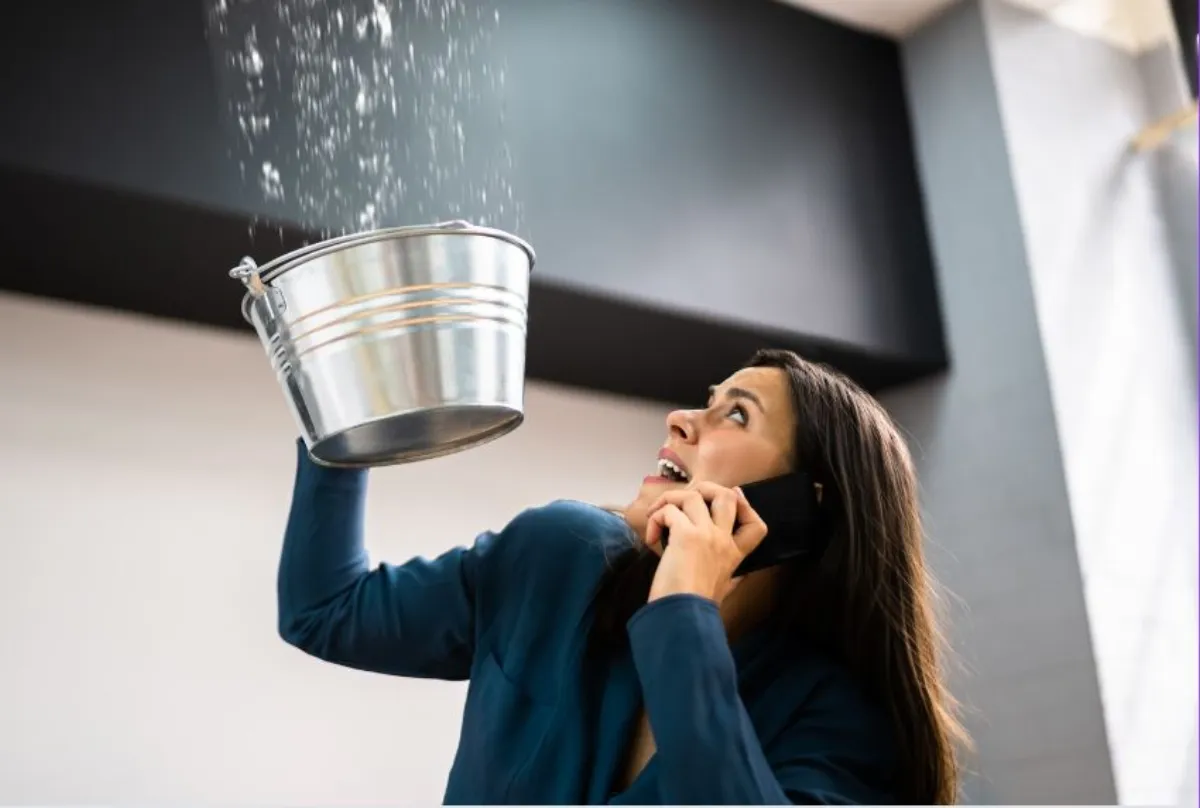
Waterproofing Inspections: Prevent Water Damage and Save Costs
Waterproofing inspections are one of the most effective ways to protect your property from water damage. By identifying vulnerabilities early, you can avoid costly repairs, prevent mould growth, and maintain the structural integrity of your building. This guide covers the benefits, what to expect, and how to find a qualified inspector.
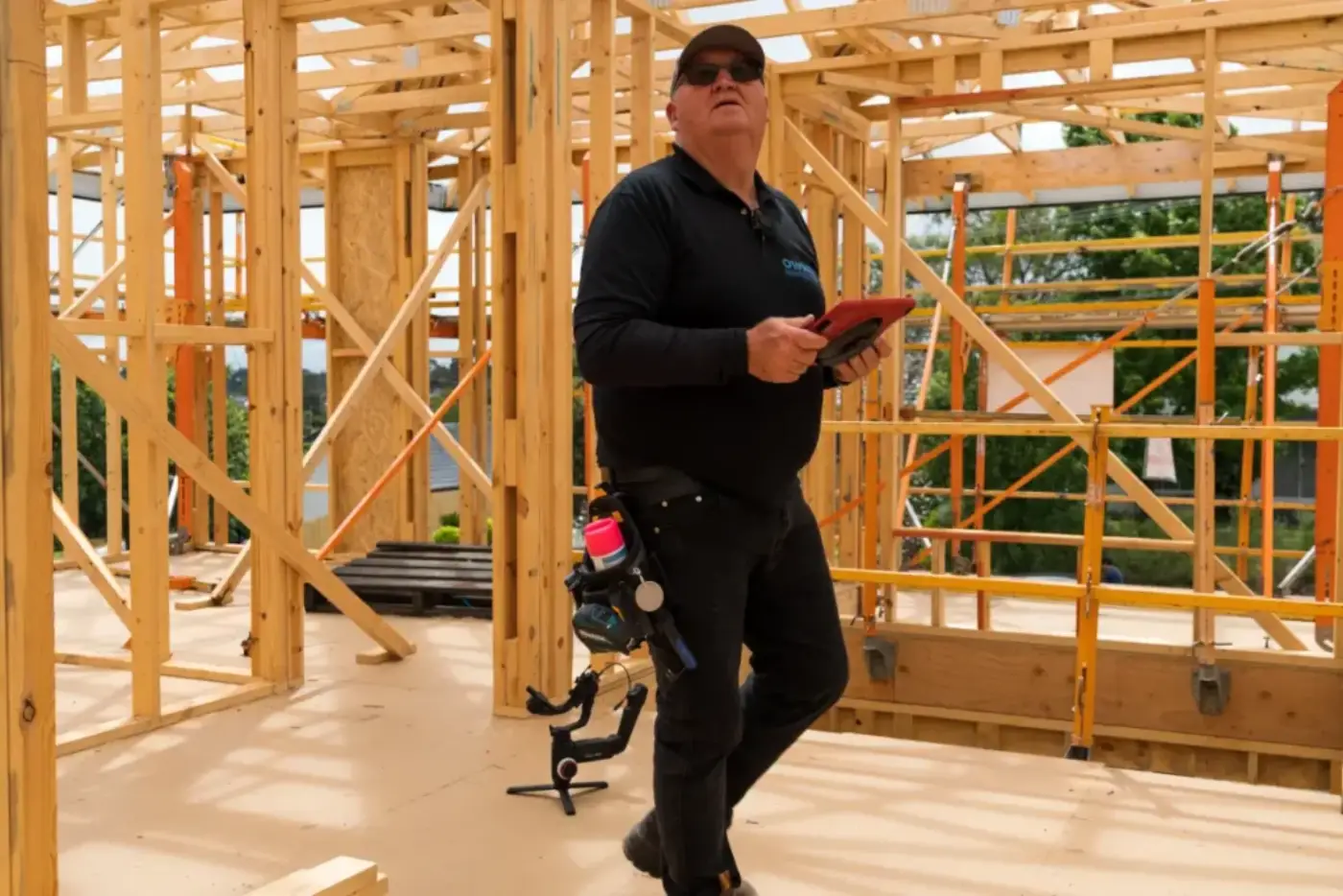
Structural Defect Inspections to Prevent Future Problems
Approximately one in five Australian homes experience structural issues. Learn how structural defect inspections can prevent expensive repairs and ensure safety.
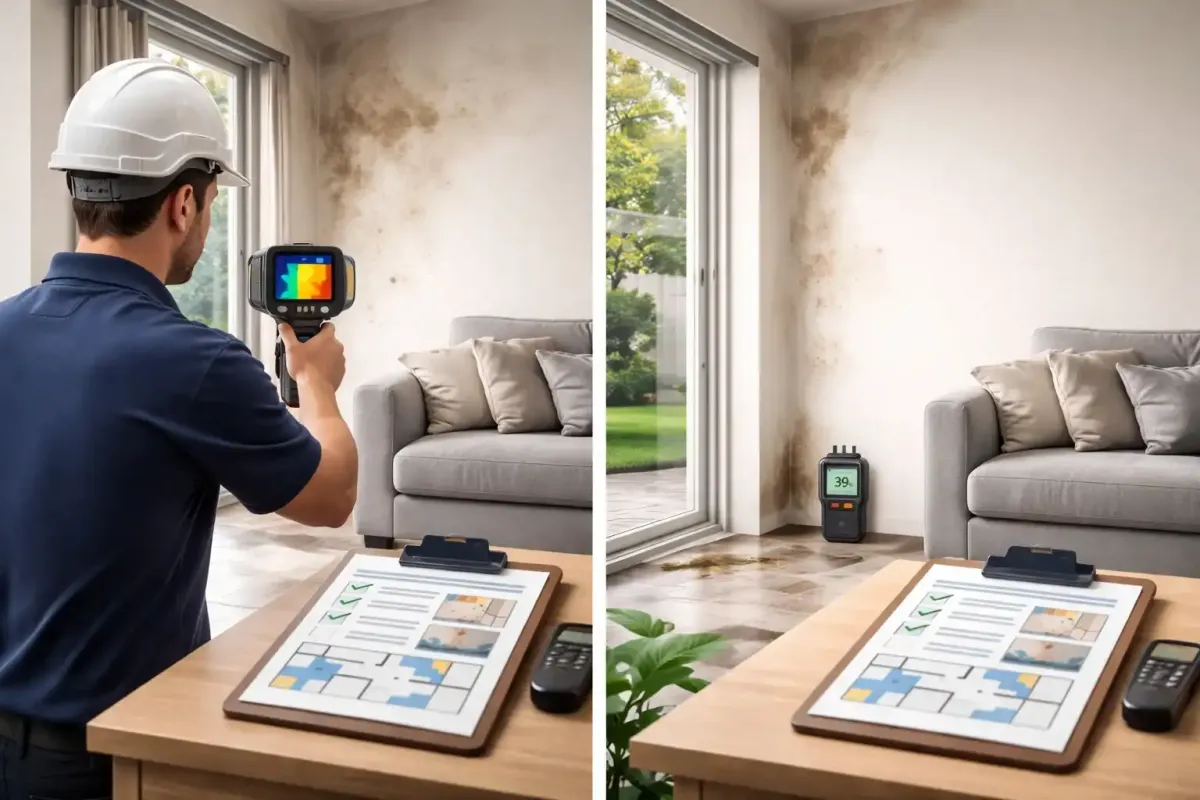
Water Damage Inspection Report to Protect Your Property
A water damage inspection report identifies the source, extent, and severity of water damage in a property. This guide covers what the report includes, common causes of water damage in Australian homes, inspection methods, and steps to prevent future damage.
Concerned about leaks, cracks, or moisture in your basement? Owner Inspections provides comprehensive building inspections across NSW, Victoria, and Queensland. Our licensed inspectors assess waterproofing, structural condition, moisture levels, and drainage to identify problems before they become costly repairs. Get a quote today or call us on 1300 471 805.