
What triggers most building disputes at VCAT?
Five recurring triggers account for the bulk of domestic building claims: poor communication, changes to scope, defective workmanship, project delays and cost overruns. They rarely arrive one at a time. A variation agreed verbally becomes a cost the owner disputes, the argument stalls the job, and by then the defect is behind a wall.
1. Poor communication
Poor communication is the most common underlying cause. What the owner expected and what the builder understood can be two very different things, and without a written record neither version can be proven later.
- Verbal agreements never confirmed in writing, leaving conflicting recollections of what was agreed
- No regular progress updates, so the owner cannot tell whether the job is on track
- Slow or absent responses to questions and concerns raised by the owner
- Technical language the owner does not follow, creating confusion about scope and quality
- Problems and changes not flagged as they arise, only once they are expensive
2. Changes to scope
A variation is any work that differs from what the contract specified. Variations are normal. They become disputes when:
- Changes are made with no written agreement on scope, cost and timeline impact
- The builder carries out extra work without the owner's prior approval
- The owner requests a change but disputes the price charged for it
- Multiple small variations quietly move the budget or completion date a long way
3. Defective workmanship
Defective workmanship is the most frequently cited ground in VCAT building claims. Defects range from cosmetic finish issues to structural and waterproofing failures that affect whether the building is safe and habitable.
- Structural defects in footings, framing and load bearing elements
- Waterproofing failures in wet areas, roofing, balconies and external cladding
- Non-compliance with the National Construction Code or the relevant Australian Standards
- Poor finishes including uneven tiling, rough plasterboard setting and patchy paintwork
- Incorrect installation of windows, doors, fixtures and fittings
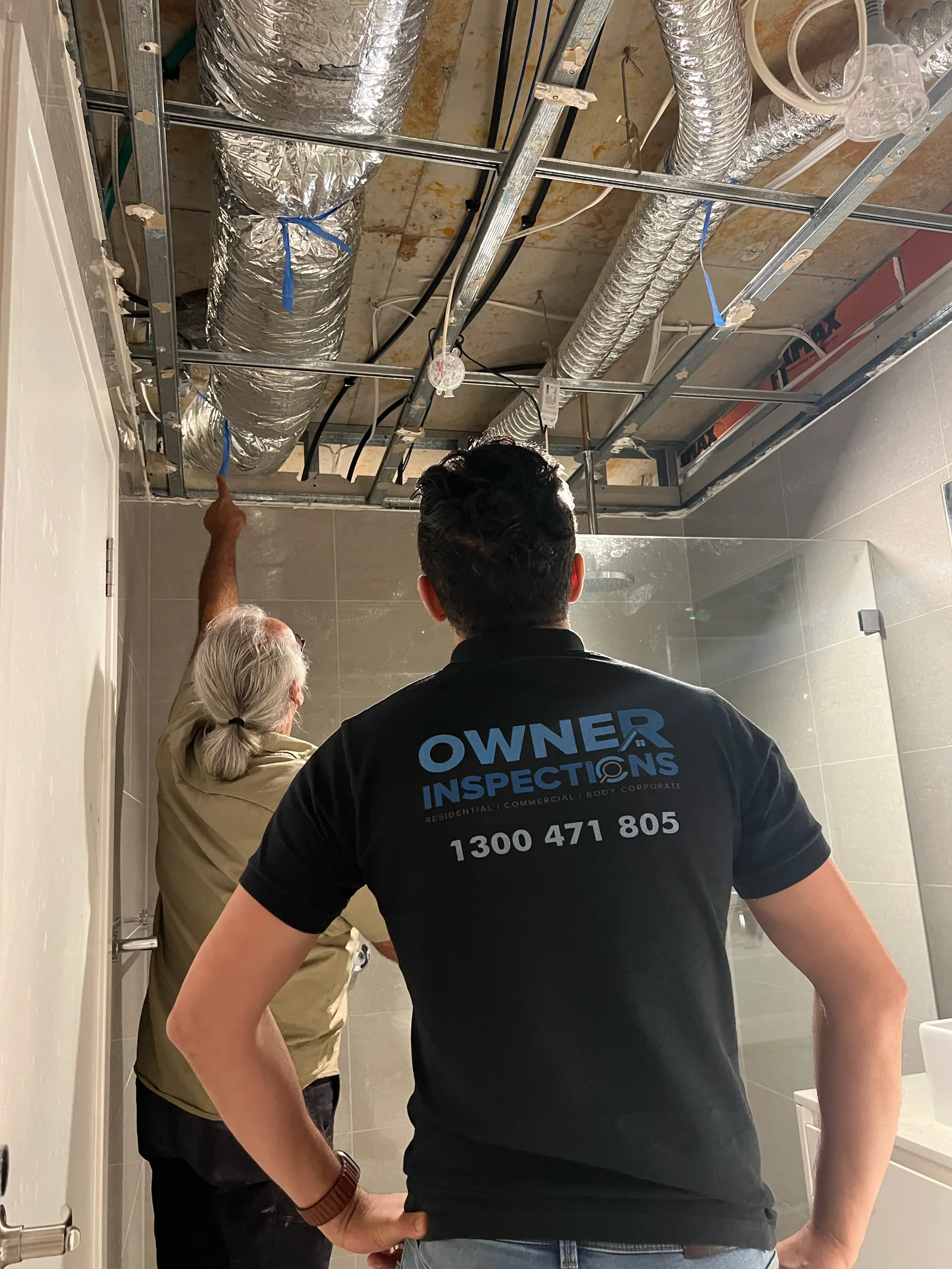
Services above a bathroom ceiling, photographed before the plasterboard went on. Once it is sheeted, proving a fault means opening it back up, and that cost is usually what the argument ends up being about.
4. Project delays
Some delays are genuinely outside the builder's control: weather, supply issues, unforeseen site conditions. Many are project management.
- Unrealistic timelines promised at the contract stage to win the job
- Poor scheduling and coordination of trades
- Materials not ordered in time
- The builder running too many sites at once
- Inspections and approvals delayed by poor planning
5. Cost overruns
Some increases are legitimate and flow from approved variations. Others come from thin estimating or charges that were never agreed.
- Provisional sum items that blow well past the estimate in the contract
- Costs not disclosed in the original quotation
- Variation pricing that is well above market rates
- Charges for work the owner never authorised
Do you have to go to DBDRV before you can apply to VCAT?
Yes, in almost every case. If your dispute involves a homeowner and concerns domestic building work or a domestic building contract, VCAT will not accept your application unless you have first taken it to Domestic Building Dispute Resolution Victoria. You must attach a certificate of conciliation, a rejection letter, a dispute resolution order or a notice of breach of one. Injunctions are the main exception.
Two procedural details catch people out, and both are avoidable:
- The names on your certificate of conciliation must match the applicant and respondent names on your VCAT application exactly. If they do not, VCAT cannot accept the application until a corrected certificate is issued.
- If your dispute is with a company, VCAT requires a current ASIC company extract, not the free summary PDF, so you are suing the right legal entity at the right registered address.
Since 1 July 2025 the DBDRV conciliation service, the former Victorian Building Authority and the domestic building insurance function have sat under the Building and Plumbing Commission. The conciliation step and the certificate requirement are unchanged, and VCAT still calls the service DBDRV on its application checklist.
What evidence do you need for a VCAT building dispute?
You need three things: proof the work is defective, proof of what rectification costs, and proof of what was agreed. In practice that means a written report from a qualified building consultant, dated photographs taken as the job progressed, the contract with every variation, and a Scott Schedule that sets out each alleged defect item by item with the amount claimed.
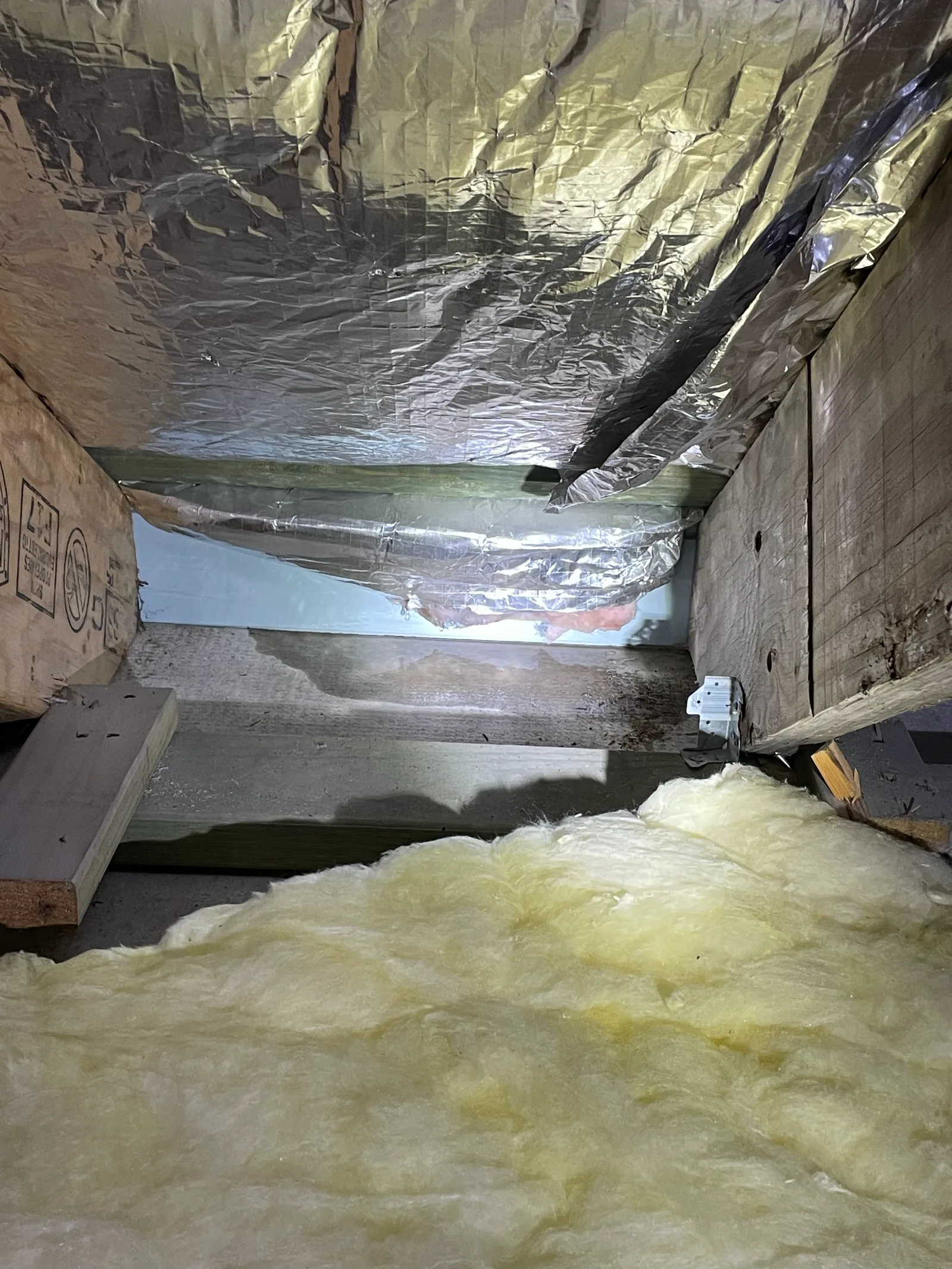
A roof void with sarking torn and insulation missing over a bulkhead. Nobody sees this from inside the house, which is why a dated inspection photograph is worth far more than a recollection.
A defect claim stands or falls on whether the assessment is independent and names the specific clause of the National Construction Code, the Australian Standard or the contract that the work fails. A complaint that the tiling looks bad is not a claim. An expert witness report that names the standard, describes the departure and quantifies the cost to put it right is.
Need an expert report for a VCAT matter?
Owner Inspections prepares independent expert witness reports for domestic building disputes in Victoria, written to the tribunal's requirements and backed by a consultant who can be cross examined on them.
How do you stop a defect becoming a VCAT case?
Catch it while it is still visible and still cheap. The three habits that prevent most disputes are writing everything down, booking independent inspections at the stages where work is about to be concealed, and raising defects in writing the day you see them rather than at handover.
Document as you go
Inspect at the stages that matter
Check the builder and budget honestly
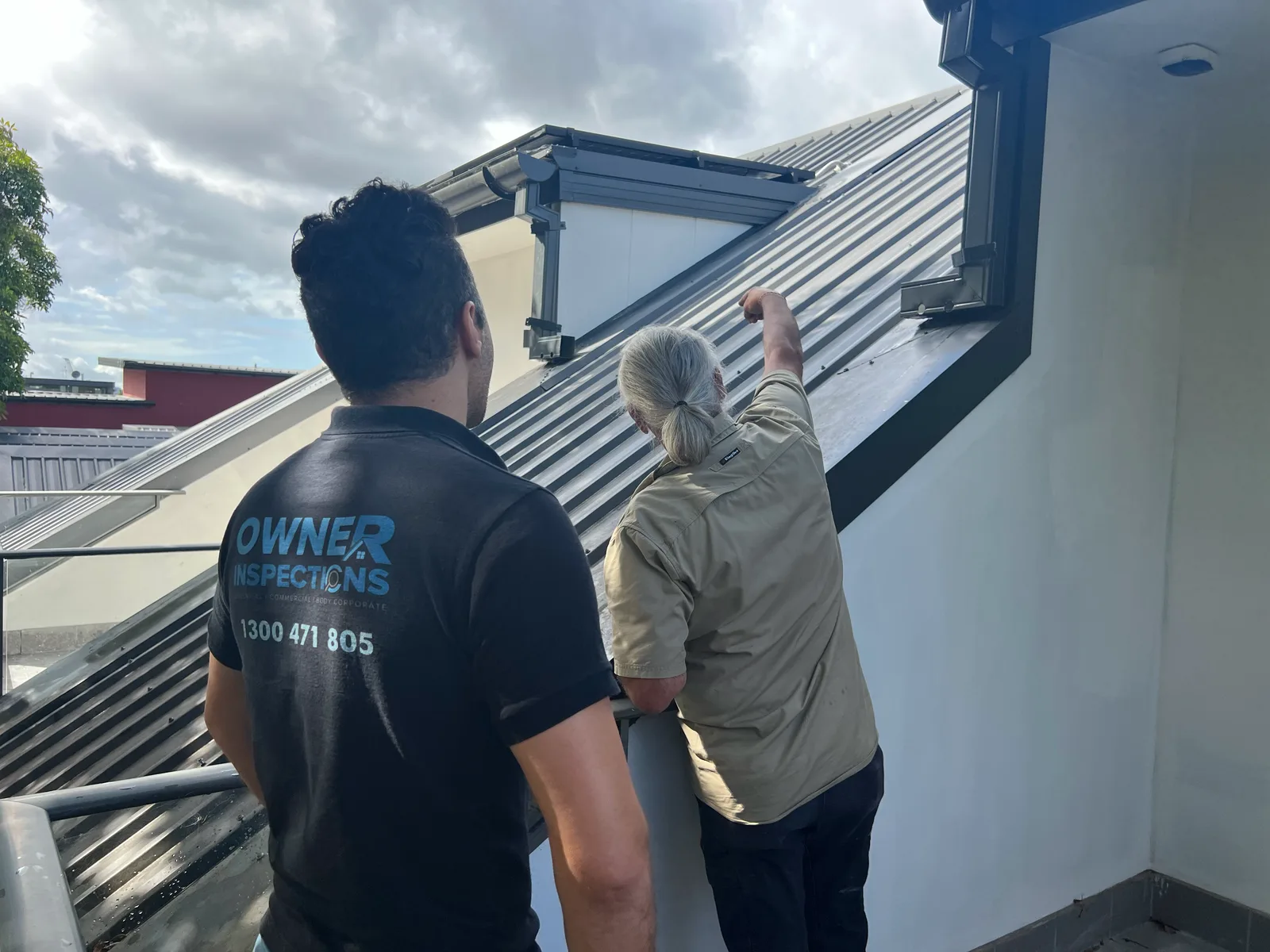
Roof sheeting and box gutter flashing examined on site. Roof and drainage defects are a common source of VCAT claims because the symptom, water inside the building, shows up a long way from the cause.
How much does a VCAT building dispute cost and how long does it take?
Expect months rather than weeks, and thousands rather than hundreds. VCAT application fees are set by regulation at concession, standard and corporate rates, and the current rates took effect on 27 June 2026. On top of the fee sit expert reports and, if you use one, legal representation. Straightforward matters can resolve in a few months; contested defect claims with multiple experts often run past twelve.
Note
That total is frequently larger than the defect being argued about. It is the main reason prevention, conciliation and early settlement almost always beat a hearing on the numbers, even when you are confident of winning.
What are the alternatives to a VCAT hearing?
Negotiation, conciliation through DBDRV, mediation and arbitration all sit between a disagreement and a hearing. Conciliation is compulsory before VCAT for domestic building disputes and costs nothing. The others are voluntary, faster and less adversarial than a hearing, and they leave the outcome in the parties' hands rather than the tribunal's.
| Cost | Binding? | |
|---|---|---|
| Direct negotiation | Low | Only if the agreement is documented |
| DBDRV conciliation | Free, and required first | A dispute resolution order is binding |
| Mediation | Low to moderate | Only if the agreement is documented |
| Arbitration | Moderate | Yes |
| VCAT hearing | Moderate to high | Yes |
An independent report helps at every one of these stages, not just the last. When both sides are reading the same assessment of what is wrong and what it costs to fix, the range of plausible outcomes narrows and settlement gets easier.
Owner Inspections is a building inspection and expert witness practice, not a law firm. We can establish what the defects are, whether the work complies, and what rectification costs. Whether to lodge, settle or press a claim is a legal question, and you should take it to a solicitor who practises in building and construction law.
Frequently Asked Questions
What building disputes does VCAT handle?
VCAT's Building and Property List hears domestic building disputes between owners and builders, covering defective or incomplete work, payment disagreements, contract breaches and claims under the statutory warranties in the Domestic Building Contracts Act 1995.
What is a certificate of conciliation?
It is the document DBDRV issues when conciliation ends without the dispute being resolved. VCAT requires it, or a rejection letter or dispute resolution order, before it will accept a domestic building application. The names on it must match your application exactly.
Is there a time limit on building disputes in Victoria?
Yes. Under the Building Act 1993, building actions generally must be brought within ten years of the occupancy permit or certificate of final inspection. Shorter limits can apply to particular claims, so check your dates with a solicitor early rather than late.
Do I need a lawyer for a VCAT building dispute?
Representation is not mandatory and many owners appear themselves. Building claims involve technical and legal issues at the same time, so for larger or contested matters a solicitor practising in building and construction law materially improves your prospects.
How long does a VCAT building dispute take?
It depends on complexity and the tribunal's workload. Simple matters can finish within a few months. Contested defect claims involving several experts, extensive documents and multiple directions hearings commonly run twelve months or longer from application to decision.
What is a Scott Schedule?
A table that lists each alleged defect on its own row, with the owner's description and claimed cost alongside the builder's response. VCAT often directs parties to prepare one because it forces both sides to address every item rather than argue in generalities.
What should I do if I notice defective work during construction?
Photograph it, describe it in writing and send it to your builder the same week, asking for rectification. If an independent inspector is engaged, ask them to assess it and record it in their report. Defects cost far less to fix before they are covered up.
How does an expert witness help in a building dispute?
An expert provides an independent assessment that identifies defects, tests them against the National Construction Code and Australian Standards, and quantifies rectification costs. That report supports settlement talks and can be tendered at a hearing, where the expert may be cross examined on it.
Why do provisional sums cause so many disputes?
Provisional sums are estimates for items whose cost is unknown at signing, such as site preparation or engineering. Disputes start when the actual cost lands well above the allowance and the owner believes the original estimate was set unrealistically low to make the contract price look competitive.
Key Takeaways
- Five triggers cause most VCAT building disputes: poor communication, undocumented variations, defective workmanship, delays and cost overruns
- DBDRV conciliation is compulsory first, and VCAT will not accept an application without a certificate of conciliation, rejection letter or dispute resolution order
- The names on that certificate must match your application exactly, or the application is rejected
- Evidence means an independent report naming the code or standard breached, dated photographs, the contract with variations, and a Scott Schedule
- Construction stage inspections work because they catch defects while the work is still open and cheap to fix
- Since 1 July 2025 DBDRV, the former VBA and domestic building insurance sit under the Building and Plumbing Commission, but the conciliation requirement is unchanged
References and Resources
For the full picture of how expert evidence is prepared and used, see our guide to expert witness reports for building disputes.
Related Articles
Builder won't fix defects: what are your options in NSW and Victoria?
What to do when the builder has stopped responding, and the escalation path in each state.

Incorporating Expert Witness Testimonies in Scott Schedules
How a Scott Schedule is built, and why tribunals ask for one in defect claims.
Won at VCAT or QCAT but the builder won't pay, what now?
The enforcement steps available once you hold an order the builder is ignoring.