
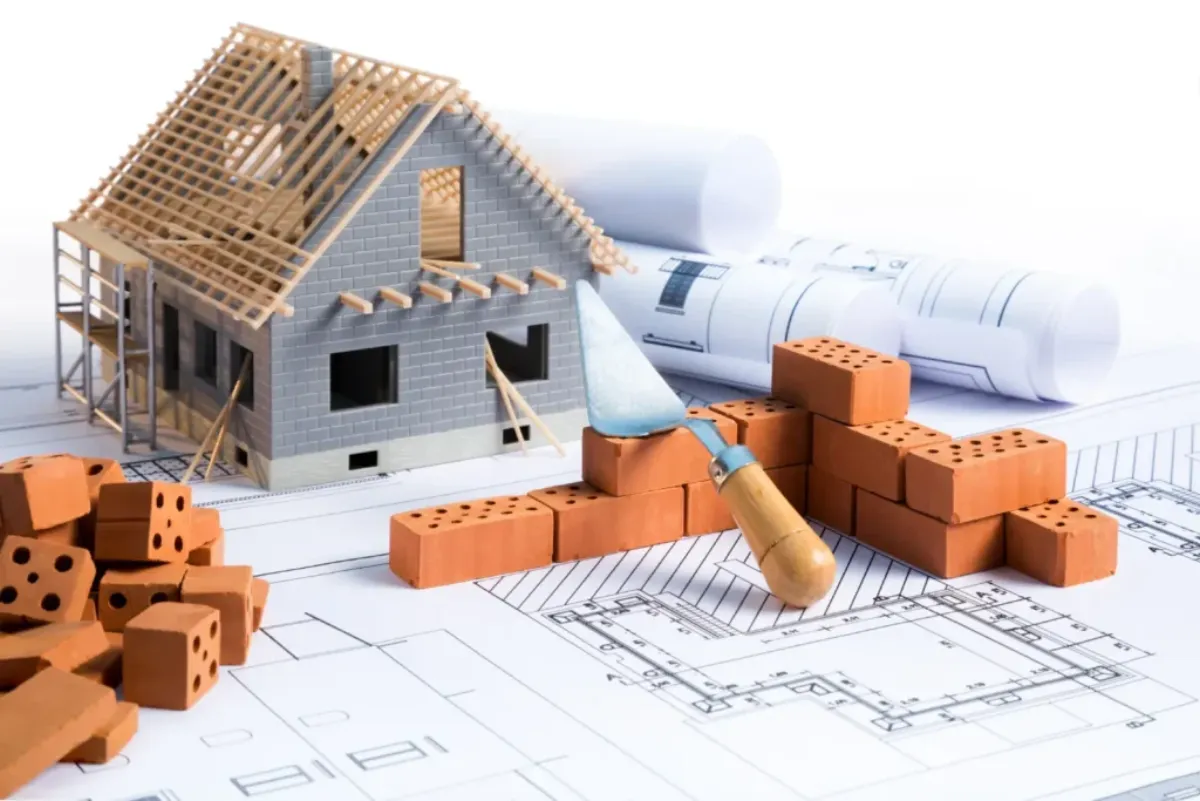
Land zoning is a regulatory framework that controls how properties can be used and developed across residential, commercial, industrial, and recreational categories. In New South Wales, understanding zoning classifications is one of the most important steps in making informed property decisions. Two of the most common residential zoning types are R2 (Low-Density Residential) and R3 (Medium-Density Residential), and the differences between them affect everything from what you can build to how much your property is worth.
Two common residential zones you’ll see in NSW are R2 Low Density Residential and R3 Medium Density Residential. The difference sounds simple, but it’s not just about “houses vs townhouses”. It’s about what your Local Environmental Plan (LEP) allows, and whether your property sits inside a Low and Mid-Rise Housing area under the Housing SEPP.
This guide breaks down R2 and R3 zoning in NSW, including what each classification allows, how they differ, and how zoning affects property values and development potential.
What is Land Zoning?
Land zoning is a system used by state and local governments to regulate land use. It determines what types of buildings and activities are permitted on a piece of land. Zoning aims to balance the needs of residential communities, commercial centres, industrial areas, and environmental conservation.
In NSW, zoning is governed by Local Environmental Plans (LEPs) prepared by each council in line with the Environmental Planning and Assessment Act 1979. Each LEP maps out zones across the local government area and sets rules for permitted land uses, building heights, floor space ratios, and lot sizes.
What is Zoning in NSW and Where the Rules Come From
Zoning is how councils and the NSW Government control land use and built form across an area. In NSW, zoning rules are mainly set through:
- Local Environmental Plans (LEPs) (the legal document for the council area)
- The Standard Instrument LEP framework (the common template councils generally follow)
- State planning rules like the State Environmental Planning Policy (Housing) 2021, including the Low and Mid-Rise Housing Policy
Zoning tells you what development is:
- Permitted without consent
- Permitted with consent (a DA or CDC pathway may apply, depending on the work)
- Prohibited
Consent authorities must consider the zone objectives when assessing a DA.
R2 Zoning: Low-Density Residential
R2 zones are designed for single-family homes in suburban settings. This classification aims to preserve open space and neighbourhood aesthetics, ensuring a relaxed living environment with lower population density.
Permitted Uses in R2 Zones
- Detached houses with private yards
- Limited dual occupancy (with council approval)
- Home-based businesses with minimal external impact
Community facilities like childcare centres (subject to approval)
Restrictions in R2 Zones
- Multi-unit dwellings are generally prohibited
- Strict height limits and minimum lot size requirements apply
- Commercial activities are highly restricted
R2 zoning is the most common residential zoning type across suburban areas of Sydney, the Central Coast, and regional NSW. It reflects a planning preference for low-density family neighbourhoods.
R3 Zoning: Medium-Density Residential
R3 zones accommodate townhouses, duplexes, and low-rise apartments. This classification aims to encourage diverse housing options to accommodate population growth, particularly in areas close to transport and services.
Permitted Uses in R3 Zones
- Townhouses and terrace houses
- Duplexes and multi-unit dwellings
- Apartments (typically up to 4 to 5 storeys)
- Mixed-use developments with ground-floor commercial in some cases
- Boarding houses and group homes (subject to approval)
R3 zoning offers greater development flexibility than R2. It supports a wider range of housing types and is commonly found in areas targeted for urban consolidation under the NSW Government's housing strategies.
Key Differences Between R2 and R3
| Aspect | R2 Low Density Residential | R3 Medium Density Residential |
|---|---|---|
| Core intent | Low-density housing character | Medium-density housing and more housing variety |
| Housing types | Detached homes, plus dual occupancies (with consent) | Townhouses, terraces, attached dwellings, multi-dwelling housing (with consent) |
| Density | Low | Medium |
| Height limits | Lower restrictions (typically 8.5m) | Higher allowances (up to 4 to 5 storeys) |
| Development intensity | Usually lower, but can increase in mapped Low and Mid-Rise areas | Usually higher, and can allow apartments in mapped Low and Mid-Rise areas |
| Typical locations | Suburban neighbourhoods | Near transport hubs and town centres |
| What drives feasibility | Minimum lot size, FSR, height, setbacks, services | Same controls, plus design response to neighbours and streetscape |
| Common “gotcha” | Buyers assume R2 blocks cannot be developed | Buyers assume R3 always allows apartments (it may not) |
R2 prioritises low-density, family-oriented neighbourhoods, while R3 facilitates urban consolidation with increased housing diversity and density near services and transport infrastructure.
What Zoning Does Not Tell You
Zoning is only one layer. Before buying for renovation or development, check:
- Flood and bushfire constraints (some sites are excluded from Low and Mid-Rise Housing Policy changes)
- Contamination, heritage, easements, road widening
- Minimum lot size, FSR, height limits in the LEP
- Development Control Plan (DCP) rules (parking, private open space, landscaping, design)
- Services (stormwater, sewer capacity, site access)
A Section 10.7 Planning Certificate is one of the fastest ways to confirm zoning and see key constraints recorded by council, including flooding, bushfire prone land and contamination information (where relevant).
How Zoning Affects Property Values
Zoning has a direct impact on property values. Higher-density zoning like R3 typically generates greater investment interest because of the increased development potential.
R3-zoned land often attracts developers looking to build multi-dwelling projects, which can push up land values
Properties rezoned from R2 to R3 can see significant value increases due to the expanded range of permitted uses
R2 properties tend to hold stable values based on the appeal of established low-density suburban living
Proximity to transport, schools, and amenities affects value regardless of zoning classification
If you are considering purchasing property for development, always check the zoning before committing. The zoning determines what you can build, and changing it requires a formal rezoning application through council, which can be a lengthy process with no guaranteed outcome.
How to Find Your Property's Zoning
You can look up the zoning of any property in NSW using these resources:
NSW Planning Portal: The official NSW Planning Portal provides zoning maps and LEP information for all local government areas
Local council websites: Each council publishes its LEP with zoning maps and development controls
Section 10.7 Planning Certificate: Request a planning certificate (formerly Section 149 certificate) from your local council for detailed zoning and planning information specific to a property
Professional consultants: Town planners and property consultants specialising in development approvals can provide advice on zoning and development potential
Where a Building Inspection Fits in a Zoning Decision
Zoning tells you what might be allowed. A building inspection tells you what you are actually buying today.
If you’re considering an R2 or R3 property for future works, a pre-purchase inspection can help you spot:
- Structural movement, drainage issues, roof problems, and moisture risks
- Defects that can blow out renovation budgets
- Site factors that matter to design, like subfloor access and water management
If development is part of your plan, share that with your inspector so the report can focus on elements that often affect renovation scope and cost.
R2 and R3 zoning can shape what you can build, how neighbours and council assess a DA, and how buyers price a site’s future use. The safest approach is to confirm the zone through the LEP, check whether Housing SEPP Low and Mid-Rise rules apply to your lot, and back that up with a Section 10.7 certificate so constraints do not come as a surprise.
Getting the Most Value from Your Home and Building Investment
If you’re buying, a pre-purchase building inspection helps you understand the property’s condition and likely repair costs, so your zoning plan is based on real building facts, not listing claims.
Frequently Asked Questions
QWhat is the main difference between R2 and R3 zoning?
R2 zoning is for low-density residential areas, primarily allowing detached houses. R3 zoning permits medium-density housing including townhouses, duplexes, and low-rise apartments. R3 offers greater development flexibility and higher density.
QCan I build a duplex on R2-zoned land?
In some cases, limited dual occupancy may be permitted on R2-zoned land with council approval. However, the rules vary between councils, so you should check your local LEP and consult with council before proceeding.
QDoes R3 zoning increase property value?
Generally, yes. R3 zoning increases development potential, which attracts developer interest and can push land values higher compared to equivalent R2-zoned properties. However, location, infrastructure, and market conditions also play a role.
QHow do I find out the zoning of my property in NSW?
Use the NSW Planning Portal, check your local council's LEP maps, or request a Section 10.7 Planning Certificate from council. A town planner can also help interpret zoning controls for your property.
QCan zoning be changed from R2 to R3?
Yes, but rezoning requires a formal planning proposal submitted to council and approved by the Department of Planning. It can be a lengthy process and there is no guaranteed outcome. Council-initiated rezonings also occur as part of broader housing strategies.
QWhat types of buildings are allowed in R3 zones?
R3 zones typically permit townhouses, terrace houses, duplexes, multi-unit dwellings, and apartments up to around 4 to 5 storeys. Some R3 zones also allow boarding houses, group homes, and limited ground-floor commercial uses.
QAre home businesses allowed in R2 zones?
Yes, home-based businesses with minimal external impact are generally permitted in R2 zones. These must not generate excessive traffic, noise, or visual impact on the surrounding neighbourhood.
QWhat is a Local Environmental Plan?
A Local Environmental Plan (LEP) is a legal planning document prepared by each council in NSW. It maps out zoning across the local government area and sets rules for what can be built, including building heights, floor space ratios, and lot sizes.
QDoes zoning affect what inspections I need before buying?
Zoning itself does not change the type of building inspection you need, but it affects what can be built on the land. If you are buying a property with development potential, a pre-purchase building inspection combined with a planning review helps you understand both the current condition and future possibilities.
QWhere can I get professional advice on zoning and development?
Town planners, property development consultants, and your local council's planning department can all provide advice. For building condition assessments, a licensed building inspector can evaluate the property's structural integrity alongside your development plans.
Key Takeaways
- Land zoning in NSW is governed by Local Environmental Plans (LEPs) under the Environmental Planning and Assessment Act 1979
- R2 zoning is for low-density residential areas, primarily allowing single-family detached homes
- R3 zoning permits medium-density housing including townhouses, duplexes, and low-rise apartments
- R3-zoned land typically has higher development potential and can attract greater property values
- Rezoning from R2 to R3 requires a formal planning proposal through council with no guaranteed outcome
- Check zoning via the NSW Planning Portal, your council's LEP, or a Section 10.7 Planning Certificate
- Always verify zoning before purchasing property for development purposes
Planning a Property Purchase?
Book a pre-purchase building inspection with Owner Inspections to assess the condition of the property before you commit, regardless of the zoning classification.
References and Resources
Related Articles
A Comprehensive Guide to House Inspections
House inspections are detailed professional assessments evaluating structural integrity, safety systems, and component functionality. Learn everything you need to know.
Pre-Purchase Inspection Checklist for Buyers
A pre-purchase inspection checklist helps buyers assess property condition before committing. Covers structural, electrical, plumbing, roofing, and pest checks.

What Does a Building Inspection Cover?
Building inspections serve as a critical investment safeguard, examining structural integrity, electrical systems, plumbing, and more before property purchase.