
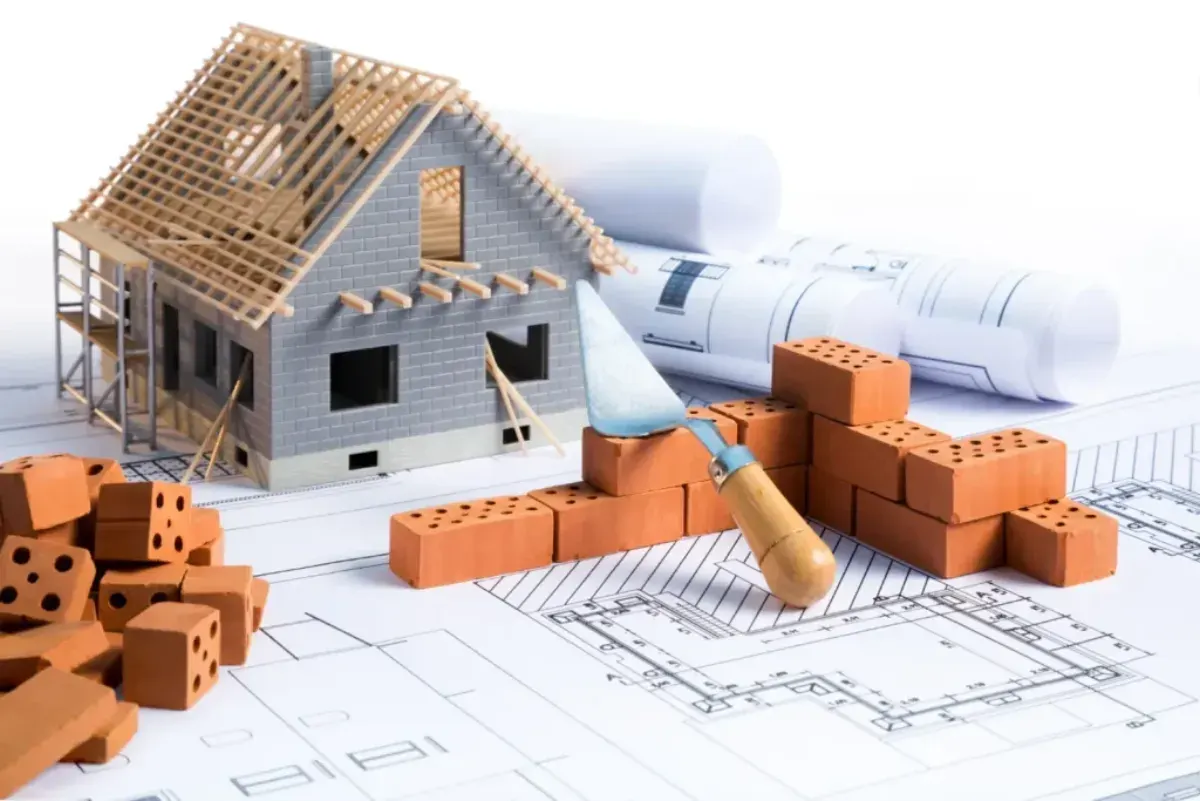
Land zoning controls how land can be used and developed. In New South Wales, zoning laws influence what type of buildings can be constructed, how many dwellings are allowed on a property, building heights, minimum lot sizes, floor space ratios, and even parking requirements.
For homeowners, zoning affects renovation plans, subdivision opportunities, and future resale value. For builders and developers, zoning determines whether land is suitable for duplexes, townhouses, apartments, or mixed use developments.
NSW councils use zoning regulations to manage population growth, housing density, infrastructure planning, environmental protection, and neighbourhood character. Without zoning laws, incompatible developments could create traffic congestion, overcrowding, drainage problems, and reduced property values.
Need Clear Evidence for a Building Defect Claim?
If you have found cracking, water damage, poor workmanship or other building defects, an independent defect investigation report can help document the issue clearly before the dispute moves further.
Investigation
Understanding the difference between R2 and R3 zoning helps property buyers avoid costly mistakes before purchasing land.
According to the NSW Planning Portal, zoning classifications form part of a Local Environmental Plan (LEP), which guides how land can be used within each council area.
Quick Answer: R2 vs R3 Zoning NSW
| Question | Short answer |
|---|---|
| What is R2 zoning in NSW? | R2 zoning usually refers to low density residential land, often suited to detached houses and lower-scale residential uses. Exact permitted uses depend on the council LEP and relevant SEPPs. |
| What is R3 zoning in NSW? | R3 zoning usually refers to medium density residential land, often linked to townhouses, terraces, multi-dwelling housing and some residential flat building opportunities where permitted. |
| Is R3 always better than R2? | Not always. R3 may offer more development potential, but it can also involve more planning controls, higher construction costs and stronger site constraints. |
| Can you build a duplex on R2 zoning NSW? | Dual occupancies are permitted with consent in R2 zones across NSW under the Low and Mid-Rise Housing Policy, but site constraints and consent rules still apply. |
| Does zoning guarantee approval? | No. Zoning is only one part of the planning process. A proposal may still need development consent and must address other planning controls and constraints. |
What is Land Zoning?
Land zoning is a planning system that divides land into categories based on how it can be used. Zoning helps councils and the NSW Government manage housing, business activity, infrastructure, open space, environmental protection and neighbourhood growth.
For homeowners, land zoning can affect whether a property may be renovated, extended, subdivided or used for a different purpose. For buyers and investors, zoning can influence resale value, development potential and the level of due diligence needed before purchase.
For builders and developers, zoning can help show whether land may suit a detached home, dual occupancy, townhouse project, apartment development, shop-top housing or another approved use. But zoning alone does not confirm that a project will be approved.
These zoning classifications determine:
- What can be built on the land
- What type of activities are permitted
- Maximum building heights
- Minimum lot sizes
- Floor space ratio requirements
- Landscaping and open space rules
- Environmental restrictions
- Development approval requirements
Land zoning protects communities by separating incompatible land uses. For example, industrial facilities are generally separated from residential neighbourhoods, while commercial zones are positioned near transport hubs and town centres.
Zoning laws also influence:
- Property investment potential
- Rental demand
- Future redevelopment opportunities
- Housing affordability
- Infrastructure planning
- Environmental conservation
In NSW, zoning regulations are managed under:
- Local Environmental Plans (LEPs)
- Development Control Plans (DCPs)
- State Environmental Planning Policies (SEPPs)
Important
You can check zoning information through the official NSW Planning Portal or your local council website.
What is Zoning in NSW and Where the Rules Come From
In NSW, zoning rules are mainly found in Local Environmental Plans. LEPs guide planning decisions for local government areas and set controls such as land use zones, building heights and other development standards. Zoning is how councils and the NSW Government control land use and built form across an area. In NSW, zoning rules are mainly set through:
- Local Environmental Plans (LEPs) (the legal document for the council area)
- The Standard Instrument LEP framework (the common template councils generally follow)
- State planning rules like the State Environmental Planning Policy (Housing) 2021, including the Low and Mid-Rise Housing Policy
Zoning tells you what development is:
- Permitted without consent
- Permitted with consent (a DA or CDC pathway may apply, depending on the work)
- Prohibited
Consent authorities must consider the zone objectives when assessing a DA.
Overview of NSW Land Zoning Codes
Residential zones are only one part of the NSW planning system. A property may also be affected by commercial, industrial, environmental, recreational, rural or special purpose zoning.
Residential Zoning Codes in NSW
| Zone type | Common purpose | Buyer note |
|---|---|---|
| R1 General Residential | General housing and related residential uses | May allow a mix of housing types, depending on the LEP. |
| R2 Low Density Residential | Lower-scale residential housing | Commonly linked with houses, dual occupancies and low density neighbourhoods. |
| R3 Medium Density Residential | Medium density residential housing | Often linked with townhouses, terraces, multi-dwelling housing and some apartment opportunities. |
| R4 High Density Residential | Higher density housing | Often linked with larger apartment-style development. |
| Business and employment zones | Shops, offices, services and business activity | Check whether residential use is allowed or restricted. |
| Industrial zones | Warehousing, manufacturing and industrial activity | Residential use is often limited or not allowed. |
| Environmental zones | Land with environmental value or constraints | Extra restrictions may apply to clearing, development and building footprint. |
Always confirm zoning on the NSW Planning Portal Spatial Viewer and through a planning certificate, because the same broad zone can operate differently across council areas.
Commercial Zoning Codes
| Zone | Purpose |
|---|---|
| B1 Neighbourhood Centre | Small retail and local services |
| B2 Local Centre | Retail and business hubs |
| B3 Commercial Core | Offices and major business activity |
| B4 Mixed Use | Residential and commercial integration |
Industrial Zoning Codes
| Zone | Purpose |
|---|---|
| IN1 General Industrial | Warehousing and manufacturing |
| IN2 Light Industrial | Small industrial operations |
| IN3 Heavy Industrial | Large scale industrial activity |
Environmental and Rural Zones
Environmental and rural zoning classifications focus on conservation, agriculture, biodiversity protection, and low impact development.
Examples include:
- E1 National Parks and Nature Reserves
- E2 Environmental Conservation
- RU1 Primary Production
- RU2 Rural Landscape
What is R2 Zoning in NSW?
R2 zoning in NSW usually refers to R2 Low Density Residential land. In simple terms, R2 zoning is commonly used for areas where lower-scale housing is expected, such as detached homes and other residential uses allowed by the relevant planning controls.
R2 zoning is one of the most common residential zoning classifications across NSW. R2 low density residential land may still offer strong value for owner-occupiers and investors, especially where the property is close to transport, schools, shops and growing housing areas. However, low density zoning does not remove the need to check easements, flood risk, bushfire risk, heritage controls, building condition and council requirements.
Purpose of R2 Zoning
The primary goals of R2 zoning include:
- Preserving quiet residential communities
- Protecting neighbourhood character
- Reducing overcrowding
- Maintaining green space and landscaping
- Supporting family friendly housing environments
Councils typically apply R2 zoning in established suburban areas where large apartment developments are not suitable.
What Can You Build in an R2 Zone?
In many cases, R2 zoning supports lower-scale housing. This may include dwelling houses and other residential uses where permitted by the local LEP or relevant SEPPs.
Under the NSW Low and Mid-Rise Housing Policy, dual occupancies are permitted with consent in R2 zones across NSW. The same policy also sets standards for some low and mid-rise housing types in selected areas, but it does not apply to all sites and excludes some constrained land.
| Possible R2 use | What to check |
|---|---|
| Detached house | LEP zoning table, setbacks, height limits, lot size and site constraints |
| Renovation or extension | Building approval pathway, planning controls, structural condition and services |
| Dual occupancy | Consent requirements, minimum lot size, lot width, parking, design controls and constraints |
| Subdivision | Minimum lot size, frontage, services, slope, access, easements and council requirements |
| Multi-dwelling housing in selected areas | Whether the site is in a Low and Mid-Rise Housing area and whether exclusions apply |
The NSW Low and Mid-Rise Housing Policy lists non-discretionary standards for dual occupancies in low and mid-rise areas, including minimum lot size, minimum lot width, floor space ratio, building height and parking standards. These standards must still be read with the full policy and site conditions.
Before purchasing property in an R2 zone, reviewing council minimum lot sizes, frontage requirements, and floor space ratio controls is essential.
Restrictions in R2 Zoning
R2 zoning generally restricts:
- Apartment buildings
- Large scale commercial activity
- High rise developments
- Excessive subdivision
- Industrial uses
Most councils impose strict controls on:
- Building height
- Site coverage
- Private open space
- Landscaping
- Parking requirements
These restrictions help preserve low-density residential living conditions.
What is R3 Zoning in NSW?
R3 zoning in NSW usually refers to R3 Medium Density Residential land. R3 zoning is often used where a council wants more housing choice than a typical low density residential area, while still keeping a residential character.
R3 zoning is commonly applied near:
- Train stations
- Shopping centres
- Urban growth corridors
- Major transport routes
- Town centres
- Purpose of R3 Zoning
The purpose of R3 zoning includes:
- Increasing housing supply
- Supporting urban growth
- Improving housing affordability
- Encouraging medium density housing
- Maximising infrastructure access
R3 zoning plays a major role in Sydney’s urban consolidation strategy.
What Can You Build in an R3 Zone?
R3 zoning may support a wider range of housing types than R2 zoning, depending on the local planning rules.
The NSW Low and Mid-Rise Housing Policy notes that multi-dwelling housing and terraces are already permitted in all R3 zones under the Standard Instrument, while other uses and standards may apply in low and mid-rise housing areas.
| Possible R3 use | What to check |
|---|---|
| Townhouses | LEP zoning table, floor space ratio, height limit, parking and design controls |
| Terraces | Site width, lot size, access, streetscape, parking and subdivision rules |
| Multi-dwelling housing | Local controls, Low and Mid-Rise Housing Policy area status and consent pathway |
| Residential flat building | Whether permitted under LEP or SEPP, height, FSR, setbacks and constraints |
| Shop-top housing in some areas | Business or mixed-use context, local controls and consent authority requirements |
The Low and Mid-Rise Housing Policy allows some residential flat buildings and shop-top housing in low and mid-rise areas, including R3 and R4 areas near nominated centres and stations, subject to the policy settings and site constraints.
Developers often target R3 land because it can support:
- Higher rental returns
- Increased dwelling yield
- Better subdivision opportunities
- Greater redevelopment value
Before redevelopment begins, many builders arrange new construction inspections and dilapidation reports to reduce legal and structural risks.
Restrictions in R3 Zoning
Although R3 zoning offers more flexibility, developments must still comply with council planning controls.
Restrictions may include:
- Maximum building heights
- Floor space ratio limits
- Minimum landscaping requirements
- Overshadowing controls
- Traffic and parking provisions
- Private open space requirements
Development Control Plans (DCPs) and Local Environmental Plans (LEPs) guide these requirements.
Planning Medium Density Development? Document Defects Before Construction Begins
Structural movement, water damage, cracking, and existing defects can create major legal and financial problems during redevelopment projects. Understanding how to properly document defects can help reduce disputes and support future legal claims if problems arise.
Documenting Building Defects
Key Differences Between R2 and R3
The main difference between R2 and R3 zoning is the expected residential density.
R2 zoning generally supports lower-density housing, while R3 zoning generally supports medium-density housing. This can affect what buyers expect from the area, what developers may consider, and how much planning research is needed before purchase.
| Feature | R2 zoning NSW | R3 zoning NSW |
|---|---|---|
| Common meaning | Low density residential | Medium density residential |
| Common housing character | Detached homes, duplexes and lower-scale housing | Townhouses, terraces, multi-dwelling housing and some apartment-style housing |
| Development potential | Often more limited than R3, but dual occupancy may be possible with consent | Often broader than R2, depending on LEP, SEPP and site constraints |
| Buyer appeal | Families, owner-occupiers, lower density buyers | Investors, developers, downsizers and buyers seeking housing choice |
| Main risk | Assuming a duplex or subdivision is allowed without checking controls | Assuming higher density approval is automatic |
| Must check | LEP, SEPP, planning certificate, site constraints and building condition | LEP, SEPP, planning certificate, site constraints and building condition |
R2 vs R3 zoning should not be judged by the zone name alone. A property’s real development potential depends on the full planning picture, including consent rules, lot dimensions, environmental constraints and local planning controls.
Councils still assess:
- Site constraints
- Environmental impacts
- Traffic conditions
- Infrastructure capacity
- Compliance with planning controls
R2 and R3 Zoning Under the NSW Low and Mid-Rise Housing Policy
The NSW Low and Mid-Rise Housing Policy is important context for buyers researching R2 zoning NSW and R3 zoning NSW.
The policy is part of the Housing SEPP and applies to selected residential-zoned land within 800 metres walking distance of nominated town centres and stations. It includes rules for dual occupancies, terraces, townhouses, manor houses, residential flat buildings and shop-top housing in certain areas.
| Policy point | Why it matters |
|---|---|
| Stage 1 started on 1 July 2024 | Dual occupancies and semi-detached homes became permitted in all R2 low density residential zones across NSW, subject to consent and controls. |
| Stage 2 started on 28 February 2025 | Low and mid-rise housing rules expanded in selected areas across Sydney, Central Coast, Illawarra and Hunter. |
| Not all land is included | The policy does not apply to some hazard or constrained land, including certain bushfire-prone and flood-prone land. |
| Maps are only a guide | NSW Planning advises that indicative maps may not show every individual constraint, so legislation and planning controls must still be checked. |
This is why a buyer should not rely on a real estate listing that says “R2 duplex potential” or “R3 development opportunity” without checking the current planning controls.
What Zoning Does Not Tell You
Zoning tells you what land may be used for, but it does not tell you whether the existing building is structurally sound, whether the site has drainage problems, whether termites are present, or whether the property has hidden defects.
A property can have attractive zoning and still carry serious building risks.
Zoning is only one layer. Before buying for renovation or development, check:
- Flood and bushfire constraints (some sites are excluded from Low and Mid-Rise Housing Policy changes)
- Contamination, heritage, easements, road widening
- Minimum lot size, FSR, height limits in the LEP
- Development Control Plan (DCP) rules (parking, private open space, landscaping, design)
- Services (stormwater, sewer capacity, site access)
A Section 10.7 Planning Certificate is one of the fastest ways to confirm zoning and see key constraints recorded by council, including flooding, bushfire prone land and contamination information (where relevant).
Zoning also does not show every issue that may affect a buyer’s budget. A planning certificate may show zoning and planning constraints such as contamination, flooding and bushfire-prone land, while a building inspection focuses on the condition of accessible building elements.
| Zoning may tell you | Zoning may not tell you |
|---|---|
| Land use category | Structural movement |
| Whether a use may be permitted | Termite damage |
| Whether consent may be needed | Moisture damage |
| Planning limits and controls | Roof defects |
| Some mapped planning constraints | Poor drainage around the building |
| Development potential | Cost of repairs |
How Land Zoning Affects Property Value
Land zoning can affect property value because it influences what buyers, developers and investors may be willing to pay.
R2 zoning may appeal to buyers who want a quieter low density residential setting. R3 zoning may attract buyers looking for medium density residential potential, especially where the land is close to transport, shops, schools and services.
For example:
- R2 zoning typically appeals to owner occupiers and families
- R3 zoning attracts developers seeking medium density housing projects
- R4 zoning may attract apartment developers
Rezoning can significantly increase land value if councils approve higher density use. However, zoning restrictions can also reduce development feasibility.
Important factors affecting property value include:
- Development potential
- Subdivision opportunities
- Permitted dwelling types
- Proximity to transport
- Council planning policies
- Demand for medium density housing
Many buyers fail to assess zoning restrictions before purchasing land. This can lead to expensive surprises during the development approval process.
Professional building inspections and expert property advice from Owner Inspections help reduce these risks.
How to Find Your Property's Zoning
To check whether a property is R2 zoning, R3 zoning or another zone, start with the NSW Planning Portal Spatial Viewer. The NSW Planning Portal says property owners can enter an address to check planning rules and constraints that apply to the land.
Next, order or review a Section 10.7 Planning Certificate. A Section 10.7 certificate can show zoning, relevant planning controls and constraints such as contamination, flooding and bushfire-prone land.
| Step | What to do |
|---|---|
| 1 | Search the property address in the NSW Planning Portal Spatial Viewer |
| 2 | Check the zoning, such as R2 Low Density Residential or R3 Medium Density Residential |
| 3 | Read the relevant council LEP zoning table |
| 4 | Check whether any SEPP applies |
| 5 | Review a Section 10.7 Planning Certificate |
| 6 | Ask council or a town planner about the approval pathway |
| 7 | Arrange a building and pest inspection before purchase |
Do not rely only on the selling agent’s description. Use official planning sources and independent property advice before making a purchase decision.
You can look up the zoning of any property in NSW using these resources:
NSW Planning Portal: The official NSW Planning Portal provides zoning maps and LEP information for all local government areas
Local council websites: Each council publishes its LEP with zoning maps and development controls
Section 10.7 Planning Certificate: Request a planning certificate (formerly Section 149 certificate) from your local council for detailed zoning and planning information specific to a property
Professional consultants: Town planners and property consultants specialising in development approvals can provide advice on zoning and development potential
Information Found on Zoning Maps
Zoning maps typically include:
- Zoning classification
- Minimum lot size
- Heritage overlays
- Flood-affected land
- Bushfire-prone land
- Building height controls
- Floor space ratio controls
Before purchasing property, confirming all zoning restrictions is essential.
This is especially important for:
- Duplex developments
- Townhouse projects
- Subdivision plans
- Commercial conversions
How to Apply for Rezoning or Development Approval in NSW
If the current zoning does not support the intended use, rezoning may be required. In NSW, an LEP can be amended through a planning proposal process, which may include council support, Department assessment, Gateway determination, public exhibition and legal finalisation.
If the use is permitted with consent, the owner may need to lodge a development application. The NSW Planning Portal explains that a DA generally includes information such as a description of the development, estimated cost, plans, drawings and environmental assessment details.
Rezoning and development approval can take time and may not be granted. Buyers should get planning advice before paying a premium for assumed development potential.
Steps for Rezoning Land in NSW
| Step | Process |
|---|---|
| 1 | Review local zoning controls |
| 2 | Engage a town planner |
| 3 | Prepare a planning proposal |
| 4 | Submit rezoning application |
| 5 | Council assessment and consultation |
| 6 | Final approval determination |
Rezoning applications are often complex and may require:
- Environmental studies
- Traffic reports
- Infrastructure assessments
- Community consultation
- Planning justifications
Development Approval Requirements
Most developments also require a Development Application (DA). DA submissions commonly include:
- Architectural plans
- Site surveys
- Engineering reports
- BASIX certificates
- Stormwater plans
- Landscaping plans
Councils assess whether the proposed development complies with zoning regulations, LEPs, DCPs, and state planning policies.
Buyer Checklist Before Purchasing R2 or R3 Zoned Land
| Check | Why it matters |
|---|---|
| Confirm the zoning | Makes sure the land is actually R2, R3 or another zone |
| Read the LEP zoning table | Shows whether a use may be permitted, prohibited or allowed with consent |
| Check SEPPs | State policies may change what is allowed |
| Review Section 10.7 certificate | Shows zoning, planning controls and constraints |
| Check lot size and frontage | These can affect duplex, subdivision or townhouse potential |
| Check flood, bushfire and contamination constraints | These can limit development or increase costs |
| Inspect the building | Identifies visible defects before purchase |
| Get pest advice | Termites and moisture can affect future costs |
| Ask council or a planner | Confirms the correct approval pathway |
Why Professional Property Advice Matters Before Buying Zoned Land
Zoning can make a property look more promising, but it does not replace due diligence.
Owner Inspections works with buyers, owners, investors, builders and property professionals who want clear information before making property decisions. The company’s audience includes risk-aware buyers who want to avoid hidden defects, future repair costs and poor property choices.
A pre-purchase building inspection can help identify visible and accessible defects before settlement. A combined building and pest inspection can also help buyers understand termite risk, moisture issues and other property condition concerns.
For R2 and R3 properties, this matters because development potential can be affected by the current building condition. For example, an older home on R3 land may look suitable for future redevelopment, but hidden structural, drainage, roof or pest issues can change the buyer’s budget and negotiation position.
Many property buyers focus on location and price while overlooking zoning restrictions.
This creates major risks for:
- Property investors
- Builders
- Developers
- Homeowners planning renovations
Before purchasing land, it is important to understand:
- What can legally be built
- Existing structural issues
- Development limitations
- Future resale implications
- Compliance requirements
Owner Inspections provides independent property inspections that help buyers make informed decisions before committing to a property purchase.
Services include:
- Pre-purchase inspections
- Structural inspections
- Dilapidation reports
- Expert witness reports
- New construction inspections
If development is part of your plan, share that with your inspector so the report can focus on elements that often affect renovation scope and cost.
Understanding NSW land zoning codes is essential before purchasing, renovating, subdividing, or developing property. R2 and R3 zoning classifications create very different development opportunities, investment outcomes, and planning requirements.
Checking zoning regulations early can help avoid costly development issues and improve long term property decisions.
Preparing for a Tribunal or Court Matter?
When a building dispute needs independent technical evidence, an expert witness report can help explain defects, incomplete works and construction issues in a clear, factual format.
Reports
Frequently Asked Questions
What does R2 zoning mean in NSW?
What does R3 zoning mean in NSW?
What is the difference between R2 and R3 zoning?
Can you build a duplex on R2 zoning NSW?
What can you build on R3 zoning NSW?
Is R3 zoning better than R2 zoning?
Does R2 or R3 zoning guarantee development approval?
How do I check if a property is R2 or R3 zoning?
What is a Section 10.7 Planning Certificate?
Should I get a building inspection if the zoning looks good?
Planning a Property Purchase?
Book a pre-purchase building inspection with Owner Inspections to assess the condition of the property before you commit, regardless of the zoning classification.
Related Articles
A Comprehensive Guide to House Inspections
House inspections are detailed professional assessments evaluating structural integrity, safety systems, and component functionality. Learn everything you need to know.
Pre-Purchase Inspection Checklist for Buyers
A pre-purchase inspection checklist helps buyers assess property condition before committing. Covers structural, electrical, plumbing, roofing, and pest checks.

What Does a Building Inspection Cover?
Building inspections serve as a critical investment safeguard, examining structural integrity, electrical systems, plumbing, and more before property purchase.