
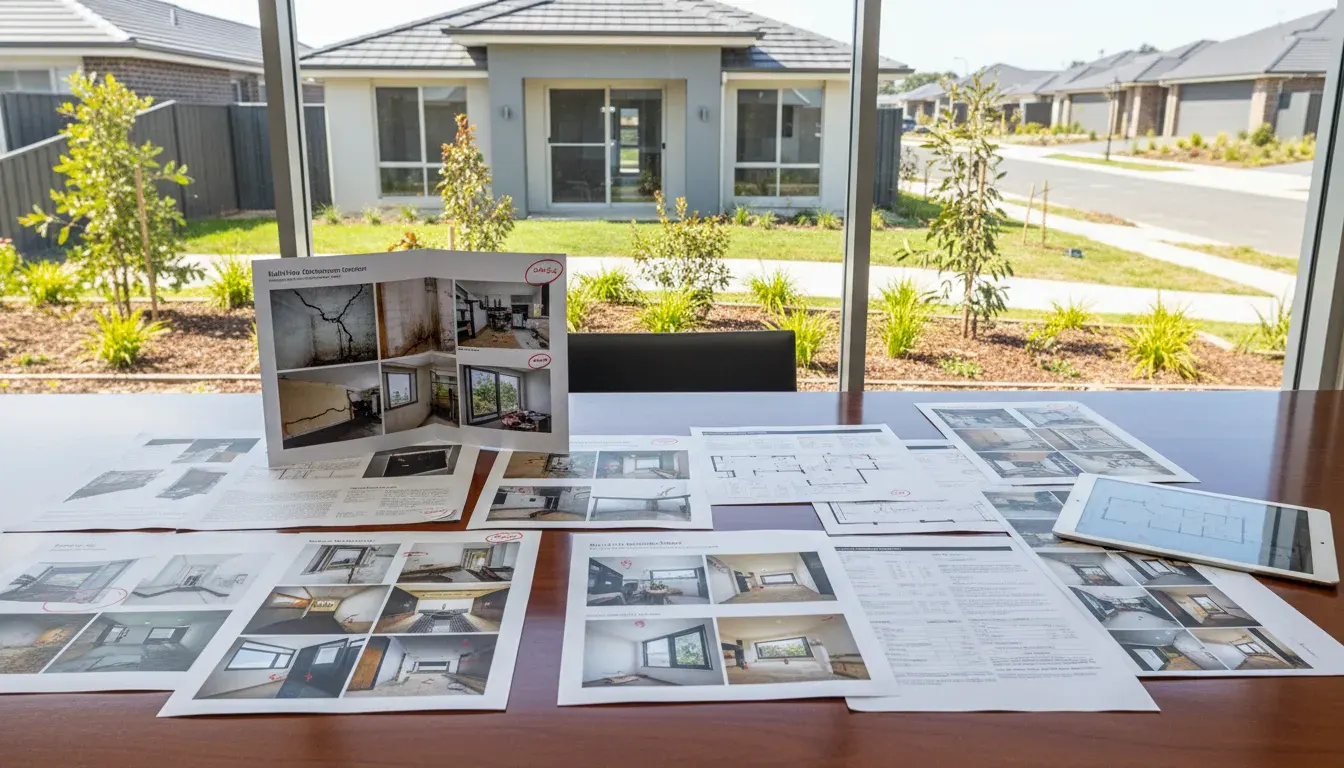
If you have discovered building defects in your home, you may have been told you need a defect investigation report. But what exactly is it, and how is it different from the standard building inspection report you might already have?
This article explains what a defect investigation report involves, when you should get one, what the report covers, and how much it typically costs across Australia.
What Is a Defect Investigation Report?
A defect investigation report is a detailed document prepared by a qualified building consultant that identifies defects in a property, analyses why they occurred, references the applicable building codes and Australian Standards, and provides an estimated cost of rectification.
Unlike a general building inspection, which gives you a broad overview of a property's condition, a defect investigation is targeted. It focuses specifically on problems that have already been identified or suspected. The purpose is to answer four practical questions:
- What is the defect?
- Where is it located?
- What is the likely cause?
- What needs to happen next?
This type of report is commonly used when homeowners discover issues such as cracking in walls, water ingress through windows or balconies, waterproofing failures in bathrooms, poor workmanship in tiling or joinery, and non-compliance with the National Construction Code (NCC).
A defect investigation report is not a maintenance checklist. It is a professional assessment that traces a problem back to its root cause and references the standards that were breached during construction.
Not Sure If You Need a Defect Investigation or a Standard Building Inspection?
See the difference in scope, detail, and practical use so you can choose the right report for leaks, cracking, workmanship issues, or a formal defect claim.
What is the Purpose of a Defect Report?
The purpose of a defect report is not just to list problems. It is to create a clear, usable record of defective or incomplete work and connect those findings to the right standards, documents, and rectification steps. In Victoria’s current dispute process, assessors may examine disputed work, determine whether it is defective or incomplete, identify the cause, and provide a timeframe for rectification. VCAT also expects expert reports to explain the basis for opinions and, in building matters, the likely cost and reasoning for repair options.
For homeowners, that usually means a defect report helps with:
- Understanding whether the issue is minor, significant, or urgent
- Showing a builder exactly what is being raised
- Supporting a request for rectification
- Keeping a proper record before warranty or insurance deadlines matter
- Preparing for conciliation, NCAT, or VCAT if the matter escalates
What are three types of defects?
There is not one single Australia-wide rule that says every defect must fit into only three categories. For homeowners, though, this is a useful way to think about them:
1. Structural or movement-related defects
These include significant cracking, footing movement, bulging walls, and doors or windows that stick because the building has moved. Victorian guidance says cracks more than 5 mm wide are considered significant and outside footing movement tolerances, while cracks between 1 mm and 5 mm should be monitored over time.
2. Water or moisture-related defects
These include roof leaks, balcony leaks, failed waterproofing, drainage issues, and water ingress around windows, doors, wet areas, and external surfaces. NSW’s Building Defects Library and Victorian guidance both show how common waterproofing and drainage-related defects are in real projects.
3. Finish, workmanship, or fit-off defects
These include visible cracking in plasterboard finishes, poor alignment, gaps, uneven joins, nail popping, and other finishing work that does not meet accepted tolerances. QBCC’s standards and tolerances guide gives many examples of visible finish defects that may still count as defective work.
If you want a stricter regulatory lens, NSW’s Building Defects Library uses five building elements rather than three: waterproofing, fire safety, structure, building enclosure and services.
How It Differs from a Standard Building Inspection
A standard building inspection, such as a pre-purchase inspection conducted under AS 4349.1, is a visual assessment of accessible areas. The inspector records visible defects and safety hazards, but does not typically investigate the underlying cause or provide detailed rectification costings.
A defect investigation report goes several steps further.
| Aspect | Standard Building Inspection | Defect Investigation Report |
|---|---|---|
| Purpose | General property condition assessment | Targeted analysis of specific defects |
| Scope | Visual assessment of accessible areas | In-depth investigation, may include invasive testing |
| Cause Analysis | Limited or none | Identifies root cause and contributing factors |
| Code References | General notes on non-compliance | Specific references to NCC, Australian Standards, and state regulations |
| Rectification Costs | Rarely included | Detailed cost estimates for each defect |
| Legal Usefulness | Limited standing in disputes | Can support warranty claims, tribunal applications, and legal proceedings |
Think of a standard building inspection as a health check and a defect investigation report as a specialist diagnosis. The health check tells you something is wrong. The specialist tells you exactly what it is, why it happened, and how to treat it.
When Do You Need a Defect Investigation Report?
You should consider getting a defect investigation report when you are dealing with building problems that go beyond simple cosmetic issues. Common situations include:
- You have found defects in a new build. If your newly constructed home has cracking, water leaks, or poor finishes, a defect investigation will document these issues formally and establish whether the builder has breached the building contract or applicable standards.
- Your builder is not fixing problems. When a builder disputes responsibility or ignores your complaints, a defect investigation report provides independent evidence that can support a formal complaint to NSW Fair Trading, the Victorian Building Authority, or a tribunal such as NCAT or VCAT.
- You are within the statutory warranty period. In NSW, major defects are covered for six years under the Home Building Act 1989. In Victoria, structural defects are covered for ten years under the Domestic Building Contracts Act 1995. A defect investigation report documents the defects before the warranty period expires.
- You are preparing for a legal claim or tribunal hearing. If your dispute is heading to NCAT, VCAT, or another tribunal, you will need professional evidence to support your case. A defect investigation report lays the groundwork for an expert witness report if the matter proceeds to a hearing.
- You suspect hidden defects. Some problems, such as failed waterproofing membranes beneath tiles or inadequate structural bracing behind walls, are not visible during a standard inspection. A defect investigation may involve targeted invasive testing to confirm or rule out concealed issues.
- You are buying a property with known issues. If a pre-purchase inspection has flagged concerns, a defect investigation can quantify the cost of repairs so you can negotiate the purchase price or decide whether to proceed.
Tip
Do not wait until defects worsen before getting an investigation. Water ingress and structural issues can escalate quickly, and delays may push you outside the statutory warranty period.
What Does a Defect Investigation Report Include?
A thorough defect investigation report will contain the following sections:
Property and engagement details
The report begins with the property address, date of inspection, the name and qualifications of the inspector, and the scope of the investigation as agreed with the client.
Description of each defect
Every defect is documented individually with a clear written description, its exact location within the property, and photographs showing the issue from multiple angles.
Root cause analysis
For each defect, the report explains why it occurred. This might include poor workmanship, non-compliant materials, failure to follow approved plans, or breach of the NCC or relevant Australian Standards.
References to codes and standards
The report cites the specific provisions of the National Construction Code, Australian Standards (such as AS 3740 for waterproofing or AS 2870 for residential slabs and footings), and any applicable state legislation that the construction has failed to meet.
Rectification recommendations
The inspector outlines what needs to be done to fix each defect properly. This is not a vague suggestion but a specific scope of work that a qualified contractor could follow.
Cost estimates
The report includes estimated costs for rectifying each defect, giving you a clear picture of the financial impact and a basis for negotiation or a claim.
Supporting evidence
Photographs, measurements, moisture readings, thermal imaging results, and any other test data collected during the investigation are included as appendices.
Need to Record Defects Properly Before a Claim?
Learn how to photograph, track, and organise building defects so your evidence is clearer if the matter leads to a complaint, warranty claim, or tribunal dispute.
What are Red Flags in Building Reports?
Some findings deserve a closer look than others. The main red flags are the ones that suggest the problem is not just cosmetic.
Watch for:
- Repeated mention of water ingress, damp, ponding, failed falls, or poor drainage
- Cracking linked to movement, especially if cracks are widening
- Bulging walls or doors and windows that no longer operate properly
- Visible finish defects that keep returning after patch repairs
- Signs that work may be incomplete or non-compliant
- Recommendations for invasive testing or structural engineering input
Victorian guidance says cracks more than 5 mm wide, bulging walls, and sticking or distorted openings should be investigated further. Its waterproofing guidance also notes ongoing concern about water ingress in balconies, roofs and drainage.
How Much Does a Defect Investigation Report Cost?
The cost of a defect investigation report in Australia varies depending on the size of the property, the number and complexity of defects, and whether specialist testing is required.
$800-$1,500
Typical cost for a house with moderate defects
$1,500-$3,000+
Complex investigations with invasive testing or multiple specialist trades
1-3 weeks
Typical turnaround time for the completed report
For a standard residential property with a defined list of defects, most homeowners can expect to pay between $800 and $1,500. If the investigation requires moisture testing, thermal imaging, opening up walls or floors, or engaging subconsultants such as structural engineers or waterproofing specialists, the cost will be higher.
While this may seem like a significant outlay, the cost of a defect investigation is typically a fraction of what it would cost to repair the defects themselves. The report also provides the documentation you need to pursue the builder, developer, or insurer for rectification at their expense.
Some building consultants offer a preliminary assessment at a lower cost to determine whether a full defect investigation is warranted. This can be a practical first step if you are unsure about the severity of the issues.
How to Get the Most from Your Report
To ensure your defect investigation report is as thorough and useful as possible, take these steps before the inspection:
Key Takeaways
- A defect investigation report identifies building defects, analyses their root cause, references applicable codes and standards, and estimates rectification costs.
- It is significantly more detailed than a standard building inspection and serves a different purpose.
- You should get one when you discover defects in a new build, your builder refuses to act, you are within the warranty period, or you are preparing for a legal claim.
- Costs typically range from $800 to $3,000 or more depending on complexity.
- The report can support warranty claims, tribunal applications, and negotiations with builders or developers.
- Acting promptly is important because statutory warranty periods have strict deadlines.
For a complete overview, see our guide to building defect investigations.
Frequently Asked Questions
What Is a Defect Investigation Report?
A defect investigation report is a detailed document prepared by a qualified building consultant that identifies defects in a property, analyses why they occurred, references the applicable building codes and Australian Standards, and provides an estimated cost of rectification.
What is the Purpose of a Defect Report?
The purpose of a defect report is not just to list problems. It is to create a clear, usable record of defective or incomplete work and connect those findings to the right standards, helping homeowners understand whether an issue is minor, significant, or urgent, and supporting a request for rectification.
What are three types of defects?
There is not one single Australia-wide rule that says every defect must fit into only three categories, but a useful way to think about them is structural or movement-related defects, water or moisture-related defects, and finish, workmanship or fit-off defects.
What are Red Flags in Building Reports?
Watch for repeated mention of water ingress, damp, ponding, failed falls or poor drainage; cracking linked to movement, especially if cracks are widening; bulging walls or doors and windows that no longer operate properly; and recommendations for invasive testing or structural engineering input.
Concerned About Building Defects?
Our licensed inspectors cover Sydney, Melbourne, and all major Australian cities.