
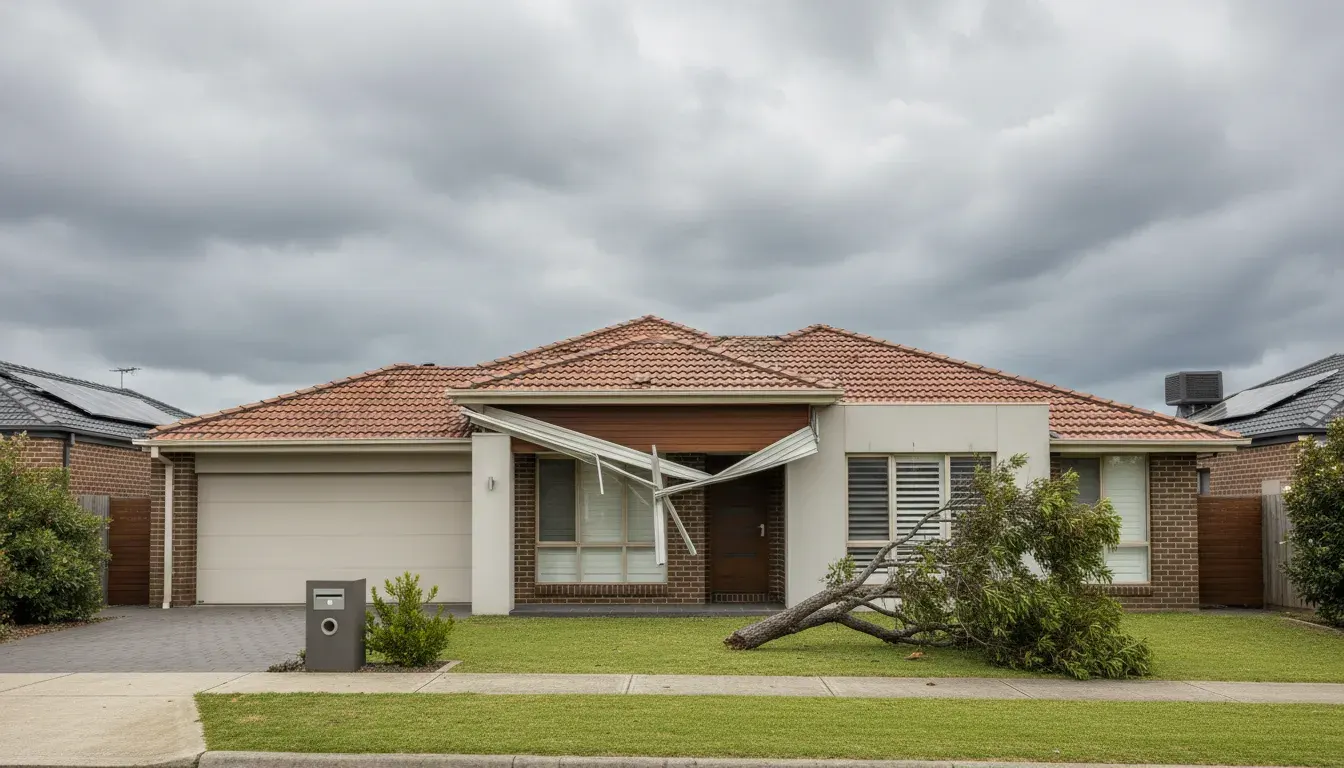
This guide explains what types of damage are typically covered by home insurance in Australia, what is commonly excluded, and where the grey areas lie. Knowing this information before you need to make a claim puts you in a much stronger position.
How Home Insurance Works in Australia
Home insurance in Australia is regulated by the Insurance Contracts Act 1984 and overseen by the Australian Prudential Regulation Authority (APRA) and the Australian Securities and Investments Commission (ASIC). Every policy comes with a Product Disclosure Statement (PDS) that sets out exactly what is and is not covered.
There are generally two types of home insurance:
- Building insurance covers the physical structure of your home, including walls, roof, floors, fixed fittings, and permanent fixtures like kitchens and bathrooms.
- Contents insurance covers your personal belongings inside the home, such as furniture, electronics, clothing, and appliances.
Many homeowners purchase a combined building and contents policy. For the purpose of this guide, we are focusing on building insurance, which is the relevant policy type when dealing with structural property damage.
Types of Damage Typically Covered
Storm and Wind Damage
Storm damage is one of the most common reasons Australians make home insurance claims. This includes damage caused by strong winds, hail, heavy rain, and lightning. Typical storm damage includes:
- Roof tiles or sheeting blown off or cracked by hail
- Water ingress through a damaged roof
- Fallen trees or branches damaging the structure
- Lightning strikes causing fire or electrical damage
- Damage to gutters, downpipes, and fascias
Most standard policies cover storm damage, but the definition of "storm" can vary between insurers. Some policies require wind speeds to exceed a certain threshold before the event qualifies as a storm.
Fire Damage
Fire is covered under virtually all home insurance policies in Australia. This includes:
- Bushfire and grassfire damage
- Accidental house fires
- Fires caused by electrical faults
- Smoke damage to the structure
- Damage caused by firefighting efforts (such as water damage from fire hoses)
If you live in a bushfire-prone area, it is worth checking whether your policy has any additional conditions or excess amounts that apply to bushfire claims.
Water Damage
Water damage is covered in many situations, but this is one of the most contentious areas of home insurance. Generally covered water damage includes:
- Burst pipes inside the home
- Overflowing baths, sinks, or appliances
- Rainwater entering through storm-damaged areas
- Accidental discharge from plumbing
The key word is "sudden." Most policies cover sudden and accidental water damage but exclude gradual water damage that occurs over weeks, months, or years.
Impact Damage
Impact damage covers situations where something physically strikes your home. This includes:
- A vehicle crashing into your property
- Falling trees or branches (not related to storms, which are covered under storm damage)
- Aircraft or parts of aircraft
- Debris from explosions
Theft and Vandalism
Most building insurance policies cover damage to the structure caused by theft or attempted theft. This might include broken windows, damaged doors, or forced entry damage. Vandalism to the exterior or interior of the property is also typically covered.
Other Commonly Covered Events
Depending on your policy, you may also be covered for:
- Earthquake damage (included in most standard policies)
- Explosion damage
- Riot and civil commotion
- Escape of liquid from fixed appliances (such as a hot water system bursting)
What Home Insurance Typically Does Not Cover
This is where most disputes begin. Exclusions vary between insurers and policies, so always check your PDS. However, the following exclusions are common across the Australian market.
Wear and Tear
Home insurance covers sudden and accidental damage, not the gradual deterioration that happens to every building over time. If your roof is leaking because the tiles are 30 years old and have deteriorated, that is wear and tear, not an insurable event. Insurers regularly deny claims on this basis, and it is one of the most common reasons for disputes.
Lack of Maintenance
Closely related to wear and tear, insurers expect you to maintain your property in a reasonable condition. If damage occurs because you failed to maintain gutters, fix a known leak, or address deteriorating waterproofing, the insurer may deny the claim. For example, if blocked gutters cause water to back up and damage internal walls, the insurer could argue that regular gutter cleaning would have prevented the damage.
Gradual Damage
Damage that occurs slowly over time is generally excluded. This includes:
- Slow water leaks behind walls or under floors
- Rising damp
- Gradual movement or settlement of foundations
- Slow corrosion of pipes or fittings
- Mould caused by ongoing moisture issues
The challenge with gradual damage is that homeowners often do not notice it until it becomes severe. By that point, the insurer may argue the damage has been occurring for months or years and is therefore excluded.
Flood Damage
Flood cover is one of the most misunderstood aspects of home insurance in Australia. Following the 2010 and 2011 floods, the Australian Government introduced a standard definition of "flood" for insurance purposes. However, flood cover is not always included in standard policies.
Some insurers include flood cover as standard, others offer it as an optional extra, and some do not offer it at all in high-risk areas. If your property is in a flood-prone area, check your policy carefully. The difference between "storm water runoff" (usually covered) and "flood" (not always covered) can determine whether your claim is accepted or denied.
Earth Movement and Subsidence
While earthquake damage is generally covered, other types of earth movement are often excluded. This includes:
- Subsidence (the ground sinking beneath your property)
- Ground heave (the ground swelling upward)
- Landslide or mudslide
- Erosion
These exclusions can be particularly relevant for properties built on reactive clay soils, which are common across much of Australia.
Defective Design or Construction
If damage results from poor design, faulty workmanship, or the use of substandard materials during construction, most policies will not cover it. This is particularly relevant for newer homes where construction defects may not become apparent for several years.
Asbestos and Hazardous Materials
Most policies exclude damage related to asbestos, lead paint, or other hazardous materials. If storm damage exposes asbestos in your home, the insurer may cover the storm damage itself but exclude the cost of asbestos removal and disposal.
The Grey Areas
Many insurance disputes fall into grey areas where the cause of damage is not clear-cut. Common grey areas include:
- Storm damage to an ageing roof. Was the damage caused by the storm, or did the storm simply expose pre-existing deterioration? This is one of the most common disputes in Australian home insurance.
- Water damage from a slow leak. Did the pipe burst suddenly (covered), or has it been leaking gradually (excluded)? The answer often requires expert investigation.
- Tree root damage. Tree roots damaging foundations or plumbing is generally excluded as gradual damage. But if a tree falls onto the house during a storm, that is covered.
- Mould after water damage. If mould develops after an insured water event, it may be covered as consequential damage. But if the mould was pre-existing or caused by poor ventilation, it will likely be excluded.
Why an Independent Assessment Matters
When a claim falls into a grey area, the insurer's assessor will make a determination that may not be in your favour. An independent building assessment can provide an objective opinion on the cause, extent, and age of the damage. This can be the difference between a claim being accepted or denied.
Independent assessors use their building expertise to determine whether damage was caused by a sudden insured event or by gradual deterioration. They document their findings with detailed evidence that can be used to support your claim through the dispute process.
Know Your Policy Before You Need It
The best time to understand your home insurance policy is before you need to make a claim. Read your PDS, understand the exclusions, and consider whether you need additional cover for events like flood. If you are unsure about anything, contact your insurer and ask.
When damage does occur, document everything immediately, report the claim promptly, and consider getting an independent assessment if the damage is significant or if you suspect the insurer may dispute the cause.
For a complete overview, see our guide to insurance claim assessments.
Need an Insurance Claim Assessment?
Our independent assessors cover Sydney, Melbourne, and all major Australian cities.