

While the scheme places obligations on developers and builders, it also provides significant benefits that can improve business outcomes, reduce risk, and enhance reputation in the industry.
Background of the SBBIS
The SBBIS was introduced under the Strata Schemes Management Act 2015 and came into effect in 2018. It was designed to address ongoing concerns about building defects in strata developments across NSW. The scheme applies to new strata buildings of four or more storeys and requires the developer to lodge a bond equal to two percent of the total contract price for the building work.
An interim defect report must be completed within 15 to 18 months after the completion of building work, and a final defect report must be completed within 18 to 24 months. If defects are identified and not rectified by the developer, the bond funds can be used by the owners corporation to carry out the necessary repairs.
The SBBIS applies to strata schemes where the building work contract was entered into on or after 1 January 2018 and the building is four or more storeys. The bond is lodged with NSW Fair Trading before an occupation certificate is issued.
Lowering Legal Risks
One of the most significant benefits of the SBBIS for developers and builders is the reduction of legal exposure associated with building defects.
Legal defence: The structured inspection and rectification process under the SBBIS provides a clear framework for identifying and addressing defects. By proactively rectifying defects within the scheme's timeframes, developers can avoid costly and protracted legal disputes with owners corporations. The scheme creates a documented process that demonstrates a developer's commitment to quality.
Financial steadiness: Without the SBBIS, disputes over building defects can result in unpredictable legal costs and compensation claims. The bond mechanism provides financial certainty by capping the amount at two percent of the contract value. Developers who rectify defects promptly can recover the bond in full, making it a manageable and predictable cost of doing business.
Boosting Buyer Assurance
The SBBIS enhances buyer confidence in strata developments, which can have a direct positive impact on sales and market positioning.
Enhanced trust: Buyers are increasingly aware of building defect issues in strata properties. The existence of the SBBIS provides assurance that an independent inspection process will identify defects and that funds are available for their rectification. This gives buyers greater confidence when purchasing off the plan or in newly completed developments.
Positive sales impact: Developers who can demonstrate compliance with the SBBIS and a track record of delivering defect-free or promptly rectified buildings are in a stronger position to attract buyers. In a competitive market, this assurance can be a deciding factor for purchasers comparing different developments.
Raising Brand Reputation
Consistent compliance with the SBBIS builds a developer's reputation for quality and reliability.
Building trust: A developer that consistently delivers buildings with minimal defects and promptly addresses any issues identified through the SBBIS process builds trust with buyers, agents, and the broader market. Reputation for quality is one of the most valuable assets in the development industry.
Repeat business: Satisfied buyers become advocates for a developer's brand. A strong reputation for quality construction and responsive defect rectification leads to repeat purchases and referrals, which are essential for long-term business growth.
Additional Advantages
Beyond legal risk reduction, buyer confidence, and brand reputation, the SBBIS offers further benefits for developers and builders.
Cost savings: Identifying and rectifying defects during the bond period is typically far less expensive than addressing them after prolonged deterioration. The structured inspection process encourages early identification and repair, reducing the overall cost of defect management.
Efficient rectification: The SBBIS provides clear timeframes and processes for defect identification and rectification. This structured approach allows developers and builders to plan and allocate resources efficiently, rather than dealing with ad hoc complaints and claims over an extended period.
Frequently Asked Questions
What is the SBBIS and when was it introduced?
The Strata Building Bond and Inspection Scheme (SBBIS) is a NSW government scheme introduced in 2018 under the Strata Schemes Management Act 2015. It requires developers of strata buildings of four or more storeys to lodge a building bond and undergo independent defect inspections within two years of completion.
Which buildings are eligible for the SBBIS?
The SBBIS applies to new strata buildings of four or more storeys where the building work contract was entered into on or after 1 January 2018. It covers residential strata developments and mixed-use buildings that include a residential strata component.
How much is the building bond under the SBBIS?
The building bond is equal to two percent of the total contract price for the building work. This bond is lodged with NSW Fair Trading and must be in place before an occupation certificate is issued for the building.
What are the timeframes for defect inspections under the SBBIS?
An interim defect report must be prepared between 15 and 18 months after the completion of building work. A final defect report must be prepared between 18 and 24 months after completion. These reports are carried out by a qualified building inspector appointed by the Secretary of NSW Fair Trading.
Who conducts the inspections under the SBBIS?
The inspections are conducted by a building inspector appointed by the Secretary of NSW Fair Trading. The inspector must be independent and qualified to assess building defects. The owners corporation can also arrange its own inspection, but the official SBBIS inspection is conducted by the appointed inspector.
What happens if defects are found during the inspection?
If defects are identified, the developer is given the opportunity to rectify them. If the developer fails to carry out the necessary repairs within the specified timeframe, the owners corporation can apply to use the bond funds to engage other contractors to complete the rectification work.
Can the developer recover the bond?
Yes. If defects are rectified to the satisfaction of the building inspector or if no defects are identified, the bond is returned to the developer. The bond is released after the final defect report is completed and any identified defects have been addressed.
Does the SBBIS replace the statutory warranty period?
No. The SBBIS operates alongside the statutory warranty provisions under the Home Building Act 1989 (NSW). The statutory warranty period of six years for major defects and two years for other defects still applies. The SBBIS provides an additional layer of protection during the first two years.
How does the SBBIS benefit builders as well as developers?
Builders benefit from the structured defect identification process, which allows them to address issues early and efficiently. It also encourages higher construction standards, which reduces the likelihood of costly defect claims and legal disputes after completion. Builders with a strong track record under the SBBIS enhance their reputation and competitiveness.
Where can I find more information about the SBBIS?
Detailed information about the SBBIS is available on the NSW Fair Trading website. You can also consult the Strata Schemes Management Act 2015 and the Strata Schemes Management Regulation 2016 for the full legislative framework.
Key Takeaways
- The SBBIS applies to NSW strata buildings of four or more storeys with contracts entered into on or after 1 January 2018
- Developers must lodge a bond equal to two percent of the total contract price before an occupation certificate is issued
- Independent defect inspections are conducted between 15 and 24 months after completion of building work
- The scheme reduces legal risk by providing a structured framework for defect identification and rectification
- Buyer confidence is enhanced by the assurance that independent inspections and bond funds protect against defects
- Consistent compliance with the SBBIS builds brand reputation, repeat business, and referrals
- Early defect identification under the scheme results in lower rectification costs compared to addressing deteriorated defects later
- The SBBIS operates alongside statutory warranty provisions and does not replace them
References and Resources
Related Articles
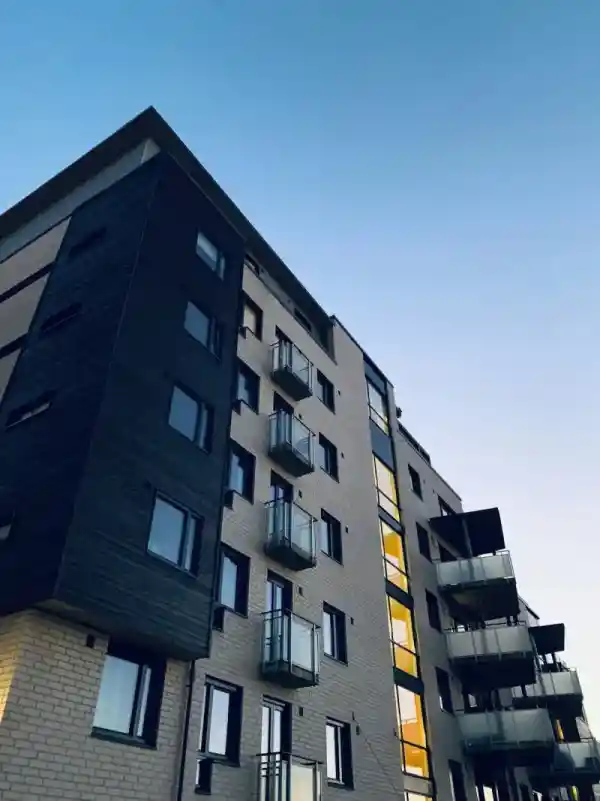
Ensuring Strata Building Bond Compliance
The Strata Building Bond and Inspection Scheme protects apartment owners in NSW by requiring developers to lodge a 2% security bond. Learn about compliance requirements, penalties, and how inspections work.

What Does a Building Inspection Cover?
Building inspections serve as a critical investment safeguard, examining structural integrity, electrical systems, plumbing, and more before property purchase.
A Comprehensive Guide to House Inspections
House inspections are detailed professional assessments evaluating structural integrity, safety systems, and component functionality. Learn everything you need to know.
Book an SBBIS Inspection
Ensure your strata development meets the requirements of the Strata Building Bond and Inspection Scheme. Our qualified inspectors conduct thorough defect assessments that help you maintain compliance and protect your bond.