
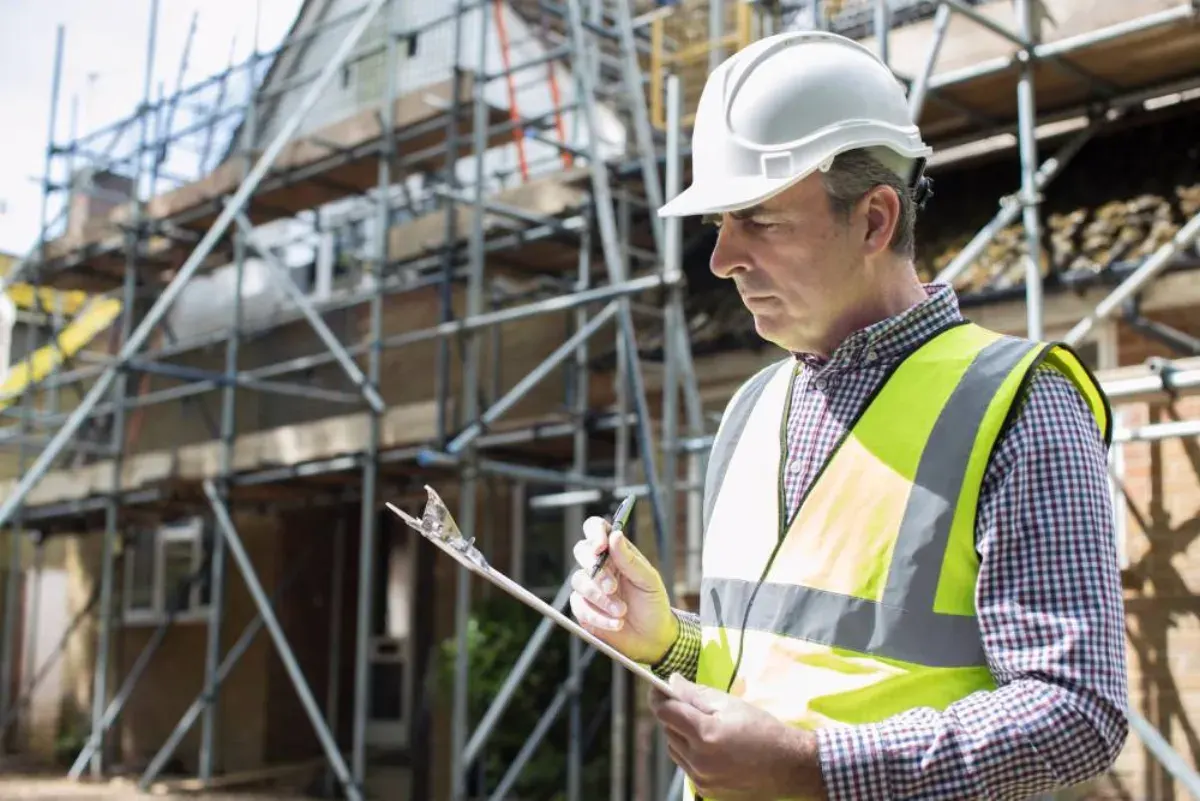
Construction disputes in Sydney are among the most common consumer complaints handled by NSW Fair Trading each year. Whether the issue involves defective workmanship, project delays, payment disagreements, or contractual breaches, the regulatory framework provides clear pathways for resolution. The system is designed to encourage early settlement and minimise the burden on courts and tribunals.
This guide explains the governing bodies that oversee Sydney's construction industry, how the National Construction Code reduces conflicts, the five stages of dispute resolution, and the practical steps homeowners can take to protect themselves throughout a building project.
Governing Bodies of Sydney's Construction Industry
Several organisations share responsibility for regulating the construction sector in New South Wales. Each body has a distinct role, and understanding their functions helps homeowners know where to turn when problems arise.
NSW Fair Trading
NSW Fair Trading is the primary consumer protection agency for residential building work in New South Wales. It administers the Home Building Act 1989, which sets out the licensing requirements for builders and tradespeople, the statutory warranty provisions, and the dispute resolution mechanisms available to homeowners. NSW Fair Trading investigates complaints, mediates disputes, and can issue rectification orders and compliance notices against licensed builders.
NSW Building Practitioners Board
The Building Practitioners Board regulates building certifiers and other building practitioners in NSW. It sets professional standards, investigates complaints about the conduct of building practitioners, and has the authority to suspend or cancel practitioner registrations. The Board plays a role in maintaining the quality of building certification services, which directly affects construction compliance outcomes.
Australian Securities and Investments Commission (ASIC)
ASIC regulates the financial and corporate aspects of construction businesses in Australia. This includes oversight of builder insolvency, home warranty insurance schemes, and corporate governance obligations. When a builder becomes insolvent during a project, ASIC's regulatory framework determines how creditors and consumers are protected.
National Construction Code (NCC)
The NCC is Australia's primary set of technical standards for the design, construction, and performance of buildings. It is produced and maintained by the Australian Building Codes Board (ABCB) and applies uniformly across all states and territories, though each jurisdiction may adopt minor variations. The NCC covers structural adequacy, fire safety, access and egress, services and equipment, energy efficiency, and health and amenity requirements.
| Governing Body | Primary Role | Key Function for Homeowners |
|---|---|---|
| NSW Fair Trading | Consumer protection and builder licensing | Complaint handling, mediation, and rectification orders |
| Building Practitioners Board | Practitioner regulation | Investigates complaints about building certifiers |
| ASIC | Corporate and financial regulation | Oversees builder insolvency and warranty insurance |
| NCC (via ABCB) | Technical building standards | Sets minimum construction quality and safety benchmarks |
How the National Construction Code Functions
The NCC serves four primary functions that shape the construction industry across Australia.
Unified Standards Across Jurisdictions
Before the NCC, each state and territory maintained its own building code, creating inconsistencies that complicated construction across borders. The NCC provides a single, nationally consistent set of requirements. This means a builder working in Sydney follows the same core technical standards as a builder in Melbourne or Brisbane, with only minor state-specific amendments.
Safety as the Top Priority
Safety provisions form the backbone of the NCC. The code sets minimum standards for structural integrity, fire resistance, emergency egress, and construction site safety. These requirements are non-negotiable and apply to every building project regardless of size or value.
Support for Innovation Through Performance Solutions
The NCC allows two compliance pathways: deemed-to-satisfy solutions (prescriptive requirements) and performance solutions (alternative approaches that achieve the same performance outcome). This dual pathway supports innovation by allowing designers and builders to propose alternative construction methods, materials, or systems that meet the intended performance requirements without following the prescriptive rules exactly.
Sustainability and Energy Efficiency Focus
The NCC includes energy efficiency requirements for both residential and commercial buildings. These provisions have been progressively strengthened over successive code updates, reflecting Australia's commitment to reducing the environmental impact of the built environment. Current requirements address insulation, glazing performance, building sealing, and services efficiency.
How the NCC Reduces Construction Conflicts
The NCC plays a direct role in reducing disputes between builders and homeowners by establishing clear, measurable standards that both parties can reference. When a disagreement arises about construction quality, the NCC provides an objective benchmark against which the work can be assessed.
- Clear standards: The NCC sets specific, measurable requirements for every aspect of construction, removing ambiguity about what constitutes acceptable work
- Performance solutions: The ability to propose alternative compliance methods reduces disputes about whether non-standard approaches are acceptable
- Defined stakeholder roles: The NCC framework clearly defines the responsibilities of builders, building surveyors, designers, and other practitioners
- Australian Standards references: The NCC references hundreds of Australian Standards that provide detailed technical guidance for specific trades and materials
- Regular updates: The NCC is updated on a three-year cycle, ensuring that standards remain current with industry developments and emerging technologies
When an independent building inspector assesses construction work, they reference the NCC and the applicable Australian Standards to determine whether the work meets the required benchmarks. This objectivity is central to resolving disputes fairly.
The Five-Stage Dispute Resolution Process
When a construction dispute arises in Sydney, the resolution process typically follows five stages. Each stage represents an escalation from the previous one, and most disputes are resolved before reaching the later stages.
Stage 1: Initiation
The first step is to formally identify and document the issue. The homeowner should put their complaint in writing and send it to the builder, clearly describing the problem, referencing the relevant contract clause or NCC provision, and stating the outcome they are seeking. Keeping a written record of all communication from this point forward is important.
Stage 2: Direct Discussion
Before involving any third party, the homeowner and builder should attempt to resolve the dispute through direct discussion. Many construction disagreements arise from miscommunication or differing expectations rather than genuine defects. A face-to-face meeting or structured phone call, with both parties referencing the contract and the NCC, resolves a significant proportion of disputes at this stage.
Stage 3: Mediation
If direct discussion fails, either party can request mediation through NSW Fair Trading or a private mediation service. Mediation involves a neutral third party who facilitates a structured conversation between the homeowner and the builder. The mediator does not make a binding decision but helps both parties find a mutually acceptable resolution. NSW Fair Trading provides mediation services at no cost for residential building disputes.
Stage 4: Arbitration
If mediation does not produce a resolution, the dispute may proceed to arbitration. Arbitration involves an independent arbitrator who hears evidence from both parties and makes a binding decision. Some building contracts include an arbitration clause that requires the parties to use this process before proceeding to court. Arbitration is generally faster and less expensive than litigation but the decision is legally binding.
Stage 5: Legal Action
Legal action through the courts or the NSW Civil and Administrative Tribunal (NCAT) is the final recourse. NCAT handles the majority of residential building disputes in New South Wales and has the power to order rectification work, award compensation, and impose penalties on builders who breach their obligations. Legal action should be considered only after the earlier stages have been exhausted, as it is the most expensive and time-consuming option.
| Stage | Method | Who Is Involved | Typical Duration | Cost to Homeowner |
|---|---|---|---|---|
| 1. Initiation | Written complaint | Homeowner and builder | 1 to 2 weeks | Nil |
| 2. Discussion | Direct negotiation | Homeowner and builder | 2 to 4 weeks | Nil |
| 3. Mediation | Facilitated discussion | Homeowner, builder, and mediator | 4 to 8 weeks | Free through NSW Fair Trading |
| 4. Arbitration | Binding determination | Homeowner, builder, and arbitrator | 2 to 6 months | $2,000 to $10,000 |
| 5. Legal Action | Court or tribunal hearing | All parties and legal representatives | 6 to 18 months | $5,000 to $50,000 or more |
Common Construction Disputes in Sydney
Understanding the most common types of disputes helps homeowners anticipate potential problems and take steps to prevent them.
Contractual Issues
Contractual disputes arise when one party believes the other has not met their obligations under the building contract. Common examples include disagreements about the scope of work, variations and their costs, and the interpretation of contract terms. The Home Building Act 1989 requires all residential building contracts over $5,000 to be in writing and to contain specific terms and conditions.
Quality of Work
Disputes about the quality of construction work are the most frequent complaints received by NSW Fair Trading. These disputes typically involve defective workmanship, the use of substandard materials, or work that does not comply with the NCC or the relevant Australian Standards. An independent building inspection can provide objective evidence of whether the work meets the required standards.
Project Delays
Construction delays are a common source of frustration for homeowners. While some delays are caused by factors outside the builder's control (weather, material shortages, council approvals), others result from poor project management, subcontractor availability, or cash flow problems. The building contract should specify the completion date and the consequences of delay, including any liquidated damages provisions.
Payment Disputes
Payment disputes occur when either party disagrees about the amount owed, the timing of progress payments, or the withholding of payment for defective or incomplete work. The Home Building Act 1989 and the Building and Construction Industry Security of Payment Act 1999 (NSW) provide specific rules about progress payments, payment claims, and adjudication processes.
| Dispute Type | Common Causes | Prevention Strategy |
|---|---|---|
| Contractual issues | Ambiguous contract terms, undocumented variations | Use a detailed written contract with clear variation procedures |
| Quality of work | Defective workmanship, non-compliant materials | Commission independent stage inspections during construction |
| Project delays | Poor scheduling, subcontractor issues, weather | Include clear completion dates and delay provisions in the contract |
| Payment disputes | Disputed progress claims, withheld payments | Follow the payment schedule in the contract and document all payments |
Benefits of a Regulated Construction Industry
Sydney's regulatory framework for the construction industry delivers measurable benefits for homeowners, builders, and the broader community.
Safety Assurance
The NCC's minimum standards for structural integrity, fire safety, and emergency egress ensure that every building constructed in Sydney meets a baseline level of safety. Building surveyors verify compliance at prescribed stages, and NSW Fair Trading can take enforcement action against builders who fail to meet these standards.
Consumer Protection
The Home Building Act 1989 provides homeowners with statutory warranties that cover structural defects for six years and non-structural defects for two years from the date of completion. Home warranty insurance provides an additional layer of protection if the builder dies, disappears, or becomes insolvent.
Efficient Dispute Resolution
The multi-stage dispute resolution framework, from direct discussion through to NCAT, provides homeowners with accessible and cost-effective pathways for resolving building complaints. NSW Fair Trading's free mediation service resolves many disputes without the need for tribunal proceedings.
Best Practices for Homeowners
Homeowners who take a proactive approach to managing their building project are far less likely to experience disputes, and better positioned to resolve them quickly if they do arise.
Document everything
Keep a written record of all communications with your builder, including emails, text messages, meeting notes, and photographs of the work at each stage. This documentation is invaluable if a dispute arises. Take dated photographs of the construction progress at least weekly.
Engage a reputable builder
Check that your builder holds a current licence with NSW Fair Trading and carries the required home warranty insurance. Ask for references from recent projects and verify them. A builder with a strong track record of delivering quality work is less likely to produce the defects that lead to disputes.
Participate actively in the build
Attend site meetings, ask questions about the work being done, and raise concerns early. Homeowners who are engaged in the construction process identify potential issues sooner, when they are cheaper and easier to resolve.
Maintain transparent communication
Discuss concerns with your builder openly and promptly. Many disputes escalate because one party avoided raising an issue early on. If you notice something that does not look right, ask your builder about it straight away rather than waiting until the end of the project.
Plan for delays and variations
Construction projects rarely proceed exactly as planned. Allow a buffer in your timeline and budget for unexpected events. When variations arise, ensure they are documented in writing with agreed costs before the work is carried out.
Frequently Asked Questions
What is the core purpose of the National Construction Code?
The NCC sets minimum technical standards for the design, construction, and performance of buildings across Australia. It provides a unified regulatory framework that applies in all states and territories.
The code covers structural adequacy, fire safety, access and egress, services and equipment, energy efficiency, and health and amenity. By establishing clear, nationally consistent standards, the NCC ensures that all buildings meet a baseline level of safety and quality. The code is updated every three years to reflect changes in construction technology, materials, and community expectations. State and territory governments adopt the NCC through their own building legislation, with minor local amendments where necessary.
How do regulatory bodies help resolve construction disputes?
Regulatory bodies such as NSW Fair Trading provide free complaint handling and mediation services that help homeowners and builders resolve disputes without the cost of legal proceedings.
NSW Fair Trading accepts written complaints from homeowners about licensed builders and can investigate allegations of defective work, contract breaches, and licensing violations. The agency offers mediation services where a neutral facilitator helps both parties reach an agreement. If mediation fails, NSW Fair Trading can issue rectification orders requiring the builder to fix defective work. The Building Practitioners Board handles complaints about building certifiers. NCAT provides a tribunal process for disputes that cannot be resolved through mediation or direct negotiation.
Does the NCC allow flexibility in how builders comply with its requirements?
Yes. The NCC provides two compliance pathways: deemed-to-satisfy solutions and performance solutions. Performance solutions allow builders and designers to propose alternative approaches that achieve the same outcome as the prescriptive requirements.
Deemed-to-satisfy solutions are the standard prescriptive methods set out in the code. If a builder follows these methods exactly, compliance is straightforward. Performance solutions offer an alternative pathway where a designer or builder can demonstrate that their proposed approach meets the performance requirements of the NCC, even if it does not follow the prescriptive rules. This flexibility encourages innovation in construction methods and materials while maintaining the required safety and quality outcomes. Performance solutions must be documented and assessed by a suitably qualified person.
How are payment disputes resolved in NSW construction projects?
Payment disputes in NSW are governed by the Building and Construction Industry Security of Payment Act 1999, which provides a statutory adjudication process for progress payment claims.
If a builder submits a progress claim and the homeowner disputes the amount, the builder can apply for adjudication under the Security of Payment Act. An adjudicator reviews the claim and any response from the homeowner and makes a binding determination on the amount payable. This process is designed to be fast, typically concluding within a few weeks. Homeowners can also withhold payment for work that is defective or incomplete, provided they follow the procedures set out in the building contract and the Home Building Act 1989.
What should I do if my builder refuses to fix defective work?
If your builder refuses to rectify defective work, you should lodge a formal complaint with NSW Fair Trading. The agency can investigate the complaint and, if warranted, issue a rectification order requiring the builder to fix the defects.
Before contacting NSW Fair Trading, put your complaint in writing to the builder, clearly describing the defects and referencing the relevant contract provisions or NCC requirements. Allow the builder a reasonable period to respond. If the builder does not respond or refuses to rectify the work, lodge your complaint with NSW Fair Trading along with copies of your correspondence, photographs of the defects, and any inspection reports. NSW Fair Trading may offer mediation as a first step. If mediation fails, the agency can issue compliance or rectification orders.
What statutory warranties apply to residential building work in NSW?
Under the Home Building Act 1989, statutory warranties cover structural defects for six years and non-structural defects for two years from the date of completion of the work.
These warranties apply automatically to all residential building work regardless of what the building contract says. The warranties cover defects in materials and workmanship, compliance with plans and specifications, fitness for purpose, and compliance with applicable laws and standards. If a defect emerges within the warranty period, the homeowner can require the builder to rectify it at no cost. If the builder fails to do so, the homeowner can pursue the matter through NSW Fair Trading, NCAT, or the courts.
Is home warranty insurance required in NSW?
Yes. Home warranty insurance is mandatory in NSW for all residential building work valued at more than $20,000. The builder must take out the insurance before starting work.
Home warranty insurance protects homeowners if the builder dies, disappears, or becomes insolvent and cannot complete the work or rectify defects. The insurance covers incomplete work and defects for the same periods as the statutory warranties (six years for structural, two years for non-structural). The policy is taken out and paid for by the builder, though the cost is typically factored into the contract price. Homeowners should verify that home warranty insurance is in place before making any payments to the builder.
Can I take my builder to NCAT for a construction dispute?
Yes. The NSW Civil and Administrative Tribunal (NCAT) handles residential building disputes and has the power to order rectification, award compensation, and make other binding orders.
NCAT is generally more accessible and less formal than a court. Application fees are lower than court filing fees, and the process is designed to be navigable without legal representation, though many parties choose to engage a solicitor or building consultant. NCAT can hear claims for defective work, incomplete work, contract breaches, and disputes about progress payments. The tribunal regularly orders independent expert assessments of building work to inform its decisions.
How long does mediation take for a building dispute in Sydney?
Mediation through NSW Fair Trading typically takes between four and eight weeks from the date the complaint is lodged to the mediation session itself.
The duration depends on the complexity of the dispute, the availability of both parties, and whether additional information or expert reports are needed before mediation can proceed. The mediation session itself usually takes half a day. If an agreement is reached, the terms are documented in a written agreement that both parties sign. If mediation does not resolve the dispute, the homeowner can proceed to arbitration (if provided for in the contract) or apply to NCAT for a hearing.
What role does an independent building inspector play in dispute resolution?
An independent building inspector provides an objective, expert assessment of the construction work that is the subject of the dispute. Their report can be used as evidence in mediation, arbitration, or tribunal proceedings.
The inspector examines the work against the NCC, applicable Australian Standards, the building contract specifications, and accepted industry practice. The inspection report documents any defects, non-compliant work, or deviations from the approved plans with photographs and references to the relevant standards. This evidence helps both parties understand the nature and extent of the issues and provides an objective basis for negotiation or determination. At Owner Inspections, our reports are accepted by NCAT and other dispute resolution bodies across NSW.
Key Takeaways
- Sydney's construction industry is regulated by NSW Fair Trading, the Building Practitioners Board, ASIC, and the National Construction Code
- The NCC provides unified technical standards across Australia, with a three-year update cycle that keeps requirements current
- Performance solutions under the NCC allow builders to propose alternative compliance methods, supporting innovation while maintaining safety
- The five-stage dispute resolution process moves from written complaint and direct discussion through mediation, arbitration, and legal action
- Most residential building disputes are resolved through NSW Fair Trading's free mediation service without the need for tribunal proceedings
- Statutory warranties under the Home Building Act 1989 cover structural defects for six years and non-structural defects for two years
- Homeowners should document everything, engage licensed builders, and raise concerns early to prevent disputes from escalating
- Independent building inspections provide objective evidence that supports fair dispute resolution
References and Resources
Related Articles
How to Avoid Home Building Disputes in Sydney
With nearly 171,500 new homes constructed in Sydney over five years, building disputes are common. This guide covers contract management, communication strategies, the role of building inspectors, and legal recourse under NSW Fair Trading.

NCAT Building Disputes: Expert Witness Support
Building disputes in NSW often end up at NCAT, where expert witnesses play a key role. This guide covers when to engage an expert, how they prepare, and what makes their testimony effective in tribunal proceedings.

Understanding NSW Civil and Administrative Tribunal (NCAT)
NCAT is the main tribunal for resolving building and construction disputes in New South Wales. This guide explains its structure, jurisdiction, appeal process, and how expert witnesses support cases.
Get an Independent Building Assessment
Need objective evidence for a construction dispute or quality concern? Our licensed inspectors provide detailed reports referenced to the NCC and Australian Standards, accepted by NCAT and other dispute resolution bodies.
For a complete overview, see our guide to expert witness reports for building disputes.
Need an Expert Witness Report?
Our experienced expert witnesses support cases at NCAT, VCAT, and tribunals across Australia.