
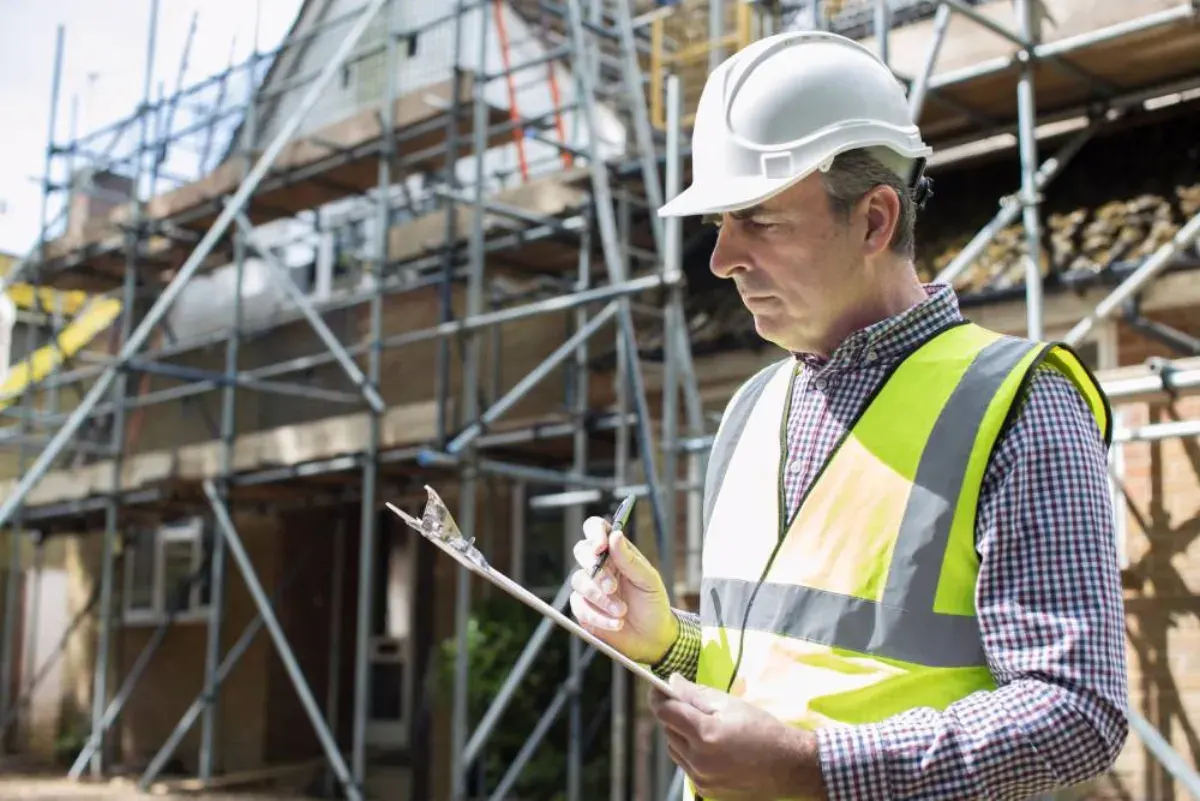
Whether you are building a new home, renovating an existing property, or managing a knockdown rebuild, taking proactive steps before and during construction significantly reduces the risk of a costly dispute. This guide covers the practical strategies Sydney homeowners can use to protect themselves, including contract management, communication frameworks, the role of building inspectors, and the legal avenues available when things go wrong.
Why Building Disputes Are So Common in Sydney
Sydney's residential construction market is one of the busiest in Australia. The sheer volume of building activity, combined with labour shortages, rising material costs, and complex planning regulations, creates conditions where disputes can easily arise. Common causes include:
- Unclear or incomplete contracts that leave room for interpretation
- Poor communication between the homeowner, builder, and subcontractors
- Unrealistic timelines that do not account for weather, supply delays, or council approvals
- Defective workmanship that goes undetected until after completion
- Variations and additional costs that were not agreed in writing
- Payment disputes over milestone claims and the quality of completed work
Understanding these causes is the first step towards preventing them.
Clear Communication: The Foundation of a Successful Build
Communication breakdowns are responsible for a large proportion of building disputes. What seems obvious to a builder may not be clear to a homeowner, and vice versa. Establishing strong communication practices from the start of the project reduces the risk of misunderstandings escalating into formal disputes.
Be Specific About Expectations
Vague instructions lead to vague results. When discussing finishes, materials, layouts, or fixtures with your builder, provide detailed specifications. Instead of saying "I want a modern kitchen," specify the benchtop material, cabinet colour, handle style, appliance brands, and layout dimensions. Put every decision in writing and attach it to the building contract or as a schedule of finishes.
Schedule Regular Updates
Agree on a regular communication schedule with your builder. This could be a weekly site meeting, a fortnightly phone call, or a written progress update at each construction stage. Regular updates keep both parties informed and allow small issues to be resolved before they become major problems.
Document Everything in Writing
Verbal agreements are difficult to enforce. Every discussion, decision, variation, or change to the original plan should be confirmed in writing, whether by email, text message, or a formal variation order. This written record becomes valuable evidence if a dispute arises later.
Nominate a Single Point of Contact
On the builder's side, there should be one person responsible for communicating with the homeowner. On the homeowner's side, one person should be the primary contact for the builder. Having multiple people giving instructions or asking questions creates confusion and increases the risk of conflicting directions.
| Communication Strategy | What It Prevents |
|---|---|
| Written specifications for all finishes | Disputes over material quality and selections |
| Weekly progress meetings | Surprises about construction progress or delays |
| Confirming all changes in writing | Disagreements about verbal agreements |
| Single point of contact | Conflicting instructions and miscommunication |
| Photographic records at each stage | Disputes about workmanship quality |
Know Your Contract Inside and Out
The building contract is the single most important document in any construction project. It defines the rights and obligations of both the homeowner and the builder. In NSW, residential building work over $5,000 must be covered by a written contract under the Home Building Act 1989.
Scope of Work
The contract should contain a detailed description of every item of work included in the build. This includes structural work, finishes, fixtures, landscaping, driveways, fencing, and any other items discussed during the quoting phase. If something is not listed in the scope of work, the builder is not obligated to provide it.
Payment Milestones
NSW legislation prescribes maximum progress payment percentages for residential building contracts. The standard milestones are:
| Payment Stage | Maximum Percentage |
|---|---|
| Deposit | 10% |
| Base stage (slab) | 15% |
| Frame stage | 20% |
| Lock-up stage | 20% |
| Fixing stage | 15% |
| Completion | 20% |
Payments should only be made when the corresponding stage of work has been completed to a satisfactory standard. If you have concerns about the quality of work at any stage, consider engaging an independent building inspector before approving the milestone payment.
Dispute Resolution Procedures
A well-drafted contract will include a dispute resolution clause that outlines the steps both parties must follow if a disagreement arises. This typically starts with direct negotiation, followed by mediation, and then formal proceedings through NSW Fair Trading or the NSW Civil and Administrative Tribunal (NCAT) if mediation fails.
Penalty Clauses and Liquidated Damages
Some contracts include provisions for liquidated damages if the builder fails to complete the work by the agreed date. These clauses compensate the homeowner for losses caused by delays, such as additional rent or storage costs. Check whether your contract includes such provisions and understand how they apply.
Termination Conditions
Both the homeowner and the builder have rights to terminate the contract under certain circumstances. Understanding these conditions before signing prevents surprises if the relationship breaks down during construction.
Managing Timelines and Expectations
Unrealistic timelines are a major source of frustration in residential construction. Builders may provide optimistic completion dates to win the contract, while homeowners may not understand the genuine complexities of the construction process.
Build in Buffer Time
Allow extra time in your project schedule for delays caused by weather, material supply issues, council inspections, and subcontractor availability. A buffer of 10 to 15 percent on the total construction timeline is reasonable for most Sydney projects.
Prioritise Tasks on the Critical Path
Some tasks must be completed in sequence. Delays to these critical path activities push back the entire project. Work with your builder to identify which tasks are on the critical path and monitor their progress closely.
Insist on Realistic Estimates
Ask your builder for a realistic completion date rather than an optimistic one. A builder who provides a conservative timeline and finishes early is preferable to one who promises a fast build and delivers late.
Conduct Periodic Reviews
At each milestone payment stage, review the overall project timeline with your builder. If the project is falling behind schedule, discuss the reasons and agree on a revised completion date in writing.
The Role of Building Inspectors in Dispute Prevention
Independent building inspectors play a significant role in preventing disputes by providing objective, documented assessments of construction quality at each stage of the build. Their involvement gives homeowners confidence that work is being completed to the required standard and provides evidence if problems arise later.
Quality Assurance at Every Stage
A building inspector assesses workmanship, materials, and compliance with the National Construction Code and relevant Australian Standards at each construction milestone. This independent verification ensures that defects are identified and rectified before they are concealed by the next stage of work.
Early Problem Detection
Many building defects are only visible during specific stages of construction. Waterproofing defects, for example, can only be properly assessed before tiling begins. Framing defects are only accessible before internal linings are installed. An inspector who visits at the right time catches problems that would otherwise remain hidden until they cause damage.
Documented Evidence
Inspection reports include detailed descriptions and photographs of every defect identified. This documentation is valuable if a dispute proceeds to mediation or a tribunal hearing. Without independent evidence, disputes often become a matter of "he said, she said," which makes resolution more difficult.
Expert Guidance
Building inspectors can advise homeowners on whether identified defects are minor cosmetic issues or serious structural concerns. This guidance helps homeowners prioritise their concerns and communicate more effectively with their builder about rectification.
| Inspection Stage | What the Inspector Checks | Common Defects Found |
|---|---|---|
| Slab | Reinforcement, vapour barrier, levels | Incorrect reinforcement placement, poor compaction |
| Frame | Bracing, tie-downs, member sizes, openings | Missing bracing, undersized members, incorrect spacing |
| Lock-up | Roof, cladding, windows, weatherproofing | Flashing defects, poor window sealing, cladding gaps |
| Waterproofing | Membrane application, floor falls, hob heights | Membrane tears, insufficient coverage, incorrect falls |
| Fixing | Cabinetry, doors, internal linings | Misaligned cabinets, damaged linings, poor finishes |
| Pre-handover | Full property assessment | Cosmetic defects, incomplete work, non-compliant items |
Legal Recourse Under NSW Fair Trading
When a building dispute cannot be resolved through direct negotiation, NSW Fair Trading provides a formal complaints and resolution process for homeowners.
What NSW Fair Trading Handles
NSW Fair Trading accepts complaints about residential building work that is:
- Incomplete or abandoned
- Defective or not built to the contract specifications
- Causing damage to adjoining properties
- Performed by unlicensed or uninsured contractors
- Involving specialist work (electrical, plumbing, gas fitting) that does not meet standards
The Complaints Process
The typical process involves lodging a complaint with NSW Fair Trading, which may then inspect the work, attempt to mediate between the parties, and issue a rectification order if the builder is found to be at fault. If mediation fails, the matter can be escalated to NCAT for a binding determination.
NSW Guide to Standards and Tolerances 2017
The NSW Guide to Standards and Tolerances (2017) sets out the acceptable standards for residential building work in New South Wales. This guide is used by NSW Fair Trading, NCAT, and building inspectors to assess whether work meets the required standard. It covers tolerances for items such as wall straightness, floor levelness, tile alignment, paint finish, and many other measurable criteria. Homeowners should familiarise themselves with this guide to understand what constitutes acceptable and unacceptable work.
Home Building Compensation Fund
For residential building work valued at over $20,000, NSW requires builders to hold insurance under the Home Building Compensation Fund (formerly known as the Home Warranty Insurance scheme). This insurance protects homeowners if the builder dies, disappears, or becomes insolvent and is unable to complete the work or rectify defects.
Case Study: New Home Inspection with Owner Inspections
Sreedhar Kumbham engaged Owner Inspections to conduct independent inspections during the construction of his new home in Sydney. By having an independent inspector assess the work at each construction stage, Sreedhar was able to identify defects early and have them rectified by the builder before the next stage proceeded. The documented inspection reports gave him confidence in the quality of his new home and provided a clear record of the construction standard at each milestone.
This approach is typical of homeowners who want to take a proactive stance in managing their build. Rather than waiting until handover to discover problems, independent stage inspections allow issues to be resolved while the builder and subcontractors are still on site and accountable.
Frequently Asked Questions
Frequently Asked Questions
How can clear communication prevent building disputes in Sydney?
Clear communication prevents disputes by ensuring both the homeowner and builder share the same understanding of project scope, timelines, materials, and finishes.
When expectations are discussed in detail and confirmed in writing, there is less room for misinterpretation. Regular progress meetings allow small concerns to be raised and resolved before they escalate. A single point of contact on each side reduces the risk of conflicting instructions. Homeowners who document every decision, variation, and discussion in writing create a valuable record that protects them if a disagreement arises later in the project.
What should I look for in a residential building contract in NSW?
A residential building contract in NSW should include a detailed scope of work, payment milestones, a construction timeline, dispute resolution procedures, and provisions for variations.
Under the Home Building Act 1989, contracts for residential work over $5,000 must be in writing and include specific information prescribed by the legislation. Key items to check include the total contract price, a detailed description of the work, the start and completion dates, the payment schedule (which must comply with the maximum progress payment percentages), insurance details, and the builder's licence number. Homeowners should also check for clauses relating to variations, delays, liquidated damages, and contract termination.
How often should I meet with my builder during construction?
A weekly or fortnightly meeting with your builder is recommended during active construction.
The frequency depends on the pace of work and the complexity of the project. During busy construction phases, such as framing or fixing, a weekly check-in helps you stay informed about progress and any emerging issues. During slower phases, such as waiting for council inspections or material deliveries, a fortnightly update may be sufficient. The meeting format can be a site visit, phone call, or video call. The key is consistency and ensuring that a written summary of each meeting is circulated afterwards.
What documents should I keep during my building project?
Keep copies of the signed contract, all variations, payment receipts, inspection reports, correspondence with the builder, photographs of the work at each stage, and any council or compliance certificates.
A well-organised file of project documents is your best protection in a dispute. Store copies of every email, text message, and letter exchanged with the builder. Photograph the site at regular intervals, particularly before each stage is concealed. Keep copies of all invoices and proof of payment. If you engage an independent building inspector, retain their reports as part of your project file. These records are used by NSW Fair Trading, NCAT, and legal advisors when assessing dispute claims.
How do weather delays affect my building timeline in Sydney?
Weather delays are common in Sydney and most building contracts include provisions that extend the completion date for days lost to adverse weather.
The contract should specify what constitutes a weather delay and how it is measured. Typically, a weather delay is a day on which rain, wind, or temperature prevents work from proceeding safely. The Bureau of Meteorology records for the local area are used as the reference. Builders are generally entitled to a day-for-day extension for each qualifying weather delay. Homeowners should review the weather delay clause in their contract and track the number of days claimed against actual weather records to ensure the extension is reasonable.
What is the role of NSW Fair Trading in building disputes?
NSW Fair Trading investigates complaints about residential building work, mediates between homeowners and builders, and can issue rectification orders for defective or incomplete work.
Homeowners can lodge a complaint with NSW Fair Trading if their builder has performed defective work, abandoned the project, failed to meet contract obligations, or is unlicensed or uninsured. Fair Trading may send an inspector to assess the work, facilitate mediation between the parties, and issue a compliance notice if the builder fails to act. If the dispute cannot be resolved through Fair Trading, homeowners can apply to NCAT for a binding determination. Fair Trading also manages the Home Building Compensation Fund, which protects homeowners if the builder becomes insolvent.
Can mediation help resolve a building dispute before going to NCAT?
Yes. Mediation is a cost-effective and less adversarial way to resolve building disputes, and it is often required before a matter can proceed to NCAT.
In mediation, both parties meet with an independent mediator who helps them negotiate a resolution. The mediator does not make a decision or impose an outcome. Instead, they facilitate discussion and help the parties find a mutually acceptable solution. Mediation is faster and cheaper than tribunal proceedings and allows both parties to maintain a working relationship. Many building disputes are resolved through mediation without the need for a formal hearing. If mediation fails, the matter can then proceed to NCAT for a binding determination.
What contract changes require a formal variation order?
Any change to the scope of work, materials, finishes, layout, or price described in the original building contract requires a formal variation order signed by both parties.
A variation order should describe the change in detail, state the cost impact (including any additional or reduced amounts), and specify any impact on the construction timeline. Under NSW legislation, the builder must provide a written variation notice before carrying out the changed work, and the homeowner must approve it in writing. Verbal agreements to vary the contract are difficult to enforce and are a common source of disputes. Always insist on a written variation order for every change, no matter how small.
How do local regulations in Sydney affect my building project?
Sydney building projects are subject to the Home Building Act 1989, the Environmental Planning and Assessment Act 1979, the National Construction Code, and local council development controls.
Depending on the scope of work, you may need a development application (DA) or a complying development certificate (CDC) before construction can begin. Local council controls dictate setbacks, height limits, floor space ratios, heritage overlays, and bushfire or flood requirements. The builder must hold a valid NSW contractor licence for the class of work being performed. All residential building work over $20,000 requires Home Building Compensation Fund insurance. Homeowners should verify their builder's licence on the NSW Fair Trading website and confirm that all necessary approvals are in place before work commences.
What dispute resolution clauses should be in my building contract?
Your building contract should include a step-by-step dispute resolution process that starts with direct negotiation, then mediation, and then referral to NSW Fair Trading or NCAT if mediation fails.
The clause should specify the timeframe for each step, who bears the cost of mediation, and whether work continues during the dispute resolution process. A well-drafted dispute resolution clause prevents both parties from rushing to litigation and encourages resolution at the earliest possible stage. It should also reference the applicable legislation, including the Home Building Act 1989 and the Civil and Administrative Tribunal Act 2013. Homeowners should read this clause carefully before signing the contract and ask their solicitor to explain any terms they do not understand.
When should I escalate a building dispute to legal proceedings?
Legal proceedings should be considered when direct negotiation and mediation have failed, when the builder refuses to rectify defective work, or when the financial impact is significant.
Before escalating, ensure you have a complete record of the dispute, including the contract, all correspondence, inspection reports, photographs, and details of any mediation attempts. Complaints to NSW Fair Trading are free and should be the first formal step. If Fair Trading cannot resolve the issue, you can apply to NCAT for a determination. For claims exceeding NCAT's jurisdiction or involving complex legal issues, you may need to engage a building dispute solicitor. Legal costs can be substantial, so weigh the cost of proceedings against the likely outcome before committing.
Key Takeaways
Key Takeaways
- Building disputes in Sydney are commonly caused by unclear contracts, poor communication, unrealistic timelines, and undetected defects
- Clear, written communication with your builder at every stage of the project reduces the risk of misunderstandings escalating into formal disputes
- Your building contract should include a detailed scope of work, payment milestones compliant with NSW legislation, and a dispute resolution clause
- Independent building inspections at each construction stage provide documented evidence of workmanship quality and catch defects early
- NSW Fair Trading handles complaints about defective, incomplete, or unlicensed residential building work and can issue rectification orders
- The NSW Guide to Standards and Tolerances 2017 defines acceptable standards for residential building work and is used by tribunals to assess disputes
- Mediation is a cost-effective alternative to tribunal proceedings and is often required before a matter can proceed to NCAT
- Homeowners should keep complete records of all contracts, variations, payments, inspections, and correspondence throughout the project
References
References and Resources
Related Articles

NCAT Building Disputes: Expert Witness Support
Building disputes in NSW often end up at NCAT, where expert witnesses play a key role. This guide covers when to engage an expert, how they prepare, and what makes their testimony effective in tribunal proceedings.

Pre-Settlement Disputes and Resolution
Pre-settlement disputes create significant challenges for property buyers. Learn how to navigate construction defects, delays, and contractual issues with effective resolution strategies.

Independent Construction Inspections: Why They Matter
Independent construction inspections provide unbiased assessments of build quality and compliance. Learn why third-party inspections protect homeowners and investors.
Prevent Building Disputes with Independent Inspections
Protect your Sydney build with independent inspections at every construction stage. Our licensed inspectors document workmanship quality and catch defects early, giving you confidence and evidence throughout the process.
For a complete overview, see our guide to expert witness reports for building disputes.
Need an Expert Witness Report?
Our experienced expert witnesses support cases at NCAT, VCAT, and tribunals across Australia.