

Buying property is one of the largest financial commitments most Australians will make. Without a proper handover inspection, buyers risk inheriting unresolved defects, incomplete repairs, or undisclosed damage that can lead to thousands of dollars in unexpected costs. This guide explains how to prepare for the inspection, what to look for, and what to do if problems are found.
Why Pre-Settlement Inspections Matter
A pre-settlement inspection is your last opportunity to confirm the property matches what you agreed to buy. It protects you from unexpected costs and gives you grounds to raise issues before ownership transfers.
- Contractual compliance: Confirms the seller has fulfilled all agreed conditions, including promised repairs and maintenance
- Prevents unexpected costs: Identifies last-minute damage or issues before you take ownership
- Protects buyer rights: Confirms the property aligns with the agreed terms of sale
- Verifies completed repairs: Confirms that defects identified earlier have been properly fixed
- Reduces dispute risk: Minimises the chance of post-settlement claims and financial losses
How It Differs from a Building and Pest Inspection
| Timing | Purpose | Who Benefits | |
|---|---|---|---|
| Building and Pest Inspection | Before signing the contract or during the cooling-off period | Assesses structural integrity, pest activity, and long-term defects | Primarily the buyer, to make an informed purchasing decision |
| Pre-Settlement Handover Inspection | 1 to 2 weeks before settlement day | Confirms the property remains in the agreed condition and that repairs have been completed | The buyer, to verify the seller has met all contractual obligations |
A building and pest inspection identifies potential long-term problems such as foundation issues, termites, or water damage. A pre-settlement inspection is narrower in scope. It checks that the property is still in the same condition as when the contract was signed and that any agreed repairs have been completed.
Legal Framework in Australia
Buyer Rights and Seller Obligations
Australian property laws protect buyers by requiring sellers to hand over properties in the agreed condition. Buyers are entitled to a pre-settlement inspection, and sellers must allow reasonable access.
- NSW: NSW Fair Trading regulates settlement obligations, requiring sellers to fulfil agreed conditions before settlement
- VIC: Consumer Affairs Victoria outlines buyer rights and seller responsibilities, including pre-settlement inspection access
- QLD: The Residential Tenancies Authority (RTA) and Queensland property legislation govern property transactions and legal obligations
Vendor Disclosure Laws
Sellers are legally required to disclose known defects before the contract is signed. Failure to do so can lead to legal action or compensation claims. Buyers should carefully review the disclosure statement and compare it against the property's actual condition during the pre-settlement inspection.
Preparing for Your Inspection
When to Schedule
Conduct the inspection 1 to 2 weeks before settlement. This allows enough time to raise issues with the seller and arrange any last-minute repairs. Coordinate with the real estate agent and seller to arrange access.
Documents to Bring
Tools to Have on Hand
- Smartphone or camera for documenting any issues
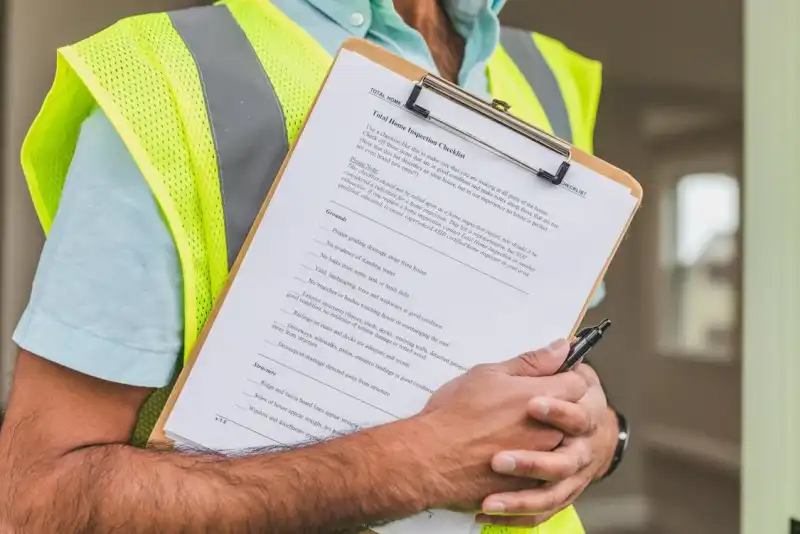
- Printed or digital checklist to make sure nothing is missed
- Flashlight, tape measure, and power tester to check fixtures and fittings
Comprehensive Pre-Settlement Checklist
Exterior of the Property
Interior of the Property
Utilities and Systems
Compliance Checks
The Role of Professional Inspectors
QWhy Hire an Independent Inspector?
- Expertise: Identifies hidden defects buyers may overlook, such as plumbing issues or structural weaknesses
- Legal documentation: Provides detailed reports that support defect claims and assist in negotiations
- Negotiation strength: Helps buyers request repairs or compensation with verified third-party evidence
How to Choose the Right Inspector
- Confirm they are licensed and certified with experience in property handovers
- Check for experience in pre-settlement assessments, particularly for new builds or renovated properties
- Read client reviews and verify industry certifications
Cost of Pre-Settlement Inspections
Pre-settlement inspections typically start at $300 depending on property size, location, and complexity. This is a small cost relative to the financial risk of taking ownership of a property with unresolved defects.
Handling Issues Found During the Inspection
Documenting Problems
Take detailed photos and videos to support any claims. List all defects and categorise them by severity. Ensure every issue is recorded in writing before raising it with the seller.
Communicating with the Seller
Notify the seller in writing about any issues found, including attached documentation. Request repairs, financial compensation, or contract renegotiation before settlement proceeds.
Negotiating Resolutions
If the seller disputes the issues, consider engaging a third-party mediator. Understand your legal options if the seller refuses to act, including the possibility of delaying settlement until the matter is resolved.
Common Mistakes to Avoid
- Overlooking minor issues: Even small defects can lead to costly repairs later. Address all concerns before settlement.
- Failing to document findings: Always take photographic evidence and written notes to support claims.
- Rushing the inspection: Allow enough time to inspect every area of the property thoroughly.
- Not bringing reference documents: Without your contract and earlier reports, you may miss items that were supposed to be repaired.
Key Takeaways
- A pre-settlement inspection is your final check to confirm the property matches the contract of sale before you take ownership.
- Schedule the inspection 1 to 2 weeks before settlement to allow time for issue resolution.
- Bring your contract, earlier inspection reports, and a list of agreed repairs to compare against the property's current condition.
- Check the exterior, interior, utilities, and compliance items using a structured checklist.
- Hiring an independent inspector provides expert assessment and legally useful documentation.
- Document all issues with photos, video, and written notes, and notify the seller in writing.
- Australian buyers have legal rights to a pre-settlement inspection in every state and territory.
Frequently Asked Questions
What should I do if I find issues during a pre-settlement inspection?
Document everything thoroughly with photos, video, and written notes. Notify the seller in writing, attaching your evidence, and request that repairs be completed or compensation be provided before settlement. If the seller does not cooperate, consult your solicitor about your legal options, which may include delaying settlement.
What happens if the seller refuses to fix issues found during the inspection?
You may negotiate repairs, seek financial compensation, or delay settlement until the issues are addressed. Depending on the contract terms and the severity of the defects, legal avenues may be available, including lodging a formal dispute or withholding a portion of the settlement funds in a trust until repairs are completed.
Should I hire a professional inspector for a pre-settlement inspection?
Yes, particularly for new builds, off-the-plan apartments, and renovated properties. A licensed building inspector can identify defects that most buyers would miss, and their report serves as independent evidence if a dispute arises. The cost starts at around $300 and is minor compared to the risk of inheriting unresolved defects.
What documents should I bring to a pre-settlement inspection?
Bring the contract of sale, any building and pest inspection reports from the pre-purchase phase, the list of agreed repairs, and all correspondence with the seller or agent about property inclusions. These documents allow you to compare the property's current condition against what was agreed.
Can I withdraw from the purchase if major defects are found?
Depending on the contract, you may have options to delay settlement, negotiate, or even withdraw if the property is significantly different from what was agreed upon. Your solicitor can advise on the specific contractual provisions that apply. In some states, cooling-off rights may have already expired by the time of a pre-settlement inspection, so the contract terms are particularly important.
How long does a pre-settlement inspection take?
A thorough pre-settlement inspection typically takes between 1 and 2 hours for a standard residential property. Larger homes or properties with complex features may take longer. Rushing the inspection increases the risk of missing defects, so it is worth allowing enough time to check every area properly.
What is the difference between a pre-settlement inspection and a building and pest inspection?
A building and pest inspection is a broad assessment of the property's structural condition and pest activity, usually conducted before signing the contract. A pre-settlement inspection is narrower in scope and takes place just before settlement. Its purpose is to confirm the property is still in the agreed condition and that all contracted repairs have been completed.
Is a pre-settlement inspection a legal right in Australia?
Yes. Australian property law in every state and territory entitles buyers to a pre-settlement inspection. The seller must provide reasonable access for the inspection. The specific rules vary by state. In NSW, Fair Trading regulates settlement obligations. In Victoria, Consumer Affairs Victoria outlines buyer rights. In Queensland, the property legislation governs transaction processes.
How much does a pre-settlement inspection cost in Australia?
Pre-settlement inspections typically start at around $300 for a standard residential property. The cost can increase depending on the property's size, location, and complexity. Hiring an independent licensed inspector is recommended, especially for new builds and off-the-plan purchases.
When should I schedule my pre-settlement inspection?
Schedule the inspection 1 to 2 weeks before settlement day. This gives you enough time to raise any issues with the seller, request repairs, and negotiate solutions before ownership transfers. Coordinate with the real estate agent to arrange access to the property.
References and Resources
- NSW Fair Trading - Buying Property - Buyer rights and settlement obligations in NSW
- Consumer Affairs Victoria - Victorian buyer rights and seller responsibilities
- National Construction Code (NCC) - Australian building standards and compliance
Related Articles

What to Expect in a Pre-Settlement Inspection
Your final walkthrough before settlement is crucial. Learn what to check, your legal rights, and when to call in professional help.
Checklist for Apartment Pre-Settlement Inspections
A thorough pre-settlement inspection checklist ensures you catch every defect before taking ownership of your apartment. This room-by-room guide covers everything from structural elements to appliances and finishes.

Pre-Settlement Defect Inspection to Ensure Quality
A pre-settlement defect inspection identifies unfinished work, construction faults, and non-compliance issues before ownership transfers. This guide covers the inspection process, your legal rights, a detailed checklist, and what to do if defects are found.
Settling on a property soon? Owner Inspections provides independent pre-settlement handover inspections across NSW, Victoria, and Queensland. Our licensed inspectors verify that the property meets the agreed contract conditions and document any defects with detailed photographic reports. Book your pre-settlement inspection or call us on 1300 471 805.