

The testimony of an expert witness can significantly influence a case outcome. A well-chosen witness strengthens legal arguments with authoritative, independent analysis. A poorly chosen witness can undermine credibility and weaken the entire case. This guide covers what to look for, where to find qualified experts, and how to avoid the most common selection mistakes.
What Is a Legal Expert Witness?
A legal expert witness is a qualified professional who provides expert analysis and opinions in legal proceedings. Their role is to break down complicated concepts, present objective assessments, and clarify evidence that might otherwise be too technical for the court to interpret accurately.
Expert witnesses differ from fact witnesses in a fundamental way. A fact witness testifies about events they directly observed. An expert witness offers opinions based on their professional expertise, training, and experience, even about events they did not personally witness.
| Role | Basis of Testimony | Opinion Allowed? | |
|---|---|---|---|
| Fact Witness | Describes events they directly observed | Personal observation and firsthand knowledge | Generally no, limited to factual statements |
| Expert Witness | Provides professional analysis and opinions on technical matters | Professional expertise, training, qualifications, and experience | Yes, that is the primary function of their testimony |
Types of Expert Witnesses
Expert witnesses come from many different fields. The type of expert needed depends on the nature of the case and the technical issues involved.
- Medical experts: Provide insights on injuries, medical conditions, malpractice, and treatment standards
- Forensic experts: Analyse evidence related to criminal investigations and incidents
- Financial and legal experts: Assist in cases involving fraud, contract disputes, and financial evaluations
- Construction and engineering experts: Offer specialised knowledge in areas such as building defects, structural integrity, and construction standards
- Independent expert witnesses: Provide unbiased assessments without conflicts of interest across various disciplines
In construction disputes, for example, an expert witness may be needed to assess building defects identified during a pre-purchase building inspection or to evaluate a dilapidation report in the context of a property damage claim.
Key Qualities to Look For
Expertise and Qualifications
A qualified expert witness must have the right academic credentials, professional certifications, and real-world experience. Their background should align with the specific issues in the case to ensure relevance and authority. A witness with published research, industry recognition, and a proven track record is more likely to be persuasive in court.
Communication Skills and Courtroom Presence
An expert witness needs to convey complex information in clear, plain language. Experience in depositions, cross-examinations, and courtroom settings helps maintain credibility under pressure. A skilled expert can simplify technical jargon, use relatable examples, and remain composed during cross-examination.
Objectivity and Credibility
Credibility is the foundation of effective expert testimony. The witness must be unbiased, with a solid track record of integrity and consistency across their past testimony. A witness who has been frequently disqualified or found unreliable in previous cases will weaken your legal argument rather than strengthen it.
Before engaging an expert witness, review their history of prior testimony. Consistent, well-regarded opinions in past cases are a strong indicator of reliability. Witnesses whose opinions shift depending on who engages them may be challenged by opposing counsel.
Steps to Finding an Expert Witness
Where to Search
- Professional directories: Expert witness databases and industry-specific directories list qualified experts by field and location
- Legal networks: Law firms and legal consultants often have established relationships with trusted expert witnesses
- Industry associations: Professional bodies maintain lists of qualified experts, such as the Law Society of Australia
Conducting Interviews
Once potential candidates are identified, conduct interviews to assess their suitability. Ask these questions:
- What is your experience with cases similar to mine?
- Have you previously testified in court or at a tribunal?
- Can you provide references or case studies from previous engagements?
- How do you handle cross-examination?
- Are you available within the required timeframe?
Assess the expert's ability to perform under pressure. Their demeanour, ability to answer questions concisely, and familiarity with legal procedures will directly affect how well they support your case.
Reviewing Past Performance
Check the expert's track record by reviewing past case studies, testimonials from legal professionals, and any published work. Past performance highlights the witness's ability to present information persuasively and withstand legal challenges.
| Qualifications | Communication | Track Record | |
|---|---|---|---|
| Strong Expert Witness | Relevant credentials, published work, industry recognition | Clear, concise, composed under cross-examination | Consistent opinions, accepted by courts, strong references |
| Weak Expert Witness | General background, limited direct experience with the issue | Uses excessive jargon, flustered under pressure | Inconsistent opinions, prior disqualifications, poor references |
Common Mistakes to Avoid
Choosing a General Expert Instead of a Specialist
An expert witness must have direct experience related to the specific issues in the case. A general expert may not be as effective as someone who specialises in the relevant area. Using a witness with limited familiarity with industry standards or specific legal procedures can create doubt and weaken testimony.
Overlooking Ethical and Legal Considerations
Verify that the expert has no conflicts of interest or ethical issues that could be used to discredit their testimony. Witnesses with prior ethical violations or demonstrated biases may not be taken seriously by the court.
Not Considering Availability
A busy expert who cannot dedicate the required time to the case is a risk. Delays in expert testimony can affect case timelines and miss opportunities to strengthen the argument. Confirm availability at the outset and build the expert's schedule into your litigation timeline.
Choosing Based on Cost Alone
While budget matters, selecting an expert based solely on price can be a mistake. The cheapest option may lack the credentials, experience, or courtroom skill needed to be effective. The value of a credible, well-qualified expert witness far outweighs the cost difference.
- Do not choose a generalist when a specialist is needed
- Do not skip background checks for ethical issues and conflicts of interest
- Do not assume availability without confirming it early in the process
- Do not select an expert based on price alone
Key Takeaways
- A legal expert witness provides professional opinions and analysis to help courts understand complex technical matters.
- Expert witnesses differ from fact witnesses: they offer opinions based on expertise, not personal observation.
- Key qualities include relevant qualifications, clear communication skills, courtroom experience, and a track record of objectivity.
- Find experts through professional directories, legal networks, and industry associations.
- Interview candidates thoroughly, reviewing their past testimony, references, and availability.
- Avoid choosing generalists over specialists, skipping ethical background checks, and selecting based on cost alone.
- In construction disputes, expert witnesses assess building defects, structural issues, and compliance with Australian standards.
Frequently Asked Questions
What is the difference between a fact witness and a legal expert witness?
A fact witness provides firsthand observations about events they personally witnessed. A legal expert witness offers professional opinions based on their specialised knowledge, training, and experience. Expert witnesses are called upon to explain complex technical matters to the court, while fact witnesses describe what happened.
How do I verify the credibility of an expert witness?
Check their academic background, professional certifications, history of prior testimony, and references from legal professionals. Review their published work and look for consistency in their opinions across previous cases. An expert with a track record of being accepted by courts is a strong indicator of credibility.
What industries commonly require expert witnesses?
Common industries include medical, financial, construction, engineering, forensic, real estate, and environmental sectors. In Australia, construction and building disputes are a particularly active area for expert witness engagement due to the frequency of defect-related litigation.
Can an expert witness be cross-examined in court?
Yes. Expert witnesses are subject to cross-examination, where opposing counsel can challenge their opinions, methodology, and credibility. An effective expert witness remains composed, answers questions directly, and defends their opinions with evidence and reasoning.
How can I find a court-qualified expert witness in Australia?
Consult legal directories, professional associations, and expert witness referral services. Law firms with experience in your area of litigation often have established relationships with qualified experts. Industry bodies such as the Law Society of Australia can also provide referrals.
What should I ask an expert witness during the interview?
Ask about their experience with similar cases, their history of court testimony, their availability, how they handle cross-examination, and whether they can provide references. Understanding their communication style and ability to explain technical concepts in plain language is equally important.
How much does an expert witness cost in Australia?
Costs vary widely depending on the expert's field, qualifications, and the complexity of the case. Construction expert witnesses may charge between $200 and $500 per hour, with additional fees for report preparation and court attendance. The cost should be weighed against the value they bring to the case outcome.
Can an expert witness report be used as evidence?
Yes. An expert witness report prepared by a qualified professional is admissible evidence in Australian courts, tribunals, and arbitration proceedings. The report must be factual, well-documented, and clearly linked to the expert's area of expertise to be accepted by the court.
What makes a construction expert witness effective?
A construction expert witness should have direct experience in building inspections, structural assessment, or construction management. They should be familiar with Australian standards such as AS 4349.1 and the National Construction Code, and they should be able to present their findings clearly in both written reports and oral testimony.
What happens if the opposing side challenges my expert witness?
Opposing counsel may challenge the expert's qualifications, methodology, objectivity, or past testimony. A well-prepared expert with strong credentials, consistent opinions, and clear communication skills can withstand these challenges. Prior preparation with your legal team helps the expert anticipate and address likely challenges.
References and Resources
- Law Society of Australia - Guidance on selecting qualified expert witnesses
- Federal Court of Australia - Expert Evidence Practice Note - Rules and guidelines for expert witness evidence
- NSW Fair Trading - Consumer protection and building dispute resolution
- Victorian Civil and Administrative Tribunal (VCAT) - Tribunal procedures for construction and property disputes
Related Articles
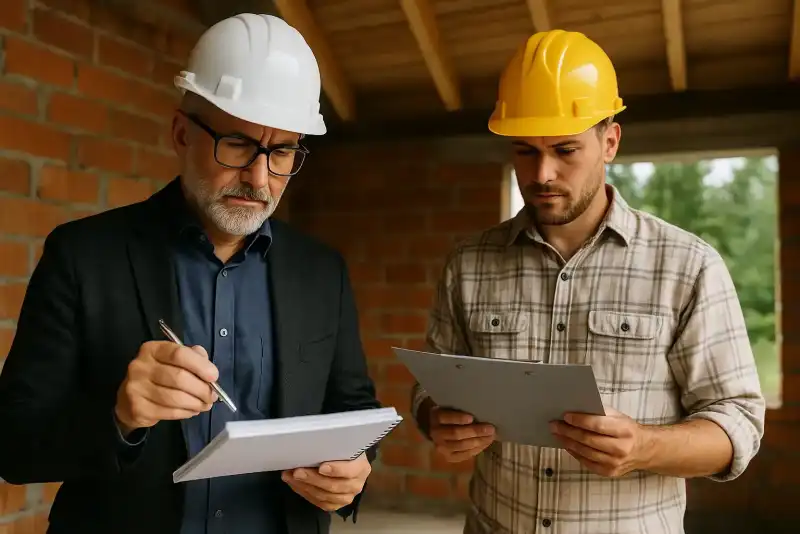
Expert Witness Reports vs Routine Inspection Reports
A routine inspection report tells you what is wrong with a property. An expert witness report tells a tribunal why it is wrong, who is responsible and what it costs to fix, in the form the rules of evidence require. This guide compares scope, duty, legal standing and cost.
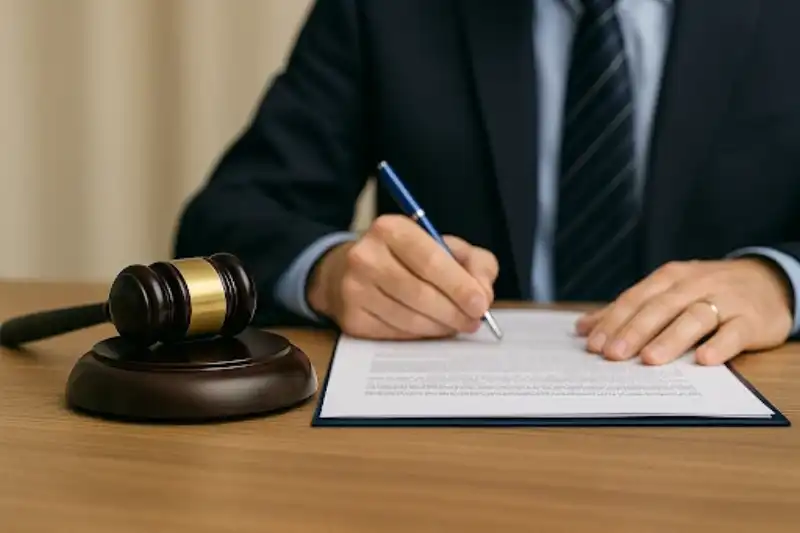
The Role of Expert Witnesses in Body-Corporate Building Disputes
Over two million Australians live in strata schemes, and disputes over defective common property are on the rise. This guide explains how expert witnesses provide independent assessments for body corporate building disputes.

Commercial and Home Inspection: Fact Witness vs Expert Witness
Property disputes often require witness testimony, but not all witnesses serve the same purpose. Fact witnesses describe what they observed while expert witnesses provide professional analysis. This guide explains the differences, legal requirements, and when to use each in Australian proceedings.
Need an expert witness for a construction or property dispute? Owner Inspections provides independent expert witness reports and testimony for building defect cases, insurance disputes, and property damage claims across NSW, Victoria, and Queensland. Our licensed inspectors have extensive courtroom experience and deliver detailed, evidence-based reports. Request an expert witness consultation or call us on 1300 471 805.
For a complete overview, see our guide to expert witness reports for building disputes.
Need an Expert Witness Report?
Our experienced expert witnesses support cases at NCAT, VCAT, and tribunals across Australia.