
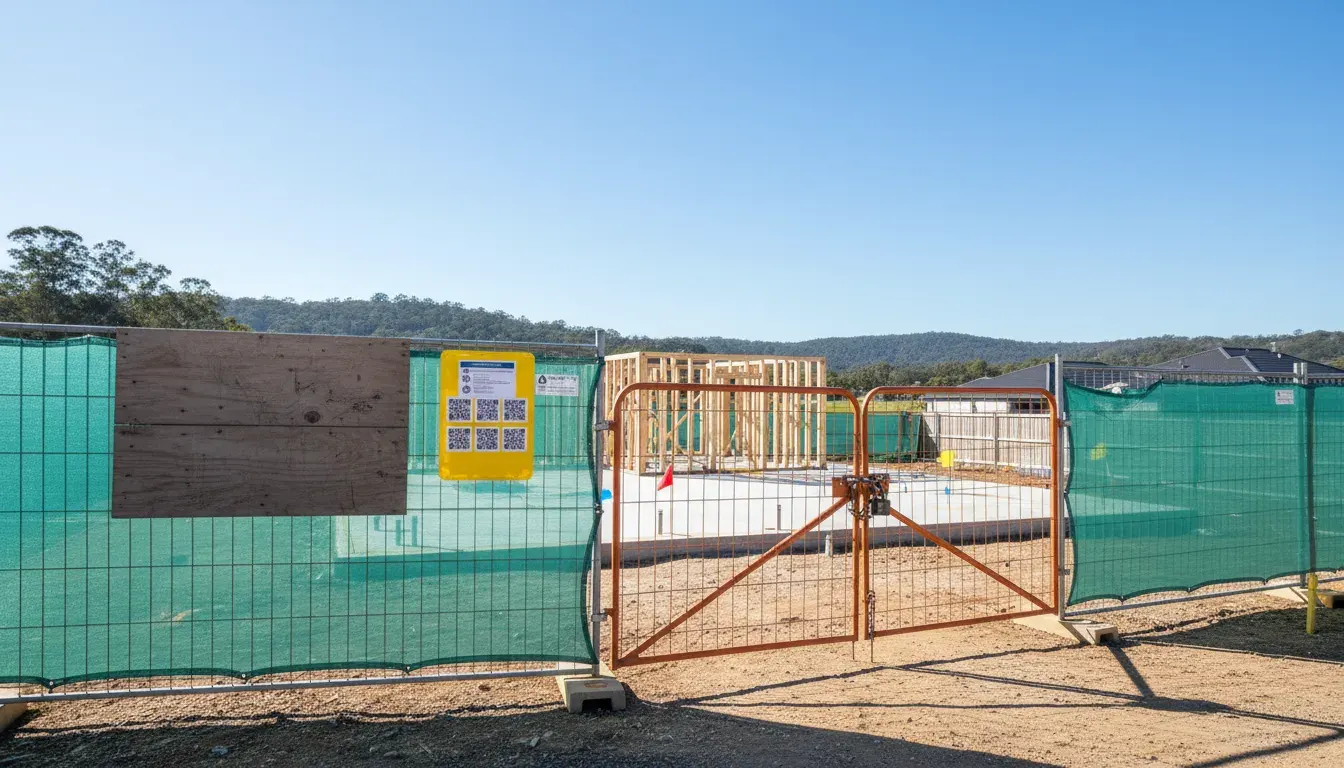
This guide is written for homeowners and first-time builders doing a volume-builder or custom build, plus investors and townhouse owners who want fewer surprises at handover.
What Independent Stage Inspections Do (And Don’t Do)
Independent stage inspections are a private, owner-engaged check of workmanship and build rsk at agreed milestones. They work alongside the mandatory inspections done by the building surveyor/certifier, not instead of them.
What They Do Well
They help you:
- Catch issues before they are covered up (wrap, plasterboard, tiles, cladding).
- Get photo evidence tied to locations and plan references.
- Prioritise defects so the supervisor can action them without guessing what matters.
- Reduce handover surprises by building a running defects register.
What They Do Not Do
They typically do not:
- Replace the certifier or building surveyor’s compliance role or mandatory inspection obligations. In NSW, for example, the principal certifier carries out mandatory inspections during construction.
- Override your contract, variations process, or progress payment clauses.
- Guarantee an outcome, or force a builder to adopt a specific product or method.
Independent Inspector vs Building Surveyor/Certifier
Keep this distinction clear when you talk to your builder:
- Certifier/surveyor: checks compliance with approvals and mandated inspection stages and can issue written directions to comply where required.
- Independent inspector: checks quality, workmanship, and risk areas that are easy to miss, then reports back to you with practical fix items.
14,564
Total dwellings approved
9,753
Private sector houses approved
$9.48b
Value of total residential building approved
Statistics reference: Building Approvals, Australia
Get a builder friendly stage inspection plan
Use our stage checklist to book the right hold points early and keep inspections smooth with your supervisor.
guide
When to Tell Your Builder
Timing drives everything. If you raise inspections late, you run into tight trade schedules and cover-up stages.
Best Case Timing: Pre-contract or Tender
If you are still negotiating or reviewing the tender pack, this is the smoothest time to add a simple process clause such as:
- You will engage an independent inspector.
- The builder will provide a booking pathway through the site supervisor.
- Notice period (often 48–72 hours).
- Inspections happen at agreed milestones and do not interfere with work.
Fallback Timing: Immediately After Contract, Before the First Hold Point
If the contract is already signed, tell the builder as soon as a supervisor is assigned and before the first cover-up stage. The first big hold point is often the pre-pour slab inspection.
A practical rule:
Tell them before slab, frame, waterproofing/tiling, and plasterboard. Those are the moments when defects become expensive because they get buried.
How to Tell Your Builder Without Creating Friction
If you want the least pushback, use “process + safety + early fix” language. Do not frame it as mistrust.
The Framing That Usually Lands Well
Use phrases like:
- “We are booking independent stage inspections as a normal risk-management step.”
- “The goal is to pick up issues early so they’re simpler to fix and less likely to delay trades later.”
- “We will follow your site safety rules and coordinate through the supervisor.”
Short Phone Script (30 seconds)
“Hi [Supervisor Name], just letting you know we’ll be doing independent stage inspections at key milestones. It’s a quality check for peace of mind, not a replacement for the certifier. We’ll give 48–72 hours notice, follow your induction and PPE rules, and we’ll send the report through promptly with prioritised items.”
Email Template to Introduce Your Inspector
Subject: Independent stage inspections for [Address] and site access process
Hi [Supervisor Name],
We’d like to arrange independent stage inspections at key milestones for our build at [Address]. These inspections are a workmanship and risk check to complement the certifier/surveyor’s mandatory compliance inspections.
To keep things simple and safe, we propose:
- 48–72 hours notice for bookings
- Inspections coordinated through you during normal site hours
- Inspector to comply with site induction, sign-in and PPE requirements
- Report issued with photos and prioritised items, shared with you the same day (where possible)
Proposed stages (we can adjust to your programme):
- Pre-pour slab
- Frame
- Waterproofing and/or pre-lining (before plasterboard)
- PCI (pre-handover)
Could you confirm the best contact method for bookings and any site access requirements (induction, PPE, supervision rules)?
Quick Meeting Agenda (10 minutes)
- Confirm the booking contact (supervisor vs office portal).
- Confirm required notice period.
- Confirm site induction/PPE and whether supervision is required.
- Confirm which stages the builder considers “no-go” times (high-risk activities).
- Confirm report handoff: who receives it and how rectification is tracked.
Site Access: Your Rights vs The Builder’s Safety Control
Most disputes happen here. Owners assume access is automatic. Builders assume everyone must follow strict site controls. Both can be true at the same time.
Why builders control access (WHS duties)
A building site is a workplace. Visitors have WHS responsibilities and must follow reasonable instructions and procedures.
Construction workplaces also use inductions and PPE rules to manage hazards. SafeWork Australia provides induction guidance that includes PPE checks and “no-go zone” awareness.
White Card and induction: What to expect
Many builders require anyone entering operational construction zones to hold general construction induction training (a White Card) or be managed under a visitor process.
SafeWork NSW explains White Card requirements and who may need one, including people accessing operational construction zones.
Your independent inspector should already have a White Card and PPE. You should still ask the supervisor what their site requires.
State access notes (examples)
Access rights vary by state and contract terms, so treat this as general information, not legal advice.
Victoria example: Consumer Affairs Victoria states that the builder must allow the owner and/or the owner’s agent reasonable access during construction (Domestic Building Contracts Act 1995, section 19).
Queensland example: Queensland legislation requires a building contractor to allow the consumer reasonable access to the building site upon request (QBCC Act, section 109).
The practical takeaway:
Even when “reasonable access” exists, the builder can still manage timing and safety so the visit does not create risk.
The Key Stages to Inspect (And What Gets Missed Most Often)
You can inspect many stages, but these are the checkpoints that tend to give the best value for most builds.
Stage 1: Slab Stage (pre-pour)
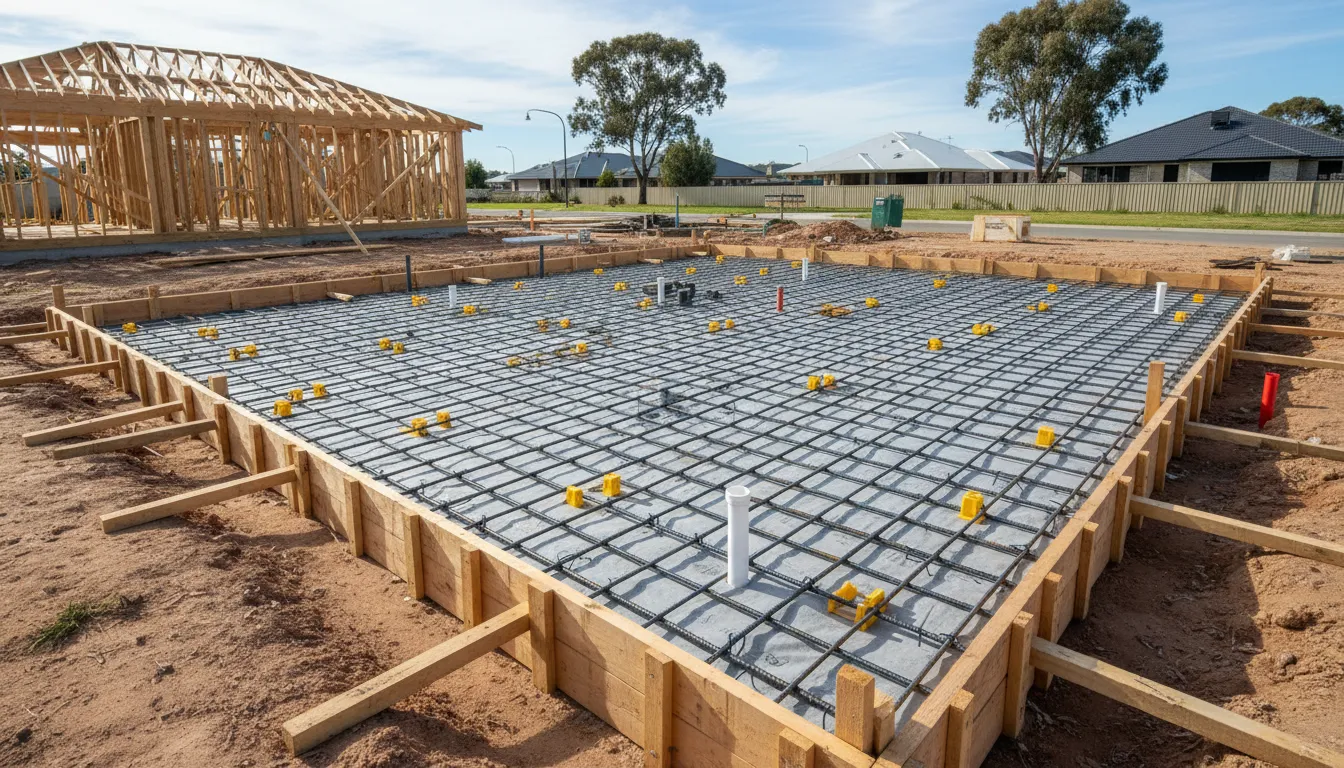
This is where problems become permanent fast. AS 2870 sets requirements for site classification and the design and construction of footing systems for houses and townhouses.
Common misses at slab stage:
- Set-out and dimensions drifting from plans.
- Reinforcement placement issues.
- Termite management details not matching the system requirements.
- Drainage and penetrations that create future water pathways.
Stage 2: Frame Stage (before wrap, cladding, and linings)
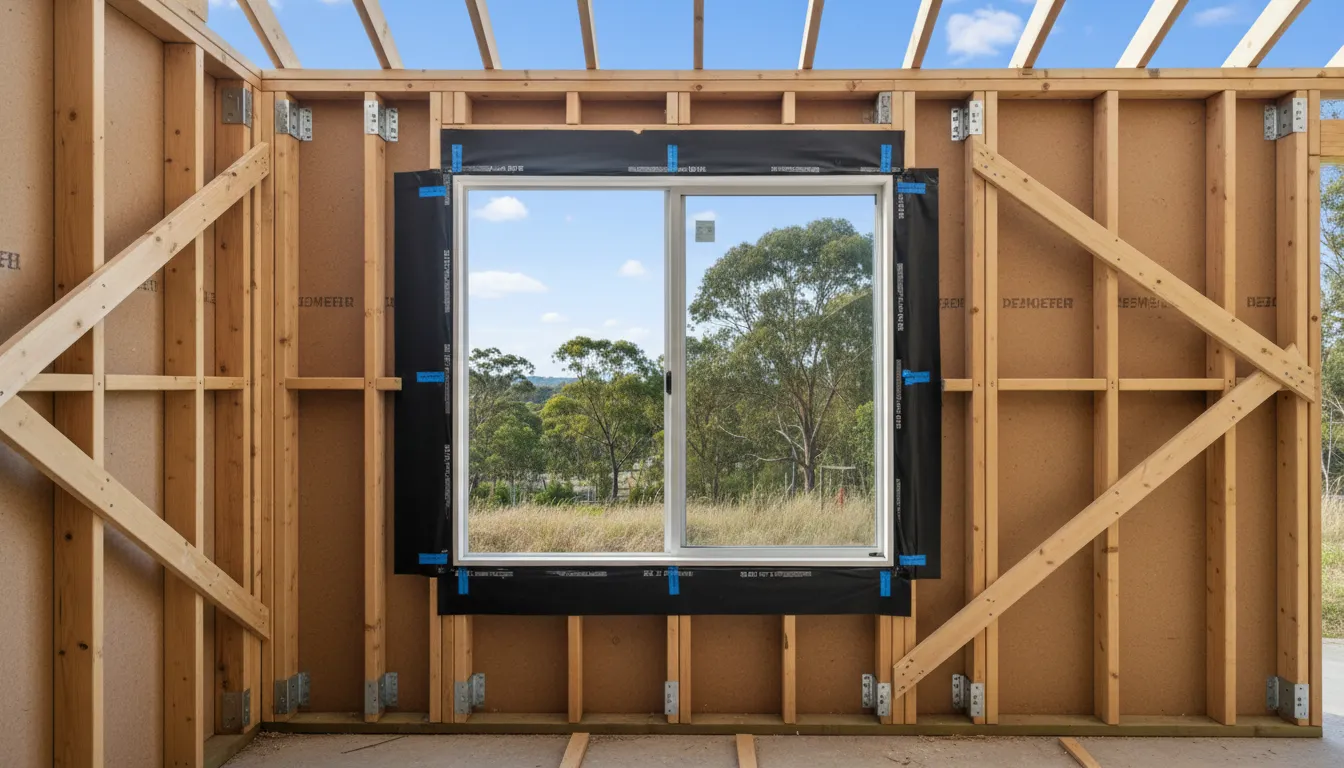
Frame defects often get hidden once wrap and cladding go on. This stage is also where weatherproofing details start to matter.
Common misses:
- Bracing and tie-down details not matching drawings.
- Openings not square, leading to window/door issues later.
- Flashings and sarking details rushed because trades are moving fast.
Stage 3: Waterproofing (wet areas) and NCC Requirements
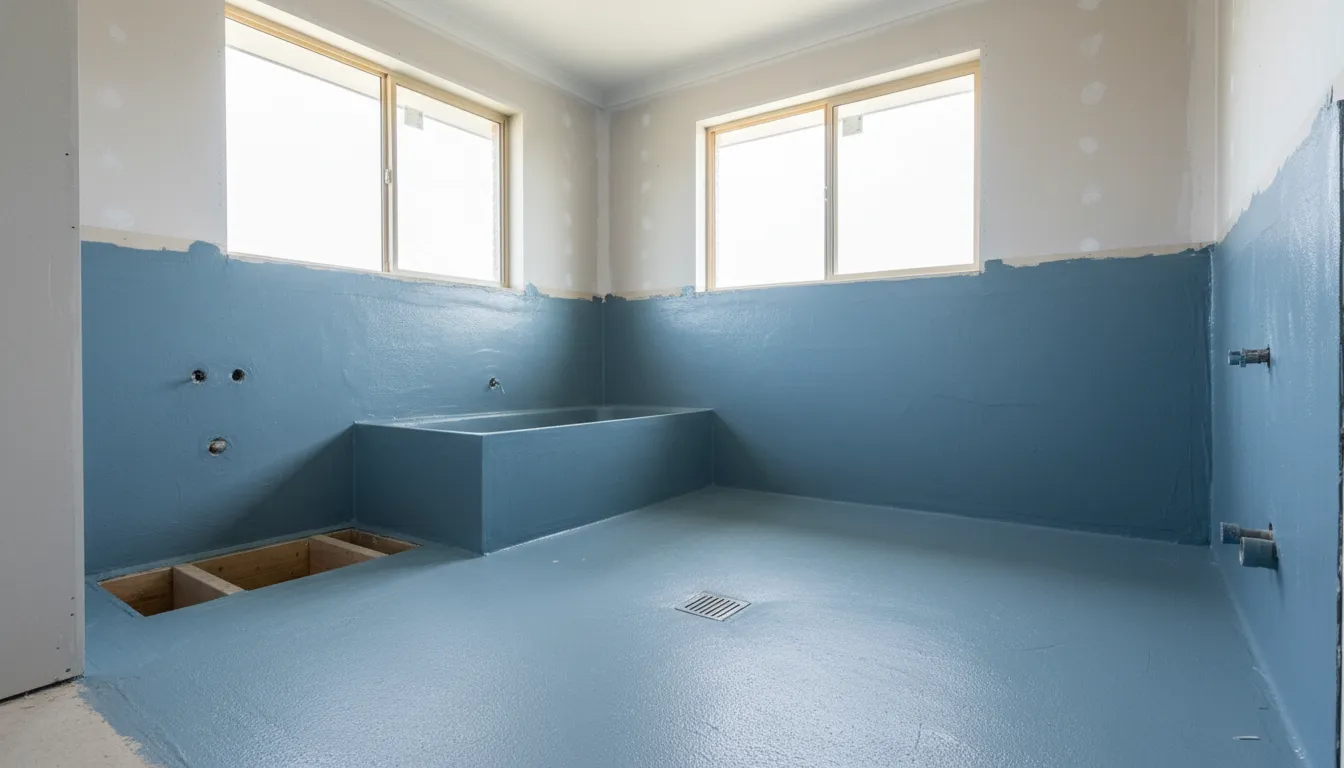
Wet areas are a high-risk zone for defects disputes. NCC Housing Provisions include specific wet area waterproofing requirements, including waterstops and waterproofing extents.
AS 3740:2021 sets minimum requirements for materials, design and installation of waterproofing for domestic wet areas.
Common misses:
- Membrane detailing at junctions, penetrations, and hobless showers
- Falls to wastes not achieved
- Waterstop positioning and continuity issues
Stage 4: Pre-lining (services before plasterboard)
This is often called pre-plaster. You want services visible:
- Plumbing rough-in
- Electrical rough-in
- Exhausts, penetrations, insulation placement where visible
- Wet area prep before linings close everything up
Common misses:
- Missing or poorly sealed penetrations
- Incomplete flashing and wrap integration
- Service runs that compromise framing or waterproofing zones
Stage 5: Lock-up (optional but useful)
Lock-up can be helpful for checking:
- External doors/windows installed and operating
- Weatherproofing continuity
- Visible external defects before finishes distract from them
Stage 6: PCI (practical completion inspection) or pre-handover
PCI turns a vague “handover list” into a structured defects register before final sign-off.
Common misses:
- Doors and windows binding
- Missing sealants or incomplete finishes
- Wet area functional checks and drainage issues
- Items that fall outside what owners think is included

Book independent stage inspections
We book around your build programme and provide clear, photo based reports your builder can action.
booking
Stage-by-stage Inspections Recommended Inclusions
| Stage | When to book | What’s checked | What evidence you get | Typical “high-cost later” defects |
|---|---|---|---|---|
| Slab (pre-pour) | Once formwork, reinforcement, penetrations are ready, before concrete | Set-out, prep, reinforcement, moisture/termite/drainage details (AS 2870 context) ([Standards Australia Store][1]) | Photos, notes by location, priority items | Slab movement risk, drainage problems, termite system gaps |
| Frame | Before wrap/cladding/linings cover the frame | Bracing/tie-downs, openings, straightness, roof framing, early flashing | Photos, marked-up items to fix | Out-of-square openings, structural tie-down issues, future leaks |
| Waterproofing | After membrane application, before tiling | Membrane detailing, junctions, penetrations, falls, waterstops (NCC + AS 3740) ([National Construction Code][2]) | Waterproofing defects list with photos | Water ingress, mould risk, re-tiling later |
| Pre-lining | After rough-ins, before plasterboard | Services, penetrations sealing, wrap continuity, insulation where visible | Services checklist + photos | Hidden leaks, drafts, noise, missing sealing |
| Lock-up (optional) | Once external envelope is closed | Windows/doors, weatherproofing, visible external defects | Photos + action list | Leak pathways behind cladding, door/window defects |
| PCI / pre-handover | Near practical completion, before final sign-off | Defects register, operational checks, finishes vs tolerances | Full defects list, severity ranking | Cosmetic disputes, incomplete items, rework after move-in |
How to Handle Defects and Reports so They Lead to Fixes
A good report is only useful if it produces a clean, trackable rectification process.
Step 1: Use severity triage that a supervisor can act on
A simple severity system helps the builder respond fast:
- Safety or structural risk
- Water ingress risk
- Functional defects
- Cosmetic items
You can also reference common standards and tolerances guides used in your state. NSW provides a Guide to Standards and Tolerances for minimum workmanship references.
QBCC also publishes a Standards and Tolerances guide intended to align with NCC and relevant standards.
Defect severity guide
| Severity | What it means | Examples | How fast to act |
|---|---|---|---|
| Structural/safety risk | Could affect structural integrity or safety | Major frame tie-down concerns, unsafe stairs/guards | Raise same day, request site meeting |
| Water ingress risk | Likely leak pathway now or later | Waterproofing detailing gaps, flashing failures | Raise within 24–48 hours, before cover-up |
| Functional defect | Affects operation or performance | Binding doors/windows, poor drainage falls | Raise promptly, track for re-check |
| Cosmetic/tolerance | Visual finish issues within tolerance debate | Paint blemishes, minor chips | Bundle for PCI list unless severe |
Step 2: Send a “request for rectification” in a consistent format
Keep it practical:
- Reference the stage and date
- List items by location (Bathroom 1, Bed 3, rear elevation)
- Include photos with labels
- Ask for a proposed rectification date or sequence
Step 3: Re-inspection protocol
A simple re-check process avoids arguments:
- Builder confirms items are ready for re-check
- Inspector re-attends and marks items closed or still open
- Defects register updated and shared
Builder Communication Plan
| Date/trigger | Who you contact | What you send | Expected response time | Escalation step |
|---|---|---|---|---|
| Contract signed or supervisor assigned | Site supervisor | Intro email + proposed stages + safety compliance | 2–5 business days | Follow up call, ask for booking pathway |
| Two weeks before slab pre-pour window | Supervisor or bookings | Request slab inspection slot, confirm notice period | 1–2 business days | Ask for written confirmation of pour date |
| Frame complete notice | Supervisor | Book frame inspection, confirm access | 1–2 business days | Ask for a brief site window outside high-risk tasks |
| Waterproofing booked | Supervisor | Book waterproofing inspection before tiling | 24–48 hours | Escalate to construction manager if stage is about to be covered |
| PCI window set | Supervisor + admin | Book PCI, request handover checklist if available | 2–5 business days | Confirm in writing and request alternate time if refused |
Common Flashpoints And How to Avoid Them
“We already have a certifier”
Reply with: “Understood. This is a separate workmanship and risk check for our peace of mind. We’ll coordinate it so it doesn’t disrupt your programme.” This keeps the distinction clear without arguing.
Builder refuses access or demands supervision
Start with a calm reset:
- Confirm you are authorising the inspector as your agent.
- Confirm you will comply with induction and PPE rules.
- Offer a short inspection window when high-risk work is not happening.
If you are in Victoria or Queensland, you can point to “reasonable access” concepts as general guidance while still acknowledging WHS controls.
Report tone causes defensiveness
Ask your inspector for:
- Factual language
- Photos and locations
- Prioritised items R- eferences to relevant requirements where appropriate (NCC, AS 3740, AS 2870)
Timing clashes with progress payment milestones
Try to book inspections to match the build programme’s natural hold points. When the inspection is late, defects become arguments about time, not quality.
A Practical Timeline Checklist (Mid-year to Q3 Starts)
Use this as a planning checklist if your build begins around mid-year through to the September quarter.
- Tender or pre-contract: confirm inspection stages and notice period in writing
- Contract signed: email supervisor with the inspection process and stages Pre-slab: book once reinforcement and prep are close to ready
- Frame: book as soon as the frame is complete, before wrap and linings
- Waterproofing: book immediately when waterproofing is scheduled, before tiling
- Pre-lining: book when rough-ins are complete, before plasterboard Optional lock-up: book when the external envelope closes
- PCI: book when practical completion is approaching, before final sign-off
Request a stage inspection schedule and quote
Send your build start date and builder details and we will help you plan the right inspection windows.
If you want a builder-friendly inspection plan, Owner Inspections can map your build programme to the right hold points and help you book checks at the stages that get covered fastest.
Frequently Asked Questions
Do I need to tell my builder I’m hiring an independent inspector?
Yes. Tell them early and in writing so inspections can be scheduled safely and without delaying trades. Explain it’s a workmanship and risk check that complements (not replaces) the certifier/surveyor’s compliance role, and confirm you’ll follow site induction and PPE requirements.
When’s the best time to raise it, before or after signing the contract?
Before signing is best. If the contract is already signed, raise it immediately and before the slab and frame stages. Early notice avoids friction when trades are booked tight and key elements are about to be covered.
Can my builder refuse site access for my inspector?
It depends on your state and contract, but many jurisdictions recognise owner or owner’s agent “reasonable access” while builders still manage WHS controls. Even where access rights exist, visits are typically coordinated around inductions, PPE and not interfering with work.
Do I need a White Card to visit the site with my inspector?
Often yes, or the builder may require a visitor process under supervision. Building sites are workplaces and builders have WHS duties, so expect sign-in, induction and PPE rules. Your inspector should already have a White Card and bring PPE.
Is an independent inspector the same as the building certifier or surveyor?
No. Certifiers or surveyors carry out mandatory compliance inspections tied to approvals and regulations. Independent inspectors focus on workmanship, quality and risk areas that are easy to miss and easy to hide.
What stages should I inspect at minimum?
A common minimum set is pre-pour slab, frame, waterproofing or pre-lining (before plasterboard), and PCI (pre-handover). These are the stages where defects are cheapest to fix before they’re covered.
What should I ask the inspector to include in reports?
Ask for photos, exact locations, a clear severity rating, and practical fix notes. Reports that separate cosmetic items from functional issues and water-ingress risk are easier for supervisors to action quickly.
Should I send the report to the builder or keep it private?
Share it with the site supervisor promptly, focusing on clear rectification requests rather than blame. The goal is early fixes. Keep communication factual, attach photos, and propose a simple re-inspection window after rectification.
Will this slow my build down?
Not if inspections are booked around agreed hold points with a clear notice period. Delays usually happen when issues are found after they’re covered and require rework. Early inspections often reduce rework risk.
What if my builder says “our certifier already checks everything”?
A certifier’s inspections aren’t the same as a detailed workmanship or quality audit. Keep it cooperative: “This is our extra peace-of-mind process and we’ll coordinate it to avoid disruption.”
What if the inspector finds serious defects, can I stop a progress payment?
Don’t assume. Payment rights depend on your contract and state rules. Use the report to request rectification and document timelines. If it becomes a dispute, seek guidance from your regulator or get qualified advice.
How do I write the email to introduce my inspector?
Keep it cooperative. Confirm you’ll follow safety rules, provide a notice period, list the proposed stages, include the inspector’s licence and insurance details (where applicable), and ask for the supervisor’s preferred booking process.