
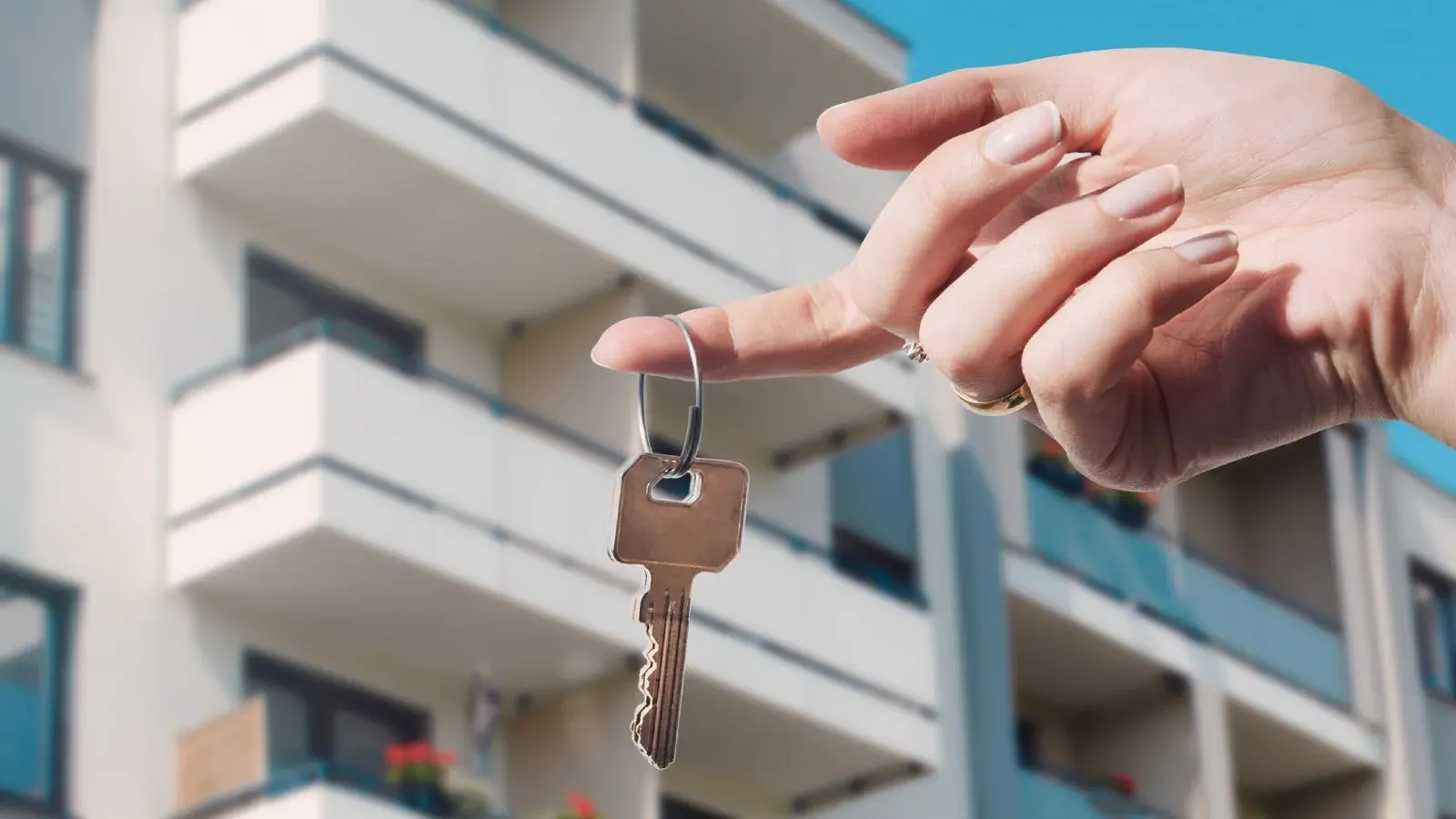
Australia's property market has seen major shifts over the past two decades. Urban densification, rising land prices, and changing household sizes have made this decision more relevant than ever. Whether you are a first-time buyer in Sydney, a property investor in Melbourne, or a family looking to settle in Brisbane, understanding the real differences between houses and apartments will help you make a decision based on facts rather than assumptions.
First-Time Buyers: Weighing Houses Against Apartments
Buying your first property in Australia is a significant step. For many first-home buyers, the decision between a house and an apartment shapes not just where you live, but your financial position for years to come.
Why First-Time Buyers Choose Houses
- Space: Houses generally offer larger living areas with separate rooms for different uses, giving flexibility as your needs change
- Garden and outdoor areas: A backyard is a major draw for families, pet owners, and anyone who enjoys outdoor living
- Autonomy: House owners make their own decisions about renovations, extensions, and property changes without needing body corporate approval
- The Australian dream: Owning a standalone home with a yard remains a deeply held aspiration for many Australians
Why First-Time Buyers Choose Apartments
- Affordability: Apartments typically have a lower purchase price, making them more accessible for those entering the market
- Convenience: Many apartments are located near city centres, public transport, and everyday amenities
- Modern amenities: Apartment complexes often include gyms, pools, rooftop gardens, and communal spaces
- Security: Features like intercom systems, secured entry, and on-site management provide added peace of mind
Comparing Lifestyle: Apartment vs House
Your day-to-day living experience differs considerably depending on the property type you choose.
Pros
- Greater privacy and separation from neighbours
- Freedom to renovate, extend, and modify the property
- Ideal for families with children and pets
- Outdoor space for entertaining, gardening, and recreation
Cons
- Closer proximity to neighbours, with shared walls and common areas
- Renovation and modification restrictions under strata by-laws
- Limited outdoor space, though balconies and shared gardens can help
- Body corporate rules may restrict pet ownership or noise levels
That said, apartment living also offers genuine advantages. Being close to cafes, restaurants, public transport, and workplaces suits those who prefer an urban lifestyle. Shared maintenance responsibilities mean less weekend work. Many modern apartments are designed with energy efficiency in mind, reducing running costs.
Capital Growth: Houses vs Apartments
One of the most common questions property buyers ask is whether houses grow in value faster than apartments. The data tells a clear story, but it is not as one-sided as many people assume.
According to CoreLogic, over the past 25 years, house values have grown at an annual rate of approximately 6.8%, while unit values have grown at approximately 5.9%. The difference is real but narrower than many expect.
| Houses | Apartments | |
|---|---|---|
| Annual Capital Growth (25-year average) | Approximately 6.8% per year | Approximately 5.9% per year |
| Primary Growth Driver | Land value appreciation | Location premium and demand |
| Expansion Potential | Extensions, renovations, and subdivisions can add value | Limited to internal upgrades within strata by-laws |
| Oversupply Risk | Lower risk due to limited land availability | Higher risk in areas with large-scale development |
| Heritage or Scarcity Premium | Older homes in established suburbs can command higher prices | Art deco or heritage-listed apartments may carry a premium |
Units sold for $100,000 fifteen years ago would undoubtedly fetch a significantly higher price today. The idea that apartments do not experience capital growth is a myth. Location, building quality, and local supply dynamics matter more than the property type alone.
Investment Returns: Rental Yields and Costs
Investors need to look beyond capital growth and consider rental yields, ongoing costs, and the tenant market for each property type.
Houses as Investments
- Rental yields: Houses in suburban growth areas attract stable, family-oriented tenants who tend to stay for longer periods
- Renovation potential: The freedom to upgrade kitchens, bathrooms, and outdoor areas can increase rental income and resale value
- Land appreciation: The land component provides a solid base for long-term value growth
- No body corporate fees: Ongoing costs do not include strata levies, though maintenance is entirely the owner's responsibility
Apartments as Investments
- Higher initial yields: Apartments in urban areas often offer higher rental returns as a percentage of purchase price due to strong demand from professionals and students
- Lower upfront costs: A lower purchase price means a smaller deposit and reduced stamp duty
- Diverse tenant pool: Proximity to transport, universities, and employment hubs attracts a wide range of renters
- Reduced personal maintenance: External upkeep is managed through the body corporate or owners corporation
Cost Comparison: Houses vs Apartments
Understanding the full cost picture helps avoid surprises after purchase.
| Houses | Apartments | |
|---|---|---|
| Median Purchase Price (Capital Cities) | $850,000 to $1,200,000+ depending on city and suburb | $500,000 to $750,000+ depending on city and location |
| Strata / Body Corporate Fees | None | $1,500 to $8,000+ per year depending on facilities |
| Maintenance Responsibility | Owner handles all repairs, gardening, and external upkeep | Common areas managed by body corporate; owner responsible for internal maintenance |
| Insurance | Full building and contents insurance required | Building insurance typically included in strata levies; contents insurance separate |
| Council Rates | Higher due to land size | Lower on average |
Inspection Considerations for Each Property Type
Regardless of whether you choose a house or an apartment, a professional building inspection is one of the smartest steps you can take before purchasing.
House Inspections
A pre-purchase building inspection for a house typically covers the full structure including the roof, subfloor, walls, plumbing, electrical systems, and any external structures such as garages, decks, and fences. A timber pest inspection is strongly recommended, particularly in Queensland and NSW where termite activity is high.
Apartment Inspections
For apartments, an apartment pre-settlement inspection checks for defects in finishes, fixtures, waterproofing, windows, doors, and common areas. A strata report review is also recommended to understand the financial health of the building, any planned special levies, and the history of defect claims.
Common defects found in newer apartment buildings include waterproofing failures, cracking, poor tiling, and defective window seals. A qualified inspector can identify these issues before you commit to a purchase.
Key Takeaways
- Houses offer more space, land ownership, and long-term capital growth averaging 6.8% annually over 25 years.
- Apartments provide lower entry costs, urban convenience, and often higher rental yields in city locations.
- Capital growth for apartments (5.9% annually) is lower than houses but still substantial, especially in prime locations.
- Body corporate fees for apartments can range from $1,500 to over $8,000 per year depending on the building's facilities.
- First-time buyers should weigh their budget, lifestyle preferences, and future plans when making this decision.
- A professional building inspection is recommended for both property types before purchase.
- Investment decisions should consider total costs including strata levies, maintenance, insurance, and council rates, not just the purchase price.
Frequently Asked Questions
What are the main benefits of buying a house over an apartment in Australia?
Houses offer more living space, a private outdoor area, full autonomy over renovations and modifications, and generally stronger long-term capital growth due to land ownership. They are well suited to families, pet owners, and buyers who value privacy and flexibility.
How do capital growth rates compare between houses and apartments?
Over the past 25 years, house values in Australia have grown at approximately 6.8% per year, while apartment values have grown at approximately 5.9% per year according to CoreLogic. The gap narrows in premium locations where apartments are in high demand and limited supply.
Are apartments generally located closer to city centres than houses?
Yes. Apartments are more commonly found in and around city centres, near public transport, employment hubs, and amenities. This makes them attractive for professionals, students, and anyone who prefers an urban lifestyle with shorter commute times.
What are the key differences in maintenance costs between houses and apartments?
Apartments typically have lower personal maintenance costs because external upkeep is managed through the body corporate. However, owners pay quarterly strata levies that can range from $1,500 to over $8,000 per year. Houses have no strata fees, but the owner is responsible for all maintenance including the roof, garden, driveway, and external structures.
Why might investors choose apartments over houses in certain areas?
Apartments in urban areas often offer higher initial rental yields relative to the purchase price. They also come with lower entry costs, reduced personal maintenance obligations, and access to a diverse tenant pool including professionals and students. In high-demand city locations, apartments can deliver strong total returns.
Are there property laws in Australia that affect whether I should buy a house or an apartment?
Yes. Strata regulations vary by state and affect apartment owners. In NSW, the Strata Schemes Management Act 2015 governs body corporate obligations and by-laws. In Victoria, the Owners Corporations Act 2006 applies. Understanding these laws is important before buying an apartment, as they determine what modifications you can make, how disputes are resolved, and what fees you will pay.
How does lifestyle differ between living in an apartment and a house?
Apartment living suits those who prefer proximity to city amenities, lower maintenance, and a more compact lifestyle. House living offers more space, privacy, outdoor areas, and the freedom to personalise your property. The best choice depends on your daily routine, family size, and personal preferences.
What should first-time buyers consider when choosing between a house and an apartment?
First-time buyers should assess their budget and borrowing capacity, preferred location, lifestyle needs, future family plans, and investment goals. It is also worth factoring in ongoing costs such as strata levies for apartments or maintenance costs for houses, as these affect long-term affordability.
Which property type is a safer long-term investment: houses or apartments?
Houses have historically shown stronger capital growth due to land ownership, but apartments in prime locations can also deliver substantial returns. The best investment depends on the specific suburb, building quality, local supply and demand dynamics, and your investment strategy. Neither is universally safer than the other.
Do I need a building inspection for an apartment purchase?
Yes. An apartment pre-settlement inspection checks for defects in finishes, fixtures, waterproofing, windows, and doors. Reviewing the strata report is also recommended to understand the building's financial health and any history of defect claims. These inspections protect you from inheriting costly problems after settlement.
References and Resources
- CoreLogic Australia - Property value data and market analysis
- NSW Fair Trading - Strata Schemes - Strata regulations in NSW
- Consumer Affairs Victoria - Owners Corporations - Owners corporation rules in Victoria
- Australian Bureau of Statistics - Housing - Housing and demographic data
- Queensland Building and Construction Commission (QBCC) - Building standards and consumer protection in QLD
Related Articles
Pre-Purchase Inspection Checklist for Buyers
A pre-purchase inspection checklist helps buyers assess property condition before committing. Covers structural, electrical, plumbing, roofing, and pest checks.

Common Defects in Off the Plan Apartments
Off-the-plan apartments frequently contain defects ranging from waterproofing failures and structural cracking to cosmetic issues and non-compliant finishes. This guide covers the most common defects, how to identify them, and your rights as a buyer in Australia.

What Buyers Look for in Pre-Sale House Inspections
As property values rise across major cities, inspections uncover hidden structural issues, outdated systems, and health hazards before purchase. Learn what buyers check.
Whether you are buying a house or an apartment, a professional building inspection gives you confidence before signing. Owner Inspections provides pre-purchase inspections, apartment pre-settlement inspections, and strata report reviews across NSW, Victoria, and Queensland. Get a quote today or call us on 1300 471 805.