
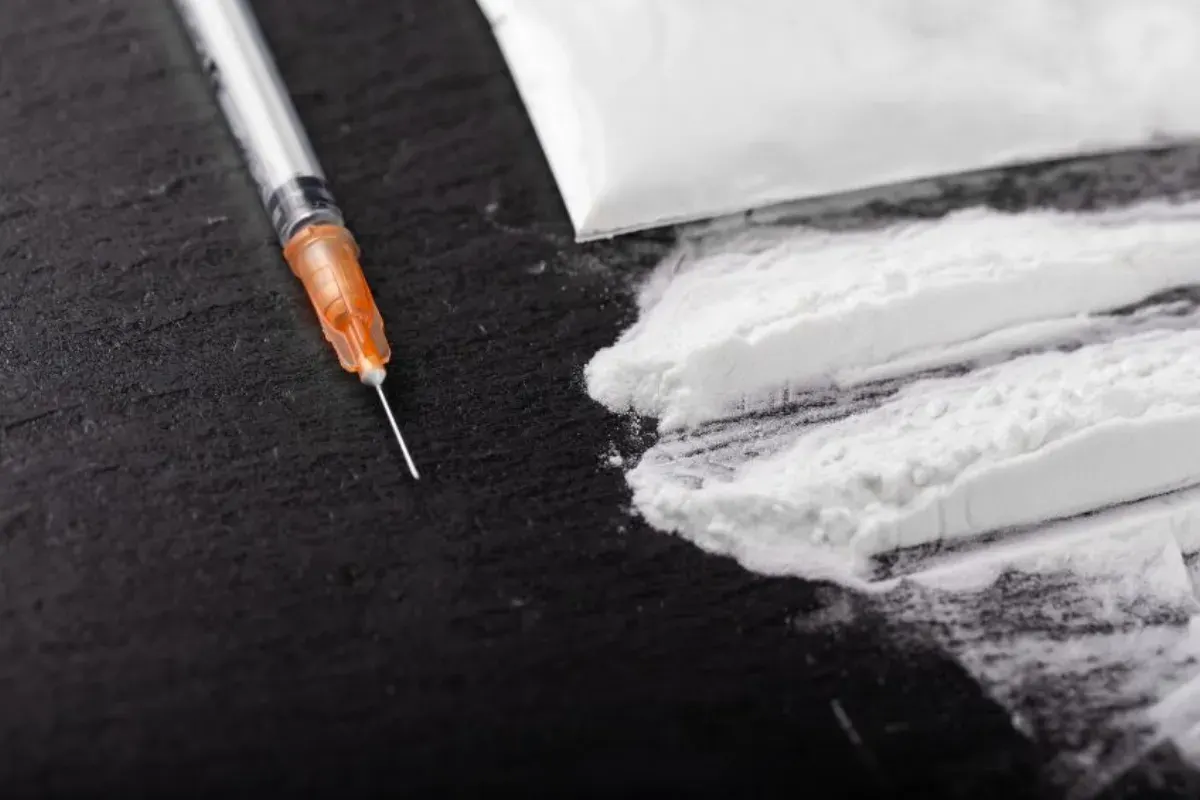
These residues accumulate on surfaces throughout the property, embedding themselves into walls, carpets, curtains, and ventilation systems. Without proper testing and remediation, occupants can be exposed to these chemicals through skin contact, inhalation, and ingestion, often without realising the source of their health problems.
Methamphetamine residues can remain in a property for years after the last exposure event. Standard cleaning methods are not sufficient to remove contamination, and professional testing is the only reliable way to confirm whether a property is safe for habitation.
Types of Drug Residues Found in Homes
While a range of illicit substances can leave behind residues, methamphetamine is by far the most common contaminant found in Australian homes. Its chemical properties make it particularly persistent and difficult to remove.
Methamphetamine
Methamphetamine, commonly referred to as meth, ice, or crystal meth, is the primary drug residue of concern in Australian properties. When smoked or manufactured inside a home, methamphetamine vapour settles on virtually every surface. The chemical compounds bind to porous materials such as plasterboard, carpet, timber, and soft furnishings, making standard cleaning ineffective.
Australian guidelines set the safe residue level for methamphetamine at 0.5 micrograms per 100 square centimetres. Properties exceeding this threshold require professional remediation before they can be considered safe for habitation.
Heroin
Heroin residues can also be present in properties where the drug has been used or prepared. While less common than methamphetamine contamination, heroin residues can settle on surfaces and pose health risks through skin absorption and inhalation of contaminated dust particles.
Cocaine
Cocaine residues are less frequently encountered in Australian residential properties compared to methamphetamine. However, in properties where cocaine has been used regularly, fine powder residues can accumulate on surfaces and within ventilation systems.
Methamphetamine is the most common drug residue found in Australian homes, but any property where illicit substances have been used or manufactured may harbour harmful chemical residues that require professional assessment.
How Drug Residues Contaminate a Property
Understanding how drug residues enter and persist in a property is essential for recognising the risk and knowing where contamination is likely to be concentrated.
Manufacturing (Clandestine Laboratories)
Properties used for manufacturing methamphetamine, known as clandestine labs or clan labs, experience the highest levels of contamination. The chemical process involved in producing methamphetamine generates toxic byproducts including hydrochloric acid, phosphine gas, and volatile organic compounds. These chemicals permeate every surface and material in the property, often requiring extensive remediation or in some cases demolition.
Smoking and Use
The more common source of contamination, responsible for approximately 80% of positive test results, is drug use within the property. When methamphetamine is smoked, the heated vapour disperses throughout the room and settles on walls, ceilings, floors, soft furnishings, and air conditioning systems. Repeated use leads to a cumulative buildup of residues that can exceed safe levels.
- Vapour from smoking methamphetamine settles on all surfaces in the room and adjacent rooms
- Residues accumulate in carpet fibres, underlay, curtains, and upholstered furniture
- Air conditioning and ventilation systems can distribute contamination throughout the entire property
- Porous materials such as plasterboard and timber absorb residues deeply, making surface cleaning ineffective
Health Risks of Drug Residue Exposure
Exposure to drug residues in a contaminated property can cause a range of health effects, from mild short-term symptoms to serious long-term conditions. The severity of health impacts depends on the level of contamination, the duration of exposure, and the vulnerability of the occupants.
Short-Term Health Effects
Occupants of contaminated properties often experience symptoms that they may initially attribute to other causes. Common short-term effects include:
- Skin irritation, rashes, and unexplained dermatitis from contact with contaminated surfaces
- Respiratory problems including coughing, wheezing, shortness of breath, and throat irritation
- Persistent headaches and dizziness
- Nausea and stomach discomfort
- Eye irritation and watering
- Fatigue and general malaise
Long-Term Health Effects
Prolonged exposure to methamphetamine residues and the chemical byproducts of drug manufacturing poses more serious health risks:
- Increased cancer risk from chronic exposure to toxic chemicals associated with methamphetamine production
- Adverse effects on child development, including neurological, behavioural, and developmental problems in children living in contaminated homes
- Chronic respiratory conditions including persistent asthma and reduced lung function
- Liver and kidney damage from prolonged chemical exposure
- Immune system suppression leading to increased susceptibility to illness
Children are particularly vulnerable to drug residue exposure. Their smaller body weight, higher respiration rates relative to body size, and tendency to touch surfaces and put hands in their mouths mean they absorb proportionally higher doses of contaminants than adults.
When to Test for Drug Residues
There are several situations where drug residue testing should be considered an essential part of your due diligence.
The Drug Residue Testing Process
Professional drug residue testing follows a systematic process designed to accurately determine whether a property is contaminated and to what extent.
Initial Assessment
The testing professional conducts a visual inspection of the property, noting any signs of potential contamination such as chemical staining on surfaces, unusual discolouration, modified ventilation systems, or chemical odours.
Sample Collection
Swab samples are collected from multiple locations throughout the property. Standard practice involves taking samples from walls, ceilings, floors, kitchen surfaces, bathroom surfaces, and air conditioning vents. The swab test method involves wiping a defined area of 100 square centimetres with a specialised collection pad.
Laboratory Analysis
Samples are sent to a NATA-accredited laboratory for analysis. The laboratory tests for the presence and concentration of methamphetamine and other drug residues, reporting results in micrograms per 100 square centimetres.
Results and Reporting
A detailed report is provided showing the contamination levels at each sampling location. Results are compared against the Australian guideline value of 0.5 micrograms per 100 square centimetres for methamphetamine. The report includes recommendations for remediation if contamination exceeds safe levels.
Remediation of Contaminated Properties
When a property tests positive for drug residues above the safe threshold, professional remediation is required. The scope and cost of remediation depend on the level and extent of contamination.
| Contamination Source | Typical Remediation Cost |
|---|---|
| Drug use (smoking) | $3,500 to $15,000 |
| Drug manufacturing (clandestine lab) | $15,000 to $50,000 or more |
Remediation typically involves removing and disposing of contaminated materials such as carpet, underlay, curtains, and in severe cases plasterboard. Remaining surfaces are cleaned using specialist chemical treatments. Following remediation, the property must be retested to confirm that residue levels have been reduced below the safe threshold before it can be reoccupied.
Frequently Asked Questions
Which areas of a home are most commonly contaminated with drug residues?
The most commonly contaminated areas include living rooms, bedrooms, kitchens, and bathrooms where drug use typically occurs. Air conditioning and ventilation systems can also harbour significant residues and distribute contamination throughout the entire property. Carpet, soft furnishings, and plasterboard walls tend to absorb and retain the highest levels of residue.
Can drug residues be detected during a standard building inspection?
No. Standard building inspections do not include testing for drug residues. A separate, specialised drug residue test using swab sampling and laboratory analysis is required. While a building inspector may notice visual indicators of drug activity during a general inspection, only a dedicated drug residue test can confirm whether contamination is present and at what level.
How long do drug residues persist in a property?
Methamphetamine residues can persist in a property for many years after the last exposure event. The chemical compounds bind to porous building materials and are resistant to standard cleaning products. Without professional remediation, contamination levels remain largely unchanged over time.
Are there visible signs of drug contamination in a property?
In some cases, yes. Properties used for drug manufacturing may show chemical staining on walls, floors, and benchtops, unusual discolouration of surfaces, modified ventilation or exhaust systems, and strong chemical odours. However, properties contaminated through drug use alone rarely show any visible signs. This is why professional testing is essential.
Can I live in my home during drug residue remediation?
No. It is not safe to occupy a property during the remediation process. The removal of contaminated materials and the application of chemical treatments can release concentrated levels of contaminants into the air. Occupants should vacate the property until remediation is complete and clearance testing confirms that residue levels are below the safe threshold.
Does painting over contaminated surfaces remove drug residues?
No. Painting over contaminated surfaces does not remove drug residues. While a coat of paint may temporarily seal the surface, methamphetamine residues can leach through paint over time, particularly in warm conditions. Proper remediation requires the removal of contaminated materials or treatment with specialist decontamination products before any repainting.
Are landlords required to disclose drug contamination to tenants?
In most Australian states and territories, landlords are required to disclose known material facts about a property, which would include known drug contamination. In practice, many landlords may not be aware of contamination if testing has not been conducted. Tenants concerned about potential contamination can arrange their own testing or request that the landlord provide a clearance certificate.
Does home insurance cover drug residue remediation?
Most standard home insurance policies do not cover drug residue remediation. Some specialist landlord insurance policies may include limited coverage for contamination caused by tenants, but this varies between providers and policies. It is important to check the specific terms and exclusions of your insurance policy and discuss coverage options with your insurer.
How much does drug residue testing cost in Australia?
The cost of drug residue testing typically ranges from $300 to $800 depending on the size of the property and the number of samples collected. A basic screening test with a small number of samples is at the lower end, while a comprehensive assessment covering multiple rooms and surfaces costs more. This is a small investment compared to the potential health and financial consequences of undetected contamination.
Can drug residues affect the value of a property?
Yes. Confirmed drug contamination can significantly affect property value. Buyers and tenants are increasingly aware of the risks, and a property with a history of drug contamination may be more difficult to sell or rent. However, a property that has been professionally remediated and has a clearance certificate demonstrating residue levels below the safe threshold should not be materially affected in value.
Key Takeaways
- Approximately 16% of homes tested each month in Australia return positive results for methamphetamine residues
- 80% of contaminated properties result from drug use (smoking) rather than manufacturing
- Methamphetamine residues bind to porous surfaces and persist for years without professional remediation
- Short-term health effects include skin irritation, respiratory problems, and headaches
- Long-term exposure poses risks including cancer, child developmental issues, and chronic respiratory conditions
- Professional swab testing with laboratory analysis is the only reliable way to detect contamination
- Remediation costs range from $3,500 for use-related contamination to $50,000 or more for former clandestine labs
- Standard cleaning and painting over surfaces do not remove drug residues
References and Resources
Related Articles
A Comprehensive Guide to House Inspections
House inspections are detailed professional assessments evaluating structural integrity, safety systems, and component functionality. Learn everything you need to know.
Pre-Purchase Inspection Checklist for Buyers
A pre-purchase inspection checklist helps buyers assess property condition before committing. Covers structural, electrical, plumbing, roofing, and pest checks.

What Does a Building Inspection Cover?
Building inspections serve as a critical investment safeguard, examining structural integrity, electrical systems, plumbing, and more before property purchase.
Concerned About Drug Residues in Your Property?
Protect your family and your investment with professional drug residue testing. Our qualified inspectors provide comprehensive testing and clear reporting to give you peace of mind.