
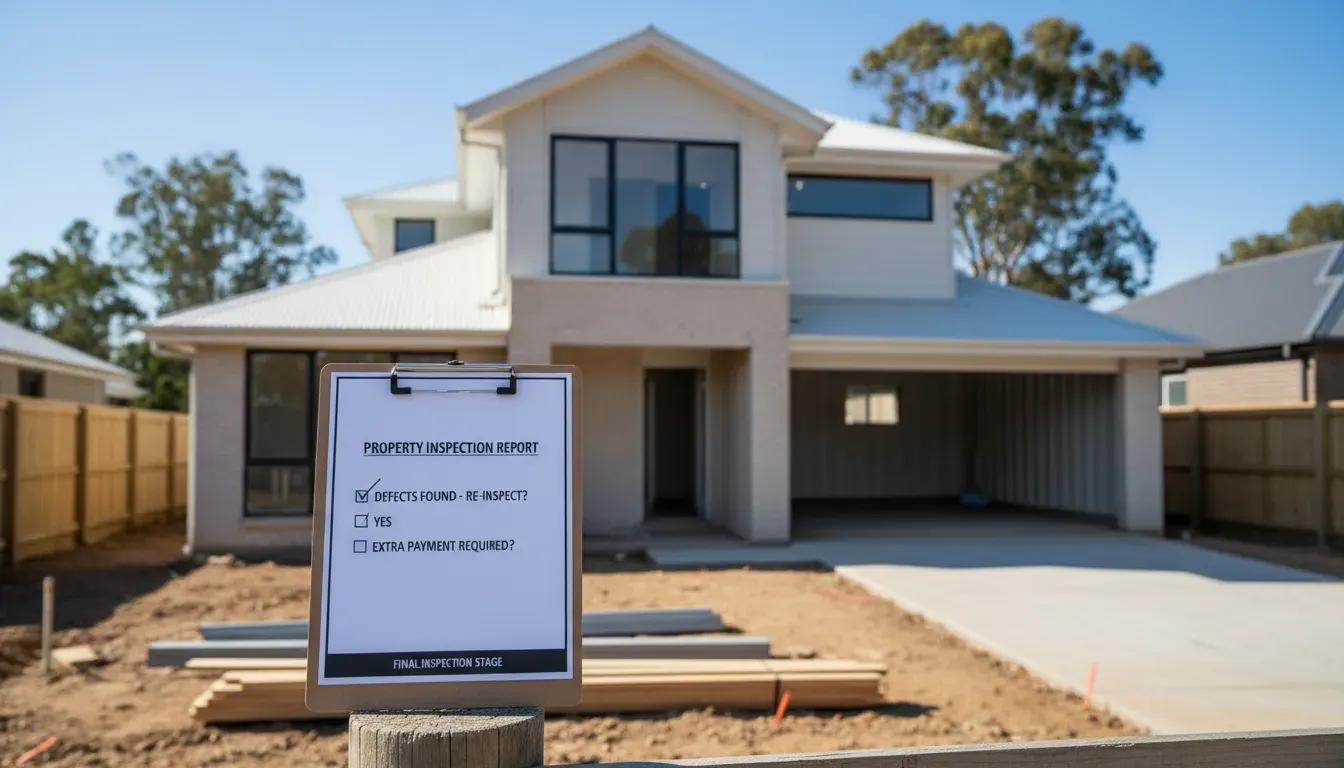
What happens next when your stage inspector flags defects? Do you just forward the report to the builder and hope it gets fixed, or does someone actually come back to verify the work before it’s covered up?
If you’re building with a volume builder (or buying a turnkey build), this is the part that can feel murky. The build keeps moving, plaster is about to go on, and you’re trying to avoid paying for endless extra visits while still protecting your home.
Is a defect report the end of it, or the start of a loop of extra site visits and extra fees?
Stage inspections are meant to catch problems while the work is still visible, before plaster, tiles, and finishes hide it. That changes the timeline the moment defects are found, because some items need proof of rectification before the build moves on.
What the Typical 5–6 Stage Package Includes
Stage packages vary by state and inspector, but for detached volume-builder homes a 5-stage (sometimes 6-stage) set is common. Many inspectors call these progress inspections or construction stage inspections.
Most independent inspection packages are really a bundle of scheduled progress inspections. The labels vary, but the aim stays the same: check key work before it gets covered up.
Slab / pre-slab (steel, set-out, penetrations)
This inspection usually happens before the concrete pour. It often focuses on:
- Set-out and dimensions against plans
- Reinforcement placement and spacing
- Slab penetrations (plumbing, electrical)
- Termite management elements (where visible and applicable)
- Site drainage and moisture management items that will be buried
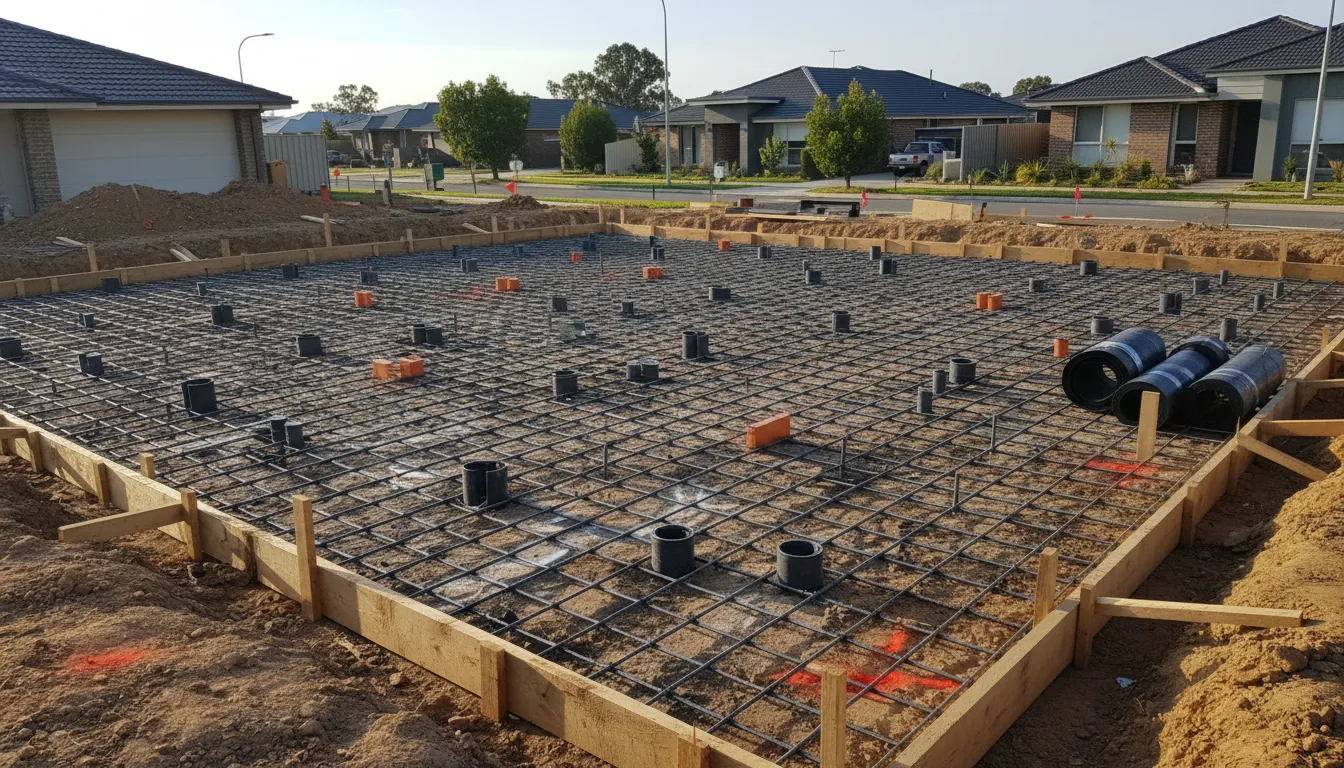
Common outcomes if issues are found:
The builder can often fix quickly, then proceed once the inspector (or certifier) is satisfied.
Frame
Frame stage is where structural lines get locked in. Checks commonly include:
- Wall and roof framing alignment and bracing
- Tie-downs and connectors
- Openings for doors and windows
- Obvious workmanship issues that can flow into plaster problems later
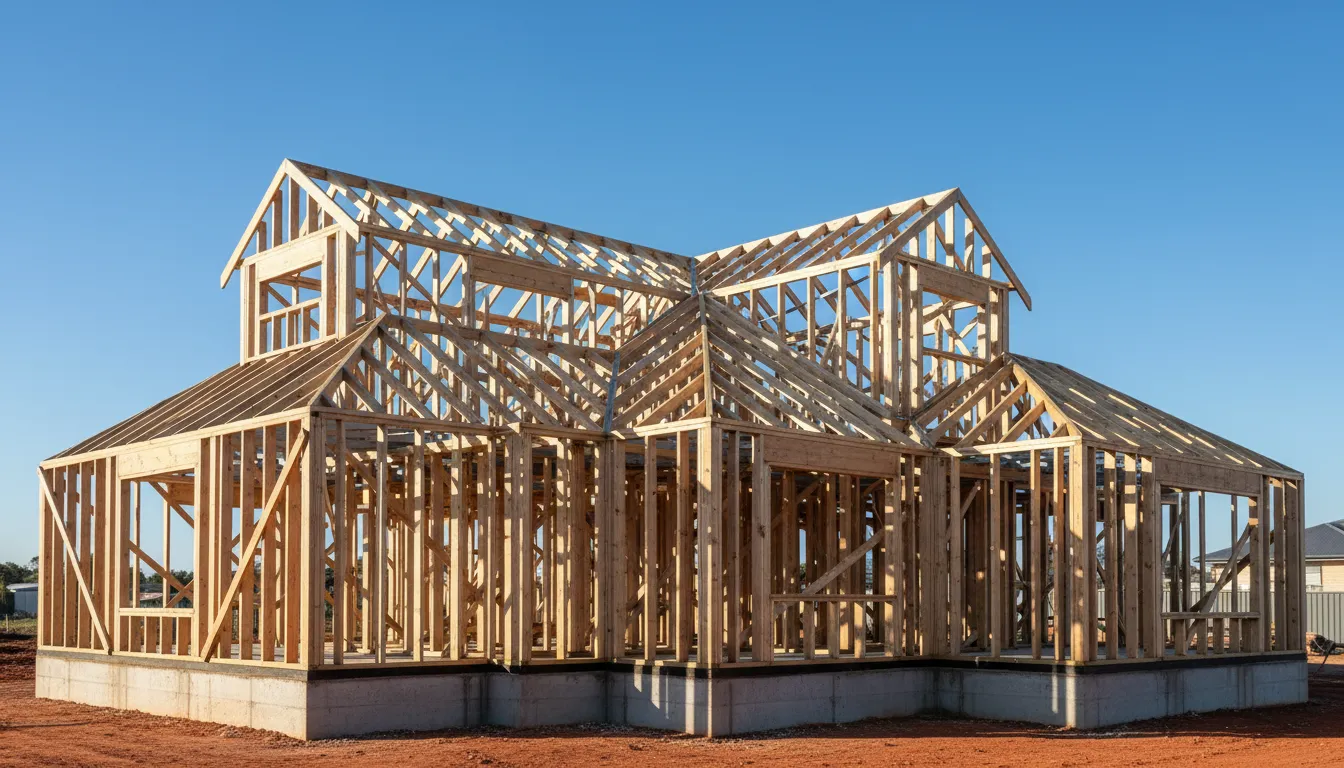
Frame defects matter because small misalignments can become big finish problems at PCI.
Lock-up / pre-plaster
Many builders call this “lock-up” or “pre-plaster”. It is a high-risk stage because the next step hides a lot of evidence.
Typical checks include:
- Services rough-in (plumbing and electrical visible items)
- Wet area prep and obvious gaps that affect waterproofing outcomes
- Frame items still visible
- Windows and external envelope items that can affect water ingress
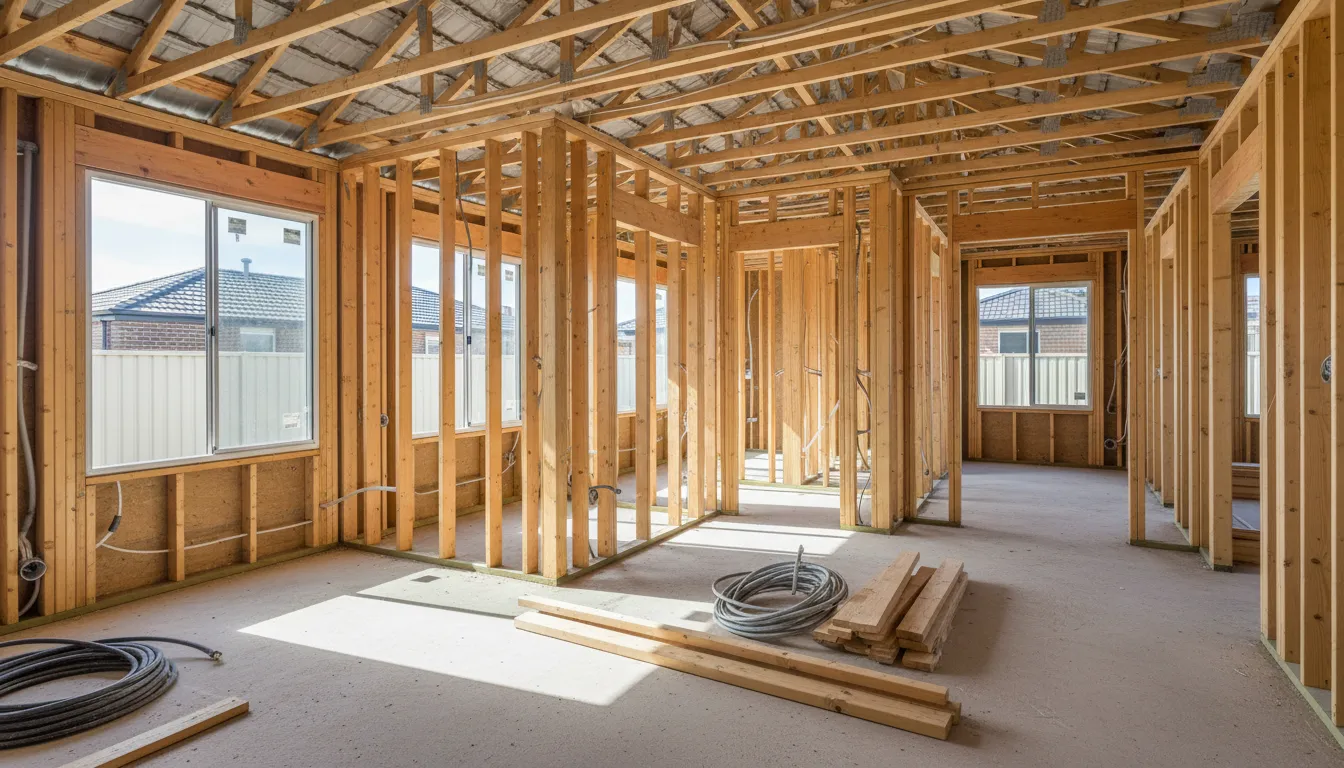
If something needs rectification here, waiting until the next scheduled stage can be too late.
Fixing / waterproofing (where offered)
Not every provider includes this stage, but when they do, it often covers:
- Waterproofing inspection (wet areas, balconies where accessible)
- Fixing stage items that affect finish quality and function
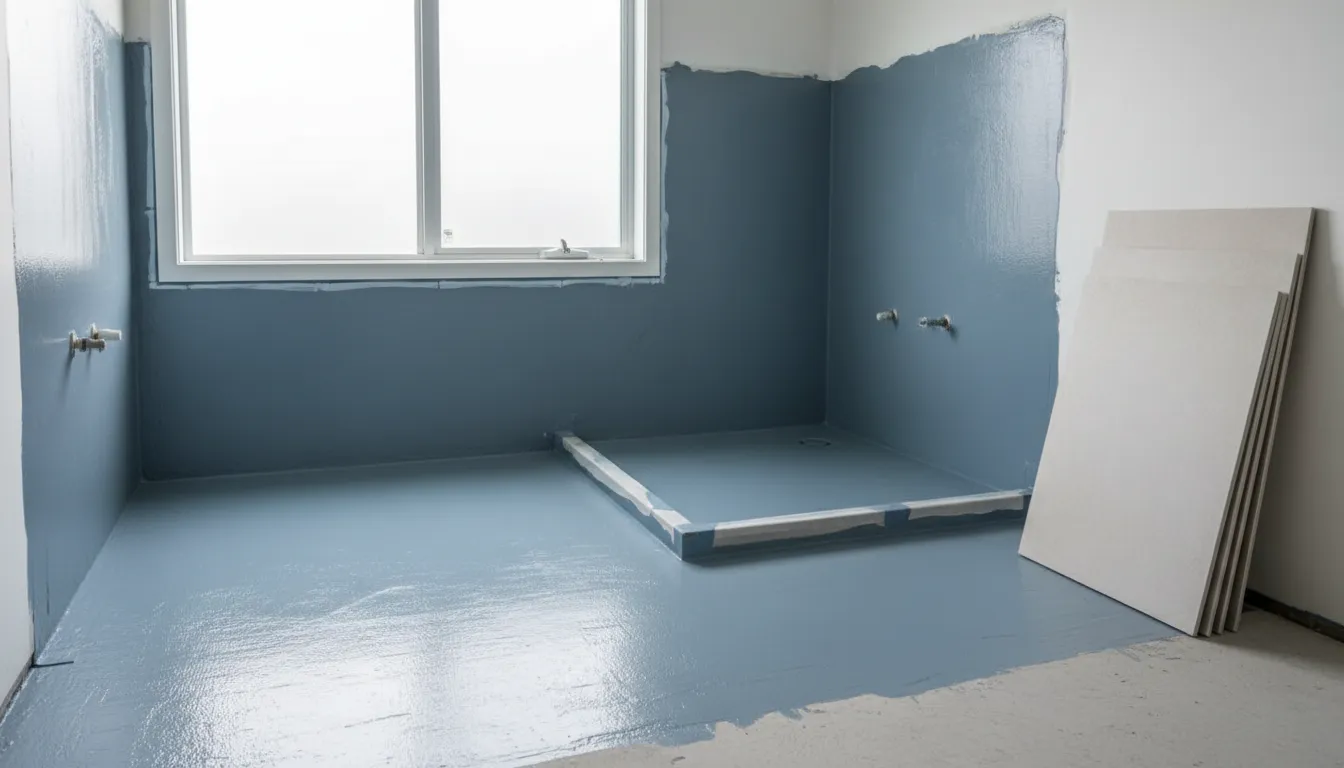
Waterproofing is a common dispute zone on many projects, and defects can be costly once tiled.
PCI / Handover
A Practical Completion Inspection (PCI) or handover inspection is where a defects list often gets created. In QLD, the QBCC describes defects and incomplete work being documented in a defects list at the practical completion inspection, usually signed by both parties.
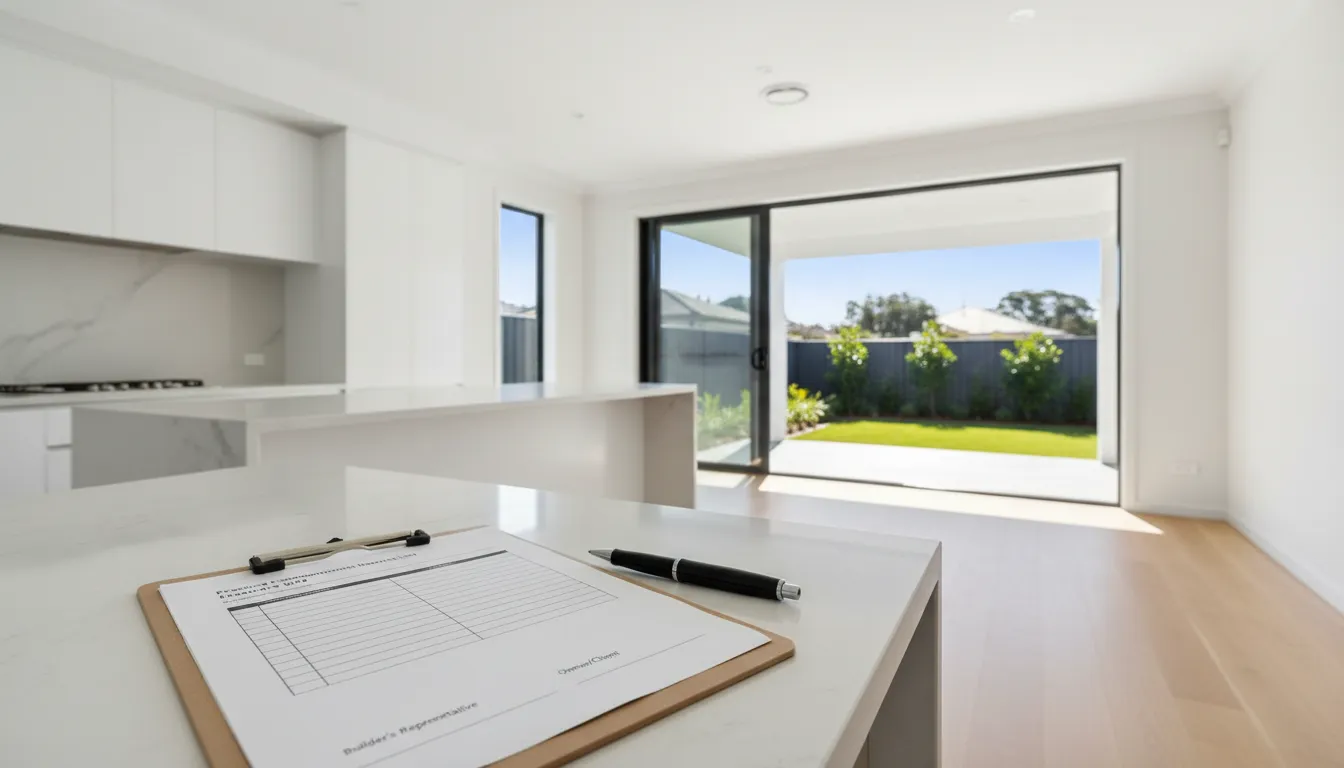
At this stage, the goal shifts from prevent cover-up to capture everything clearly, in writing, with evidence.
Worried about paying for endless re-inspections?
Get clear on what’s included, what counts as an extra visit, and which stages usually need a targeted recheck before work is covered up.
in stage inspections
What Happens When Issues are Found
Defects found at a stage inspection usually trigger a predictable sequence: report, builder response, rectification, and either verification or a decision to check at the next stage.
The inspector’s deliverable: report + photos + priority/severity
A useful report does more than list issues. It should make the next actions obvious:
- Photos with clear locations
- A severity or priority label (safety/compliance risk vs minor)
- A note on whether the item must be verified before the next stage
- References to plans/specs where relevant
This matters because the pressure point is rarely “is there a defect”. The pressure point is “does it need proof before the builder covers it up”.
Builder response pathways: fix, dispute, or “within tolerance”
Builders tend to respond in one of three ways:
- Rectify (best case)
- Dispute (the item is denied, delayed, or argued)
- Within tolerance (the builder argues it meets acceptable workmanship tolerances)
In NSW, the Guide to Standards and Tolerances is presented as a convenient reference for minimum technical standards and quality of work, and NSW Government notes it does not replace the Building Code of Australia or relevant Australian Standards.
Why some defects must be rechecked before the next stage
A recheck is most valuable when the next trade will conceal the work. Once concealed, verification can become:
- Impossible without invasive inspection
- A fight over photos and claims
- A cost blowout if demolition is needed
This is the core reason re-inspections exist in private stage inspection workflows.
Re-inspections: When You Actually Need Them
A re-inspection is an extra site visit to confirm rectification. It is not always required. The key question is visibility and risk.
Critical hold points
Pre-plaster is the common pressure point because plasterboard hides:
- Frame fix quality
- Many rough-in issues
- Gaps, penetrations, and alignment problems
If the report flags “verify before cover-up”, treat it like a hold point. When owners skip verification here, they often lose leverage later.
When the next scheduled stage visit is enough (no extra trip)
A separate reinspection is often avoidable when:
- The defect and the fix will still be visible at the next scheduled stage
- The item is minor and does not affect compliance or safety
- The builder can provide credible evidence and you can confirm later
Example: some frame items remain visible at lock-up. If they stay accessible, the next planned inspection can double as a check.
When an extra reinspection prevents cover-up risk
A targeted reinspection can be worth it when:
- The builder is about to sheet, tile, waterproof-over, or pour over the area
- The defect has a compliance or safety angle
- The builder has a pattern of partial fixes or “we’ll get to it”
- The rectification needs proof for dispute prevention later
In NSW disputes, regulators and inspectors can focus on specific disputed items rather than doing a general inspection, so keeping evidence tight helps if a complaint escalates.
Need defects rechecked before the next stage?
Book a targeted reinspection and we confirm the scope, fees, and timing upfront, so you know whether you are paying for a full repeat or a focused recheck.
Reinspection
Do Inspectors Charge Extra for Re-inspections?
Often yes. Many packages price the scheduled stages, and treat extra site trips as a separate service.
The common fee models
Here are the models seen most often in the market:
| Pricing model | What it usually means | Best for | Watch-outs |
|---|---|---|---|
| Per extra visit (call-out) | Any return to site is billed | Builds with uncertain quality | Costs rise if fixes are drip-fed |
| Included one return (conditions apply) | One recheck included for a stage, often within a time window | Owners who want certainty | Read the conditions carefully |
| Targeted recheck rate | Cheaper fee for checking only flagged items | Pre-plaster and PCI punch lists | Needs clear scope in writing |
| Hourly + travel | Time on site plus travel | Regional builds or complex sites | Travel and minimum hours can bite |
Typical price ranges you’ll see in the market (and why they vary)
There is no single “official” reinspection price for private stage inspections in Australia. What can be measured publicly is the cost of a notice-period site visit for common stages, which gives a realistic anchor for what an extra trip tends to cost.
Many extra private reinspections (an extra site trip) land in one of these brackets:
- Targeted recheck: often priced below a full stage visit when it’s limited to flagged items
- Full return visit: often priced similar to a standard stage inspection fee
- Regional travel loadings: can push it higher due to time, distance, and access constraints
Reality check:
If a provider charges roughly $400–$500 for a planned pre-plaster inspection, an unplanned extra trip is unlikely to be cheaper unless it’s a short, targeted recheck.
What to Confirm in Writing Before You Book a Package
Before paying for a bundle, get clear answers to these in writing:
- What counts as a reinspection vs a scheduled stage visit?
- Is any return included? If yes, which stage and under what conditions?
- Is the return a full repeat inspection or a targeted recheck?
- Are there travel or after-hours surcharges?
- How fast can a recheck be scheduled if the builder gives short notice?
- Will the inspector accept builder photos for minor items, and when is on-site proof required?
How Many Re-inspections are Normal by the End?
There is no universal benchmark because build quality, supervision, and trade sequencing vary a lot. A better way to think about “normal” is by scenario.
Scenarios: smooth build vs average vs high-defect build
Smooth build (0 extra visits)
- Defects are minor
- Builder rectifies quickly
- Most fixes can be checked at the next scheduled stage
Average build (1–2 extra visits)
- One must-verify item before cover-up (often pre-plaster)
- A follow-up after PCI to confirm close-out on the defects list
High-defect build (3+ extra visits)
- Multiple “must verify” items across stages
- Rectifications happen in pieces
- Scheduling pressure leads to “partial fixes” before the next trade arrives
A high-defect pattern is where a clear reinspection policy saves money, because it lets owners bundle rechecks rather than paying repeatedly.
The stages where extra visits most commonly occur (pre-plaster + PCI)
Two stages create most of the extra visit risk:
- Pre-plaster / lock-up because concealment removes your chance to verify
- PCI / handover because a defects list is common and owners often want proof it is closed out
Budgeting rule-of-thumb without overpaying
A practical way to budget is:
- Assume the base package covers the scheduled stage visits
- Set aside a buffer for one targeted recheck for pre-plaster risk
- Consider a post-PCI follow-up if the defects list is long or the builder has a slow response pattern
The goal is not to buy more visits. The goal is to buy the right verification at the stages where you can lose leverage.
Regulatory / Standards
Private stage inspections sit alongside building laws, codes, and dispute systems. Knowing the basics makes it easier to push back when “within tolerance” gets used as a blanket answer.
Guide to Standards and Tolerances: what it is and what it isn’t
In NSW, the Guide to Standards and Tolerances 2017 is positioned as a convenient reference to minimum technical standards and quality of work. NSW Government also notes the Guide is a general reference and does not replace the Building Code of Australia or relevant Australian Standards.
What that means in practice:
- The Guide can help frame workmanship debates
- It does not automatically override your contract, plans, inclusions, or NCC compliance requirements
- Some issues are not “tolerance issues” at all. They are contract or compliance issues
Victoria has its own guidance approach too. The Victorian government building advice site notes that the Guide to Standards and Tolerances can help determine if something is defective, for workmanship areas not covered by minimum legal standards or specified in a contract.
Practical completion + defects list (QLD example)
The QBCC describes practical completion inspection as the point where defects, incomplete work, or items not built to specification are documented in a defects list, usually signed at the inspection. QBCC also notes you can engage a building inspector at your own cost, and that the builder is responsible for fixing agreed defects within a reasonable timeframe after practical completion, with reasonable access required.
This supports a simple strategy: document clearly, agree the list, then verify close-out.
Rectification pathways (NSW example)
If a dispute escalates in NSW, the NSW Government describes Rectification Orders under the Home Building Act, which list work to be rectified or completed, set conditions, and set a completion date. NSW also provides statutory warranty timeframes for contracts signed on or after 1 February 2012, including 6 years for major defects and 2 years for other defects, with extra time if loss becomes apparent late in the period.
This is a big reason to keep inspection reports, photos, and dates organised from the start.
Defects liability period (contract) vs statutory warranty (law)
HIA Insurance explains that a Defects Liability Period (DLP) is a contract clause that usually starts at practical or substantial completion, and for residential construction it is commonly around 3–6 months, varying by region and contract. HIA also explains DLP is not the same as statutory warranty periods, which can extend longer under legislation.
Owners often mix these up. The practical takeaway: do not delay reporting and verification just because “warranty will cover it later”.
Strata note (where bond/inspection schemes apply)
Handover and defects can work differently under strata schemes. In NSW strata building bond settings, NSW Government notes the developer is responsible for ensuring defective building work identified in an interim report is rectified before the final building inspection and report. If you sit on a strata committee, check which scheme applies and what your inspection timing needs to be.
NCC / Building Code
The National Construction Code (NCC) is described by the ABCB as Australia’s performance-based building and plumbing code that sets minimum technical requirements for new buildings and new building work. Stage inspections do not replace certification. They give owners independent evidence and leverage while the work is still visible.
How to Request a Reinspection and Manage Rectifications
Use this workflow to reduce wasted visits and reduce the risk of cover-up.
-
Read the report like a to-do list
Circle items marked as safety/compliance risk or verify before cover-up. -
Send a single, dated defects email to the builder
Attach the report pages and photos. Ask for a proposed rectification date. -
Bundle fixes where possible
Ask the builder to group rectifications so the inspector can verify once. -
Book a targeted recheck, not a full repeat, when appropriate
Make sure the scope is flagged items only and confirm the fee. -
Do not allow concealment of unverified critical items
Pre-plaster and waterproofing concealment are the common points of no return. -
Keep a simple evidence folder
Report PDFs, photos, emails, site dates, and builder responses.
Need a quote with a clear reinspection policy?
Request pricing that states exactly what happens if defects are found: what’s included, what’s billed per visit, and how targeted rechecks are priced.