
Owner Inspections
Australia's Trusted Building Inspectors
Residential | Commercial | Body Corporate
Trusted building and pest inspections across Australia. Our qualified inspectors provide comprehensive reports to protect your property investment.



Trusted Building and Pest Inspection Services
Comprehensive building and pest inspection services to protect your property investment
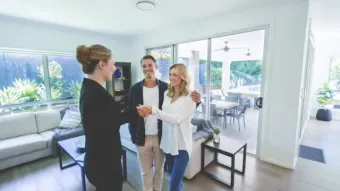
Pre-Sale Inspections
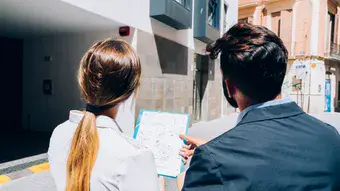
Pre-Purchase Inspections

Building and Pest Inspections

Apartment Pre-Settlement

Pre-Handover Inspections
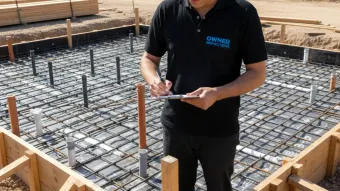
New Construction Stage Inspections

Dilapidation Reports
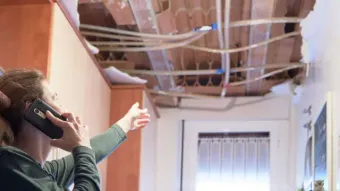
Defect Investigation Reports
Expert Witness Reports

Insurance Claim Assessments
Drug Residue Testing
Maintenance Inspections
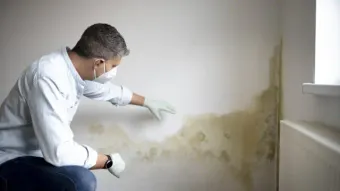
Mould Inspections
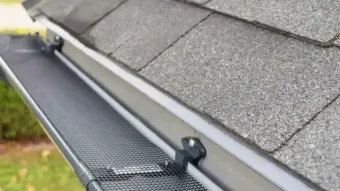
Roof Inspection
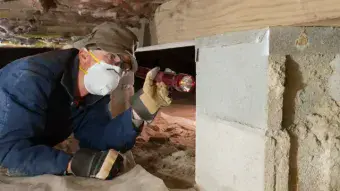
Timber Pest Inspections
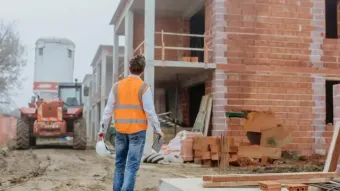
Reinspections

Tax Depreciation Schedule
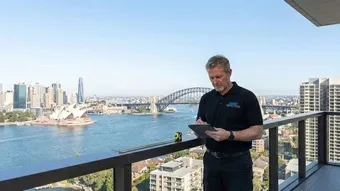
SBBIS NSW
Commercial Property Inspections
137B Reports (Coming Soon)
Why Choose Owner Inspections?
Qualified and Licensed Building Inspectors
Thorough & Detailed Inspections
Our inspectors use the latest tools and technology to deliver comprehensive reports with photos and clear explanations.
Fixed Price, No Extras
No hidden fees or surprise extras. Our fixed pricing includes travel, so the price you see is the price you pay.
Qualified & Experienced Inspectors
Our team brings over 100 years of combined experience across all types of residential and commercial property inspections.
Fully Licensed & Insured
Registered with VBA, Fair Trading, and QBCC. Fully insured so you can have complete peace of mind.
Fast Turnaround & 24/7 Booking
Book online anytime with our 24/7 system. Reports delivered same day with hassle-free coordination from start to finish.
Free Consultation & Exceptional Service
Get honest, upfront advice before you commit. Our team is known for courtesy, transparency, and going above and beyond.
Get Your Free Expert Quote Today
Ready to protect your property investment? Our qualified inspectors across Australia are here to provide thorough, professional building inspections and detailed reports.
With over 300+ reviews Australia-wide
Trusted by Thousands of Australians

Savali Ng Shiu
2 months ago
I spoke with Dan and was genuinely impressed by his level of honesty and integrity, especially given that I am currently in a very vulnerable position following recent renovation works. He took the ti...

Gopal Katwal
a year ago
I recently used Owner Inspection for a pre-slab inspection, and I couldn't be more pleased with the service. Babak Nasirpour was the inspector assigned to my property, and he was thorough, professiona...

Jessica Giovanniello
3 years ago
Very happy with the services provided from Owner Inspections so far. We have engaged them for all construction stages of our new home build and have completed one inspection so far. I can say it has a...

Nicole Ho
7 months ago
Highly recommend Owner Inspections!! Quick and efficient booking, building report came back within 1 business day and it was a very thorough report by Kosie! My partner and I were very impressed and c...

Rsvn_ GG
11 months ago
The inspector arrived on time and conducted a very thorough evaluation. He took the time to walk us through every detail, pointing out potential problem areas and providing sound advice for future mai...

Amritpal Singh
11 months ago
Edit- Booked building and pest report for my house pre purchase in Greenbank. They promised for same day report but got after 8 day's. They said have some problems in there system/sotware. They waved ...

Our Reports
Professional, cloud-based reports using industry-leading software
Detailed findings with high-resolution photos
Easy-to-read summary of major and minor defects
Thermal imaging results included where applicable
Delivered same day via email and online portal
Your Inspection Journey
From initial contact to comprehensive report delivery, we make the inspection process seamless

1- Assessment / Consultation
2- Quotation
3- Assignment
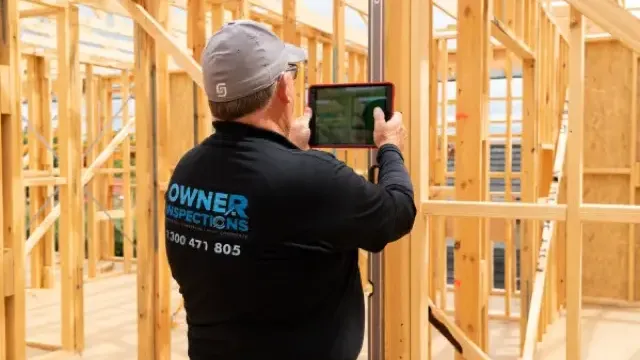
4- Inspection
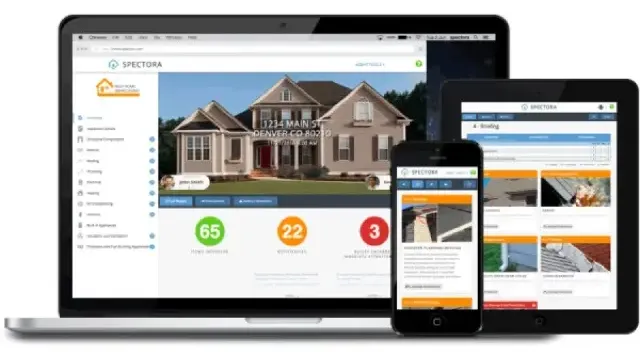
5- Report

6- Post-Inspection Support
Latest Tools and Technology
We use state-of-the-art equipment to deliver accurate and comprehensive inspections
Cloud-Based Reports
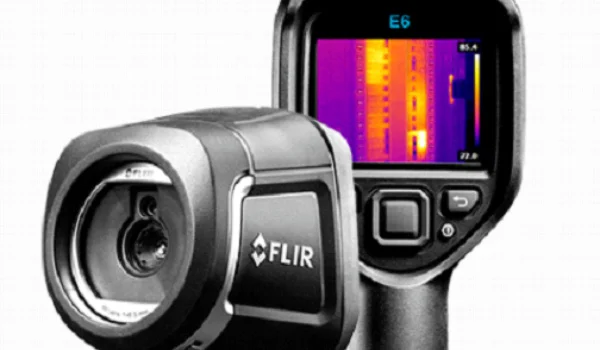
Thermal Imaging Camera
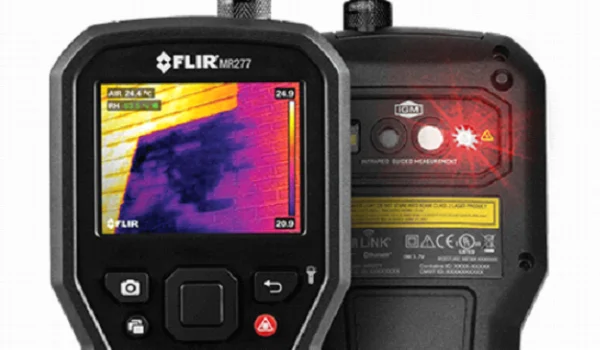
Moisture Hygrometer

Termatrac T3i Radar
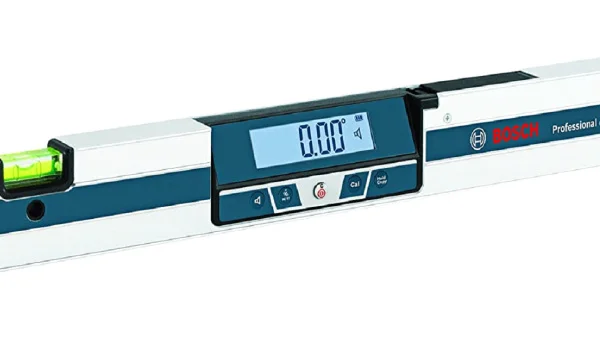
Digital Inclinometer
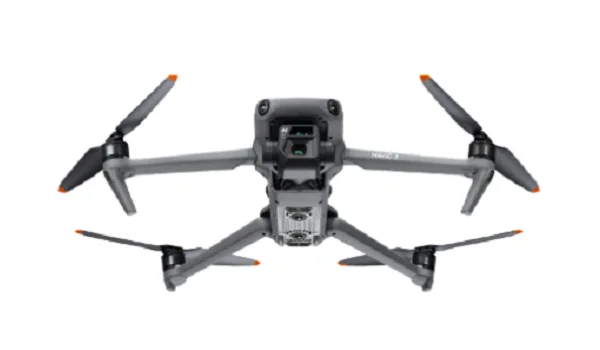
DJI Mavic 3 Drone
Video Testimonials From Our Beloved Customers
Hear directly from our satisfied clients about their inspection experience
Channel 9
Mould Inspection by Owner Inspections
Kristy Djordevic
Pre-Sale Inspection by Owner Inspections
Matt
Pre-Purchase Inspection by Owner Inspections
Video Transcripts
Mould Inspection by Owner Inspections — Channel 9
Channel 9 news segment featuring Owner Inspections conducting a professional mould inspection in a residential property. The segment covers how mould is identified using thermal imaging and moisture meters, the health risks of untreated mould, and how Owner Inspections provides detailed reports with remediation recommendations for Australian homeowners.
Pre-Sale Inspection by Owner Inspections — Kristy Djordevic
Kristy Djordevic shares her experience with Owner Inspections pre-sale inspection service. She explains how the inspection helped her identify and address issues before listing her property, resulting in a smoother sale process and greater buyer confidence. She recommends Owner Inspections for their thoroughness and professionalism.
Pre-Purchase Inspection by Owner Inspections — Matt
Matt describes his experience using Owner Inspections for a pre-purchase building inspection. He highlights the detailed report he received, the inspector thoroughness in identifying defects, and how the findings helped him make an informed purchasing decision. He recommends the service for anyone buying property in Australia.
Expert Witness Report by Owner Inspections — Expert Witness (Shirley)
Shirley shares how Owner Inspections provided expert witness report services for her building dispute case. She describes the professional and detailed report that was prepared for tribunal proceedings, the inspector expertise in identifying structural defects, and how the report was instrumental in achieving a favourable outcome.
Pre-Purchase Inspection by Owner Inspections — Roberto
Roberto reviews his pre-purchase inspection experience with Owner Inspections. He discusses how the inspector identified significant defects that were not visible during his own property viewing, the quality of the digital report with photos and recommendations, and how it helped him negotiate a better purchase price.
Construction Stage Inspection by Owner Inspections — Ronald Turner
Ronald Turner discusses his experience with Owner Inspections construction stage inspections during his new home build. He explains how inspections at each stage helped catch defects early, saving time and money. He highlights the clear reporting and communication from the inspection team throughout the building process.
Construction Stage Inspection by Owner Inspections — Brendan Clarke
Brendan Clarke shares his experience using Owner Inspections for construction stage inspections. He describes how the inspections provided peace of mind during the building process, with detailed reports at each stage that identified issues requiring rectification by the builder before proceeding to the next stage.
Construction Stage Inspection by Owner Inspections — Julz Ferrer
Julz Ferrer reviews Owner Inspections construction stage inspection service. He explains how the inspections helped him monitor the quality of work during his home construction, the defects that were identified and resolved early, and the value of having an independent inspector reviewing the builder work at each stage.
Construction Stage Inspection by Owner Inspections — Lisa Skinner
Lisa Skinner discusses her positive experience with Owner Inspections construction stage inspections. She highlights the professional service, the thoroughness of each inspection, and how the reports gave her confidence that her new build was meeting Australian building standards at every stage of construction.
Practical Completion Inspection (PCI) by Owner Inspections — Rahul & Pai Thakar
Rahul and Pai Thakar share their experience with Owner Inspections practical completion inspection for their new home. They describe how the PCI identified numerous defects that needed to be rectified by the builder before handover, the comprehensive report they received, and how it ensured their home met the expected quality standards.
Practical Completion Inspection (PCI) by Owner Inspections — Sreedar Kumbham
Sreedar Kumbham reviews Owner Inspections practical completion inspection service. He explains how the inspection uncovered defects he would have missed, the detailed report with photos and recommendations, and how it helped him ensure his builder addressed all issues before final handover of the property.
Expert Witness Report by Owner Inspections — Eric & Philomena
Eric and Philomena describe their experience with Owner Inspections expert witness report service for their building dispute. They discuss how the detailed expert report documented structural defects and non-compliance issues, and how the inspector professional testimony helped them achieve a successful resolution at tribunal.
Construction Stage Inspection by Owner Inspections — Rohit Kumar
Rohit Kumar shares his experience using Owner Inspections for construction stage inspections during his new build. He highlights the professionalism of the inspection team, the detailed reports provided at each stage, and how the service helped ensure his builder maintained quality standards throughout the construction process.
Pre-Purchase Inspection by Owner Inspections — Farideh & Hossein
Farideh and Hossein review their pre-purchase inspection experience with Owner Inspections. They describe how the inspection revealed hidden issues with the property they were considering purchasing, the thoroughness of the digital report, and how it helped them make a confident and informed buying decision.
Construction Stage Inspection by Owner Inspections — Sunil Manyan
Sunil Manyan discusses his experience with Owner Inspections construction stage inspections. He explains how having an independent inspector review each stage of his new build gave him peace of mind, the defects that were caught and rectified early, and how the service was essential for ensuring quality construction.
Expert Witness Report by Owner Inspections — Caroline Sanders
Caroline Sanders shares her experience with Owner Inspections expert witness report service. She explains how the detailed inspection report and expert testimony were crucial in her building defect dispute, helping her achieve a favourable outcome. She recommends their expert witness services for anyone dealing with construction defects.
Mould Inspection by Owner Inspections — Lee and Chrissie Butler
Lee and Chrissie Butler discuss their mould inspection experience with Owner Inspections. They describe how the inspector used thermal imaging and moisture meters to identify hidden mould growth, the comprehensive report with remediation recommendations, and how the service helped them address a serious health concern in their home.