When it comes to construction, the stakes are high—whether it’s a residential home’s investment value or a commercial property’s operational safety. Construction stage defect assessments are essential in safeguarding a building’s structural integrity and overall quality. A defect assessment examines the construction at key stages to identify problems before they evolve into larger, more costly issues.
Defects during construction are often hard to notice in their early stages, and without an assessment, these problems can go undetected until they escalate. From cracks in the foundation to poor framing alignment, unchecked defects can lead to unsafe living conditions, costly repairs, and even project delays. In fact, according to a 2021 report from the Australian Construction Industry, structural defects are responsible for a significant portion of repair costs, with some estimates suggesting that these issues could increase the overall cost of a construction project by up to 20%.
An early defect assessment can mitigate these risks. Whether you’re a builder ensuring compliance with Australian regulations or a homeowner looking to protect your investment, timely inspections are critical.
The 5 Stages of Construction: Where Defects Can Occur
Understanding the construction process is key to identifying when and where defects will most likely arise. A typical construction project has five main stages, each with its own set of potential issues. Knowing these stages and conducting regular assessments can ensure defects are caught before they become severe or costly problems.
- Pre-Construction:
This phase involves design planning, material selection, and obtaining permits. Although everything seems theoretical, defects can occur during the planning and design process. These issues can include improper planning, inadequate material specifications, or even overlooked permits, all of which can set the stage for serious problems later. Comprehensive assessments during this stage involve scrutinizing designs, plans, and budgets to ensure a solid foundation for the project. Poor planning here can result in structural misalignments or inefficiencies that need costly fixes. - Foundation & Substructure:
At this stage, the groundwork for the building is laid. Defects often found in this phase include improperly poured concrete, unstable soil conditions, or poor drainage systems. These issues are critical because they affect the stability of the entire structure. If problems are not caught early, they can lead to shifting foundations, uneven floors, or even the collapse of building parts. A crucial step during this stage is soil testing, which determines if the soil beneath the foundation is stable enough to support the weight of the building. - Superstructure:
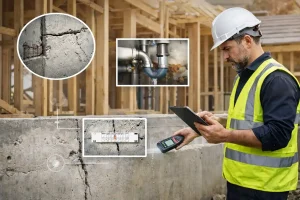
The superstructure includes the framing of the building, which is the skeleton that supports the entire structure. This is when issues like misalignment in the structural frame, improper use of materials, or inadequate reinforcement can surface. These defects can compromise the building’s strength and load-bearing capacity, which may not be immediately apparent but could lead to long-term structural issues. Framing issues are best detected through laser leveling or plumb bobs to ensure all beams, walls, and floors are correctly aligned. This stage is especially critical because even small misalignments can cause significant problems down the line, including improper weight distribution. - Interior Finishing:
As construction moves into the interior, issues like plumbing leaks, electrical wiring faults, improper insulation, and HVAC system failures may arise. These defects are often hidden behind walls or under flooring, making them difficult to detect without thorough inspections. Plumbing problems such as misaligned pipes or leaks can cause water damage over time, which may only become noticeable after construction. Electrical issues, like loose or improperly connected wiring, can lead to electrical hazards or even fires. Ensuring that these systems are properly installed during this phase can save both time and significant repair costs. - Exterior Finishing & Final Inspections:
During this stage, the exterior of the building is completed, including the roofing, waterproofing, and landscaping. The risks here include improperly installed roofing, which can lead to leaks and water ingress, and faulty waterproofing, which can cause water to enter the building, leading to mold and structural rot. It’s essential to check that all materials are properly sealed and that roof joints are tightly fitted. For example, in Australian climates where heavy rainfall is common, ensuring a water-tight roof and exterior is crucial to prevent long-term damage—regular inspections at this phase help to detect these issues before completion, providing a defect-free build.
Related post: Understanding the 5 Stages of a Construction Project
Common Construction Defects and How to Spot Them
Structural Frame Alignment:
Even minor misalignments in framing can majorly affect the building’s integrity. For example, poorly aligned walls can affect the structural load-bearing capacity, leading to shifts or cracks over time. Builders should use high-precision tools like laser levels and plumb bobs to ensure that all structural frames are perfectly aligned. Misalignments can also result from foundation settlement, so providing a solid foundation at the earliest stages is key.
Cracks and Material Failures:
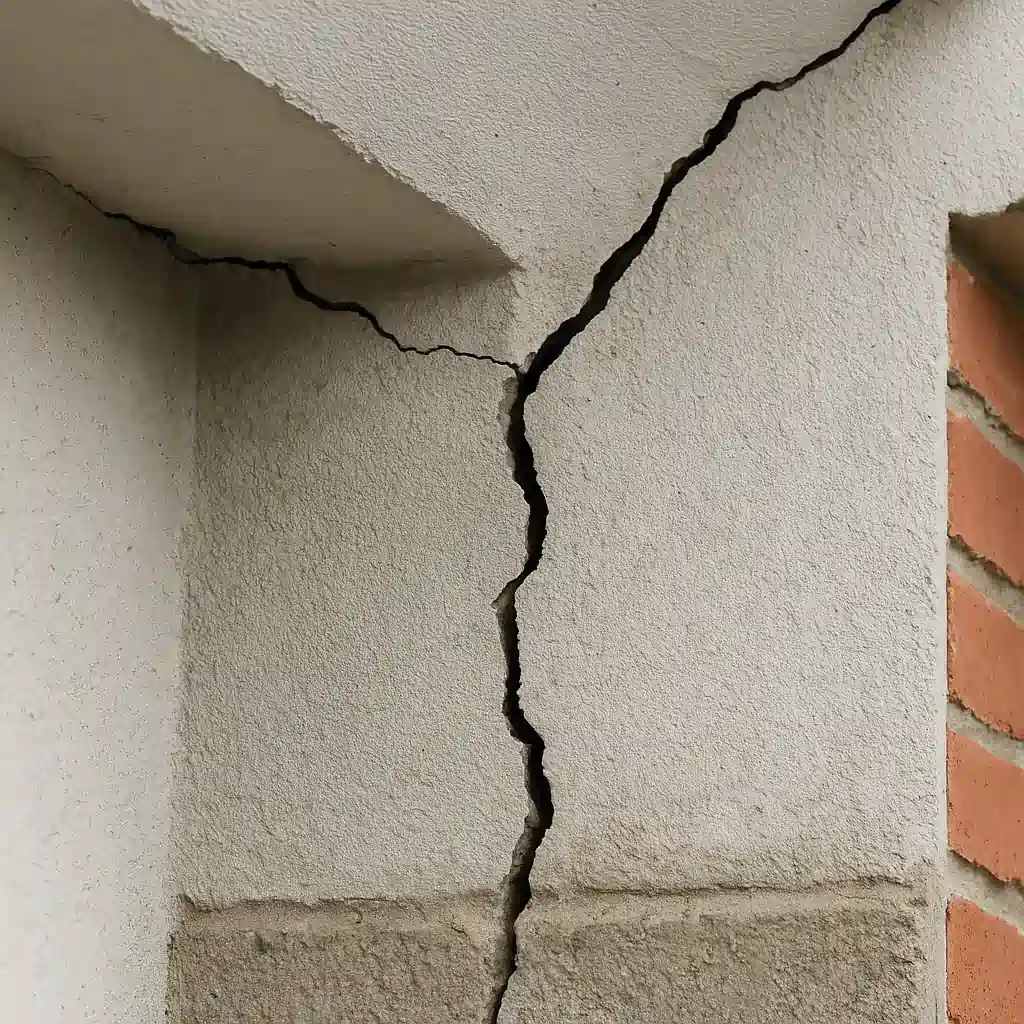
Cracking in concrete or framing can indicate several problems: excess pressure, poor curing, or improper materials. For example, cracks in concrete may arise from poor curing practices or moisture fluctuations. Builders should monitor temperature and humidity levels during concrete pouring and ensure the concrete mixture is correct. Structural cracks in framing could indicate issues with the wood or metal used, such as non-compliant materials or inadequate structural reinforcement. Early detection can prevent the need for expensive structural repairs later.
Verifying Concrete Strength and Curing:
Concrete curing is critical for ensuring the strength and durability of the material. If concrete is not cured under the right conditions, it can fail prematurely, leading to cracking and weakness in structural components. Builders should regularly check concrete mix ratios, and curing conditions and ensure that temperature and humidity are controlled during the curing process. Concrete testing tools like compression machines can be used to verify the strength of the cured material.
Plumbing and Electrical Issues:
Plumbing and electrical issues, such as misaligned pipes or faulty wiring, are often discovered in the rough-in phase. If these issues are not addressed promptly, they can lead to water damage, electrical hazards, or even fires. Inspections should be done regularly throughout the rough-in stage to ensure plumbing systems are leak-free and wiring is correctly installed. Using pipe detectors and electrical testers can help detect issues early.
Roofing and Waterproofing Defects:
Roofing defects, like gaps between shingles or misaligned tiles, can lead to water ingress. For properties in regions of Australia that experience heavy rainfall, waterproofing issues are especially critical. Waterproof membranes must be applied correctly, and roof seals should be checked regularly to prevent leaks. During inspections, builders should check that all roof joints are adequately sealed and that there are no gaps in the membrane.
Wall Finishes and Painting Defects:
While it may seem minor, improper wall finishes or painting techniques can conceal underlying problems, such as moisture retention or mold growth. Uneven paint or bubbling can indicate moisture buildup behind the walls. Builders should ensure that all surfaces are dry before applying finishes and check for smoothness and durability in the paint.
Related post: Australia’s Top 10 Most Common Building Defects
Evaluating Foundation Stability During Construction
The foundation is the most crucial element in a building’s structure. Foundation defects can be expensive and difficult to repair, so early assessment is vital. Problems like uneven soil compaction, shifting foundations, or poor drainage can lead to cracks and instability. Regular checks during this phase include:
- Geotechnical Testing: Engage a geotechnical engineer to conduct soil stability tests to ensure the ground can support the planned structure.
- Leveling Instruments: Use advanced leveling tools to monitor the foundation’s position throughout construction and detect any shifting or settling early.
- Compaction Testing: Regular soil compaction tests ensure that the foundation sits on stable ground, reducing the risk of future shifts or settlement.
Tools such as laser levels, soil testers, and compaction testing equipment can help identify these issues early, ensuring that your foundation remains stable throughout the build.
Compliance Verification and Documentation
Construction projects in Australia must adhere to a series of stringent building codes and regulations to ensure safety, compliance, and structural integrity. The National Construction Code (NCC) and Australian Standards (AS) are vital frameworks that all construction projects must follow. Compliance verification involves regularly checking that all construction activities align with these codes, which may include specific regulations for materials, construction methods, and safety features.
Documentation:
Documenting each defect as it arises is crucial not only for corrective action but also for legal compliance. A construction defect list template can track issues, record photographs, and outline corrective steps. This ensures that all defects are addressed promptly and thoroughly. Having detailed documentation also helps in case of future inspections or legal disputes.
Related post: Common Frame Defects and How to Address Them
Recommendations for Corrective Actions
Taking early action to correct defects is the key to avoiding expensive rework and ensuring the structural integrity of the building. For example:
- Framing Misalignments: Minor framing misalignments can be corrected quickly and cost-effectively using laser levels or by adjusting the positioning of beams and studs.
- Foundation Cracks: Small cracks in the foundation can be repaired using crack fillers, sealants, or re-leveling methods to prevent further movement.
- Plumbing and Electrical Issues: Correcting issues with plumbing and electrical systems during the rough-in phase can prevent water damage and electrical failures later on.
Encourage proactive involvement in the inspection process and prompt action to fix any issues that arise during the construction phases.
Protect Your Build with Early Defect Assessments
Don’t wait until it’s too late. Contact us today for a comprehensive construction-stage defect assessment. We’ll help identify potential problems at every stage of the construction process so you can avoid costly repairs and delays. Protect your investment and ensure a safe, high-quality build with expert assessments from Owner Inspections.