
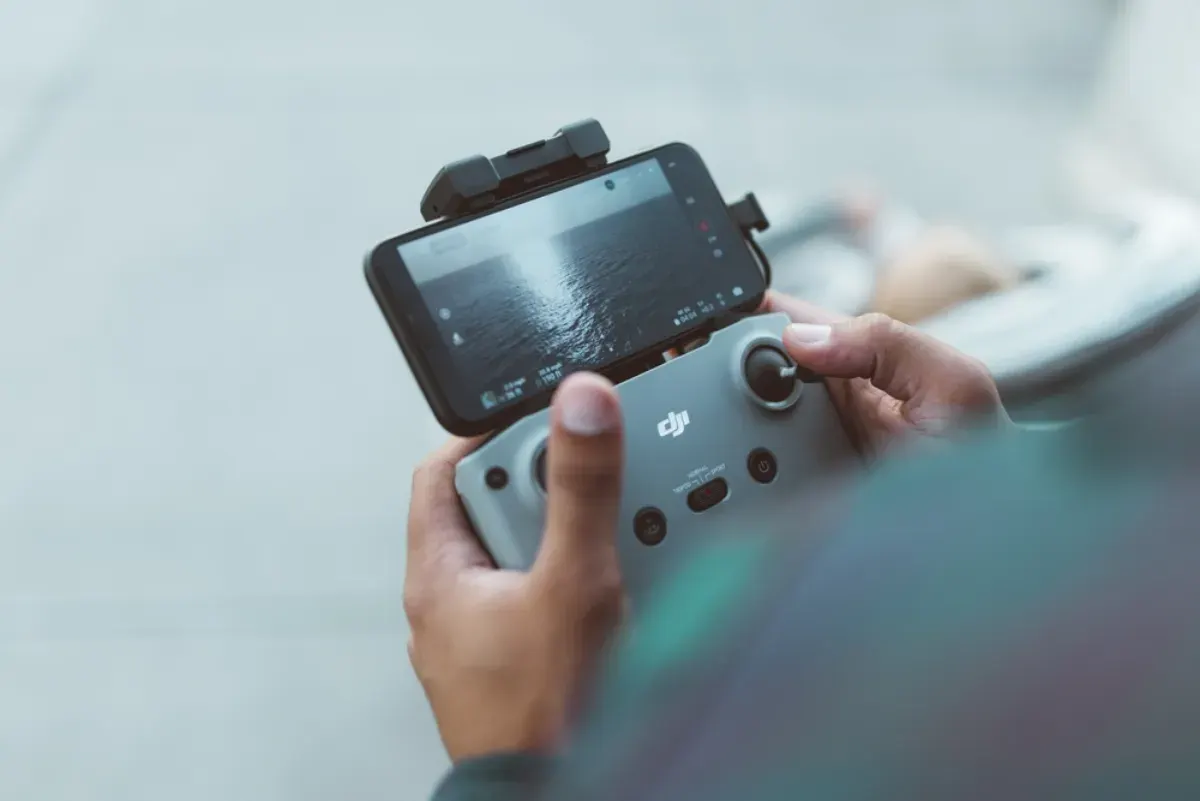
What can a building inspection drone show that a ground-level inspection may miss? For many Australian buyers, owners, builders and property managers, the answer is simple: roof areas, high facades, gutters, flashing, upper walls, solar panel surrounds, and other parts of a property that are hard to view safely from the ground.
A drone building inspection does not replace the judgement of a qualified building inspector. It supports the inspection by capturing clear visual evidence from areas that may otherwise need ladders, roof access, scaffolding or elevated work equipment. That matters because Safe Work Australia says working at heights is a high-risk activity and a leading cause of death and serious injury in Australia.
For Owner Inspections clients, drone inspections are most useful when a roof, exterior wall, upper storey, commercial facade, or construction site area needs to be checked without exposing people to avoidable height risk. This guide explains how building inspection drones are used, what they can and cannot show, and when to book a drone-assisted inspection. You can also see the inspection equipment Owner Inspections uses on the Tools and Technologies page.
Need Defects Documented Before They Become a Dispute?
Get an independent defect investigation report that records visible faults, likely causes and supporting evidence before the issue escalates.
Investigation Report
What Is the Use of Drones for Building Inspection
A building inspection drone is a remotely piloted aircraft fitted with a camera and, in some cases, thermal imaging or zoom capability. It is used to capture photos or video of building areas that are difficult, unsafe or slow to inspect by normal access methods.
In a building inspection with drones, the inspector or drone operator flies around the property and records visible conditions from different angles. These images may be added to a drone inspection report, along with notes about visible defects, access limits and areas that may need further checking.
Common areas checked with a drone for building inspection work include:
- Roof coverings
- Ridge capping
- Valleys and flashing
- Gutters and downpipes
- Chimneys and roof penetrations
- Upper-storey walls
- Facades
- Balconies and awnings
- Commercial roofs
- Large site areas
- Construction progress zones
The inspection still needs building knowledge. A drone can collect images, but a building inspector interprets the images in the context of property age, building type, visible defects, moisture risk and safety concerns.
How Drone Building Inspections Work
A drone building inspection usually follows a simple process.
| Step | What happens | Why it matters |
|---|---|---|
| 1. Site check | The inspector reviews access, nearby people, trees, powerlines, weather and flight limits. | A safe flight plan reduces risk and helps capture clear images. |
| 2. Drone flight | The drone records roof, exterior and hard-to-access areas. | Images help show defects that may not be visible from ground level. |
| 3. Image review | The inspector checks the images and video after the flight. | Some defects are easier to review closely on a screen. |
| 4. Report notes | Relevant findings are added to the inspection report. | Buyers, owners and managers get clearer evidence for decisions. |
| 5. Follow-up advice | The inspector may recommend trade checks or further access if needed. | Drone images can show warning signs but may not confirm hidden damage. |
CASA says anyone using a drone for paid work or business in Australia must register the drone, hold operator accreditation or a remote pilot licence, and follow the rules for the type of operation.
Benefits of Drone Building Inspections
Drone inspections can make property checks safer, clearer and more practical when the right conditions are present. Safe Work Australia reported that vehicle incidents were the largest cause of fatal injuries in 2024, followed by falls from a height at 13% or 24 fatalities.
- Efficiency and Speed: Drones can cover large areas in a short period. What might take a team of inspectors an entire day using scaffolding and ladders can be completed in one to two hours with a drone.
- Cost-Effectiveness: By eliminating the need for scaffolding, cherry pickers, and extended labour hours, drone inspections reduce overall costs significantly.
- Enhanced Safety: Inspectors remain on the ground throughout the process, removing the risk of falls from height, which remain a leading cause of workplace injury in Australia.
- Unrivalled Accessibility: Drones can reach areas that are difficult or impossible to access by conventional means, including steep roofs, high facades, and confined spaces between structures.
- High-Quality Imaging: Modern drones are equipped with high-definition and thermal cameras that capture imagery at a level of detail far beyond what the human eye can detect from the ground.
- Minimised Intrusion: Drone inspections are quiet and non-invasive. They do not require heavy equipment or cause disruption to building occupants or surrounding areas.
- Accurate Assessment: The precision of drone-captured data reduces the likelihood of missed defects. Multiple passes and angles ensure thorough documentation.
- Documented Analysis: All footage and imagery is stored digitally, providing a permanent record that can be reviewed, shared, and compared over time to track the progression of any issues.
Are Drones Used for Home Inspections?
Yes. A drone for home inspection work can help inspect roofs and elevated exterior areas on houses, townhouses and some apartment buildings.
Drones for home inspections are useful when:
- The roof is steep or high
- The roof covering is fragile
- Access is blocked by landscaping or fencing
- The property has multiple levels
- The inspector needs photos of gutters, valleys or flashings
- A buyer wants stronger visual evidence before settlement
A drone home inspection can support a pre-purchase inspection, pre-sale inspection, maintenance inspection or defect investigation. Buyers can arrange property inspection reports, including building inspection reports, before buying a property.
Drone Roof Inspection: What It Can and Cannot Show
A drone roof inspection is one of the strongest uses for this technology. It can show visible roof conditions without requiring the inspector to walk on the roof. For more roof-specific guidance, read our Roof Inspections in Australia guide.
| A drone roof inspection can help identify | A drone roof inspection may not confirm |
|---|---|
| cracked or slipped tiles | hidden timber decay below roof coverings |
| damaged ridge capping | moisture inside cavities without further testing |
| rusted roof sheets | leaks that only appear during heavy rain |
| blocked gutters | defects covered by insulation, linings or debris |
| damaged flashing | structural adequacy of concealed roof framing |
| sagging or uneven roof lines | full compliance without further investigation |
Drone Construction Inspection and Site Inspections
Drone construction inspection is useful for progress checks, large blocks, upper-level work, roof framing visibility, site access reviews and photographic records.
Construction site drone inspection work can help builders, owners and project managers record visible site conditions at key points. It may support new construction stage inspections by capturing areas that are difficult to view from ground level.
Useful drone site inspections may include:
- Roof framing and roof covering progress
- High wall cladding or facade checks
- Gutter and flashing installation
- Large site drainage observations
- External defect evidence
- Progress documentation before work is covered
- Images for discussions with builders or consultants
Safe Work Australia states that construction work involving a risk of falling more than 2 metres is high-risk construction work and requires a safe work method statement before work starts.
Commercial Drone Inspections in Australia
Commercial drone inspections Australia-wide are often used for larger properties where access, height and scale make traditional checks slower.
A drone commercial property inspection can help with:
- Warehouse roof checks
- Industrial building facades
- Retail centre roofs
- Apartment block exteriors
- Strata common property areas
- School, office and community buildings
- Insurance-related roof and facade records
- Planned maintenance reports
Commercial buildings often have large roof areas, plant equipment, parapets, box gutters and high walls. A drone property inspection can help document visible risk areas before water ingress, corrosion or loose materials become larger repair concerns.
For commercial property managers, drone inspections can also create a useful photo record for maintenance planning. The images can be compared with later inspections to show whether cracking, corrosion, staining or roof wear has changed.
Best Drone for Building Inspection: What Features Matter?
The best drone for building inspection is not always the biggest or most expensive drone. The right choice depends on the building, the inspection goal, the site conditions and the type of images needed.
| Feature | Why it matters for building inspections |
|---|---|
| High-resolution camera | Clear photos help inspectors review roof and facade details. |
| Stable flight | Stability helps capture sharper images near roofs and walls. |
| Zoom capability | Zoom can reduce the need to fly too close to the structure. |
| Obstacle sensing | This helps reduce risk near trees, walls and roof edges. |
| Thermal option | Thermal images may help identify heat patterns linked to moisture or insulation issues, but findings need careful interpretation. |
| Good battery life | Longer flight time helps inspect larger roofs or commercial sites. |
| CASA-compliant operation | The drone must be used under the right Australian operating rules. |
CASA places drones into weight categories such as micro, very small, small and medium, and requirements vary depending on drone weight and use.
Unsure if the Defect Falls Under Warranty?
Learn how construction warranty defect reports help document faults, clarify builder obligations and support a stronger claim.
Defect Guide
Drone Inspection Cost in Australia
Drone inspection cost varies because no two properties are the same. Price can depend on:
- Property size
- Roof height and complexity
- Site access
- Location
- Wind and weather limits
- Whether thermal imaging is needed
- Whether the drone inspection is part of a larger building inspection
- Report detail required
- Travel time
- Commercial or residential scope
Rather than choosing by price alone, ask what the inspection includes, who reviews the images, what qualifications apply, and whether the findings will be included in a written report.
| Cost factor | Why it may affect price |
|---|---|
| Larger roof area | More time is needed to capture and review images. |
| Commercial property | Larger sites often need more planning and reporting. |
| Thermal imaging | Extra equipment and interpretation may be needed. |
| Complex access | Trees, powerlines or restricted areas can require more planning. |
| Detailed report | Marked images and written findings take more time to prepare. |
Best Drones for Building Inspections
Several drone models are widely used in the building inspection industry. The choice of drone depends on the complexity of the inspection, the size of the building, and the type of data required.
| Drone model | Can it be included? | Why it suits building inspections | Best use during inspection |
|---|---|---|---|
| DJI Mavic 3 Drone, used by Owner Inspections | Yes. Put this first because it is the confirmed Owner Inspections drone. | 28x Hybrid Zoom, high-quality defect recording, 360-degree sensor support and safer access to high areas. | Roof inspections, facade inspections, gutters, chimneys, solar panel checks and large commercial site overviews. |
| DJI Mavic 3 Enterprise Series | Yes, as a general industry example only. | DJI says the Mavic 3 Enterprise Series has a mechanical shutter, 56x zoom camera and RTK module. The Mavic 3T version includes a 640 x 512 thermal camera. | Commercial property inspections, mapping, detailed exterior reviews, roof condition records and larger inspection sites. |
| DJI Matrice 4 Series | Yes, as a general 2026 enterprise inspection example only. | DJI says the Matrice 4T suits industries including emergency response and public safety, while the Matrice 4E is designed for surveying, mapping, construction and mining. | Larger site surveys, smart measurement, construction site drone inspection work and commercial building overviews. |
| DJI Matrice 30 Series | Yes, as a general enterprise inspection example only. | DJI says the M30 Series integrates wide, zoom and thermal cameras on the M30T, plus a laser rangefinder. DJI also lists IP55 protection and operation from -20°C to 50°C. | Industrial buildings, warehouses, large commercial roofs, emergency access situations and complex site inspections. |
| DJI Matrice 400 | Yes, as a high-end enterprise option for large and complex work. | DJI says the Matrice 400 has up to 59 minutes of flight time, up to 6 kg payload capacity, rotating LiDAR and mmWave radar for obstacle sensing. | Large commercial sites, industrial asset inspections, specialist payload work and longer inspection flights. |
| Autel EVO Max 4T | Yes, as a non-DJI enterprise example. | Autel says the EVO Max 4T includes thermal imaging up to 640 x 512 and 16x digital zoom, with low-light video capability. | Roof checks, night or low-light exterior checks, thermal-supported inspection work and commercial property reviews. |
| Skydio X10 | Yes, as an autonomy-focused inspection example. | Skydio says the X10 integrates a Teledyne FLIR Boson+ thermal sensor with 640 x 512 resolution. Its technical specs list an IP55 ingress protection rating. | Tight-access inspections, obstacle-heavy sites, thermal analysis, documentation and infrastructure inspection workflows. |
| Freefly Astro | Yes, as a specialist mapping and payload platform. | Freefly says Astro can use a Sony LR1 payload for 61 MP images for detailed mapping and inspection, plus thermal, zoom, wide camera and LiDAR payload options. | High-detail mapping, specialist inspection projects, 2D or 3D modelling and larger asset documentation. |
The best drone for building inspection is not always the biggest or most expensive drone. For a residential building inspection, a compact drone with strong zoom and stable imaging may be enough. For a commercial drone inspection or construction site drone inspection, enterprise drones with RTK, thermal imaging, laser rangefinding or longer flight time may be more useful.
Are Drone Roof Inspections Accurate
Yes. Drone roof inspections are highly accurate. State-of-the-art cameras mounted on modern drones capture images at resolutions that allow inspectors to identify hairline cracks, missing fixings, and early signs of deterioration. Thermal imaging adds another layer of accuracy by revealing moisture ingress and insulation deficiencies that are invisible to standard cameras.
The data captured during a drone inspection can be reviewed multiple times, zoomed in for closer analysis, and compared against previous inspections to track changes over time.
Are Drone Building Inspections Legal in Australia?
Yes, drone building inspections are legal in Australia when the operator follows CASA rules.
CASA says drones used for paid work or business must be registered, and the operator must hold operator accreditation or a remote pilot licence. CASA also says a ReOC allows a business to trade as a drone service provider and carry out certain RPA operations, while some micro or excluded category operations do not need a ReOC.
If a drone is being used during a property inspection, clients should feel comfortable asking whether the operator complies with CASA rules and whether the drone is used within the correct operating category.
Drone Inspection Reports: What Should Be Included?
A good drone inspection report should not just contain attractive aerial photos. It should explain what the images mean and where the inspection has limits.
A useful drone inspection report may include:
- Property details and inspection date
- Weather and access limits
- Areas inspected by drone
- Clear images of the roof, exterior or site
- Marked-up photos where needed
- Visible defects or concerns
- Safety or access limits
- Recommendations for further checking
- Notes on whether areas were not visible
Standards Australia lists AS 4349.1-2007 as the standard for Inspection of buildings, Part 1: Pre-purchase inspections, Residential buildings.
A drone can support the evidence in a report, but it should not turn a visual inspection into a guarantee that hidden defects do not exist.
Can a Drone Replace a Building Inspector?
No. A drone cannot replace a building inspector.
A building inspection drone captures images. The inspector checks what those images may show and links the visible evidence to building defects, safety concerns, moisture risk, poor workmanship, maintenance issues or further inspection needs.
In Victoria, the VBA says registered building inspectors monitor and enforce building standards by carrying out inspections of building work.
In Queensland, the QBCC lists completed residential building inspection as an inspector and certifier licence category.
For buyers and owners, the main takeaway is this: use drone technology as part of a professional inspection process, not as a replacement for one.
When Should You Book a Building Inspection With Drones?
A building inspection with drones is worth considering when the property has hard-to-access or higher-risk areas.
Book a drone-assisted inspection when:
- You are buying a home with a high or complex roof
- You need a pre-sale inspection before listing
- You manage a commercial building with a large roof
- You need a construction progress record
- The roof cannot be safely walked on
- You need clear evidence of exterior defects
- storm, water or wind damage is suspected
- A previous report noted restricted access
Why Choose Owner Inspections
Owner Inspections combines building inspection expertise with advanced drone technology to deliver thorough and reliable property assessments. The focus is not just on taking aerial photos. The focus is on giving buyers, owners, builders and property managers clear inspection evidence they can act on.
Owner Inspections provides services across NSW, Victoria and Queensland, including pre-purchase inspections, building and pest inspections, roof inspections, new construction stage inspections, commercial property inspections and defect investigation reports.
- Expertise: Our team consists of licensed building inspectors with extensive experience across residential, commercial, and industrial properties.
- Advanced Technology: We use the latest drone platforms equipped with high-definition and thermal imaging cameras to capture every detail.
- Wide Coverage: We operate across New South Wales, Victoria, and Queensland, providing consistent service standards regardless of location.
- Versatile Services: From pre-purchase inspections to construction stage assessments and defect reports, our services cover every stage of the property lifecycle.
- 24-Hour Reports: Inspection reports are delivered within 24 hours, complete with annotated images, thermal data, and actionable recommendations.
Getting the Most Value from Your Home and Building Investment
Drone inspections help make building inspections safer and clearer when roofs, facades, commercial properties or construction sites are difficult to access. The strongest results come when drone images are reviewed by an experienced building inspector and placed into a clear written report.
For buyers, a drone building inspection can reveal visible roof or exterior issues before purchase. For owners, it can support maintenance planning. For builders and property managers, it can help create a visual record of site conditions and defects.
Owner Inspections can help with drone-assisted building inspections, roof inspections, commercial property inspections and new construction stage inspections across NSW, Victoria and Queensland.
Need Help Preparing Defect Evidence?
Speak with Owner Inspections about building defect reports, expert evidence and inspection support for property disputes.
Key Takeaways
- Drones provide panoramic views and high-resolution imagery for comprehensive building inspections
- Benefits include improved efficiency, cost savings, enhanced safety, and superior data quality
- Drones are increasingly used for home inspections, particularly for elevated and intricate roof structures
- Leading drone models include the DJI Mavic 3, DJI Phantom 4 RTK, and DJI Matrice 300 RTK
- Drone roof inspections are highly accurate thanks to state-of-the-art cameras and thermal imaging
- All commercial drone operations in Australia must comply with CASA regulations
- Drone inspections typically start from $500 AUD and are completed within one to two hours
- Owner Inspections delivers 24-hour reports across NSW, VIC, and QLD
Frequently Asked Questions
What is a building inspection drone?
How does a drone building inspection work?
Are drones used for home inspections?
Is a drone roof inspection accurate?
What is the best drone for building inspection?
Can a drone replace a building inspector?
How much does a drone inspection cost?
Are commercial drone inspections available in Australia?
When should I book a drone construction inspection?
What should a drone inspection report include?
Related Articles
How Drones Speed Up Building Exterior Inspections
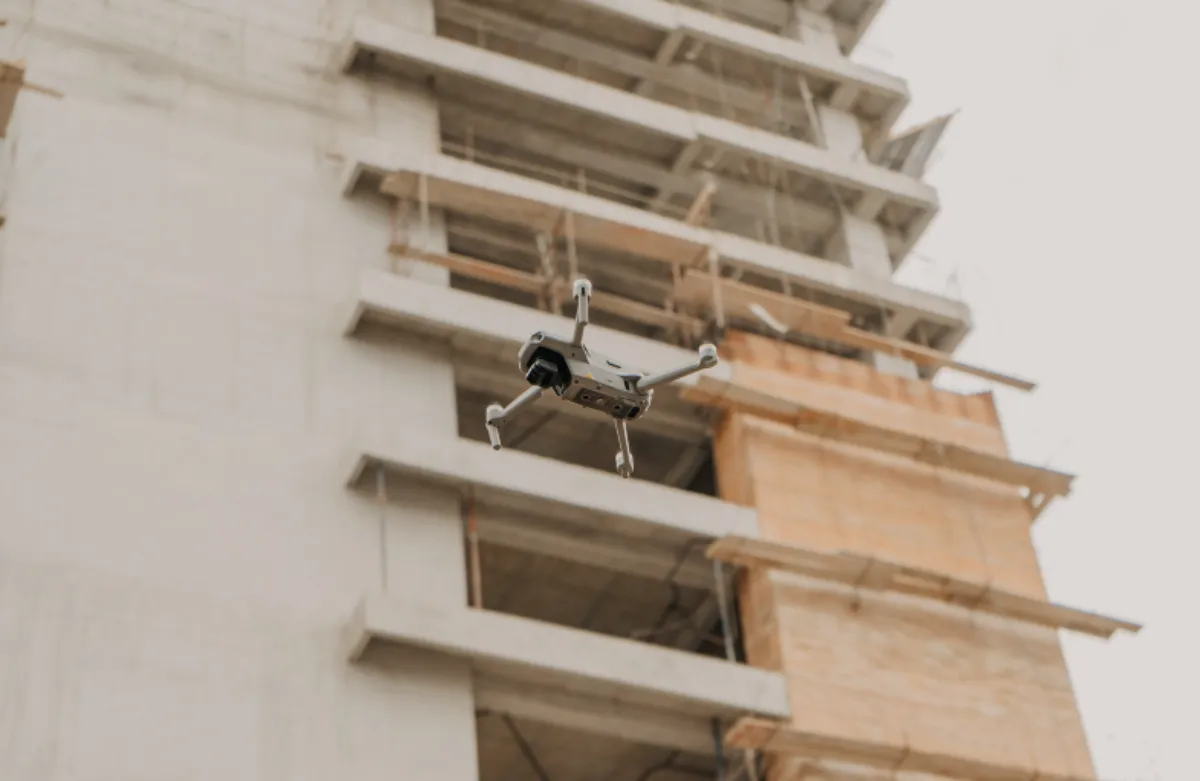
Falls from heights account for approximately 30 percent of construction fatalities in Australia. Drones are transforming how exterior inspections are conducted by eliminating the need for scaffolding, reducing risk, and delivering high-quality data in a fraction of the time. This guide covers the benefits, technology, and future of drone-based building inspections.
How Roof Inspections Enhance Longevity of Brisbane Homes
Brisbane's intense summers, severe storms, and high humidity put roofs under constant stress. Regular roof inspections catch small problems before they become expensive repairs, extending your roof's lifespan and protecting your home.
What Does a Building Inspection Cover?
Building inspections serve as a critical investment safeguard, examining structural integrity, electrical systems, plumbing, and more before property purchase.
Book a Drone Building Inspection
Owner Inspections uses advanced drone technology with high-definition and thermal imaging cameras to deliver thorough property assessments. Reports delivered within 24 hours across NSW, VIC, and QLD.